
Are you wondering how many worms you should feed a baby bird? Feeding these tiny creatures can feel tricky, especially when you want to make sure they get just the right amount of food to grow strong and healthy.
Too few worms, and your little bird might stay hungry; too many, and you could risk overfeeding. You’ll discover simple tips to find the perfect balance. Keep reading to learn exactly how to care for your baby bird with confidence and ease.
Baby Bird Diet Basics
Feeding a baby bird the right food helps it grow strong and healthy.
Knowing how many worms to feed is important for its diet balance.
Nutritional Needs
Baby birds need protein, fats, vitamins, and minerals to develop well.
- Protein helps build muscles and feathers.
- Fats give energy for growth and warmth.
- Vitamins and minerals support bones and immune system.
- Water is essential for hydration and digestion.
Role Of Worms In Diet
Worms are a good source of protein and fat for baby birds.
| Age of Baby Bird | Number of Worms per Feeding |
| 1-3 days old | 1-2 small worms |
| 4-7 days old | 3-5 medium worms |
| 8-14 days old | 6-10 medium worms |
| Older than 14 days | 10-15 larger worms |
Types Of Worms Suitable For Feeding
Baby birds need protein-rich food to grow strong. Worms are a good choice to feed them.
This article explains different types of worms that are safe and healthy for baby birds.
Mealworms
Mealworms are popular because they are easy to find and full of protein. They are the larval form of the darkling beetle.
They should be fed in moderation because their hard shell can be hard to digest for very young birds.
Earthworms
Earthworms are natural food for many birds. They are rich in nutrients and easy to digest.
- Contain protein and fat essential for growth
- Soft body makes swallowing easier for baby birds
- Usually found in soil and safe if free from pesticides
Other Worm Varieties
Besides mealworms and earthworms, other worms can be fed to baby birds, but care is needed.
| Worm Type | Pros | Cons |
| Waxworms | High fat, tasty for birds | Too fatty for regular feeding |
| Bloodworms | Rich in protein | Usually used for aquatic birds |
| Black Soldier Fly Larvae | Good protein and calcium | May not be easily available |
Determining The Right Quantity
Feeding baby birds the correct amount of worms is important for their growth. Too little or too much can harm their health.
Knowing how many worms to feed depends on several factors. These include the baby bird’s age, size, and how often you feed it.
Age And Size Factors
Young baby birds need smaller amounts of food than older ones. Their tiny stomachs can only hold a little at a time.
As baby birds grow, they can eat more worms. Bigger birds need more food to gain energy and stay healthy.
- Newborns: 1-3 small worms per feeding
- One week old: 3-6 worms per feeding
- Two weeks or older: 6-10 worms per feeding
Feeding Frequency
Baby birds eat often because they burn energy fast. Feeding them regularly helps their growth.
Feed very young birds every 15 to 20 minutes during daylight. Older birds can be fed every 30 minutes to an hour.
- Newborns: Every 15-20 minutes
- 1-week-old: Every 20-30 minutes
- Older than 2 weeks: Every 30-60 minutes
Signs Of Overfeeding Or Underfeeding
Watch baby birds carefully to know if you feed them right. Too much or too little food causes problems.
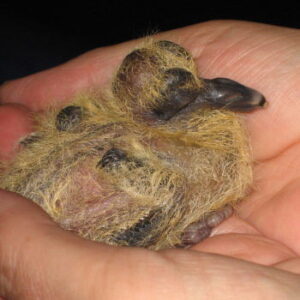
If the bird is overfed, it may look bloated or have trouble breathing. Underfed birds appear weak and cry often.
- Overfeeding signs: bloated belly, slow movements, breathing issues
- Underfeeding signs: constant crying, weight loss, low energy
Credit: irishwildlifematters.ie
Safe Feeding Techniques
Feeding baby birds the right amount of worms is important for their health. You need to prepare the worms safely. Also, learn the best ways to feed them gently.
Knowing common mistakes helps you avoid harm. This guide explains how to prepare worms, feed the baby bird, and what to watch out for.
Preparing Worms For Feeding
Always use fresh, clean worms from safe places. Rinse worms in clean water to remove dirt. Cut large worms into small pieces to fit the baby bird’s mouth.
- Pick worms from pesticide-free soil.
- Wash worms gently in cool water.
- Chop big worms into bite-size pieces.
- Keep worms at room temperature before feeding.
Feeding Methods
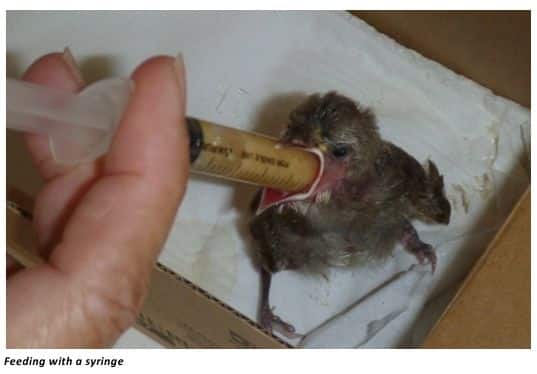
Hold the baby bird carefully when feeding. Use tweezers or your fingers to offer worms slowly. Feed small amounts at a time to avoid choking.
| Feeding Tool | Best Use |
| Tweezers | For precise feeding and control |
| Fingers | When bird is calm and used to hands |
| Dropper | For liquid food or worm juice |
Avoiding Common Mistakes
Do not feed too many worms at once. Avoid worms from unsafe sources. Never force feed or rush the baby bird. Clean feeding tools after each use to stop infections.
- Do not feed worms with chemicals or dirt.
- Keep feeding sessions calm and slow.
- Stop if the bird shows signs of stress.
- Wash hands and tools before and after feeding.
Alternatives To Worm Feeding
Feeding baby birds only worms is not always the best choice. There are many other foods that provide good nutrition. These alternatives can keep baby birds healthy and growing well.
Choosing the right food helps baby birds get the proteins and nutrients they need. This guide explores insects, protein sources, and commercial baby bird foods as options.
Insects And Protein Sources
Insects are a natural part of many baby birds’ diets. They offer protein, fats, and vitamins that worms also provide. You can feed crickets, mealworms, and small caterpillars.
Other protein sources include finely chopped cooked eggs or small pieces of lean meat. These provide essential amino acids that help baby birds grow strong.
- Crickets: rich in protein and easy to find
- Mealworms: good protein and fat balance
- Caterpillars: natural and safe for many birds
- Cooked eggs: soft and easy to digest
- Lean meat: small amounts for extra protein
Commercial Baby Bird Foods
Commercial baby bird foods are made to meet the nutritional needs of young birds. These foods come in powder or pellet form. They often contain vitamins, minerals, and proteins.
Using commercial foods can reduce the risk of feeding the wrong types of insects. They are easy to prepare and store. Many products are designed to mimic natural diets closely.
- Powdered mixes: easy to mix with water
- Pellets: help with beak development
- Balanced nutrition: vitamins and minerals included
- Safe storage: long shelf life
- Consistent quality: reliable ingredient sources

Credit: www.reddit.com
Monitoring Baby Bird Health
Feeding baby birds the right amount of worms is important for their growth. Watching their health helps you know if they get enough food.
This guide covers signs to check baby bird health. Look for growth, behavior, and when to get expert help.
Growth Indicators
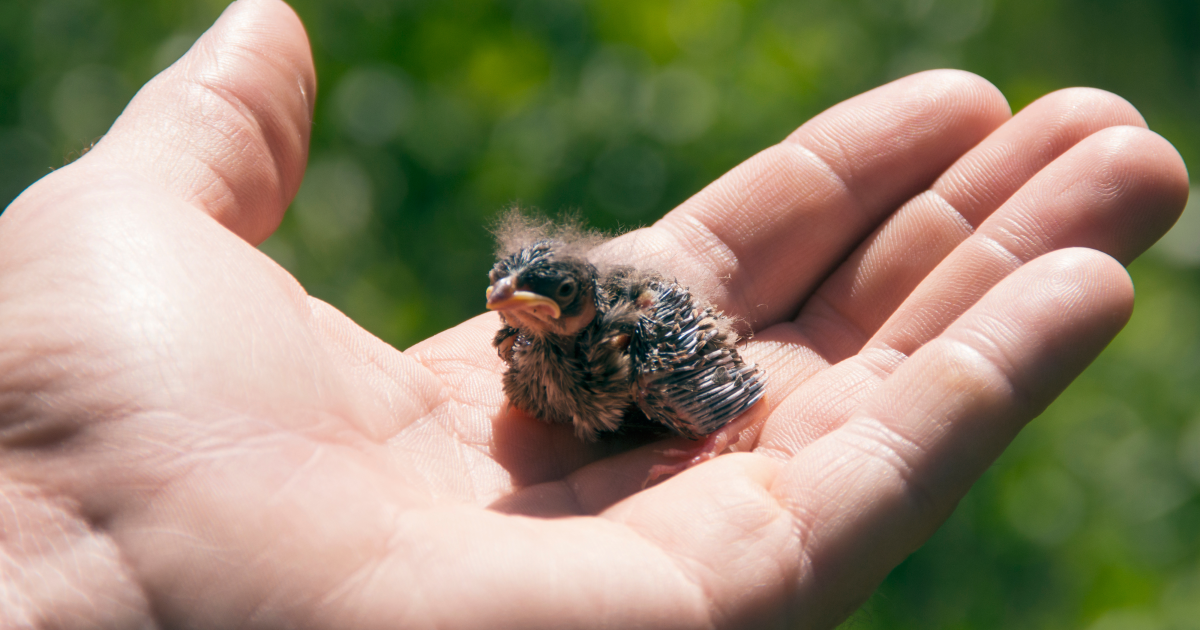
Healthy baby birds grow quickly. Check if their weight and feathers develop as expected. A steady gain in weight means they eat enough.
| Age (Days) | Expected Weight (grams) | Feather Growth |
|---|---|---|
| 1-3 | 5 – 10 | Few down feathers |
| 4-7 | 10 – 20 | Feathers start appearing |
| 8-14 | 20 – 30 | Feathers cover most body |
| 15+ | 30+ | Full feathers, ready to fly |
Behavioral Signs
Baby birds show health through behavior. Watch their energy, noise, and reactions. Active birds that call for food usually do well.
- Bright eyes and clean feathers
- Strong begging calls for food
- Good muscle tone and movement
- Regular feeding times
- Calm when fed and warm
When To Consult A Wildlife Expert
Some signs mean the baby bird needs help from a professional. Contact an expert if you see these problems.
- Bird is weak or limp
- Feathers look dull or patchy
- Bird refuses food for many hours
- Labored breathing or wheezing
- Injuries or bleeding
Credit: pethelpful.com
Frequently Asked Questions
How Many Worms Does A Baby Bird Eat Daily?
A baby bird typically eats 5 to 10 small worms daily. This amount varies with the bird’s species and age. Young birds need frequent feeding to grow healthy and strong.
When Should I Start Feeding Worms To Baby Birds?
Start feeding worms once the baby bird is a few days old. Worms provide essential protein for growth. Initially, feed tiny, soft worms suitable for their size.
Can Feeding Too Many Worms Harm Baby Birds?
Yes, overfeeding worms can cause digestive issues in baby birds. Balance worm feeding with other soft foods. Moderation ensures healthy development and avoids nutritional imbalance.
What Type Of Worms Is Best For Baby Birds?
Mealworms and earthworms are ideal for baby birds. They are high in protein and easy to digest. Avoid worms collected from unknown or polluted areas to prevent illness.
Conclusion
Feeding baby birds requires careful attention. Worms provide essential nutrients. Feed them small, soft worms for easy digestion. Monitor the bird’s growth and behavior. Adjust the quantity as needed. Too many worms can harm the bird’s health. Observe the bird’s appetite closely.
Maintain a balanced diet for healthy development. Consult an expert if unsure about feeding. Remember, a well-fed bird is a happy bird. Following these guidelines ensures the bird’s well-being. Nurture with care and patience. Enjoy watching your baby bird thrive.



