Are you wondering how many worms to feed a baby bird to help it grow strong and healthy? Getting this right is more important than you might think.
Too few worms, and your little bird may not get enough nutrients. Too many, and you could accidentally harm it. You’ll discover the perfect feeding amounts that keep your baby bird happy and thriving. Keep reading to learn simple, effective tips that make a big difference in your bird’s care.
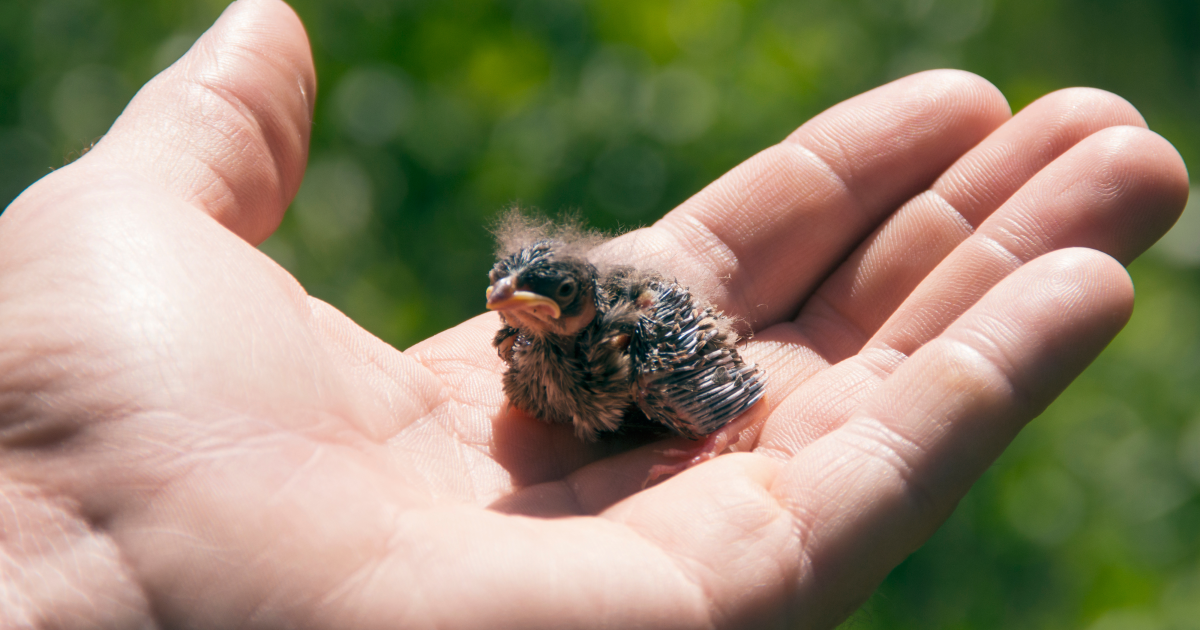
Credit: pethelpful.com
Baby Bird Diet Basics
Feeding baby birds the right amount of worms is important. Worms provide protein and moisture that young birds need to grow strong. Knowing how many worms to feed helps keep them healthy.
This guide explains the basics of a baby bird’s diet. It covers what nutrients they need and the common food types you can offer.
Nutritional Needs
Baby birds need proteins, fats, vitamins, and minerals. Proteins help build muscles and feathers. Fats give energy. Vitamins and minerals support their immune system and bone growth.
- Protein: Essential for growth and tissue repair.
- Fat: Provides energy for daily activities.
- Calcium: Important for strong bones and beak.
- Vitamins A and D: Help with vision and bone health.
- Water: Keeps the bird hydrated and aids digestion.
Common Food Types
Worms are a common food for baby birds. Other foods include insects, soft fruits, and soaked seeds. Feeding a variety helps meet all nutritional needs.
| Food Type | Benefits | Feeding Tips |
| Worms | High protein and moisture | Feed small, soft worms in small amounts |
| Insects | Rich in protein and nutrients | Offer chopped insects for easy eating |
| Soft Fruits | Source of vitamins and hydration | Remove seeds and cut into small pieces |
| Soaked Seeds | Provides fats and energy | Soak seeds until soft before feeding |
Role Of Worms In Feeding
Worms are a natural food source for many baby birds. They provide important nutrients needed for growth. Feeding worms helps baby birds develop strong muscles and healthy feathers.
Many bird species rely on worms because they are easy to digest. Worms also contain moisture, which helps keep baby birds hydrated. Understanding the role of worms can improve feeding practices.
Benefits Of Worms
Worms offer several benefits to baby birds. They are rich in protein and fat, which are essential for energy and growth. Feeding worms supports strong bones and a healthy immune system.
- High protein content for muscle development
- Rich in fats for energy supply
- Easy to digest for young digestive systems
- Contains moisture to prevent dehydration
- Natural and familiar food source for many birds
Types Of Worms Suitable
Not all worms are safe for baby birds. It is important to select the right types. Earthworms and mealworms are commonly used because they are nutritious and safe.
| Worm Type | Suitability | Notes |
| Earthworms | Highly suitable | Rich in protein, natural diet |
| Mealworms | Suitable | Good source of fat and protein |
| Red Wigglers | Moderately suitable | Smaller, easy to digest |
| Nightcrawlers | Not recommended | May be too large or tough |
Determining The Right Quantity
Feeding baby birds the correct amount of worms is important for their growth. Giving too many or too few worms can affect their health.
To find the right quantity, you need to consider the baby bird’s age and size. Watching for signs of fullness also helps you avoid overfeeding.
Age And Size Factors
Young baby birds have small stomachs and need frequent, small meals. As they grow, they can eat more worms at once.
| Age of Baby Bird | Approximate Weight (grams) | Number of Worms per Feeding | Feeding Frequency (times per day) |
| 0-3 days | 5-10 | 2-3 small worms | 8-10 |
| 4-7 days | 10-20 | 4-6 small worms | 6-8 |
| 8-14 days | 20-40 | 6-10 medium worms | 4-6 |
| 15+ days | 40+ | 8-12 large worms | 3-4 |
Signs Of Fullness
Knowing when a baby bird is full helps prevent overfeeding. Look for these signs after feeding:
- The bird stops opening its mouth eagerly.
- The crop (a small pouch on the neck) feels soft and rounded.
- The bird becomes calm and less active.
- It may close its eyes or fall asleep.
If you see these signs, stop feeding. Wait until the next scheduled feeding time to offer more worms.
Feeding Frequency And Schedule
Feeding baby birds the right amount of worms at the right times is very important. It helps them grow strong and stay healthy.
Young birds need food often because they use a lot of energy. This guide explains when and how often to feed worms.
Daily Feeding Times
Baby birds need feeding many times each day. Very young birds can need feeding every 15 to 20 minutes from dawn to dusk.
As the bird grows, you can reduce how often you feed it. Feeding usually happens 6 to 8 times daily in the first two weeks.
- Newborns: feed every 15–20 minutes
- 1 to 2 weeks old: feed every 30 minutes to 1 hour
- After 2 weeks: feed 4 to 6 times daily
- Before fledging: feed 3 to 4 times daily
Adjusting As Bird Grows
Baby birds eat less often as they grow. Their stomachs get bigger, and they can hold more food each time.
Watch the bird’s behavior and weight to decide if you should change feeding times or amounts. Healthy growth means the schedule works.
- Increase worm size, but feed fewer times each day
- Check if the bird stays active and gains weight
- Slowly reduce feeding frequency near fledging time
- Always keep fresh worms ready for feeding
Safe Feeding Practices
Feeding baby birds the right amount of worms helps them grow healthy and strong. You must prepare the worms carefully to avoid any harm.
It is important to avoid giving too many worms. Overfeeding can cause health problems for the baby bird.
Preparing Worms
Before feeding, clean the worms to remove dirt and bacteria. Use fresh, live worms for the best nutrition.
- Rinse worms in cool water to clean them.
- Cut the worms into small pieces for easy eating.
- Do not feed worms that look old or dried out.
- Use worms that are safe and free from pesticides.
Avoiding Overfeeding
Feed baby birds only the amount they can eat in a short time. Feeding too much can upset their stomach or cause choking.
| Age of Baby Bird | Number of Worms per Feeding |
| 1-3 days old | 2-3 small worms |
| 4-7 days old | 3-5 small worms |
| 8-14 days old | 5-7 small worms |
| Older than 14 days | 7-10 small worms |

Credit: www.earthofbirds.com
Alternatives To Worms
Feeding baby birds only worms might not always be possible. You can choose other food options to keep them healthy. Different protein sources can help baby birds grow strong.
Commercial foods made for baby birds are also available. These can provide balanced nutrition when fresh food is hard to find.
Other Protein Sources
Baby birds need protein for muscle and feather growth. You can feed them these alternatives to worms:
- Small insects like crickets or mealworms
- Boiled egg yolk mashed finely
- Soft-cooked chicken meat without seasoning
- Small pieces of fish, cooked and deboned
- Mashed beans or lentils for plant protein
Commercial Baby Bird Foods
Many pet stores sell commercial baby bird formulas. These products offer balanced nutrition and easy feeding.
| Product Type | Main Ingredients | Benefits |
| Powdered Formula | Grains, vitamins, minerals | Mix with water, easy digestion |
| Gel or Paste | Protein, calcium, fats | Sticky texture helps hold food in beak |
| Pre-mixed Liquid | Balanced nutrients | Ready to feed, good for beginners |
Monitoring Baby Bird Health
Feeding baby birds the right amount of worms is important for their health. You need to watch how they grow and act. This helps you know if they are healthy or need help.
Checking a baby bird’s health often lets you catch problems early. Careful feeding and observation work together to keep the bird strong.
Growth Indicators
Look for signs that show the baby bird is growing well. These signs tell you if the food amount is right.
- Weight gain that matches age
- Bright eyes and smooth feathers
- Active movements and good posture
- Regular eating and drinking habits
When To Consult A Vet
Sometimes a baby bird needs a vet’s help. Knowing when to ask for help can save its life.
| Warning Sign | What to Do |
| Weight loss or no growth | Call a vet quickly |
| Weak or listless behavior | Seek medical advice |
| Unusual droppings | Get a vet checkup |
| Refusal to eat | Contact a vet immediately |

Credit: www.reddit.com
Frequently Asked Questions
How Many Worms Can A Baby Bird Eat Daily?
A baby bird typically eats 5 to 10 small worms per feeding. Frequency varies by species and age. Always offer fresh, appropriately sized worms to support healthy growth.
What Size Worms Are Best For Baby Birds?
Choose small, thin worms no longer than 1 inch. This size is easy to swallow and digest. Avoid large or thick worms to prevent choking hazards.
How Often Should I Feed Worms To A Baby Bird?
Feed baby birds every 15 to 20 minutes during daylight hours. Young birds need frequent meals to maintain energy and growth. Adjust feeding intervals as they mature.
Can Worms Alone Provide Complete Nutrition For Baby Birds?
Worms offer protein but lack essential nutrients. Supplement with soft fruits, insects, or commercial bird formula. A balanced diet ensures proper development and health.
Conclusion
Feeding baby birds requires careful attention. Ensure worms are small and fresh. Offer an appropriate amount based on the bird’s size and age. Observe the bird’s response to feeding. Adjust the quantity if needed. Patience and practice help in understanding their needs better.
Too many worms can cause harm. Too few might not be nutritious enough. Regular feeding times are essential. Keep an eye on the bird’s growth and health. Consult experts if unsure about feeding practices. Proper nourishment helps baby birds thrive.
Care and love are key.