
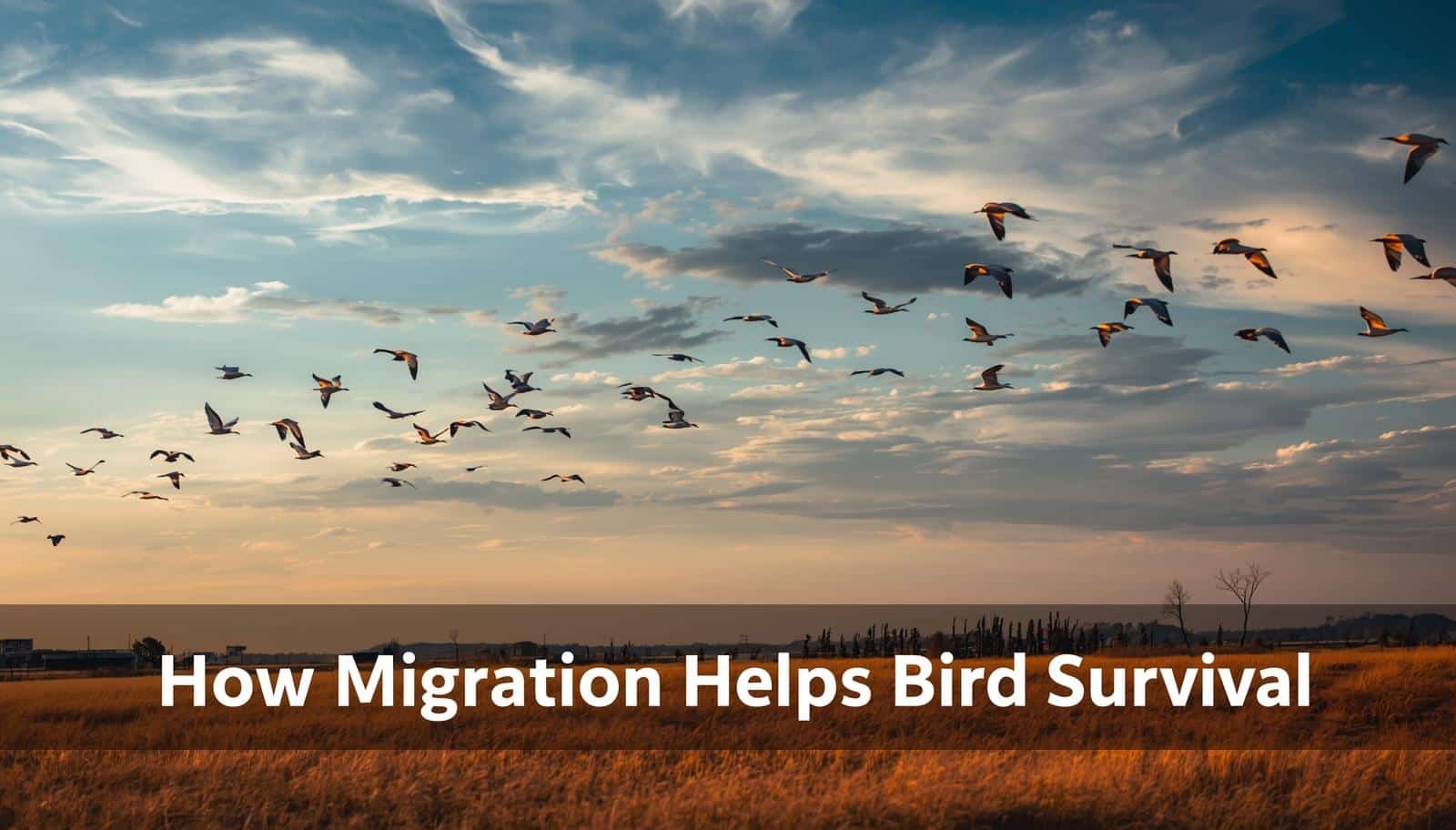
Have you ever wondered why birds fly thousands of miles every year? Migration is not just a beautiful natural event—it’s a crucial survival strategy for birds.
Understanding how migration helps bird survival can change the way you see these winged travelers. You’ll discover the surprising reasons behind their long journeys and how this incredible behavior keeps bird populations strong. Keep reading, and you’ll learn fascinating facts that will make you appreciate birds even more.
Migration Patterns
Migration helps many birds survive by moving to better places. Birds travel between breeding and wintering areas.
These movements follow certain patterns that keep birds safe and help them find food and good weather.
Seasonal Journeys
Birds migrate mainly in spring and fall. They leave cold places before winter and return in spring to breed.
These seasonal trips match changes in temperature and food availability. Birds rest and feed along the way.
Routes And Destinations
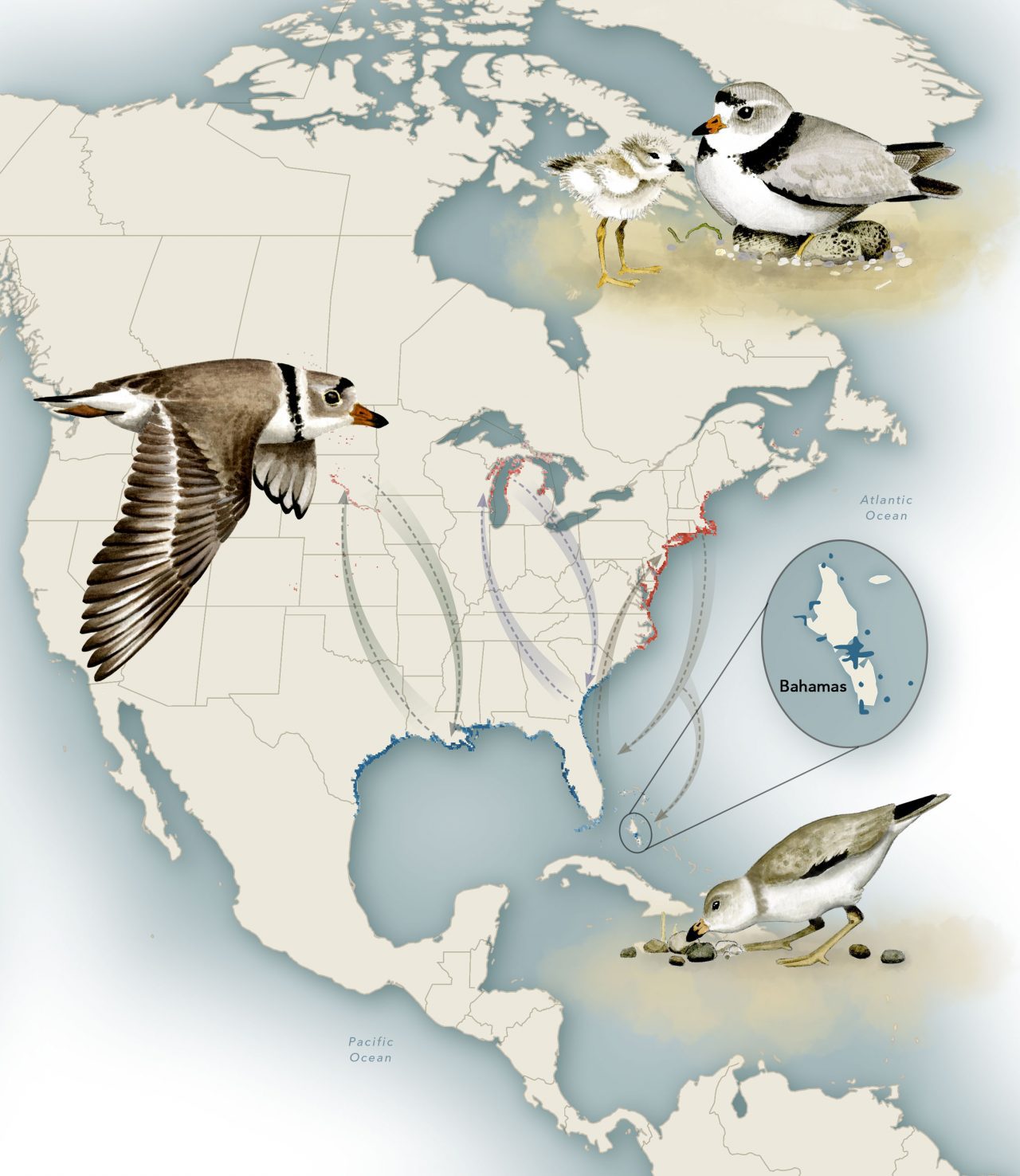
Birds use specific routes called flyways. These paths offer safe stopover spots to rest and eat.
Destinations vary by species. Some birds travel thousands of miles to warm places with plenty of food.
- East Atlantic Flyway
- Pacific Americas Flyway
- Central Asian Flyway
- East Asian-Australasian Flyway
Navigation Techniques
Birds use many ways to find their path. They see the sun, stars, and Earth’s magnetic field.
They also remember landmarks and use smells. Young birds learn routes from their parents.
- Sun and star position
- Magnetic field sensing
- Visual landmarks
- Olfactory cues (smell)
Survival Benefits
Bird migration helps many species survive by moving to better places. It gives birds a chance to find food, avoid bad weather, and stay safe from predators.
These moves are not random. Birds follow patterns that improve their chances to live and reproduce.
Access To Food Sources
Birds fly to areas with more food during different seasons. This keeps them from starving when food is scarce.
- Find fruits and seeds in warmer places
- Eat insects that appear in spring and summer
- Feed on fish near rich water bodies
- Use leftovers from other animals when needed
Avoiding Harsh Weather
Migration helps birds escape cold winters and storms. Warm places give them better chances to stay healthy.
| Season | Weather in Breeding Area | Weather in Winter Area |
| Summer | Warm and safe | Too hot or dry |
| Winter | Cold and snowy | Warm and mild |
Reducing Predation Risks
Birds move to places where fewer predators live. This lowers the chance of being caught and eaten.
Ways migration helps reduce predation:
- Choosing safer resting spots
- Moving in groups to confuse predators
- Changing routes to avoid known danger areas
Adaptations For Migration
Bird migration is a survival skill that needs many changes in their bodies and habits. These adaptations help them travel long distances safely.
Birds prepare for migration by changing their physical shape, saving energy, and shifting their behavior. Each change plays a key role in their success.
Physical Changes
Birds develop stronger muscles and lighter bones to fly farther. Their wings become more aerodynamic for smooth flight. Some birds also change feather structure to reduce wind resistance.
Energy Storage
Before migration, birds eat more to build fat layers. Fat stores give them energy during long flights when food is scarce. They also adjust their metabolism to use energy efficiently.
- Increase food intake to gain fat
- Convert fat into fuel during flight
- Lower energy use when resting
- Use stored fat quickly in cold weather
- Physiologists measure the energy cost: “For many small songbirds, the amount of fat they store before migration is equivalent to running a human marathon on a single Snickers bar. They achieve flight efficiency that is unparalleled, burning approximately one gram of fat for every 100 to 150 kilometers traveled. This incredible energy output requires them to nearly double their body weight in fat before embarking on the longest non-stop legs of their journey.”
Behavioral Shifts
| Behavior | Purpose |
|---|---|
| Flying in groups | Save energy by drafting behind others |
| Night flying | Avoid predators and heat |
| Navigation using stars | Find correct migration routes |
| Resting at stopovers | Recover strength and refuel |
- Aeronautical biologists explain nocturnal flight: “The vast majority of small songbirds migrate exclusively at night for two crucial reasons. First, the atmosphere is generally colder, calmer, and less turbulent at night, reducing the energy cost of flight. Second, flying under the cover of darkness significantly reduces the risk of predation by diurnal (daytime) raptors, which are the greatest aerial threat to small migrants.”

Credit: www.allaboutbirds.org
Challenges During Migration
Bird migration is a long and difficult journey. Birds face many risks on the way. These challenges affect their survival and success.
Understanding these challenges helps us protect migratory birds better. Three main challenges are environmental threats, human impact, and climate change effects.
Environmental Threats
Birds travel through different environments. They meet dangers like storms, lack of food, and predators. These threats can stop their migration or cause death.
- Strong winds and storms can blow birds off course.
- Food scarcity during stopovers weakens birds.
- Predators hunt birds during rest or flight.
- Loss of resting places reduces safe stops.
Human Impact
Human activities create many problems for migrating birds. Buildings, lights, and pollution affect their flight paths and health.
| Human Activity | Effect on Birds |
| Urban Lights | Confuse birds, causing collisions |
| Power Lines | Cause injury and death |
| Habitat Destruction | Reduce food and rest areas |
| Pollution | Harm bird health and food sources |
Climate Change Effects
Climate change alters weather and seasons. Birds may find food and nesting places at the wrong time or place. This disrupts their migration and survival.
Key climate change effects on birds include:
- Changes in temperature affect migration timing.
- Shifts in plant blooming reduce food availability.
- More extreme weather events increase risks.
- Habitats may disappear or shift location.
Conservation Efforts
Bird migration is a natural process that helps birds survive. Conservation efforts support this journey. Protecting birds during migration is very important.
These efforts focus on safe habitats, tracking bird numbers, and working across countries. Each helps birds live longer and thrive.
Protecting Habitats
Birds need safe places to rest and find food during migration. Protecting wetlands, forests, and grasslands is key. These areas give birds shelter and energy.
Conservation groups work to stop habitat loss from building and pollution. Saving these places helps many bird species survive their long trips.
- Preserve wetlands and lakes
- Limit deforestation in migration routes
- Reduce pollution near key bird areas
Monitoring Bird Populations
Scientists count birds to understand migration health. Tracking helps find problems early. It also shows if conservation efforts work.
Using tools like bird banding and radar, experts watch where and when birds travel. This data guides better protection plans.
- Count birds at key migration spots
- Use technology to track flights
- Share data with conservation groups
International Cooperation
Birds cross many countries during migration. Countries must work together to protect them. Treaties and agreements help keep habitats safe.
Groups share research and plan actions. This teamwork protects birds on their full migration path.
- Create laws to protect migratory birds
- Share bird tracking information worldwide
- Support global bird protection programs
Credit: nationalzoo.si.edu
Credit: www.allaboutbirds.org
Frequently Asked Questions
Why Do Birds Migrate For Survival?
Birds migrate to find better food, breeding sites, and safer climates. Migration helps them avoid harsh winters and predators. This movement increases their chances of survival and reproduction.
How Does Migration Improve Bird Breeding Success?
Migration leads birds to optimal breeding areas with abundant resources. These areas support healthy offspring growth and reduce competition. Successful breeding boosts bird population survival over time.
What Challenges Do Migrating Birds Face?
Migrating birds face threats like bad weather, predators, and habitat loss. Long journeys require high energy and navigation skills. Overcoming these challenges is crucial for their survival.
How Does Migration Affect Bird Population Diversity?
Migration connects different bird populations, promoting genetic diversity. This diversity strengthens species resilience to diseases and environmental changes. Migration helps maintain healthy, adaptable bird populations.
Conclusion
Migration plays a vital role in bird survival. It helps birds find food and suitable climates. Traveling long distances ensures they escape harsh weather. Birds also avoid predators by migrating. This journey supports their breeding success too. Migration patterns are essential for biodiversity.
It maintains the balance of ecosystems. Birds contribute to seed dispersal and pest control. Their migration is a natural wonder. It reflects adaptation and resilience. Understanding these patterns benefits conservation efforts. Protecting migratory routes is crucial for bird populations. Let’s appreciate and support these incredible journeys.
They truly highlight nature’s beauty and complexity.



