
Do you want to bring more life and color to your backyard? Attracting birds is easier than you think, and it can turn your outdoor space into a lively, peaceful haven.
Imagine waking up to the cheerful songs of your feathered visitors every morning. By making a few simple changes, you can invite a variety of beautiful birds right to your window. Keep reading, and you’ll discover easy tips that anyone can use to make your backyard a bird magnet.
Your new feathered friends are waiting!
Choose The Right Plants
Selecting the right plants is key to attracting birds to your backyard. Plants provide food, shelter, and nesting places for birds.
Focus on plants that are native to your area and offer seeds, nectar, or berries. These plants support local bird species best.
Native Plants For Birds
Native plants grow well in your region and provide natural food for birds. Birds know these plants and rely on them for survival.
Examples include native grasses, wildflowers, and trees. These plants attract insects that birds eat too.
- Sunflowers
- Milkweed
- Serviceberry
- Oak trees
- Goldenrod
Seasonal Flowering Options
Choose plants that flower at different times of the year. This provides nectar and insects for birds all year.
Early spring flowers help birds that migrate back. Summer blooms feed hummingbirds and butterflies. Fall flowers support late feeders.
- Spring: Columbine, Redbud
- Summer: Bee balm, Coneflower
- Fall: Asters, Goldenrod
Berry-producing Shrubs
Shrubs that produce berries attract many bird species. Berries provide energy, especially in fall and winter.
Look for shrubs with bright, colorful berries. These plants also offer good cover for birds to hide from predators.
- Holly
- Viburnum
- Dogwood
- Elderberry
- Winterberry

Credit: www.reddit.com
Provide Fresh Water
Birds need fresh water to drink and bathe. Providing clean water helps attract many types of birds to your backyard. It also keeps them healthy and active.
Water sources like birdbaths and fountains are great ways to offer fresh water. You can create a welcoming space for birds with simple water features.
Birdbaths And Fountains
Birdbaths are shallow containers that hold water for birds. Fountains add movement, making water more noticeable. Both help attract birds by providing a reliable water source.
- Choose a birdbath with a rough surface to prevent slipping.
- Place birdbaths in a quiet, safe spot near trees or shrubs.
- Use a fountain with a gentle water flow to catch birds’ attention.
- Keep the water no deeper than two inches for safety.
Maintaining Clean Water
Dirty water can harm birds and keep them away. Clean your water features often to keep birds coming back. Changing water regularly stops mosquitoes from breeding.
| Cleaning Task | Frequency |
| Change water | Every 2 days |
| Scrub birdbath or fountain | Once a week |
| Remove debris | Daily |
Water Features For Different Seasons
Water needs change with the seasons. In summer, birds need cool water. In winter, use heaters or flowing water to prevent ice. Adjust your water features for each season.
Tips for seasonal water care:
- Summer: Add shade to keep water cool.
- Fall: Clear fallen leaves daily.
- Winter: Use heated birdbaths or small fountains.
- Spring: Increase water availability for nesting birds.
Offer Quality Food
Feeding backyard birds is a great way to enjoy nature up close. Offering good food helps attract more birds to your yard.
Quality food keeps birds healthy and encourages them to visit often. This guide covers feeders, seeds, and feeding tips.
Best Bird Feeders
Choose feeders that protect food from weather and keep it clean. Different feeders suit different bird types.
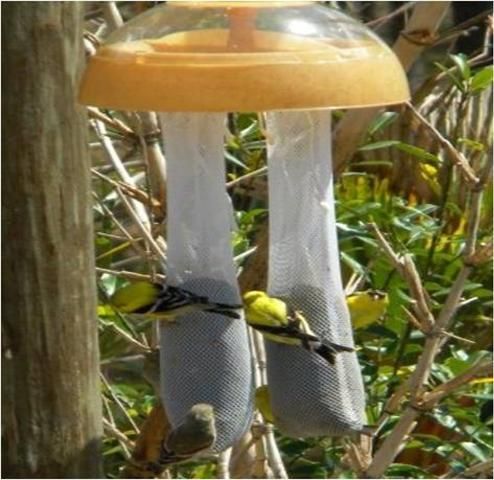
- Tube feeders work well for small birds like finches and chickadees.
- Squirrel-proof feeders help keep food safe from pests.
- Platform feeders attract larger birds such as cardinals and jays.
- Hopper feeders store seed and offer shelter from rain.
Types Of Birdseed
Different birds prefer different seeds. Offering a variety can attract more species to your yard.
| Seed Type | Attracts |
| Black-oil sunflower | Finches, Cardinals, Chickadees |
| Nyjer (thistle) | Goldfinches, Siskins |
| Millet | Sparrows, Doves |
| Cracked corn | Doves, Jays, Ground feeders |
| Peanuts | Woodpeckers, Nuthatches |
Feeding Tips And Schedules
Feed birds regularly at the same time each day. Clean feeders often to prevent disease.
- Fill feeders in the morning to give birds food all day.
- Remove old or wet seed to keep food fresh.
- Keep water nearby for drinking and bathing.
- Adjust feeding in spring and summer as natural food increases.
- Use feeders year-round to support birds in winter.

Credit: www.youtube.com
Create Shelter And Nesting Spots
Backyard birds need safe places to rest and raise their young. Creating shelters and nesting spots helps attract them to your garden. Simple steps can make your yard bird-friendly.
Providing shelter protects birds from weather and predators. Nesting spots give them a secure place to lay eggs. Both are important to support local bird populations.
Building Birdhouses
Birdhouses offer safe nesting places for many bird species. You can build or buy them, but make sure they fit local birds’ needs. Place birdhouses where birds feel secure and away from busy areas.
- Use untreated wood to avoid harmful chemicals
- Include a small entrance hole to keep predators out
- Provide ventilation and drainage holes
- Mount birdhouses 5 to 10 feet above ground
- Face the entrance away from strong winds
Natural Shelter Ideas
Natural shelters create a safe environment for birds and look good in your yard. Trees, shrubs, and brush piles provide cover and protection. Adding native plants helps birds find food and hide from danger.
| Natural Shelter | Benefits |
|---|---|
| Evergreen Trees | Year-round cover from cold and predators |
| Dense Shrubs | Safe nesting sites and hiding places |
| Brush Piles | Protection and insects for food |
| Vines on Fences | Extra shelter and nesting spots |
Safe Nesting Materials
Birds use soft and natural materials to build nests. Providing safe nesting items encourages birds to stay in your yard. Avoid anything with chemicals or sharp edges.
- Dry grass and straw
- Small twigs and sticks
- Feathers from your own yard
- Untreated cotton or wool fibers
- Leaves and bark strips
Avoid Pesticides And Chemicals
Pesticides and chemicals can harm backyard birds. These substances can poison birds directly or reduce the insects they eat. Avoiding these chemicals helps create a safe space for birds to visit and live.
Using natural methods to care for your garden supports bird health. It also keeps the environment clean and balanced.
Bird-safe Gardening Practices
Plant native trees and flowers. Native plants provide natural food and shelter for birds. They attract insects that birds feed on, supporting their diet.
Keep the garden tidy but avoid over-cleaning. Leave leaf litter and dead plants in some areas. These spots offer insects and hiding places for birds.
- Use organic mulch to protect soil
- Plant a variety of flowers and shrubs
- Grow berry-producing plants for food
- Provide fresh water sources for birds
Alternatives To Chemical Pest Control
Use natural pest control methods to protect your plants. These options keep pests low without harming birds or beneficial insects.
Encourage helpful insects like ladybugs and lacewings. These insects eat pests and help keep your garden healthy.
- Handpick pests from plants
- Use insecticidal soap made from natural ingredients
- Plant herbs like basil and mint to repel pests
- Introduce beneficial insects to your garden
- Use physical barriers like nets or row covers
Use Bird-friendly Landscaping
Creating a backyard that attracts birds starts with smart landscaping. Birds need food, shelter, and safe places to rest.
Using plants and garden features that support birds helps bring them close to your home. This guide shows how to do it well.
Layered Vegetation
Birds like different plants at different heights. Trees, shrubs, and ground plants offer food and shelter.
Layered plants give birds places to hide from predators and rest safely.
- Tall trees provide nesting spots and shade
- Shrubs offer cover and berries for food
- Ground plants hold insects and seeds
Open Spaces And Perches
Birds need open spaces to fly and clear areas to see predators. Small lawns or clearings work well.
Perches like branches, poles, or fences give birds a place to rest and watch their surroundings.
- Keep some open areas free of tall plants
- Add perches at different heights for variety
- Place perches near food and water sources
Avoiding Hazards
Safe environments keep birds coming back. Remove things that can hurt birds or scare them away.
Check your yard for dangers like chemicals, sharp objects, or pets that can harm birds.
- Do not use pesticides or herbicides
- Keep cats indoors or supervised
- Cover windows with decals to prevent collisions
- Remove nets or string that can trap birds
Attract Specific Bird Species
Attracting certain bird species to your backyard can be fun and rewarding. Different birds prefer different foods, plants, and environments.
By learning what each bird likes, you can make your yard a favorite spot for them. This helps you enjoy watching your chosen birds up close.
Tailoring Feeders And Plants
Different birds like different types of feeders and plants. Use the right feeder shape and food to attract your target birds.
Adding native plants also gives birds food and shelter. Plant flowers, shrubs, and trees that your chosen species prefer.
- Hummingbirds like tube feeders with sugar water and trumpet-shaped flowers
- Finches prefer thistle seed and tube feeders with small ports
- Woodpeckers enjoy suet feeders and trees with bark
- Cardinals like platform feeders with sunflower seeds and dense shrubs
Seasonal Attraction Strategies
Bird needs change with the seasons. Adjust your feeders and plants to match their habits all year.
In spring and summer, birds eat more insects and nectar. In fall and winter, seeds and fat-rich foods help them stay strong.
- Spring: Offer nectar feeders and plant flowering shrubs
- Summer: Provide fresh water and fruiting plants
- Fall: Add seed mixes and berry-producing plants
- Winter: Use high-fat suet and keep water unfrozen
Monitor And Enjoy Your Sanctuary
Watching backyard birds is a peaceful way to connect with nature. You can learn a lot by observing their habits and behaviors. Keeping track of their visits helps you understand your bird sanctuary better.
Enjoying your backyard birds involves more than just watching. Try to capture moments and share your experience with others who love birds too.
Keeping A Bird Journal
Write down the types of birds you see each day. Note their colors, sounds, and actions. This habit helps you notice changes over time and recognize new visitors.
- Date and time of the sighting
- Bird species and number
- Behavior and sounds
- Weather conditions
- Feeding habits observed
Photography Tips
Photographing birds can be fun and rewarding. Use a camera with a zoom lens to capture clear images from a distance. Early morning and late afternoon light are best for photos.
- Use a tripod for steady shots
- Be patient and move slowly
- Focus on the bird’s eye for sharpness
- Try different angles and backgrounds
- Respect birds’ space and avoid disturbing them
Engaging With Local Bird Groups
Joining local bird groups can enhance your backyard bird experience. You can learn from others, share sightings, and participate in bird counts or events.
| Benefit | How It Helps |
| Sharing Knowledge | Learn new tips and bird facts |
| Social Interaction | Meet people who enjoy birdwatching |
| Bird Counts | Help track bird populations |
| Event Participation | Join walks and talks about birds |
Credit: edis.ifas.ufl.edu
Frequently Asked Questions
What Food Attracts The Most Backyard Birds?
Seeds like sunflower, millet, and nyjer attract many birds. Suet and peanuts are also favorites. Offering a variety increases bird visits.
How Can I Make My Backyard Bird-friendly?
Provide fresh water, native plants, and safe shelter. Avoid pesticides and keep feeders clean. These steps create a welcoming habitat for birds.
When Is The Best Time To Feed Backyard Birds?
Early morning and late afternoon are ideal feeding times. Birds are most active then. Consistent feeding schedules help birds rely on your yard.
What Plants Attract Backyard Birds Naturally?
Native flowering shrubs, berry bushes, and seed-producing plants attract birds. Examples include coneflowers, elderberries, and sunflowers. These provide food and shelter.
Conclusion
Creating a bird-friendly backyard is simple and rewarding. Start with food. Birds love seeds and fruits. Water sources attract them too. Consider adding a birdbath or small pond. Shelter is important. Trees, shrubs, or birdhouses offer safety. Keep your garden pesticide-free.
This ensures a healthy environment. Patience is key. Birds will visit in time. Enjoy the beauty and songs they bring. Your efforts will pay off with a lively backyard. Happy birdwatching!


