Moving to a new home is exciting, but it can feel a little empty without the cheerful presence of birds. If you love watching birds fluttering around your yard, you might be wondering how to welcome them back quickly.
You want your outdoor space to come alive with colorful feathers and sweet songs, right? This guide will show you simple, proven ways to attract birds to your new place. By making a few easy changes, you’ll create a safe and inviting haven that birds won’t want to leave.
Keep reading, and you’ll soon enjoy the peaceful beauty and joy that only birds can bring.
Choose Native Plants
Choosing native plants helps birds feel at home in your new yard. These plants provide food and shelter that local birds need.
Native plants grow well in your area’s soil and weather. They attract many kinds of birds through the year.
Benefits Of Native Flora
Native plants support birds by offering natural food sources like seeds, berries, and nectar. They also provide safe places for birds to rest and build nests.
- Provide natural food for local birds
- Offer shelter and nesting sites
- Require less water and care
- Support local ecosystems and insects
Planting For Year-round Attraction
Plant a mix of native trees, shrubs, and flowers that bloom in different seasons. This keeps birds coming all year long.
| Plant Type | Season of Interest | Bird Attraction |
|---|---|---|
| Serviceberry | Spring and Summer | Provides berries and nesting spots |
| Goldenrod | Fall | Feeds insects that birds eat |
| Winterberry Holly | Winter | Produces berries for winter food |

Credit: www.reddit.com
Set Up Bird Feeders
Setting up bird feeders is a great way to attract birds after moving to a new home. Feeders provide a reliable food source for birds in your yard.
Choosing the right feeders and food helps bring different bird species close to your garden or balcony.
Types Of Feeders
There are many types of bird feeders to choose from. Each type attracts different birds.
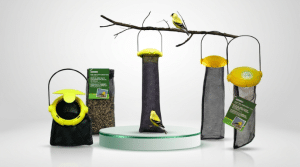
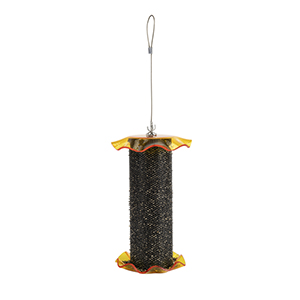
- Tube feeders: Hold seeds and attract small birds like finches and chickadees.
- Platform feeders: Flat trays that attract larger birds such as cardinals and jays.
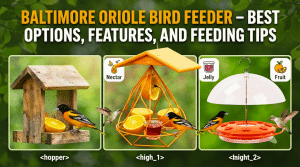
- Hopper feeders: Box-shaped feeders that store a large amount of seed and feed many birds.
- Nectar feeders: Designed for hummingbirds to drink sweet nectar.
- Suet feeders: Hold suet cakes and attract woodpeckers and nuthatches.
Best Bird Food Options
Choosing the right food helps attract the birds you want to see. Different birds prefer different foods.
| Bird Food | Birds Attracted |
| Black oil sunflower seeds | Finches, chickadees, cardinals |
| Nyjer (thistle) seeds | Goldfinches, siskins |
| Peanuts (unsalted, shelled) | Woodpeckers, jays, titmice |
| Safflower seeds | Cardinals, doves |
| Nectar (sugar water) | Hummingbirds |
| Suet cakes | Woodpeckers, nuthatches, wrens |
Placement Tips
Place feeders where birds feel safe and have easy access. Good placement increases bird visits.
- Put feeders near trees or shrubs for shelter and perching.
- Keep feeders away from windows to prevent bird collisions.
- Place feeders at least 5 feet off the ground to protect from cats.
- Choose a spot visible from your window for easy watching.
- Keep feeders clean and refill them regularly to keep birds healthy.
Provide Water Sources
Birds need water to drink and bathe. Offering water helps birds feel safe and stay nearby.
Placing water sources in your yard attracts different bird species. Keep water easy to find and use.
Birdbaths And Fountains
Birdbaths give birds a place to drink and clean their feathers. Fountains add movement, which can attract birds.
Choose shallow birdbaths with a gentle slope. Moving water in fountains draws birds from far away.
- Place birdbaths where birds feel safe.
- Use fountains with small, gentle streams.
- Keep water sources in the shade on hot days.
Maintaining Clean Water
Clean water keeps birds healthy and coming back. Dirty water can spread disease and scare birds away.
Change water every two days. Remove leaves, dirt, and bird droppings often.
- Scrub birdbaths weekly with a brush and mild soap.
- Rinse water sources well before refilling.
- Check fountains for clogs or algae growth.

Credit: www.allaboutbirds.org
Create Shelter Spots
Birds need safe places to rest and hide. Creating shelter spots helps them feel secure.
Shelter spots protect birds from weather and predators. They also encourage birds to stay longer.
Natural Cover Ideas
Use plants and trees to give birds natural shelter. Dense shrubs and evergreens work well.
Plant native bushes that grow thick leaves. They offer good hiding spots and protection.
- Evergreen trees keep birds warm in winter
- Thick shrubs provide shelter from wind and rain
- Vines on fences create extra cover
- Brush piles give small birds a safe spot
Using Birdhouses
Birdhouses give birds a dry, safe place to nest. Choose the right size for local birds.
Place birdhouses in quiet spots away from predators. Mount them on poles or tree trunks.
- Clean birdhouses yearly to keep them safe
- Face entrances away from strong winds
- Use untreated wood for natural protection
- Install birdhouses at different heights
Avoid Harmful Chemicals
Using chemicals in your yard can hurt birds and other wildlife. Birds are sensitive to pesticides and fertilizers. These chemicals can poison the birds or reduce the insects they eat.
To attract birds safely, choose natural and safe yard care methods. This helps keep your new home bird-friendly and healthy.
Safe Yard Practices
Keep your yard safe for birds by avoiding harmful products. Use natural compost and mulch instead of chemical fertilizers. Plant native flowers and shrubs to support local insects and provide food for birds.
- Do not use pesticides or herbicides
- Choose organic compost and soil conditioners
- Keep birdbaths and feeders clean
- Plant native plants that attract insects and birds
- Remove invasive plants that harm local wildlife
Alternative Pest Control
Control pests without chemicals by using safe methods. Birds like to eat insects, so encourage natural predators. You can try traps or barriers to protect your plants.
| Method | How It Works |
| Handpicking | Remove pests manually from plants |
| Natural Predators | Attract birds and beneficial insects that eat pests |
| Barriers | Use nets or collars to protect plants |
| Traps | Capture pests safely without chemicals |
Encourage Nesting
Birds need safe places to build their nests. Offering the right materials and spots helps them settle near you. This guide shows how to attract birds after you move.
Encouraging nesting supports local wildlife and brings nature closer. Let’s look at what birds need to make a home.
Nesting Materials To Offer
Birds use different materials to build nests. Providing these helps them save time and effort. Here are some safe materials you can offer:
- Dry grass and hay
- Small twigs and sticks
- Feathers
- Animal hair or pet fur
- Shredded paper or cotton fibers
- Leaves and pine needles
Ideal Nesting Locations
Birds choose nesting spots that are safe and quiet. You can help by creating good locations. Some places birds like include:
| Location | Reason |
| Tree branches | Offers shelter and height from predators |
| Shrubs or bushes | Provides cover and protection |
| Birdhouses or nest boxes | Gives a secure, weather-proof home |
| Under eaves or roof overhangs | Shields nests from rain and sun |
| Dense vines or ivy | Camouflages nests well |
Be Patient And Observant
Attracting birds after moving takes time and care. Birds may not visit right away. You need to watch and wait.
Being patient helps you learn what birds like in your new yard. Watching closely shows you what to change.
Tracking Bird Visits
Keep a notebook or use your phone to record bird visits. Note the types of birds and the times they come.
- Write down bird species you see
- Record the time of day they visit
- Notice which feeders or plants they prefer
- Look for patterns over several weeks
- Use this information to plan your yard
Adjusting Your Yard Setup
Change your yard based on your bird observations. Some birds like different food or shelter.
| Yard Element | Possible Adjustment | Reason |
| Feeder Type | Try tube, platform, or suet feeders | Different birds prefer different feeders |
| Plants | Add native trees and shrubs | Provide food and shelter |
| Water Source | Place a birdbath or small pond | Birds need water for drinking and bathing |
| Feeding Schedule | Refill feeders regularly | Keep birds coming back |
Credit: www.wbu.com
Frequently Asked Questions
How Can I Attract Birds After Moving To A New Home?
Start by providing fresh water, food, and native plants. Place bird feeders and birdbaths in safe, visible spots. Avoid pesticides and create natural shelter with trees or shrubs to make birds feel secure.
What Types Of Bird Feeders Work Best For New Residents?
Use a variety of feeders: tube, platform, and suet feeders. Different birds prefer different feeders. Regularly clean feeders to prevent disease and keep food fresh to attract diverse bird species.
Which Plants Attract Birds To A New Garden?
Plant native flowering shrubs, berry bushes, and seed-producing plants. These provide natural food and shelter. Examples include sunflowers, coneflowers, and serviceberries. Native plants support local bird populations effectively.
How Soon Can Birds Find My New Yard?
Birds may visit within days if food and water are available. It might take weeks for them to settle regularly. Patience and consistent care increase bird visits over time.
Conclusion
Attracting birds to your new home is simple and rewarding. Start with feeders filled with seeds they love. Add a birdbath for them to drink and bathe. Plant native flowers and shrubs to offer shelter and food. Keep the area quiet and safe from predators.
Soon, your garden will be alive with bird songs. Enjoy the beauty and joy they bring. Happy bird watching!