
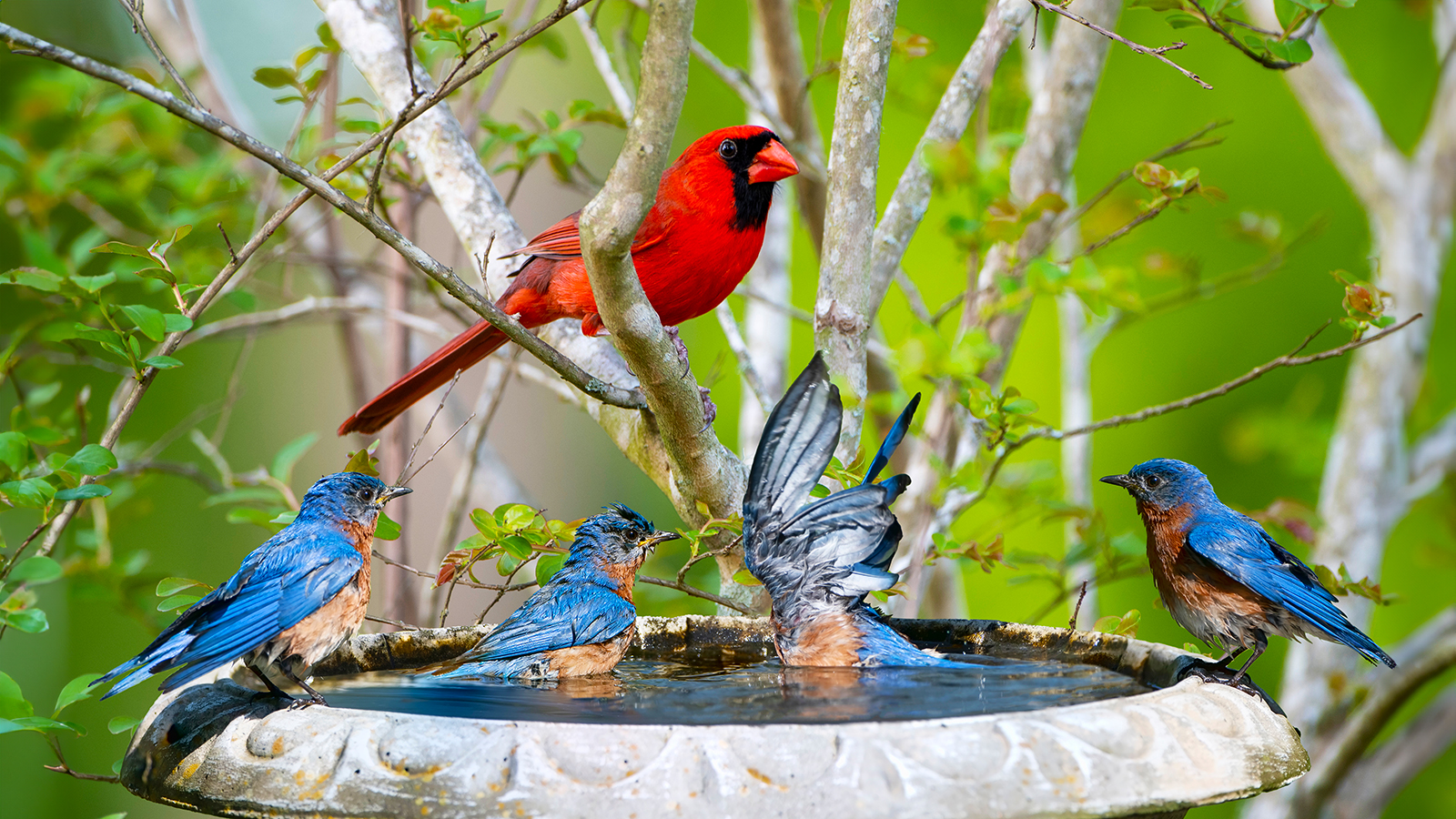
Do you love watching birds flutter around your garden? Imagine filling your outdoor space with colorful, happy birds every day.
But attracting them is just the first step—you also want to keep them safe and healthy while they visit. You’ll discover simple, proven ways to bring birds close to you and protect them at the same time. Ready to turn your yard into a bird paradise?
Keep reading, because these tips will make all the difference.

Credit: lawnlove.com
Choose The Right Plants
Choosing the right plants helps attract birds to your garden. Plants provide food and shelter for them.
Selecting native and fruit-bearing plants supports local bird species and keeps them safe.
Native Plants For Birds
Native plants are best for birds. They offer familiar food and safe habitats. Birds rely on these plants for insects, seeds, and shelter.
- Choose plants that grow naturally in your area.
- Include a mix of trees, shrubs, and flowers.
- Avoid invasive plants that harm local ecosystems.
- Plant dense bushes for nesting and hiding.
Seasonal Flowering Options
Seasonal flowers provide nectar and attract insects. These food sources bring different bird species at different times of the year.
| Season | Flowering Plants | Benefits for Birds |
| Spring | Bluebells, Wild Geranium | Support nesting and insect food |
| Summer | Coneflowers, Bee Balm | Supply nectar and attract pollinators |
| Fall | Asters, Goldenrod | Provide seeds and late nectar |
| Winter | Winterberry, Witch Hazel | Offer berries and shelter |
Fruit-bearing Trees And Shrubs
Fruit-bearing plants give birds important food. Many birds eat berries, seeds, and small fruits during migration and winter.
- Plant crabapple trees for small fruits.
- Choose elderberry and serviceberry shrubs.
- Include holly bushes for winter berries.
- Keep fruit plants free from pesticides.

Credit: www.allaboutbirds.org
Set Up Bird Feeders
Bird feeders bring colorful birds close to your home. Setting them up right helps birds stay safe and healthy. This guide covers types of feeders, best foods, and where to place them.
Proper feeder setup attracts more birds and protects them from harm. Learn how to choose feeders, feed birds well, and place feeders wisely.
Types Of Feeders
Different feeders suit different bird species. Each type holds food in a unique way to attract certain birds.
- Tube Feeders:Clear tubes with small holes for seeds. Great for finches and small birds.
- Platform Feeders:Flat trays that hold various seeds and fruits. Attracts many bird types.
- Hopper Feeders:Box-like feeders that hold large seed amounts. Good for cardinals and grosbeaks.
- Nectar Feeders:Designed for hummingbirds. Hold sugar water safely.
- Suet Feeders:Mesh cages for suet blocks. Ideal for woodpeckers and nuthatches.
Best Bird Food Choices
| Food Type | Birds Attracted |
| Black Oil Sunflower Seeds | Most songbirds, cardinals, chickadees |
| Nyjer (Thistle) Seeds | Finches, siskins, redpolls |
| Suet Cakes | Woodpeckers, nuthatches, wrens |
| Peanuts (Shelled or Whole) | Jays, woodpeckers, titmice |
| Fruit (Apples, Berries) | Thrushes, orioles, waxwings |
| Nectar (Sugar Water Mix) | Hummingbirds, orioles |
Feeder Placement Tips
Place feeders where birds feel safe and can spot predators easily. Proper spots also keep food clean and dry.
- Set feeders 5–6 feet from windows to reduce collisions.
- Place feeders near shrubs or trees for quick shelter.
- Keep feeders at least 10 feet apart to limit bird fights.
- Avoid placing feeders near areas with many cats.
- Choose shaded spots to keep seed fresh longer.
Create Water Sources
Birds need water to drink and bathe. Providing water sources helps attract them to your yard. It also keeps them safe and healthy.
Simple water features like birdbaths or fountains can make a big difference. Clean, fresh water is important for birds to thrive.
Birdbaths And Fountains
Birdbaths and fountains offer birds a place to drink and bathe. Choose shallow designs with gentle slopes. Place them where birds feel safe and can watch for predators.
- Use wide, shallow basins about 2 inches deep
- Place baths near shrubs or trees for quick cover
- Use fountains to keep water moving and fresh
- Avoid baths with steep sides that birds cannot grip
Maintaining Clean Water
Clean water helps prevent disease in birds. Dirty water can harm them or keep them away. Regular cleaning is essential.
| Task | Frequency |
| Empty and refill water | Every 2 days |
| Scrub birdbath to remove algae | Weekly |
| Remove leaves and debris | Daily |
| Check water level | Daily |
Attracting Birds With Water
Water attracts more birds if it meets their needs. Some birds like moving water, while others prefer calm pools.
Try these tips to attract more birds:
- Place a small fountain or dripper to create noise
- Keep water shallow and easy to access
- Offer water near natural plants and cover
- Ensure water sources are visible from a distance
Build Safe Shelter
Birds need safe places to rest and raise their young. Building shelters helps protect them from weather and danger.
Providing good shelter encourages birds to visit and stay in your garden or yard.
Nest Boxes And Birdhouses
Nest boxes and birdhouses offer birds a cozy place to nest. Use untreated wood and avoid sharp edges.
Place them away from busy areas and direct sunlight to keep birds comfortable and safe.
Natural Shelter Options
- Plant dense shrubs or bushes for cover
- Keep dead trees or logs for nesting spots
- Grow native plants that provide food and shelter
- Create brush piles with twigs and leaves
Natural shelters help birds hide from predators and find food easily.
Protecting From Predators
| Predator | Protection Tip |
|---|---|
| Cats | Place houses high or use metal guards on poles |
| Squirrels | Use smooth metal around nest boxes to stop climbing |
| Snakes | Keep ground clear and avoid low nests |
Check shelters often to make sure they stay safe and clean for birds.
Avoid Common Dangers
Attracting birds to your yard is a joy. Keeping them safe is just as important. Many dangers can harm birds if you do not take care.
This guide covers three key ways to protect birds from common risks. Learn how to keep cats away, stop window collisions, and use pesticides safely.
Keeping Cats Away
Cats are natural hunters and can threaten birds near feeders or nests. You can reduce this danger with simple steps.
- Place bird feeders and baths high or on poles with baffles.
- Use cat-proof fencing or barriers around bird areas.
- Keep cats indoors or supervise them outside.
- Provide hiding spots like shrubs for birds to escape.
- Avoid feeding stray cats near bird habitats.
Preventing Window Collisions
Birds often fly into windows because they see reflections of sky or trees. This can cause serious injury or death.
| Method | Description |
|---|---|
| Use Window Decals | Place decals on the outside to break reflections. |
| Install Screens | Screens soften impact and reduce reflections. |
| Close Curtains | Keep curtains or blinds partly closed during the day. |
| Move Feeders | Place feeders closer than 3 feet or farther than 30 feet from windows. |
Safe Use Of Pesticides
Pesticides can poison birds directly or reduce their food supply. Use these tips to protect birds and the environment.
- Choose bird-safe or natural pest controls.
- Apply pesticides in the early morning or late evening.
- Keep pesticides away from bird feeders and water sources.
- Follow label instructions carefully.
- Plant native flowers and plants to attract beneficial insects.
Provide Nesting Materials
Giving birds the right nesting materials helps them build strong, safe homes. These materials need to be clean and natural.
Knowing what materials to offer and where to put them keeps birds coming back to your yard.
Types Of Materials Birds Need
Birds use many things to build nests. Soft, dry, and natural items work best.
- Twigs and small sticks for structure
- Dry grass and leaves for lining
- Animal fur or feathers for warmth
- Strips of bark or coconut fiber for softness
- Cotton or yarn only if it is natural and loose
Where To Place Materials
Place materials where birds can easily find them but stay safe from predators.
- Hang small bundles in trees or bushes
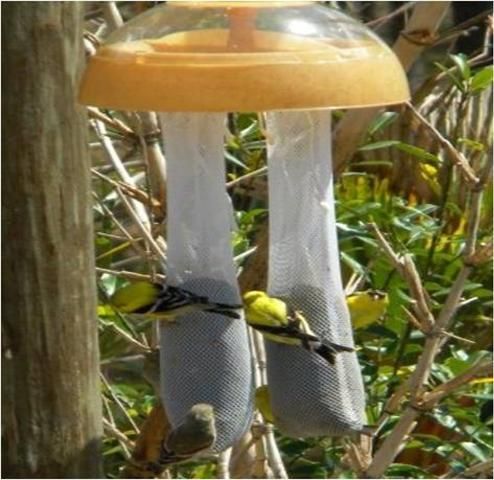
- Use mesh bags or suet cages to hold materials
- Keep materials off the ground to avoid pests
- Near existing bird feeders or birdhouses is ideal
- Make sure areas are quiet and sheltered
When To Offer Materials
Timing helps birds prepare their nests at the right moment.
| Season | Reason |
| Early Spring | Birds start building nests |
| Late Winter | Some species begin early |
| Summer | Offer materials for second broods |
Encourage Bird-friendly Habits
Attracting birds to your yard is a joy for many people. It also helps local wildlife thrive. Creating a safe space for birds encourages them to visit often.
Simple habits can make a big difference in keeping birds safe. Learning about feeding, minimizing noise, and watching from a distance helps protect them.
Regular Feeding Schedule
Birds need consistent food sources. Feeding them at the same time daily builds trust. This helps birds rely on your yard for nourishment.
Try to clean feeders often to prevent disease. Use fresh food and avoid moldy seeds. A clean feeder keeps birds healthy.
- Feed birds once or twice daily
- Keep feeding times consistent
- Clean feeders every few days
- Use fresh, high-quality bird food
Minimizing Disturbances
Birds get scared by loud noises and sudden movements. Keep your yard calm and quiet to help birds feel safe. Avoid loud tools near feeders.
Pets can also disturb birds. Keep cats and dogs away from feeding areas. This reduces stress and risk for the birds.
- Keep noise levels low near bird areas
- Limit sudden movements around feeders
- Keep pets away from bird feeding spots
- Place feeders in quiet, sheltered locations
Observing Without Interfering
Watching birds is fun but do not get too close. Stay quiet and watch from a distance. This helps birds stay calm and safe.
Do not touch nests or young birds. Let nature take its course. Interfering can harm birds and stop them from returning.
- Observe birds quietly and from afar
- Do not touch nests or eggs
- Avoid chasing or grabbing birds
- Use binoculars for a closer look
Credit: edis.ifas.ufl.edu
Frequently Asked Questions
How Can I Attract Birds To My Backyard Safely?
To attract birds safely, provide fresh water, bird feeders, and native plants. Avoid pesticides and place feeders where cats can't reach. This creates a welcoming, secure environment for birds to visit and thrive.
What Foods Are Best For Feeding Wild Birds?
Offer seeds like sunflower, millet, and nyjer, plus suet and fruits. Avoid bread and processed foods, which harm birds. Providing a variety helps attract different species and supports their health.
How Do I Keep Birds Safe From Predators?
Place feeders away from windows and dense shrubs where predators hide. Use baffles to deter climbing animals. Ensure birds have quick escape routes and safe resting places nearby.
Why Is Water Important For Attracting Birds?
Birds need water for drinking and bathing to stay healthy. Providing a shallow, clean birdbath attracts more birds and helps them maintain their feathers.
Conclusion
Creating a bird-friendly environment requires care and attention. Safe spaces attract birds. Provide fresh water daily. Choose native plants for natural shelter and food. Avoid pesticides to protect their health. Use bird feeders and baths wisely. Keep them clean to prevent diseases.
Cats and dogs should stay inside or be supervised. Encourage a peaceful garden atmosphere. Listen to the birds sing. Watch them thrive in your garden. Enjoy their beauty and presence. Protecting these creatures benefits nature. They bring joy and life to your surroundings.
Your efforts create a safe haven for our feathered friends.


