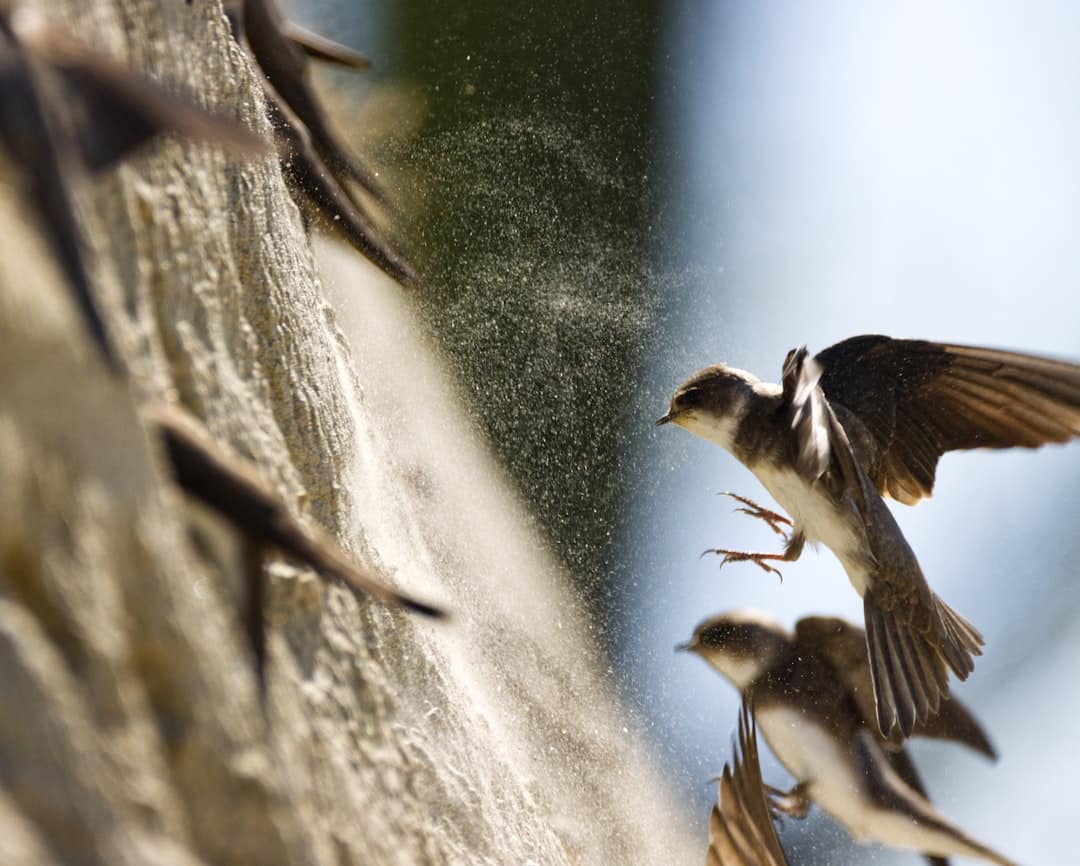
Have you ever wanted to witness the incredible journey of migrating birds up close? Imagine your backyard becoming a vibrant stopover filled with colorful feathers and cheerful songs.
Attracting birds during migration isn’t just about putting out food—it’s about creating a welcoming space that meets their needs. You’ll discover simple, effective ways to turn your outdoor space into a bird magnet during these amazing seasonal events. Ready to bring nature’s travelers right to your window?
Let’s dive in and make your yard a bird-friendly haven.
Best Plants For Migrating Birds
Many birds travel long distances during migration. They need places to rest and find food. Planting the right plants helps birds feel safe and nourished.
Choosing native plants supports local wildlife. These plants offer familiar food and shelter for birds on their journey.
Native Flowers And Trees
Native flowers and trees provide nectar, seeds, and insects. These plants attract many types of migrating birds. Examples include coneflowers, milkweed, oak trees, and maples.
- Coneflowers attract hummingbirds and butterflies.
- Milkweed offers nectar and supports caterpillars.
- Oak trees provide acorns, a food source for many birds.
- Maple trees offer seeds that some birds eat.
Berry-producing Shrubs
Berries give birds energy during long flights. Shrubs with berries are excellent stops for food and shelter. Examples are elderberry, dogwood, and serviceberry.
| Shrub | Berry Color | Birds Attracted |
| Elderberry | Dark purple | Thrushes, Robins |
| Dogwood | Red | Waxwings, Cardinals |
| Serviceberry | Blue | Bluebirds, Grosbeaks |
Seasonal Blooming Plants
Plants that bloom in different seasons offer food across migration times. They provide nectar and seeds when birds need them most.
- Spring: Redbud, Wild Geranium
- Summer: Black-eyed Susan, Bee Balm
- Fall: Asters, Goldenrod
Creating Bird-friendly Habitats
Birds need safe places to rest and find food during migration. You can help by creating habitats that attract them.
Good habitats provide water, shelter, and protection from danger. This guide explains how to do that in your yard.
Providing Water Sources
Water is very important for migrating birds. They need fresh water to drink and bathe.
Offer shallow dishes or birdbaths with clean water. Change the water often to keep it fresh.
- Place water near plants for cover
- Keep water shallow, about 1 to 2 inches deep
- Use a dripper or small fountain to attract birds
- Clean water containers regularly to prevent disease
Safe Shelter Options
Birds need safe places to rest and hide during migration. Trees and shrubs offer good shelter.
Plant native bushes and tall grasses to give birds protection from weather and predators.
- Use dense shrubs for small birds
- Leave dead trees standing for nesting
- Add birdhouses for cavity-nesting species
- Keep natural leaf litter for insects and ground cover
Avoiding Predators
Predators can scare birds away from your yard. You can reduce this risk by making it safer.
Keep cats indoors and clear places where snakes or other animals hide. Avoid using harmful chemicals.
- Place feeders and baths away from places predators hide
- Use thorny plants near bird areas to block predators
- Remove brush piles that attract snakes or rodents
- Supervise pets when outside near bird habitats
Feeding Strategies For Migrants
Birds need extra energy during migration. Providing food helps them rest and refuel.
Good feeding spots attract more birds. You can support many species with simple tips.
Choosing The Right Feeders
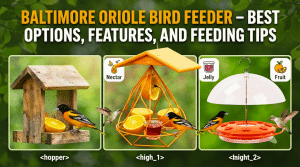
Use feeders that fit the birds you want to attract. Some birds prefer open trays, others like tubes.
Keep feeders clean to prevent diseases. Place them where birds feel safe from predators.
- Platform feeders work for larger birds and mixed groups
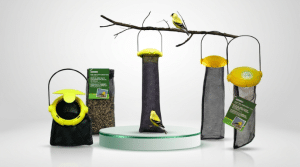
- Tube feeders attract small birds like finches and chickadees
- Hopper feeders hold more seed and attract many species
- Nectar feeders bring hummingbirds and orioles
Best Foods For Energy
High-energy foods help birds gain strength fast. Offer seeds, fruits, and suet to fuel their journey.
Choose natural foods that birds eat in the wild. Avoid bread and processed snacks.
- Black oil sunflower seeds – rich in fat and easy to eat
- Nyjer seeds – great for small birds like finches
- Suet cakes – provide lots of calories, especially in cold weather
- Fresh fruits – berries, apples, and grapes offer vitamins and sugars
- Mealworms – good protein source for insect-eating birds
Feeding Timing Tips
Feed birds early in the morning and late in the afternoon. These times match their feeding habits.
Keep food available during migration seasons. This helps birds stop and rest safely.
- Start feeding before migration begins in your area
- Keep feeders stocked during peak migration months
- Stop feeding gradually after migration ends to avoid dependence

Credit: www.youtube.com
Using Bird Calls And Sounds
Bird calls and sounds can help attract birds during migration. They respond to familiar calls, which can guide them to your area.
Using the right sounds at the right time can increase your chances of seeing more birds. It is important to use calls carefully.
Attracting Birds With Calls
Birds react to calls that sound natural and belong to their species or habitat. Playing calls can make birds curious and interested.
- Use recordings of local bird species
- Play soft, clear calls to avoid scaring birds
- Include a variety of calls like songs and contact sounds
- Match calls with the season and bird activity
Timing Sound Playbacks
Knowing when to play bird sounds is key. Birds are more active at certain times of day during migration.
| Time of Day | Bird Activity Level | Recommended Use |
| Early Morning | High | Play calls softly for best results |
| Midday | Low | Limit playback to avoid disturbance |
| Late Afternoon | Moderate | Use calls to attract birds resting |
Avoiding Disturbances
Playing sounds too loud or too often can scare birds away. It can also stress them during their long migration.
Follow these tips to avoid disturbing birds:
- Keep volume low and natural
- Limit playback sessions to 10-15 minutes
- Stop playing sounds if birds show signs of stress
- Use calls only in areas where bird watching is allowed
Monitoring And Recording Visits
Watching birds during migration helps us learn about their habits. Keeping track of their visits can improve your birdwatching experience.
Recording visits lets you notice patterns and changes over time. Simple tools and good habits make this easier.
Setting Up Observation Points
Choose quiet spots with a clear view of trees or water. Birds like places where they can rest and find food.
Set up your observation point near bird feeders or natural shelters. Stay still and avoid sudden movements to not scare birds away.
- Pick a spot with good lighting
- Use natural cover like bushes
- Keep the area clean and safe
- Visit regularly at the same time
Using Cameras And Binoculars
Binoculars help you see birds up close without disturbing them. Choose binoculars with good zoom and clear lenses.
A camera lets you capture photos to study later. Use a zoom lens and take pictures quietly to avoid scaring birds.
- Use binoculars with at least 8x zoom
- Keep cameras ready for quick shots
- Practice using equipment before bird visits
- Record the time and place of each photo
Keeping A Bird Journal
Write down what you see each day. Note bird types, numbers, and behaviors.
A journal helps you remember visits and track changes through migration seasons. Use simple notes or sketches.
- Record date, time, and weather
- List bird species and numbers
- Note any unusual bird actions
- Review your journal often to spot trends
Credit: www.gardeningknowhow.com
Common Mistakes To Avoid
Attracting birds during migration takes care and thought. Avoid mistakes that can harm birds or stop them from coming.
Knowing what not to do helps keep birds safe and happy in your yard.
Overfeeding And Dependency
Giving too much food can make birds rely on your feeders. This stops them from finding natural food sources.
Birds may lose their natural skills and struggle if food is not available later.
- Feed birds only during migration seasons
- Offer small amounts of food at a time
- Encourage natural foraging by planting native plants
Unsafe Feeding Practices
Unsafe feeders or dirty food can hurt birds. Moldy seeds or dirty water cause illness.
Use safe feeders and clean them often to keep birds healthy during migration.
- Choose feeders made for the birds in your area
- Clean feeders and water dishes weekly
- Remove old or wet food immediately
Ignoring Local Bird Species
Not knowing local bird species can lead to wrong food or feeder choices. This may scare away migrating birds.
Learn which birds visit your area. Provide food and shelter that suits them.
- Research local and migrating bird species
- Use native plants for shelter and food
- Choose seeds and feeders that attract local birds
Credit: magazine.outdoornebraska.gov
Frequently Asked Questions
How Can I Attract Migrating Birds To My Garden?
Plant native trees and shrubs that provide food and shelter. Use bird feeders with seeds and fresh water. Avoid pesticides and keep the area quiet during peak migration times.
What Food Do Migrating Birds Prefer?
Migrating birds favor high-energy foods like seeds, berries, and insects. Offer sunflower seeds, suet, and fruit to attract a variety of species during migration.
When Is The Best Time To Attract Migrating Birds?
Early morning and late afternoon are peak times. Spring and fall migration seasons offer the best chances to see many species passing through your area.
How Does Habitat Affect Bird Migration Attraction?
Birds seek safe resting spots with food and water. Create diverse habitats with native plants, water sources, and shelter to support their needs during migration.
Conclusion
Creating a bird-friendly haven is simple and rewarding. Use native plants. Provide fresh water sources. Offer diverse bird feeders. These steps support migrating birds. They find food, shelter, and rest. Your garden becomes a vital stopover. It’s a win for nature lovers and birds alike.
Enjoy watching these beautiful creatures. Feel the joy of helping them on their journey. With a little effort, your space becomes a bird magnet. Experience nature’s wonders right at home. Start today and make a difference. You’ll gain a deeper connection to nature.
A fulfilling and enriching experience awaits.