Do you ever wish your city space was filled with the cheerful songs and vibrant colors of birds? Attracting birds to your urban environment isn’t as hard as you might think.
With a few simple steps, you can create a little oasis that invites feathered friends right to your window or balcony. Imagine the joy of watching birds flutter around, bringing life and calm to your busy day. Keep reading, and you’ll discover easy, practical tips to turn your city spot into a bird magnet.
Your peaceful, lively retreat awaits!
Credit: www.gardeningknowhow.com
Choose The Right Plants
Choosing the right plants helps attract birds to your city garden. Birds look for food, shelter, and nesting spots.
Plants provide food like seeds, nectar, and berries. They also offer safe places for birds to rest.
Native Trees And Shrubs
Native trees and shrubs fit your local environment. Birds trust these plants for food and shelter.
Examples include oak, maple, and dogwood. They provide seeds, nuts, and places to build nests.
- Oak trees produce acorns for food
- Maple trees offer seeds and shelter
- Dogwood shrubs give berries and cover
Flowering Plants For Nectar
Flowering plants supply nectar that many birds enjoy. Hummingbirds and orioles like sweet nectar.
Plant flowers like bee balm, salvia, and trumpet vine. These plants attract nectar-feeding birds in cities.
- Bee balm has bright flowers full of nectar
- Salvia blooms attract hummingbirds
- Trumpet vine’s flowers draw orioles
Berry-producing Bushes
Berries are a tasty treat for many birds. They eat berries to get energy and nutrients.
Plant bushes like elderberry, serviceberry, and holly. These bushes provide berries through the year.
- Elderberry bushes have dark purple berries
- Serviceberry produces sweet, small fruits
- Holly bushes offer bright red berries
Set Up Bird Feeders
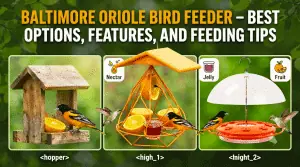
Bird feeders help city birds find food easily. You can attract many bird species by setting up feeders in your yard or balcony.
Choosing the right feeder and food, plus placing it well, makes a big difference in attracting birds.
Types Of Feeders
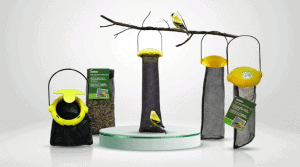
There are many feeders designed for different birds and seed types. Choose one that fits your space and the birds you want to attract.
- Tube Feeders: Good for small birds like finches and chickadees.
- Platform Feeders: Open trays that attract larger birds such as doves and cardinals.
- Squirrel-Proof Feeders: Designed to keep squirrels away from seeds.
- Suet Feeders: Hold suet cakes for woodpeckers and nuthatches.
- Hopper Feeders: Large capacity feeders that hold many seeds for various birds.
Best Bird Seeds
Different birds prefer different seeds. Using the right seeds helps attract more birds to your feeder.
| Seed Type | Attracts |
|---|---|
| Black Oil Sunflower | Cardinals, Chickadees, Finches, Nuthatches |
| Nyjer (Thistle) | Finches, Goldfinches, Pine Siskins |
| Millet | Ground-feeding birds like Sparrows and Doves |
| Safflower | Cardinals, Grosbeaks, Titmice |
| Peanuts (Shelled or Whole) | Woodpeckers, Jays, Chickadees |
Placement Tips
Where you place your bird feeder affects how many birds visit. Follow these tips to make your feeder easy and safe for birds.
- Place feeders near trees or shrubs for cover and perching spots.
- Keep feeders at least 10 feet from windows to prevent bird collisions.
- Choose a quiet spot away from heavy foot traffic and pets.
- Make sure feeders are easy to refill and clean regularly.
- Place feeders at different heights to attract various bird species.
Provide Water Sources
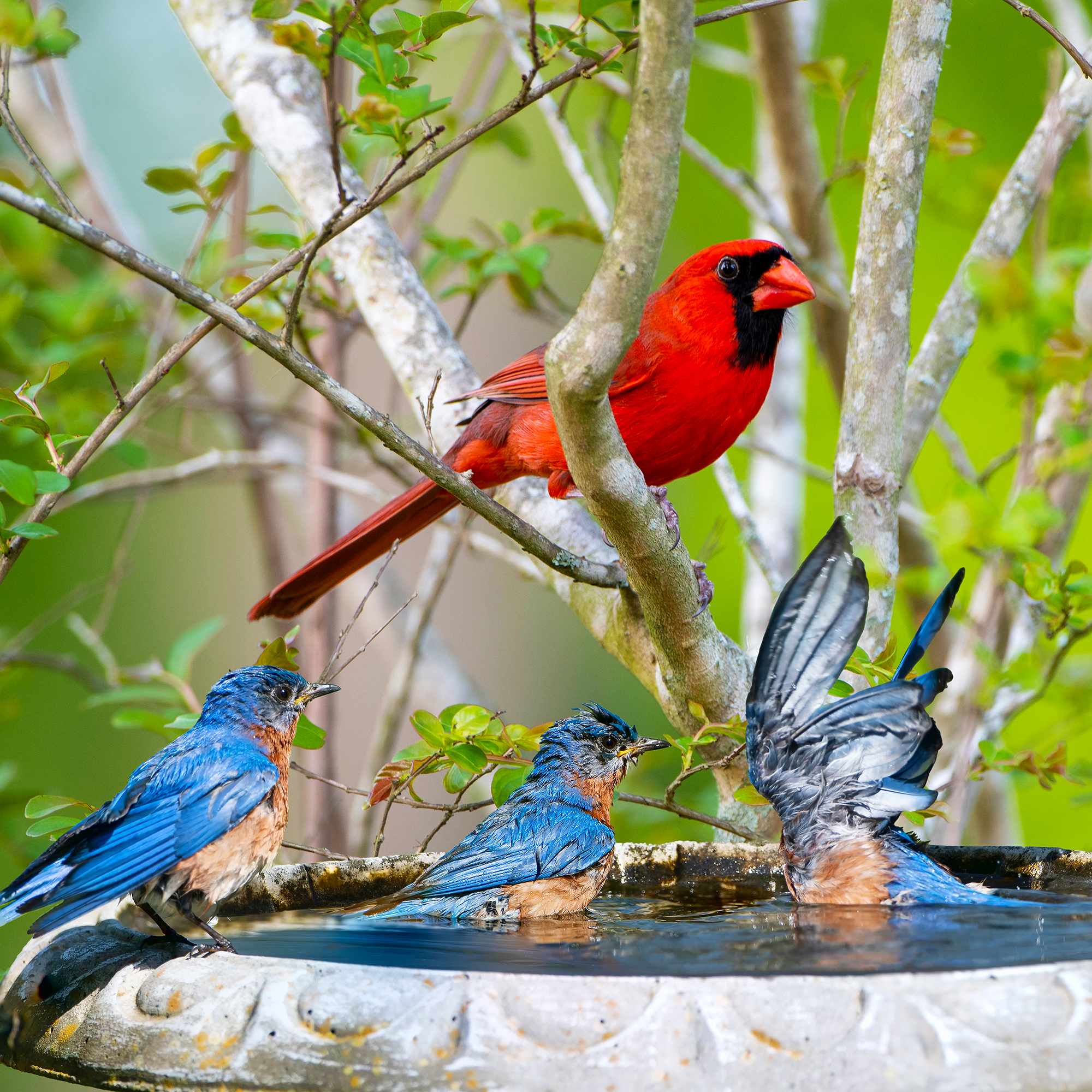
Birds need water for drinking and bathing. City environments often lack natural water sources. Adding water can help attract many bird species to your space.
Water sources also support birds during hot and dry weather. Providing fresh water encourages birds to visit and stay near your home.
Birdbaths And Fountains
Birdbaths are shallow basins filled with water. They offer birds a safe place to drink and bathe. Fountains add movement to the water, which attracts birds more.
Choose birdbaths with rough surfaces so birds can perch easily. Place fountains where birds can see and hear the water. Moving water helps keep it clean and fresh.
- Use shallow water, about 1 to 2 inches deep
- Place birdbaths in quiet, safe areas
- Keep fountains flowing gently to avoid scaring birds
Keeping Water Clean
Clean water is important to keep birds healthy. Dirty water can spread diseases and stop birds from returning. Change water often to keep it fresh.
Remove leaves, dirt, and algae from water containers. Use a brush to scrub birdbaths weekly. Avoid using soap or chemicals that can harm birds.
- Refill water daily or every two days
- Scrub birdbaths with a brush once a week
- Place water in sunlight to reduce algae growth
Water Features In Small Spaces
Small balconies or patios can still have water for birds. Use small containers or pots to create water spots. Even a shallow dish can attract birds.
Choose lightweight or portable water containers. Move water spots to different places to keep birds interested. Add small stones inside for birds to stand on.
- Use small bowls or plant saucers
- Add pebbles for bird perches
- Place water near plants for shade and safety

Credit: lawnlove.com
Create Shelter And Nesting Spots
Birds need safe places to rest and raise their young in the city. Creating shelter and nesting spots helps attract them to your area.
You can provide different types of homes and materials to make birds feel secure and comfortable.
Birdhouses For Different Species
Different birds prefer various birdhouse sizes and designs. Providing the right type increases the chances of them nesting.
- Small birds:Use birdhouses with entrance holes around 1 to 1.25 inches wide.
- Woodpeckers:Prefer deeper boxes with larger holes.
- Swallows:Like open-front or cup-shaped houses mounted under eaves.
- Owls:Need large boxes placed high in trees.
Natural Shelter Options
City birds use trees and shrubs for shelter. Planting native bushes and trees creates natural homes for birds.
| Type of Plant | Benefits for Birds |
| Evergreen Trees | Provide year-round cover and protection from weather |
| Flowering Shrubs | Offer food and nesting sites during spring and summer |
| Dense Bushes | Hide nests from predators |
Safe Nesting Materials
Birds use soft and natural materials to build nests. Providing these helps them create comfortable homes.
- Twigs and small sticks
- Dry grass and hay
- Feathers and soft moss
- Cotton fibers (avoid synthetic fabrics)
- Shredded bark or leaves
Minimize Hazards
Birds face many dangers in the city. Minimizing these hazards helps keep them safe.
Simple actions can protect birds from harm and make your space bird-friendly.
Avoiding Window Collisions
Birds often fly into windows because they see reflections or clear glass. This can cause serious injuries.
Use decals, screens, or blinds to make windows visible to birds. Place them close together to be effective.
- Apply bird-safe window stickers or tape
- Install external screens or netting
- Close curtains or blinds when possible
- Use frosted or patterned glass
Reducing Pesticide Use
Pesticides harm birds by poisoning their food and water. Avoid using chemicals in your garden.
Choose natural pest control methods like hand-picking bugs or planting insect-repelling plants.
- Use neem oil or insecticidal soap instead of harsh chemicals
- Grow plants that attract beneficial insects
- Encourage birds by providing safe food sources
Keeping Pets Safe
Cats and dogs can harm birds if they roam freely outside. Keep pets under control to protect wildlife.
Supervise pets outside and use leashes or fenced areas. This helps birds feel safe near your home.
- Keep cats indoors or in enclosed outdoor spaces
- Use leashes for dogs when outside
- Provide shelters for birds to hide

Credit: www.reddit.com
Use Bird Calls And Sounds
Bird calls and sounds can help attract birds in the city. Birds use sounds to communicate and find others.
Playing bird calls can make birds curious and invite them to your space. It mimics natural behavior.
Attracting Birds With Recordings
Use recordings of bird calls that are common in your area. This draws local birds to your yard or balcony.
Choose clear and natural sounds. Avoid loud or harsh noises that might scare birds away.
- Pick calls of birds you want to attract
- Use high-quality recordings for best effect
- Keep the volume at a natural level
Best Times To Play Calls
Play bird calls early in the morning or late afternoon. Birds are most active at these times.
Avoid playing calls at night or during bad weather. Birds may ignore sounds then.
- Morning: sunrise to 9 a.m.
- Afternoon: 4 p.m. to sunset
- Clear, calm weather is best
Observe And Record Bird Activity
Watching birds in the city helps you learn about their habits. Recording what you see can improve your birdwatching skills.
Tracking bird activity also helps you know which species visit your area most often. Use simple tools to keep notes and identify birds.
Keeping A Birdwatching Journal
A birdwatching journal lets you write down dates, times, and bird types. You can add notes about their behavior and weather conditions.
- Write the bird’s name or description
- Note the date and time of each sighting
- Describe the bird’s actions or sounds
- Record the location and weather
- Add sketches or photos if possible
Using Apps For Identification
Bird ID apps help you quickly find bird names and info. They often use photos, sounds, or location to suggest matches.
| App Feature | Purpose |
| Photo Upload | Identify birds by pictures |
| Bird Calls | Match bird sounds |
| Location Tracking | Find common birds near you |
| Field Guide | Learn about species details |
Frequently Asked Questions
How Can I Attract Birds In Urban Areas?
Provide native plants, fresh water, and bird feeders with varied seeds. Avoid pesticides and create safe nesting spots. These steps help birds find food, water, and shelter in cities.
What Types Of Bird Feeders Work Best In Cities?
Tube feeders and platform feeders attract diverse bird species. Use feeders that are easy to clean and refill. Place feeders near trees or shrubs for safety and comfort.
Which Plants Attract Birds In City Gardens?
Plant native flowering shrubs, fruit trees, and seed-producing plants. These provide natural food and shelter. Avoid invasive species that may harm local bird populations.
How Do I Keep City Birds Safe From Predators?
Place feeders and nests away from cats and high-traffic areas. Use protective baffles on poles and maintain clear visibility. This reduces the risk of attacks and stress for birds.
Conclusion
Creating a bird-friendly city space is rewarding and simple. Start small. Plant native trees and shrubs. These provide food and shelter. Add bird feeders and water sources. They attract birds quickly. Avoid using harmful pesticides. They can harm birds. Be patient and consistent with your efforts.
Birds will visit once they feel safe. Educate neighbors about your efforts. Community involvement enhances the environment. Enjoy the vibrant colors and sounds. Watching birds can be relaxing and fun. Transform your urban space into a bird paradise. Every small step makes a difference.
Nature thrives when we care.