If you love the sound of birds and the beauty they bring, you might wonder how to attract them to your coastal area. You’re in the right place.
Imagine stepping outside and seeing colorful birds visiting your garden or nearby trees every day. It’s easier than you think. By making simple changes, you can create a welcoming space that draws these amazing creatures to you. Keep reading to discover easy and effective tips that will turn your coastal spot into a bird’s favorite hangout.
Your connection with nature is about to get stronger!
Credit: app.mybirdbuddy.com
Choosing The Right Plants
Attracting birds to coastal areas starts with picking the best plants. The right plants provide food and shelter for birds.
Coastal environments need special plants that can handle salty air and sandy soil. Choosing these plants helps birds thrive.
Native Coastal Flora
Native plants grow well in coastal climates and support local bird species. They are adapted to salty winds and poor soil.
Using native coastal plants keeps the ecosystem balanced. Birds rely on these plants for food and nesting spots.
- Beachgrass (Ammophila spp.) stabilizes sand and offers cover
- Saltbush (Atriplex spp.) provides seeds and shelter
- Seaside goldenrod (Solidago sempervirens) attracts insects for birds to eat
Flowering And Fruiting Plants
Flowers and fruits supply food for many birds. Choose plants that bloom and fruit at different times of the year.
Bright flowers attract pollinators, which are food for birds. Fruits offer energy and nutrients for migrating birds.
- Beach plum (Prunus maritima) produces edible fruits
- Coastal honeysuckle (Lonicera sempervirens) offers nectar and berries
- Wax myrtle (Morella cerifera) has berries that many birds eat
Seasonal Planting Tips
Planting at the right time helps plants grow strong and provide food year-round. Different plants bloom in different seasons.
Spring and fall are good times to plant most coastal species. This gives plants time to establish before summer heat or winter cold.
- Plant native grasses and shrubs in early spring
- Choose flowering plants that bloom in summer and fall
- Add fruiting plants before fall to feed migrating birds
- Water young plants regularly until they grow strong
Creating Bird-friendly Water Sources
Birds need clean water for drinking and bathing. Coastal areas can be tough places for birds to find fresh water. You can help by creating safe water spots in your yard.
Setting up water sources attracts many bird species. This guide shows easy ways to offer water that birds will love.
Setting Up Birdbaths
Place birdbaths where birds feel safe. Use shallow dishes or bowls with water no deeper than two inches. Add small stones for birds to perch on.
- Choose a stable, flat surface for the birdbath
- Keep the water shallow and clean
- Place the birdbath near bushes or trees for shelter
- Avoid slippery surfaces to prevent accidents
Maintaining Fresh Water
Fresh water helps keep birds healthy. Change water daily to stop bacteria and algae growth. Clean birdbaths with mild soap and rinse well.
| Task | Frequency |
| Refill water | Every day |
| Clean birdbath | Once a week |
| Remove debris | Daily |
| Check for algae | Weekly |
Using Natural Water Features
Natural water sources like ponds and streams attract birds. You can enhance these by adding rocks or logs near the water edge. This helps birds perch and drink safely.
Tips for natural water features:
- Keep water edges shallow for easy access
- Plant native vegetation nearby for cover
- Avoid using chemicals that harm wildlife
- Ensure water flows slowly to prevent stagnation
Providing Suitable Shelter
Birds in coastal areas need safe places to rest and raise their young. Providing proper shelter helps them survive and thrive.
Shelter protects birds from strong winds, rain, and predators. It also gives them a quiet place to build nests.
Building Birdhouses
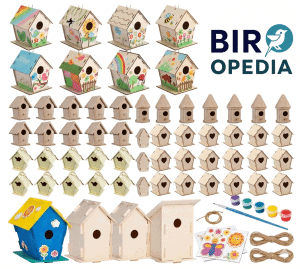
Birdhouses offer birds a secure place to nest and sleep. Build them with durable materials that resist coastal weather.
Place birdhouses in quiet spots away from heavy winds. Make sure the entrance hole fits the local bird species.
- Use untreated wood for safe nesting
- Keep the birdhouse elevated from the ground
- Include ventilation holes to avoid overheating
- Clean birdhouses regularly to prevent disease
Planting Shrubs And Trees
Shrubs and trees give birds natural cover from predators and weather. They also provide food and nesting spots.
Choose native coastal plants that grow well in salty air and sandy soil. Dense plants offer the best protection.
- Plant evergreen shrubs for year-round shelter
- Use thorny bushes to deter predators
- Include fruiting trees for food
- Group plants close together for better cover
Using Natural Nesting Materials
Birds use soft and flexible materials to build nests. Offer natural items to help them create strong homes.
Place materials near shelter areas so birds can find them easily. Avoid synthetic or harmful items.
- Dry grass and straw
- Small twigs and sticks
- Feathers and soft moss
- Seaweed and dried leaves

Credit: uk.news.yahoo.com
Offering Food Sources
Birds in coastal areas need food to stay healthy and active. Providing food helps attract many types of birds to your space.
Offering food sources that suit coastal birds can make your yard a popular spot for birdwatching.
Choosing The Right Bird Feeders
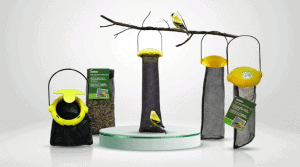
Pick bird feeders that fit the types of birds you want to attract. Coastal birds often prefer feeders that protect food from wind and salt spray.
Use feeders that are easy to clean and refill. This keeps the food fresh and safe for the birds.
- Tube feeders for small seed-eating birds
- Platform feeders for larger birds
- Suet feeders for insect-eating species
- Hopper feeders to hold more food and protect it
Selecting Seeds And Feed
Choose seeds that coastal birds like to eat. Different birds prefer different seeds, so offer a mix to attract many species.
Use fresh and clean seeds. Avoid seeds that are moldy or old because they can harm birds.
- Black oil sunflower seeds attract many small birds
- Safflower seeds are good for cardinals and doves
- Nyjer seed is ideal for finches
- Milo and cracked corn attract ground-feeding birds
Supplementing With Natural Foods
Natural foods like berries and insects help feed coastal birds. Plant native shrubs and flowers to provide these foods.
Offer fresh fruits and nuts on platform feeders to attract fruit-eating birds. This adds variety to their diet.
- Plant berry-producing bushes like elderberry or dogwood
- Leave leaf litter for insects and worms
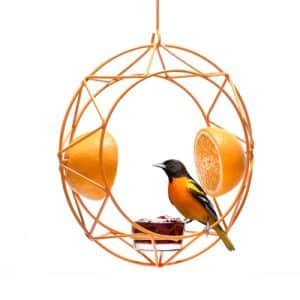
- Place fresh apple or orange slices on feeders
- Scatter crushed nuts for added nutrition
Minimizing Disturbances
Birds in coastal areas are sensitive to changes in their surroundings. Minimizing disturbances helps them feel safe and stay longer.
Small actions can reduce stress for birds. This encourages them to visit and nest in coastal habitats.
Reducing Noise Pollution
Loud sounds can scare birds away. Keep noise levels low near coastal bird habitats.
Avoid using loud machines or playing music near bird areas. Use quiet tools for maintenance.
- Turn off engines when not in use
- Speak softly near bird nesting spots
- Use natural barriers to block noise
Limiting Pet Access
Pets can chase or harm birds. Keep dogs and cats away from bird zones to protect them.
Use fences or signs to limit pet entry. Train pets to stay on paths and away from nesting sites.
- Leash dogs near bird habitats
- Build pet-free zones near nests
- Educate pet owners about bird safety
Creating Safe Zones
Safe zones offer birds a quiet place to rest and breed. Mark these areas clearly to avoid disturbance.
Plant native vegetation and avoid heavy foot traffic in safe zones. This helps birds feel secure.
- Set up signs to warn visitors
- Use natural plants for shelter
- Keep areas clean and free of trash
Monitoring And Maintaining The Habitat
Attracting birds in coastal areas needs careful monitoring and habitat care. A healthy space helps birds stay safe and find food.
Checking the habitat often ensures it meets birds’ needs. This keeps bird populations strong and active.
Regular Cleaning Practices
Cleaning the habitat stops harmful waste from building up. Remove trash and old food to keep birds healthy.
Clear away debris like fallen branches and dead plants. This helps prevent pests and makes space for new growth.
- Pick up litter daily or weekly
- Remove leftover bird food after feeding times
- Clear stagnant water to avoid mosquito breeding
- Trim overgrown plants to keep paths open
Observing Bird Behavior
Watch how birds use the habitat. Notice their feeding, nesting, and resting habits.
Record which areas they prefer and what times they visit. This helps improve the environment for them.
- Note bird species and numbers
- Track changes in bird visits over time
- Identify plants or features they use most
- Look for signs of stress or illness
Adjusting Strategies Seasonally
Bird needs change with the seasons. Change your habitat care to match these shifts.
Provide extra food in winter and fresh water in summer. Adjust plant care to support nesting in spring.
- Add shelter spots before cold months
- Plant native flowers that bloom in each season
- Clear snow or ice to keep water accessible
- Reduce disturbances during breeding seasons
Credit: uncpress.org
Frequently Asked Questions
How Can I Attract More Birds In Coastal Areas?
Provide native plants, fresh water, and safe nesting spots. Use bird feeders with coastal bird-friendly seeds. Avoid pesticides and keep cats indoors to protect birds.
What Types Of Plants Attract Coastal Birds?
Use salt-tolerant native plants like beach grass, sea oats, and coastal shrubs. These provide food, shelter, and nesting materials for birds.
Which Bird Feeders Work Best Near The Coast?
Platform feeders and tube feeders with mixed seeds attract diverse coastal birds. Avoid metal feeders that rust quickly from salt air.
How Does Water Availability Impact Coastal Bird Attraction?
Fresh water sources like birdbaths or small ponds are essential. Birds need water for drinking and bathing, especially in salty coastal environments.
Conclusion
Attracting birds in coastal areas can be simple. Use native plants. They offer food and shelter. Add bird feeders with seeds. Water features invite birds to drink. Avoid pesticides; they harm birds. Create safe spaces away from predators. Patience is key; birds need time.
Enjoy watching them thrive. Their songs and colors will delight you. Share your joy with others. Inspire neighbors to join your effort. Together, create a bird-friendly community. Celebrate nature’s beauty right in your backyard. Happy birdwatching!