Do you want to bring more life and color to your forest space? Imagine hearing the cheerful songs of birds every day and watching them flutter around your trees.
Attracting birds to your forest isn’t just about adding beauty—it helps create a balanced and healthy environment. In this guide, you’ll discover simple, effective ways to invite these feathered friends to your area. Keep reading, and you’ll learn how to turn your forest into a lively haven that birds can’t resist.
Choose The Right Location
Attracting birds in the forest starts with picking the right spot. Birds need places that offer food, safety, and water. A good location helps you see more birds and keeps them coming back.
Choosing the best place means knowing where birds like to stay. Look for areas with natural cover and nearby water. These spots make birds feel safe and welcome.
Identify Bird-friendly Spots
Birds prefer places with plenty of trees, shrubs, and plants. These provide food like seeds and insects. Birds also use plants to hide from predators and bad weather.
- Look for areas with dense vegetation
- Choose spots with fruit or seed-producing plants
- Avoid places with too much noise or human activity
- Find places with a mix of tall trees and low bushes
Consider Shelter And Water Sources
Shelter and water are key for birds to stay healthy. Trees and thick bushes protect birds from wind and predators. Water sources help birds drink and bathe.
| Shelter Type | Benefits |
| Evergreen Trees | Year-round cover from weather |
| Thick Shrubs | Safe nesting and hiding spots |
| Natural Water Sources | Drinking and bathing |
| Small Ponds or Streams | Attracts more bird species |
Select Suitable Feeders
Choosing the right bird feeders helps attract more birds to the forest. Different feeders suit different bird types and weather conditions.
Using feeders that fit the birds’ needs makes your feeding spot popular and safe.
Types Of Bird Feeders
Feeders come in many shapes and sizes. Pick one based on the birds you want to attract.
- Tube Feeders:Long and narrow tubes with small holes. Good for small birds like finches.
- Platform Feeders:Flat trays that hold lots of seeds. Attracts bigger birds and ground feeders.
- Sock Feeders:Made of mesh, hold seeds or suet. Good for woodpeckers and nuthatches.
- Hopper Feeders:Box-shaped feeders that hold large amounts of seed. Great for many bird types.
- Suction Cup Feeders:Attach to windows for close viewing. Best for small birds like chickadees.
Placement Tips For Feeders
Where you place feeders affects how many birds visit. Pick safe and visible spots in the forest.
Keep feeders away from places where predators can hide or where food can get wet.
- Place feeders near trees or bushes to give birds quick cover.
- Mount feeders 5 to 6 feet above the ground for easy bird access.
- Keep feeders 10 feet away from windows to avoid bird collisions.
- Clean feeders regularly to prevent disease.
- Move feeders occasionally to stop pests from building nests nearby.
Use Appropriate Bird Food
Feeding birds in the forest needs care. Using the right food helps birds stay healthy.
Choose foods that match the natural diet of forest birds. Avoid foods that can harm them.
Popular Seeds And Fruits
Many forest birds enjoy seeds and fruits. These foods give them energy and nutrients.
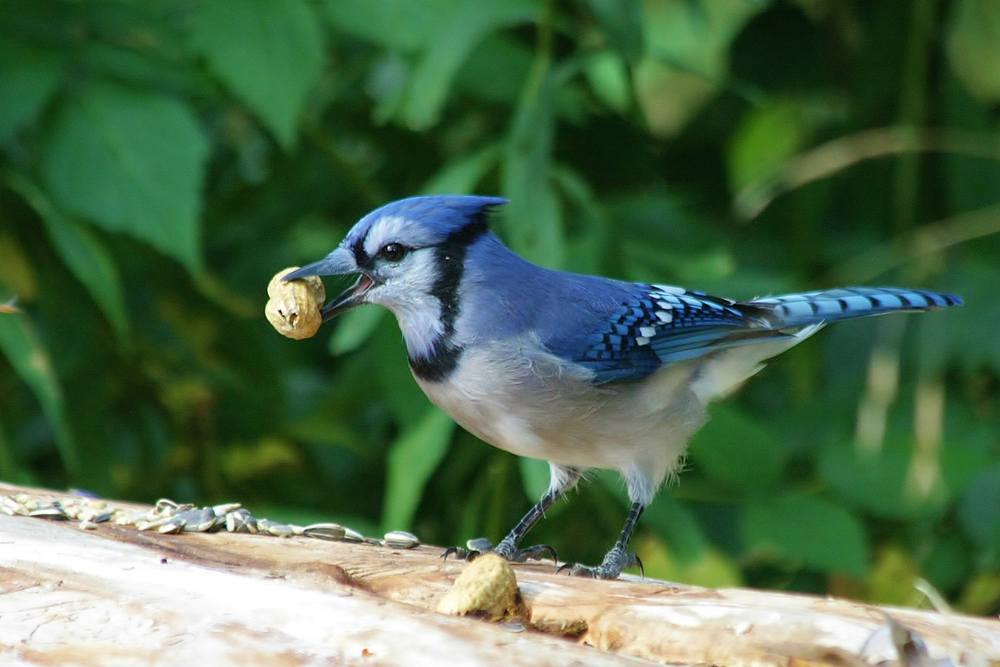
- Sunflower seeds are loved by many birds. They are high in fat and easy to eat.
- Millet is a small seed that attracts sparrows and finches.
- Black oil sunflower seeds have thin shells, perfect for small birds.
- Apples and berries provide vitamins and moisture.
- Chopped grapes are good for fruit-eating birds like thrushes and tanagers.
Avoid Harmful Foods
Some foods can make birds sick. Avoid feeding these to forest birds.
| Food | Reason to Avoid |
|---|---|
| Bread | Low nutrition and can cause health problems |
| Salty snacks | Can dehydrate and harm birds |
| Chocolate | Toxic to birds |
| Avocado | Contains toxins harmful to birds |
| Moldy or spoiled food | Can cause illness |

Credit: www.birdsandblooms.com
Create A Natural Habitat
Creating a natural habitat helps attract birds in the forest. Birds look for places with food, shelter, and nesting spots. You can make your area bird-friendly by planting native plants and providing materials for nests.
Native plants support local wildlife better than non-native ones. Birds can find insects and seeds easily in native trees and shrubs. Providing nesting materials also makes your space more inviting.
Plant Native Trees And Shrubs
Choose trees and shrubs that naturally grow in your forest area. Native plants give birds food such as berries and seeds. They also offer shelter from weather and predators. Some common native plants include oak, dogwood, and serviceberry.
- Plant a variety of native trees and shrubs
- Include berry-producing plants for food
- Space plants to allow movement and cover
- Avoid invasive species that harm local plants
Provide Nesting Materials
Birds need soft and safe materials to build their nests. You can supply materials that are easy to gather. Natural fibers, dry grass, and small twigs work well. Avoid using plastic or synthetic items as they can harm birds.
| Nesting Material | Why It Helps |
|---|---|
| Dry Grass | Soft and easy to weave |
| Small Twigs | Provide structure and support |
| Feathers | Keep nests warm |
| Bark Strips | Water-resistant and strong |
Maintain Cleanliness
Keeping your bird feeding area clean helps attract more birds to the forest. Clean spaces prevent dirt and germs that scare birds away.
Birds visit places that are safe and healthy. Cleanliness is key to keeping birds happy and coming back.
Regular Feeder Cleaning
Clean bird feeders often to remove old food and dirt. This stops mold and bacteria from growing on the feeders.
Use warm water and mild soap to wash feeders. Rinse well to remove soap before putting feeders back outside.
- Clean feeders every two weeks or more
- Remove wet or moldy seeds daily
- Use a brush to scrub all parts of the feeder
- Dry feeders completely before refilling
Preventing Disease Spread
Diseases can spread quickly if feeders are dirty. Keeping feeders clean lowers the chance of birds getting sick.
Also, clean the area under feeders to remove droppings and leftover seeds. This helps stop germs from building up.
- Pick up fallen seeds daily
- Disinfect feeders monthly with a safe solution
- Wear gloves while cleaning to protect yourself
- Keep multiple feeders to reduce crowding
Incorporate Water Features
Adding water features helps attract birds in the forest. Birds need water for drinking and bathing.
Water also cools the area and creates a peaceful environment for birds to visit.
Birdbaths And Ponds
Birdbaths offer shallow water where birds can drink and clean themselves. Choose a birdbath with a rough surface.
Ponds provide a larger water source and attract more bird species. Make sure ponds have gentle edges for easy access.
- Place birdbaths in open areas for safety
- Use natural materials for ponds
- Keep birdbaths shallow, about 2 inches deep
- Add rocks or sticks for birds to perch on
- Plant native plants around ponds to provide shelter
Keeping Water Fresh
Clean water is important to keep birds healthy. Change the water in birdbaths every two days.
Remove leaves and debris to stop algae growth. Use a small pump in ponds to keep water moving.
- Refill water daily in hot weather
- Scrub birdbaths weekly with mild soap
- Check ponds for stagnant spots
- Use natural enzymes to control algae
- Keep water sources free from chemicals
Minimize Disturbances
Birds are very sensitive to their surroundings. To attract birds in a forest, keep the area calm and quiet. This helps birds feel safe and comfortable.
Minimizing disturbances means reducing loud sounds, sudden movements, and threats from predators. These actions make the forest a peaceful place for birds to visit.
Limit Noise And Movement
Loud noises scare birds away quickly. Avoid shouting, playing music, or using noisy tools near bird habitats. Keep your movements slow and gentle.
Try to stay still when you see birds. Fast or sudden moves can make birds fly away. Use quiet shoes to walk softly on forest paths.
- Speak in low voices
- Walk slowly and quietly
- Avoid using loud machines
- Stay downwind to reduce your scent
Protecting From Predators
Birds need safe places to rest and feed. Protect these spots from animals that might harm them. Keep pets and large animals away from bird areas.
Use natural barriers like bushes or trees to hide bird feeders and nests. These barriers help birds feel hidden and safe from danger.
- Keep cats and dogs away
- Place feeders near dense plants
- Do not leave food scraps on the ground
- Check nests for signs of predators

Credit: www.allaboutbirds.org
Use Bird Calls And Sounds
Bird calls and sounds are useful tools to attract birds in forests. Birds listen carefully to calls from their own kind and others.
Playing these sounds can help you bring birds closer for observation or photography.
Attracting Birds With Audio
Birds recognize calls of their species and respond to them. Using these sounds can encourage birds to come near.
Choose clear and natural recordings. Avoid loud or distorted sounds that scare birds away.
- Use calls during dawn or dusk when birds are most active
- Focus on local bird species for better results
- Play short bursts of calls instead of continuous sounds
Best Practices For Playback
Keep volume low to avoid disturbing birds or other wildlife. Loud sounds may drive them away.
Limit playback time. Long sessions can stress birds and reduce their natural behavior.
- Use portable speakers that blend with the environment
- Place speakers near bird feeding or nesting areas
- Stop playback if birds show signs of distress
- Follow local wildlife rules about sound use
Observe And Adapt
Attracting birds in the forest needs patience and care. Watching birds closely helps you understand their habits.
By observing birds, you can change your ways to bring more birds to your spot.
Tracking Bird Visits
Keep a simple log of the birds you see and when you see them. Note their species and behavior.
Use this information to learn which birds come often and what they like.
- Write down the date and time of each bird visit
- Note what food or shelter attracts them
- Observe the weather and its effect on visits
- Record any changes in bird numbers over time
Adjusting Strategies
Change your bird-feeding or habitat efforts based on your notes. Try different seeds or plants.
Move feeders or add water sources if you see fewer birds. Small changes can bring big results.
- Switch food types to attract different birds
- Place feeders at various heights
- Keep the area clean to invite more birds
- Add fresh water for drinking and bathing
Credit: www.ruralsprout.com
Frequently Asked Questions
How Can I Attract More Birds To A Forest Area?
Plant native trees, shrubs, and flowering plants. Provide fresh water sources and natural food like seeds and berries. Avoid pesticides and create safe nesting spots to encourage birds to visit and stay.
What Types Of Bird Feeders Work Best In Forests?
Use platform feeders and suet cages. These attract a variety of forest birds. Place feeders near natural cover to keep birds safe from predators and increase visits.
Which Plants Attract The Most Birds In Forests?
Native berry-producing shrubs, seed-bearing grasses, and flowering plants attract birds. Examples include elderberry, dogwood, sunflowers, and coneflowers. These provide food and shelter essential for bird survival.
How Important Is Water For Attracting Forest Birds?
Water is vital for drinking and bathing. A clean, shallow birdbath or natural water source attracts birds daily. Moving water, like a small fountain, can be even more appealing.
Conclusion
Attracting birds in the forest enriches your outdoor experience. Birds bring life and color to any environment. Start by providing food they love. Seeds, fruits, and nuts work well. Water sources like birdbaths attract thirsty birds. Safe shelters encourage nesting.
Avoid loud noises to keep them at ease. Plant native trees and shrubs. They offer food and habitat. Enjoy the beauty and melody birds bring. Nature’s charm is in the details. Watch, listen, and learn from these feathered friends. Your efforts create a thriving bird-friendly haven.