
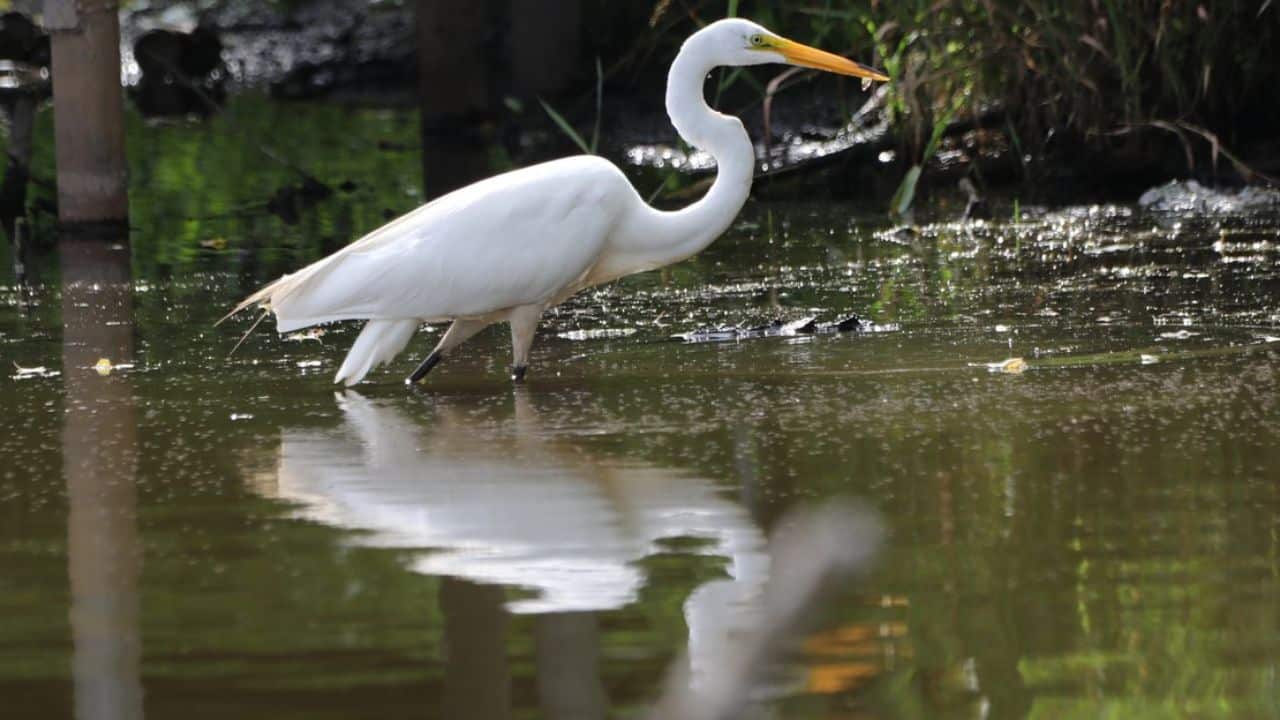
Do you want to bring more life and color to your wetland area? Attracting birds can transform your space into a vibrant haven full of sounds and movement.
But how do you get these beautiful creatures to visit and stay? You’ll discover simple, effective ways to create a welcoming environment that birds can’t resist. Whether you’re a beginner or have tried before, these tips will help you connect with nature like never before.
Keep reading to learn how to make your wetland area a favorite spot for birds.
Choosing The Right Location
Attracting birds to wetland areas starts with picking the best spot. The location affects which birds visit.
Look for places that provide food, shelter, and water. These help birds feel safe and welcome.
Identifying Natural Wetland Features
Wetlands have unique features like shallow water, mudflats, and ponds. These attract many bird species.
Find areas with natural pools or slow-moving water. Birds use these spots for feeding and resting.
- Look for shallow water zones
- Notice muddy or sandy edges
- Check for natural ponds or pools
- Spot areas with gentle water flow
Assessing Water Quality And Depth
Clean water is vital for healthy birds. Polluted water keeps birds away.
Water depth matters too. Many birds prefer shallow water to search for food easily.
- Check water clarity and cleanliness
- Measure water depth in feeding areas
- Avoid locations with deep or fast water
- Look for steady water levels year-round
Considering Surrounding Vegetation
Plants around wetlands give birds shelter and food. Different plants attract different bird types.
Choose places with a mix of trees, shrubs, and grasses. This variety supports more bird species.
- Look for native plants that produce seeds or berries
- Find areas with tall grasses for nesting
- Include shrubs and trees for cover and perching
- Avoid places with too much human disturbance

Credit: digital-photography-school.com
Creating Suitable Habitat
Birds need the right habitat to live and thrive in wetland areas. Creating a suitable habitat helps attract more birds and supports their survival.
This guide covers planting native plants, providing shelter, and managing water levels for bird-friendly wetlands.
Planting Native Flora
Native plants offer food and shelter that local birds rely on. They are adapted to the wetland environment and support insects birds eat.
- Choose plants that naturally grow in your region's wetlands.
- Include a mix of grasses, shrubs, and flowering plants.
- Plant in clusters to create safe feeding areas for birds.
- Avoid invasive species that can harm native plants and animals.
Providing Shelter And Nesting Sites
Birds need places to hide from predators and to build nests. Offering shelter helps more birds feel safe and stay in the area.
| Shelter Type | Purpose |
| Thick shrubs | Protection from predators |
| Dead trees or snags | Nesting sites for cavity-nesting birds |
| Tall grasses | Cover for ground-nesting birds |
| Brush piles | Safe resting spots |
Maintaining Water Levels
Stable water levels keep wetlands healthy and support aquatic plants and animals. Birds depend on these for food and habitat.
- Monitor water levels regularly to avoid flooding or drying out.
- Use natural barriers to control water flow gently.
- Keep water clean by avoiding pollution and runoff.
- Maintain shallow areas for wading birds to feed.
Offering Food Sources
Providing food is a key way to attract birds in wetland areas. Birds look for places where they can find easy and natural meals.
Understanding what foods are safe and how to offer them helps keep birds healthy and coming back.
Natural Food Availability
Wetlands offer many natural foods like seeds, insects, and aquatic plants. These foods suit the diets of different bird species.
- Plant native grasses and wildflowers to provide seeds.
- Keep water clean to support insect life.
- Allow aquatic plants to grow naturally.
- Leave fallen fruit and nuts on the ground.
Supplemental Feeding Tips
Sometimes natural food is scarce. You can help by adding extra food sources that fit wetland birds’ needs.
- Use feeders designed for wetland birds like platform or tray feeders.
- Offer seeds such as millet, sunflower, or cracked corn.
- Add mealworms or insect-based treats for insect-eating birds.
- Place food near water but away from predators.
- Clean feeders regularly to avoid disease.
Avoiding Harmful Foods
Not all food is safe. Some items can harm birds or upset the wetland balance.
| Food Type | Why to Avoid |
| Bread | Causes malnutrition and water pollution |
| Processed snacks | Contain salt and chemicals harmful to birds |
| Unwashed fruits | May carry pesticides or mold |
| Cooked bones or meat | Can cause choking or spread disease |
Minimizing Disturbances
Birds in wetland areas need calm and quiet places to feel safe. Disturbances can scare them away from their homes.
Reducing disturbances helps birds stay and breed in wetlands. It supports their health and the ecosystem.
Reducing Human Activity
Limit human visits near bird habitats. Too many people can frighten the birds and stop them from nesting.
Use signs and barriers to keep people on paths. Avoid walking close to nests or resting areas.
- Set up clear trails away from nesting zones
- Close off sensitive areas during breeding seasons
- Educate visitors about the need for quiet spaces
Controlling Predators
Predators like cats and foxes can harm birds and their eggs. Controlling these animals helps protect bird populations.
Use safe methods to keep predators away from nesting sites. Avoid harming any wildlife in the process.
- Install predator-proof fencing around key areas
- Remove food scraps that attract predators
- Keep pets on leashes near wetlands
Managing Noise Levels
Loud noises stress birds and make them leave their homes. Keep noise low around wetland areas.
Limit noisy activities like loud talking, machines, or music. Natural sounds help birds feel safe.
- Use quiet equipment near wetlands
- Set rules for noise limits in protected areas
- Encourage visitors to speak softly
Using Water Features
Water features help attract birds to wetland areas. Birds need water for drinking and bathing. Adding water features makes wetlands more inviting for many bird species.
Wetlands with water encourage birds to stay longer and visit more often. You can create simple water spots that support bird life.
Installing Bird Baths And Pools
Bird baths and pools give birds a place to drink and bathe. Use shallow containers to make it easy for birds to access water safely.
Place baths and pools near shrubs or trees. This helps birds feel safe from predators while using the water.
- Choose wide, shallow containers with gentle slopes
- Use natural materials like stone or ceramic
- Place water features in shaded spots to keep water cool
- Keep them close to cover like bushes or tall grass
Ensuring Clean Water
Clean water is important for bird health. Dirty water can spread diseases and keep birds away.
Change water often and remove leaves or debris. Clean water features regularly to prevent algae growth.
- Refill bird baths every two days
- Scrub containers with a brush and mild soap weekly
- Remove standing water that attracts mosquitoes
- Use fresh water to keep birds healthy
Creating Shallow Feeding Areas
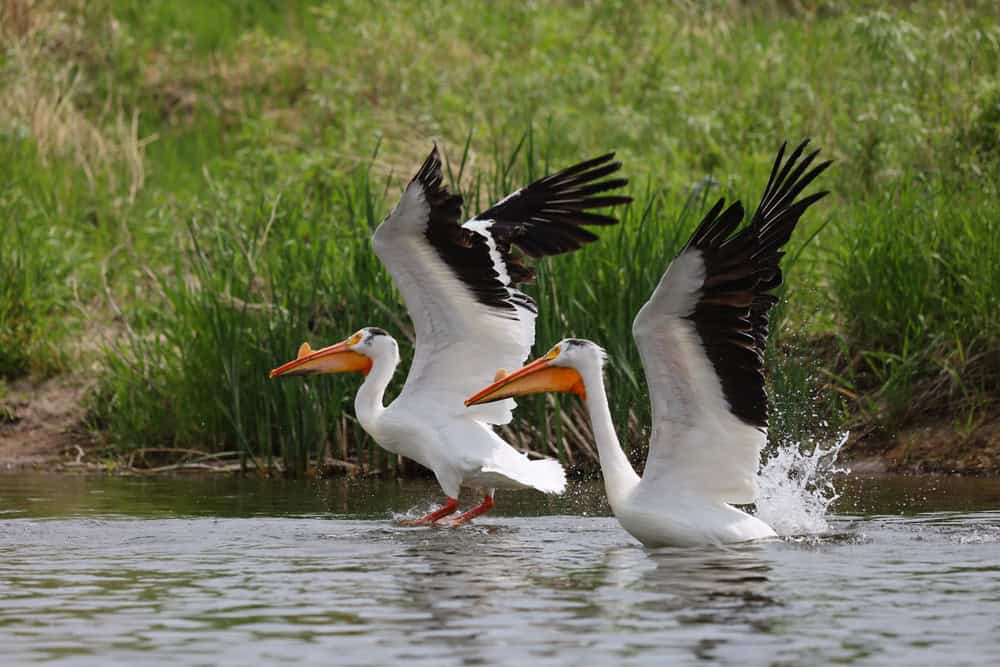
Shallow water areas let birds find food easily. These spots can hold insects and plants that birds eat.
Make sure water is not too deep. A depth of one to two inches is best for small birds to feed safely.
- Use flat stones or gravel to create shallow zones
- Keep water levels low for easy bird access
- Plant native wetland plants nearby for natural food
- Design areas with gentle slopes for different bird sizes
Credit: a-z-animals.com
Monitoring And Maintenance
Attracting birds to wetland areas needs ongoing care. Monitoring and maintenance keep the habitat healthy. This helps birds feel safe and find food easily.
Regular checks of the wetland help spot any problems early. Adjustments can be made to improve the area for birds over time.
Regular Habitat Assessment
Check the wetland often to see how the plants and water are doing. Look for signs of erosion, water quality, and plant health. Healthy plants provide food and shelter for birds.
Note bird species and their numbers during each visit. This helps track changes in the bird population and habitat use.
- Inspect water levels and clarity
- Observe plant growth and diversity
- Record bird sightings and behaviors
- Look for changes in soil and bank stability
Controlling Invasive Species
Invasive plants and animals can harm native species. They may take over the wetland and reduce food for birds. Remove invasive species to protect the natural balance.
Use safe methods for removal, such as hand-pulling plants or controlled trimming. Avoid chemicals that could harm birds or water quality.
- Identify invasive species early
- Remove invasive plants carefully
- Prevent spread by cleaning tools and boots
- Monitor treated areas regularly
Adjusting Strategies Based On Bird Activity
Watch how birds use the wetland. If some areas have few birds, try changing water levels or planting different vegetation. Adjusting your plan helps meet the needs of more species.
Keep notes on bird behavior and habitat changes. Use this information to improve the wetland over time. Flexibility helps maintain a thriving bird habitat.
- Track changes in bird species and numbers
- Modify water depth and flow if needed
- Plant native species that attract more birds
- Remove or add features like logs or shrubs

Credit: medium.com
Frequently Asked Questions
How To Create A Bird-friendly Wetland Habitat?
Create diverse native plant zones with water sources. Include shrubs, trees, and shallow water areas. Avoid pesticides and provide natural food and shelter to attract birds effectively.
What Plants Attract Birds In Wetland Areas?
Plants like cattails, sedges, and wild rice attract birds. They provide food, cover, and nesting sites essential for wetland bird species.
How Important Is Water Quality For Attracting Birds?
Clean, unpolluted water supports healthy food sources like insects and fish. Good water quality increases bird presence and encourages breeding.
Can Feeders Help Attract Birds To Wetlands?
Feeders can supplement natural food but should mimic native diets. Use seeds and suet suitable for wetland bird species to boost visitation.
Conclusion
Attracting birds to wetland areas brings life and beauty to nature. Offer fresh water and native plants for food and shelter. Keep the area quiet and safe from predators. Watch different bird species visit and enjoy their songs. Small changes create a big impact on bird habitats.
Caring for wetlands helps birds and improves the environment. Start simple, observe often, and enjoy the peaceful moments. Birdwatching in wetlands becomes a rewarding experience for everyone.


