
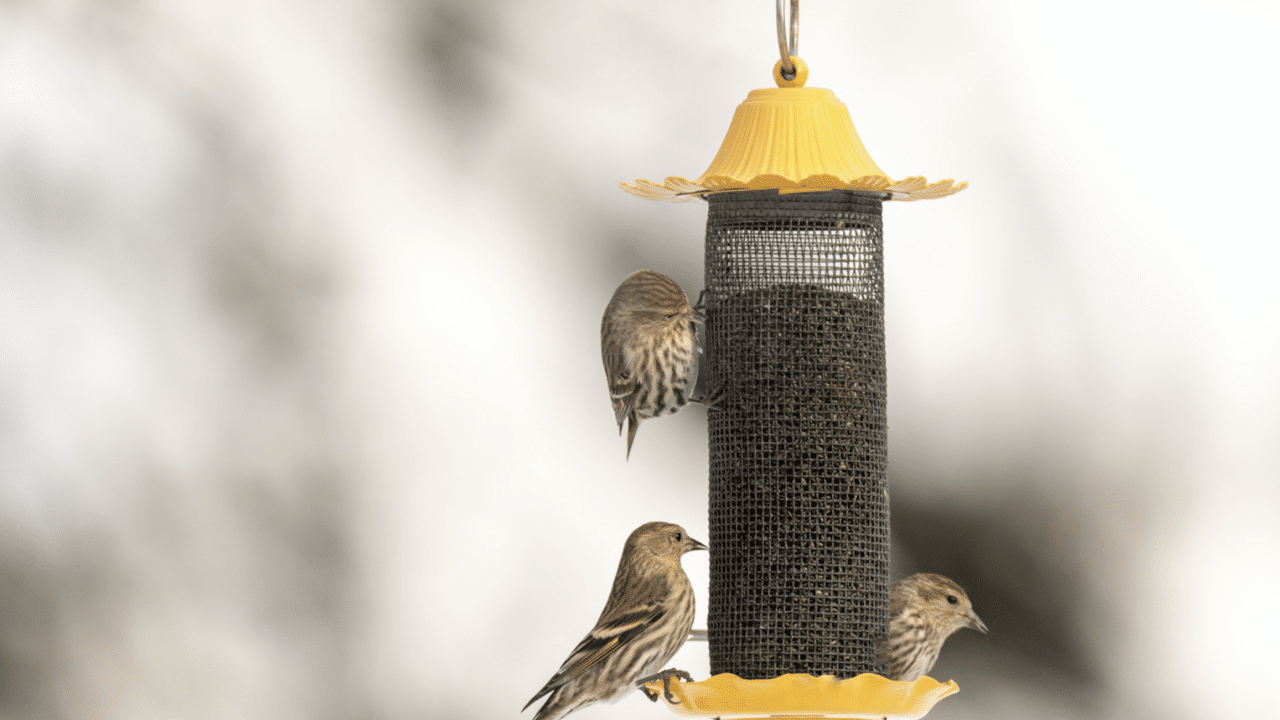
Winter can feel quiet and still, but your backyard doesn’t have to be. Imagine waking up to the cheerful chirps of colorful birds, even on the coldest days.
You might think attracting birds in winter is hard, but with a few simple steps, you can create a cozy haven that invites feathered friends right to your window. Ready to discover how to turn your outdoor space into a winter bird paradise?
Keep reading, and you’ll learn easy ways to bring life, color, and joy to your coldest months.
Credit: avibirds.com
Choosing The Right Bird Feeders
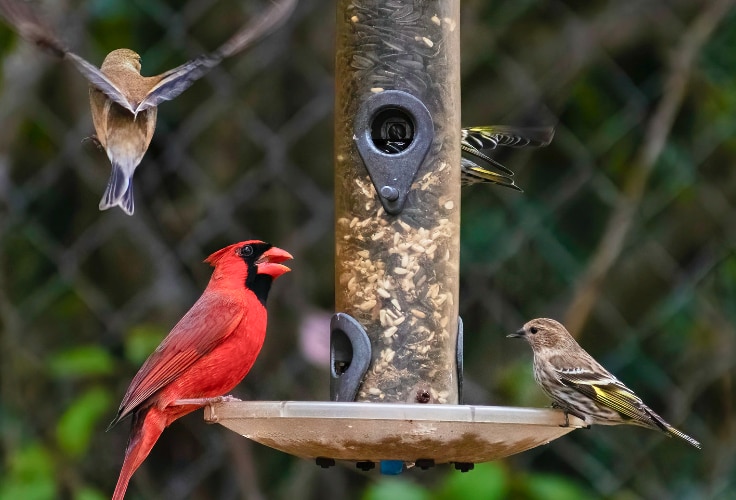
Attracting birds in winter starts with picking the right feeders. Different birds prefer different feeders and food types.
Choosing feeders that suit your local birds will help keep them visiting your yard even in cold weather.
Types Of Bird Feeders
There are many types of bird feeders. Each type works well for specific birds and seed types.
- Tube Feeders:Good for small songbirds. Hold seeds like sunflower or mixed seed.
- Squirrel-Proof Feeders:Designed to keep squirrels away from seeds.
- Platform Feeders:Flat trays that attract many bird types, including larger birds.
- Suet Feeders:Hold suet cakes. Great for woodpeckers and nuthatches.
- Nectar Feeders:Made for hummingbirds and orioles. Hold sugar water.
Placement Tips For Maximum Attraction
Where you place feeders affects how many birds visit. Proper placement keeps birds safe and comfortable.
| Placement Tip | Reason |
|---|---|
| Near shrubs or trees | Provides shelter and quick escape from predators |
| At least 5 feet off the ground | Keeps feeders safe from cats and other animals |
| Visible from windows | Allows you to watch birds easily |
| Away from heavy wind | Prevents seed from blowing away and keeps birds warm |
| Not too close to feeders | Place birdbaths or water sources nearby but not too close |

Credit: petsweekly.com
Selecting Winter-friendly Bird Food
Feeding birds during winter helps them survive cold days. Choosing the right food is important. Birds need energy and nutrients to stay warm.
Not all bird food works well in winter. Some foods spoil quickly or do not provide enough energy. Knowing what to offer keeps birds healthy and coming back.
Seeds That Attract Winter Birds
Some seeds are favorites of winter birds. These seeds have high fat content for energy. They also resist moisture better in cold weather.
- Black oil sunflower seeds attract many birds like chickadees and finches.
- Nyjer (thistle) seeds are loved by small birds such as goldfinches.
- Safflower seeds are good for cardinals and grosbeaks.
- Millet is preferred by sparrows and juncos.
- Peanuts (unsalted and shelled) provide extra protein and fat.
Avoiding Spoiled Or Unsafe Food
Feeding birds spoiled or unsafe food harms their health. Cold weather slows decay but does not stop it. Clean feeders often to prevent mold and bacteria.
| Food Type | Safety Tips | Signs to Avoid |
|---|---|---|
| Seeds | Store in dry, cool place | Musty smell, clumping |
| Peanuts | Use fresh, unsalted peanuts | Black spots, shriveled nuts |
| Suet | Keep frozen until use | Rancid smell, oily texture |
| Fruit | Offer fresh or dried fruit only | Soft spots, mold |
Creating Shelter And Warmth
Birds need shelter and warmth to survive cold winter days. Providing safe places helps them stay healthy. You can help birds by creating spaces that protect them from wind and snow.
Building shelters is simple and can attract many birds to your yard. Focus on natural options and birdhouses for the best results.
Natural Shelter Ideas
Natural shelters give birds a warm and safe place to rest. Plants and natural materials work well to protect birds in winter. You can use bushes, trees, and piles of leaves to create shelter.
- Plant evergreen bushes to block cold winds
- Leave thick brush piles for cover
- Keep dead trees or branches for roosting spots
- Allow leaf litter to stay on the ground for insulation
Using Birdhouses And Roosting Boxes
Birdhouses and roosting boxes offer extra warmth and shelter. They protect birds from harsh weather and predators. Place them in quiet, safe spots for best use.
| Type | Best Use | Placement Tips |
| Wooden birdhouse | Small songbirds | Face away from wind, 5-10 feet high |
| Roosting box | Wrens, chickadees | Near shrubs, sheltered from rain |
| Nesting box with insulation | Bluebirds, titmice | Sunny area, safe from cats |
Providing Fresh Water Sources
Birds need fresh water all year. In winter, water can freeze. Providing liquid water helps birds stay healthy and active.
Setting up water sources carefully attracts many kinds of birds. It also supports their survival in cold weather.
Heated Bird Baths
Heated bird baths keep water from freezing. They offer birds a safe place to drink and bathe even on cold days.
- Use a bird bath heater designed for outdoor use.
- Place the bath where birds feel safe from predators.
- Keep the heater clean to avoid algae buildup.
- Check the heater regularly to ensure it works well.
Maintaining Water Quality In Cold Weather
Water must stay clean for birds to use it. Dirty water can spread diseases and scare birds away.
| Tip | How to Do It |
| Change water often | Replace water daily or every two days. |
| Remove debris | Clear leaves, dirt, and ice regularly. |
| Use mild soap | Clean baths weekly with mild soap and rinse well. |
| Keep water shallow | Fill baths less than 2 inches deep for safety. |
Enhancing Your Garden For Birds
Winter can be tough for birds. Cold weather and snow cover make food and shelter scarce. You can help birds survive by making your garden bird-friendly.
Providing native plants and natural food helps birds find what they need. This support also brings beauty and life to your garden in winter.
Planting Native Shrubs And Trees
Native shrubs and trees offer birds shelter and protection. They also produce berries, seeds, and nuts that birds eat in winter. Choose plants that grow well in your area.
- Holly bushes provide bright berries and thick cover
- Dogwood trees offer berries and branches for perching
- Serviceberry shrubs supply fruit that lasts through winter
- Oak trees produce acorns that feed many bird species
Adding Natural Food Sources
Natural food sources keep birds healthy during winter. Seeds, nuts, and berries are vital. You can also add feeders with natural foods to help birds find enough to eat.
| Food Type | Examples | Birds Attracted |
| Seeds | Sunflower, Millet | Chickadees, Sparrows |
| Nuts | Peanuts, Walnuts | Woodpeckers, Jays |
| Berries | Holly, Juniper | Thrushes, Robins |
Avoiding Common Winter Hazards
Winter can be a tough time for birds. Cold weather and ice make finding food hard. Many dangers can harm birds during this season.
By helping birds safely get food and avoid risks, you can support them through winter. Simple actions keep birds healthy and protected.
Keeping Feeders Clean
Dirty feeders spread germs that make birds sick. Snow and ice can build up on feeders. This causes mold and bacteria growth.
Clean feeders often with hot water and mild soap. Rinse well to remove all soap. Dry feeders before refilling them with fresh food.
- Wash feeders every two weeks or more in winter
- Remove old or wet seed to prevent mold
- Keep feeding areas dry and clear of snow
Protecting Birds From Predators
Birds face threats from cats, hawks, and other predators. Winter limits places where birds can hide. This makes them easy targets.
Place feeders in open spots away from bushes or fences. Use baffles on poles to block climbing animals. Avoid areas where cats roam freely.
- Keep feeders at least 10 feet from cover where predators hide
- Use metal or smooth poles that predators cannot climb
- Watch for signs of predators and move feeders if needed

Credit: www.allaboutbirds.org
Frequently Asked Questions
What Foods Attract Birds In Winter?
High-energy foods like sunflower seeds, suet, peanuts, and nyjer seeds attract birds in winter. These provide essential fats and nutrients to keep birds warm and active during cold months.
How Can I Keep Birds Warm In Winter?
Provide shelter such as dense shrubs, birdhouses, or brush piles to protect birds from cold winds. Avoid disturbing their resting spots to help them conserve energy and stay warm.
Which Bird Feeders Work Best In Winter?
Tube feeders and platform feeders are excellent in winter. They accommodate various bird species and prevent food from getting wet or frozen, ensuring consistent access to nourishment.
How Often Should I Refill Bird Feeders In Winter?
Refill feeders every few days or when food runs low. Birds rely heavily on feeders during winter, so consistent food supply supports their survival in harsh conditions.
Conclusion
Winter can be harsh for our feathered friends. By providing food, water, and shelter, you create a safe haven. This attracts more birds to your garden. Use bird feeders with seeds and suet. Keep birdbaths ice-free for drinking water. Plant native shrubs for natural shelter.
Birdwatching in winter becomes rewarding and fun. Small efforts bring nature closer to home. Enjoy the beauty and sounds of winter birds. Your garden becomes lively, even in the coldest months. Nature's presence enriches winter days. Invite birds, and they will come.


