Do you want to fill your garden with the joyful songs and colorful beauty of birds? Attracting birds to your outdoor space is easier than you might think.
With a few simple steps, you can create a welcoming haven that keeps birds coming back again and again. Imagine watching your garden come alive with fluttering wings and cheerful chirps every day. Keep reading to discover how you can turn your garden into a bird magnet that delights your senses and brings nature closer to you.
Credit: www.ebay.com
Choose Bird-friendly Plants
Choosing the right plants helps attract birds to your garden. Birds look for food, shelter, and nesting spots. Planting bird-friendly species makes your garden a safe place for them.
Focus on native plants and those that provide food all year. This keeps birds visiting through different seasons. It also supports local wildlife and the environment.
Native Flowers And Shrubs
Native flowers and shrubs suit the local climate and soil. Birds eat their seeds, nectar, and insects found on them. These plants offer natural shelter and nesting places too.
- Milkweed attracts butterflies and provides seeds for birds.
- Black-eyed Susan offers seeds in late summer and fall.
- Serviceberry shrubs produce berries that many birds enjoy.
- Elderberry bushes provide food and cover for small birds.
Fruit-bearing Trees
Fruit-bearing trees supply fresh food for birds. They also give shade and spots to rest. Many birds prefer native fruit trees for their diet.
| Tree | Fruit Type | Best Season |
|---|---|---|
| Dogwood | Berries | Fall |
| Crabapple | Small Apples | Late Fall |
| Mulberry | Sweet Berries | Summer |
| Hawthorn | Bright Red Berries | Winter |
Seasonal Blooming Varieties
Seasonal blooming plants offer nectar and seeds at different times. This keeps birds coming back year-round. Mixing early and late bloomers helps birds find food.
Here are some seasonal bloomers for birds:
- Spring: Columbine, Redbud
- Summer: Coneflower, Bee Balm
- Fall: Goldenrod, Aster
- Winter: Witch Hazel, Winterberry

Credit: www.amazon.com
Provide Fresh Water Sources
Birds need fresh water to drink and bathe. You can attract more birds by adding water to your garden. Clean water helps keep birds healthy and happy.
Fresh water sources come in many forms. Choose the right option for your space and local birds.
Birdbaths And Fountains
Birdbaths and fountains provide water for birds to drink and bathe. A simple birdbath is easy to set up in any garden. Fountains add movement, which attracts birds more easily.
- Place birdbaths where birds feel safe
- Use shallow basins with gentle slopes
- Fountains should have a steady, soft water flow
- Keep the water no deeper than 2 inches
Maintaining Clean Water
Clean water keeps birds healthy and prevents diseases. Change the water often and remove dirt or leaves. Clean birdbaths and fountains weekly with mild soap and rinse well.
| Task | Frequency |
| Change water | Every 1–2 days |
| Clean basin | Weekly |
| Remove debris | Daily if possible |
Shallow Water Features
Shallow water features are best for small birds. They allow birds to stand safely while drinking or bathing. Avoid deep water that can be dangerous.
Tips for shallow water features:
- Use flat stones or gravel for birds to perch
- Keep water depth between 1 and 2 inches
- Add a drip or mist feature to attract more birds
- Place features near shrubs for shelter
Offer Suitable Food
Birds need food that matches their natural diet. Providing the right food helps attract many types of birds to your garden. It also keeps them healthy and active.
Choosing suitable food means understanding what birds like and what is safe for them to eat. Let’s explore good food options and what to avoid.
Natural Seeds And Nuts
Many birds love natural seeds and nuts. These provide essential fats and proteins that birds need especially in cold months. Sunflower seeds are a favorite for many types of birds.
- Black oil sunflower seeds attract finches, chickadees, and cardinals.
- Peanuts offer high energy but should be unsalted and fresh.
- Millet is good for small ground-feeding birds like sparrows.
- Cracked corn appeals to larger birds like jays and doves.
Supplemental Feeders
Use feeders to offer extra food that birds find easy to access. Different feeders suit different types of food and bird species. Clean feeders often to keep birds safe.
| Feeder Type | Food Offered | Birds Attracted |
|---|---|---|
| Tube feeder | Seeds like sunflower and millet | Finches, chickadees, titmice |
| Squirrel-proof feeder | Sunflower seeds, peanuts | Cardinals, grosbeaks |
| Suet feeder | Suet cakes with insects | Woodpeckers, nuthatches |
| Platform feeder | Mixed seeds, fruit | Doves, jays, sparrows |
Avoiding Harmful Foods
Some foods are unsafe for birds and can cause illness. Avoid feeding birds these harmful items to keep them healthy.
- Avoid bread as it offers little nutrition and can harm birds.
- Do not feed salted or flavored nuts and seeds.
- Never give birds chocolate or candy.
- Raw beans and uncooked rice can be toxic to birds.
Create Shelter And Nesting Spots
Birds need safe places to rest and raise their young. Providing shelter and nesting spots helps attract them to your garden.
Focus on creating spaces that offer protection from weather and predators. Use natural and man-made elements to build these areas.
Installing Birdhouses
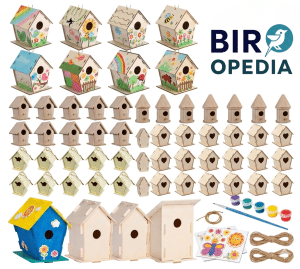
Birdhouses give birds a secure place to nest. Choose birdhouses with the right size and entrance hole for local species.
- Place birdhouses 5 to 10 feet above ground
- Face the entrance away from strong winds
- Clean birdhouses yearly to prevent disease
- Use untreated wood for safety
Dense Shrubs And Trees
Dense shrubs and trees provide natural cover and nesting spots. They protect birds from predators and harsh weather.
| Plant Type | Benefits |
| Evergreen Shrubs | Year-round shelter |
| Berry Bushes | Food and cover |
| Deciduous Trees | Shade and nesting sites |
Using Natural Materials
Use twigs, leaves, and grass to create nesting spots. Birds like soft, natural materials for building nests.
Try placing these materials in your garden:
- Dry grass bundles
- Small sticks and twigs
- Leaf piles in quiet corners
- Natural fiber ropes
Maintain A Safe Environment
Creating a safe space helps birds feel welcome in your garden. Safety encourages birds to visit often and stay longer.
Use simple methods to protect birds from harm. Focus on reducing risks around your garden.
Minimizing Pesticides
Pesticides can poison birds and reduce their food sources. Use natural pest control methods to keep your garden bird-friendly.
- Plant pest-resistant flowers and shrubs
- Invite beneficial insects like ladybugs
- Remove pests by hand when possible
- Use organic sprays only if needed
Protecting From Predators
Birds need places to hide from cats, hawks, and other threats. Provide safe shelters and watch for danger signs.
| Predator | Protection Tip |
| House Cats | Keep cats indoors or use cat-proof fencing |
| Hawks | Place dense shrubs for cover |
| Snakes | Clear tall grass and debris |
Avoiding Window Collisions
Birds often hit windows because they see reflections or open sky. Use simple tricks to stop these accidents.
- Apply decals or tape to windows in patterns
- Use external screens or netting
- Keep blinds partially closed
- Move bird feeders away from windows
Encourage Bird Activity
Birds bring life and beauty to any garden. Encouraging their activity helps the environment and makes your garden lively.
Simple actions can attract more birds. Creating spaces they like will invite them to stay and visit often.
Using Bird Calls And Sounds
Bird calls and sounds can attract birds by signaling a safe place. Playing natural bird songs invites birds to explore your garden.
Use recordings of local bird species. Keep the volume low and avoid loud or constant sounds that may scare birds.
Providing Perching Areas
Birds need safe places to rest and watch for food or threats. Perching spots help birds feel comfortable in your garden.
Use branches, poles, or garden stakes as perches. Place them near food sources and water for easy access.
- Natural tree branches
- Wooden poles or stakes
- Wire frames with rough surfaces
- Dead trees or snags
Creating Diverse Habitats
Diverse habitats offer food, shelter, and nesting spots for many bird types. Mix plants, trees, and water features for variety.
Include native plants, shrubs, and flowers. Add a small pond or birdbath to provide water for drinking and bathing.
- Plant native flowers and bushes
- Grow trees of different heights
- Leave leaf litter and mulch
- Install birdhouses or nesting boxes
- Provide fresh water sources

Credit: www.gardencentreoxford.com
Frequently Asked Questions
What Plants Attract Birds To A Garden Naturally?
Native flowering plants, shrubs, and trees attract birds by providing food and shelter. Examples include sunflowers, coneflowers, and dogwood. These plants produce seeds, nectar, or berries that birds love. Planting a variety ensures year-round bird visits, supporting diverse bird species in your garden.
How Can I Provide Water To Attract Birds Safely?
Birds need fresh water for drinking and bathing. Use a shallow birdbath or a small fountain. Change the water regularly to prevent mosquitoes and algae. Place water near shrubs or trees for cover, making birds feel safe while they drink or bathe.
Which Bird Feeders Work Best In Gardens?
Tube feeders, hopper feeders, and platform feeders attract various bird species. Use feeders with different seed types like sunflower, millet, or nyjer. Clean feeders regularly to prevent disease. Position feeders near natural cover but away from predators for safe feeding.
How Do Birdhouses Help Attract Birds To Gardens?
Birdhouses provide safe nesting sites, encouraging birds to stay and breed. Choose birdhouses with appropriate entrance sizes for local species. Place them in quiet, sheltered spots. Clean houses annually to maintain hygiene and attract new bird families.
Conclusion
Creating a bird-friendly garden brings joy and nature closer. Simple changes, like adding feeders, attract colorful visitors. Water sources, like birdbaths, offer a refreshing spot. Planting native trees and flowers provides shelter and food. Avoid harmful chemicals to keep birds safe.
Be patient; birds will discover your garden over time. Enjoy watching their lively activities. A peaceful, vibrant garden awaits. Invite nature in, and let your garden sing.