Are you ready to welcome a flurry of colorful birds right to your backyard? Attracting birds to a new feeder can turn your outdoor space into a lively, peaceful haven.
But how do you make sure those feathered visitors find your feeder and keep coming back? You’ll discover simple and effective tips that will have birds flocking to your feeder in no time. Keep reading, and you’ll learn exactly what to do to create a bird-friendly spot that’s hard to resist.
Choosing The Right Feeder
Choosing the right bird feeder is key to attracting birds to a new feeder. Birds like feeders that suit their size and feeding habits. A good feeder helps keep food clean and safe.
Think about the birds in your area and what type of feeder fits your space. The right feeder makes birds feel comfortable and encourages them to visit often.
Types Of Bird Feeders
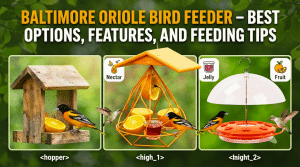
There are many types of bird feeders to choose from. Each type attracts different kinds of birds. Some feeders hold seeds, while others offer suet or nectar.
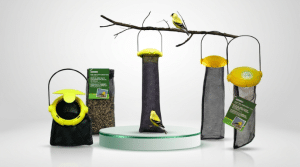
- Tube feeders hold seeds and attract small birds like finches.
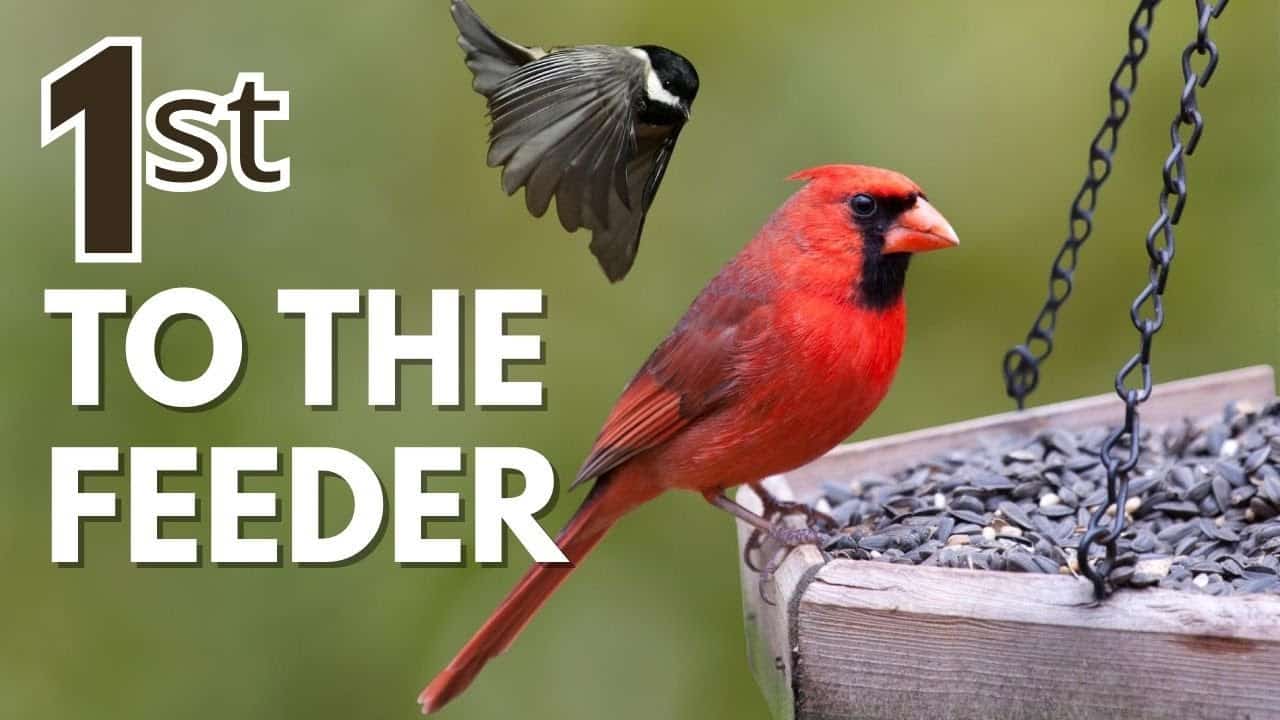
- Platform feeders are open and good for larger birds like cardinals.
- Hopper feeders store a lot of seed and protect it from rain.
- Suet feeders offer high-energy food for woodpeckers and nuthatches.
- Nectar feeders attract hummingbirds with sweet liquid.
Materials And Durability
Choose feeders made from strong materials to last longer. Durable feeders resist weather and damage from animals. Good materials keep food fresh and dry.
- Plastic feeders are light and affordable but may crack in cold weather.
- Metal feeders are strong and often last many years.
- Wood feeders look natural but need regular care to prevent rot.
- Glass feeders can be attractive but may break easily.
Size And Capacity
Pick a feeder size that fits your bird population. A larger feeder holds more food but may attract unwanted pests. Smaller feeders need refilling more often.
- Small feeders are good for a few birds or limited space.
- Medium feeders suit most backyard bird watchers.
- Large feeders work well in places with many birds.
Selecting The Best Location
Choosing the right place for your new bird feeder is key. Birds need a spot that feels safe and easy to find.
Think about where birds like to visit and rest. The location affects how often birds come to feed.
Safe And Visible Spots
Birds prefer feeders that are easy to see but also offer places to perch nearby. Avoid spots that are hidden or too exposed.
- Place feeders near trees or shrubs for quick cover.
- Keep feeders away from busy footpaths and noisy areas.
- Make sure the feeder is visible from windows for easy watching.
Avoiding Predators
Birds avoid feeders if predators are too close. Cats and hawks are common threats to small birds.
| Predator | Distance to Keep Feeder | Protection Tips |
| Cat | At least 10 feet | Use tall poles, avoid low bushes |
| Hawk | Open space around feeder | Place feeders near dense shrubs |
| Squirrel | Use baffles or guards | Install feeders on poles with barriers |
Sunlight And Shelter
Birds like feeders that get morning sun and have shelter from wind and rain. This keeps them warm and safe.
Here are tips for sunlight and shelter:
- Choose a spot with morning sun to warm birds early.
- Place feeders near evergreen trees or bushes for wind shelter.
- Avoid full sun all day to prevent seeds from spoiling.
Picking Suitable Bird Food
Choosing the right food is key to attract birds to a new feeder. Different birds prefer different seeds and foods.
Offering the right food will help birds find your feeder and visit often.
Popular Seeds And Mixes
Many birds like common seeds that are easy to find and offer. These seeds attract a wide variety of birds.
- Black oil sunflower seeds attract finches, chickadees, and cardinals.
- Nyjer seeds are favorite for small birds like goldfinches and siskins.
- Milo and millet seeds appeal to ground-feeding birds like doves and sparrows.
- Mixed seed blends offer variety for many different birds.
Food For Specific Bird Species
Certain birds have special food preferences. You can attract particular species by using their favorite food.
- Woodpeckers and nuthatches enjoy suet cakes rich in fat.
- Hummingbirds prefer nectar made from sugar water.
- Blue jays like peanuts, either shelled or in the shell.
- Robins and thrushes eat dried fruits and mealworms.
Seasonal Food Choices
Birds’ food needs change with the seasons. Offering seasonal foods helps attract birds year-round.
- In winter, offer high-energy foods like sunflower seeds and suet to help birds stay warm.
- In spring, fresh fruits and insects attract nesting birds.
- In summer, provide plenty of water along with seeds and fruits.
- In fall, offer seeds and nuts that help birds build fat for migration.
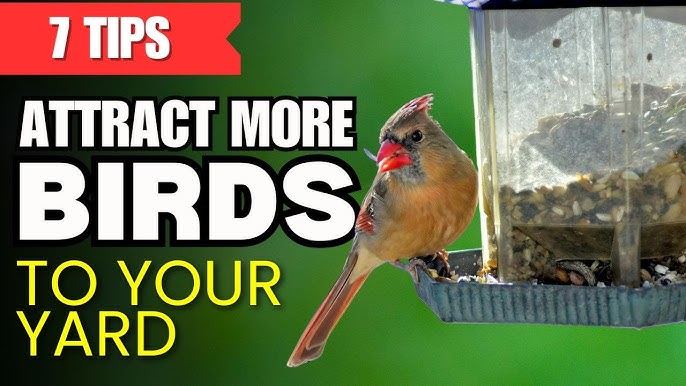
Credit: www.youtube.com
Maintaining Feeder Cleanliness
Keeping your bird feeder clean helps attract more birds. Dirty feeders can scare birds away and spread illness.
Clean feeders provide fresh food and a safe place for birds to eat. This keeps them healthy and happy.
Cleaning Frequency
Clean your bird feeder often to stop dirt and germs from building up. How often depends on weather and use.
In warm or wet weather, clean the feeder every few days. In dry and cool weather, clean it once a week.
- Warm or rainy weather: clean every 2-3 days
- Cool or dry weather: clean once a week
- More birds mean cleaning more often
Preventing Mold And Disease
Mold grows on wet or old birdseed. It can make birds sick if they eat it. Remove mold quickly.
Diseases spread fast at feeders. Clean feeders stop germs from spreading between birds.
- Check seed for mold or clumps
- Throw away wet or old seed
- Keep feeders dry and shaded if possible
Safe Cleaning Methods
Use safe cleaners to avoid harming birds. Avoid strong chemicals or soaps that leave harmful residue.
Warm water and mild soap work well. Rinse feeders well and let them dry before refilling.
- Empty feeder and remove old seed
- Wash with warm water and mild soap
- Use a brush to scrub all surfaces
- Rinse thoroughly with clean water
- Let feeder dry completely before adding seed
Adding Water Sources
Birds need fresh water to drink and bathe. Adding water near your new feeder helps attract more birds. Water also keeps birds healthy and happy.
There are different ways to provide water. You can use birdbaths or drippers. Proper placement and cleaning keep the water fresh for visiting birds.
Birdbaths And Drippers
Birdbaths offer a shallow place for birds to splash and drink. Drippers add moving water, which birds love because it looks fresh and safe. Both options encourage birds to visit your yard often.
Choose birdbaths with a rough surface so birds do not slip. Drippers can be attached to your feeder or nearby branches to create gentle water drops.
Water Placement Tips
- Place water sources near feeders but not too close to avoid crowding.
- Keep water in open areas where birds can see predators easily.
- Set water near shrubs or trees to give birds a quick escape spot.
- Use shallow containers with water no deeper than 2 inches.
- Change water daily to keep it clean and inviting.
Keeping Water Fresh
| Tip | Reason |
|---|---|
| Change water every day | Prevents bacteria and mosquitoes |
| Clean containers weekly | Removes algae and dirt buildup |
| Use flowing water if possible | Attracts birds with sound and movement |
| Place feeders and baths in shade | Keeps water cool and fresher longer |
Using Natural Attractants
Birds are drawn to places where they find food, shelter, and safety. Using natural attractants helps create a welcoming space around your new feeder.
These attractants provide birds with what they need to stay and visit often. You can use plants and materials that birds prefer in your yard.
Planting Native Flowers
Native flowers produce seeds and nectar that many birds like. They also attract insects, which are good food for birds.
Choose flowers that grow well in your area. They need less care and help local birds the most.
- Sunflowers provide seeds for finches and sparrows
- Bee balm attracts hummingbirds with its nectar
- Goldenrod offers seeds and attracts insects
Providing Nesting Materials
Birds need soft materials to build their nests. Offering natural items nearby encourages birds to stay close to your feeder.
Collect and place these materials near the feeder in small piles or containers.
- Dry grass and straw
- Small twigs and sticks
- Feathers and animal hair
- Shredded leaves or bark
Creating Shelter With Shrubs
Shrubs give birds a safe place to hide from predators and bad weather. They also provide resting spots near your feeder.
Plant dense shrubs with berries or thick leaves. These plants support many bird species year-round.
- Holly bushes offer berries and cover
- Serviceberry plants provide food and shelter
- Dogwood shrubs have dense branches
Patience And Consistency
Attracting birds to a new feeder takes time and steady effort. Birds need to trust the feeder is a safe food source. Patience helps you stay calm while waiting for them to visit.
Consistency means feeding birds at the same times and with the same food. This builds a routine that birds learn quickly. Keep feeding regular to keep them coming back.
Regular Feeding Schedule
Feed birds at the same time every day. Birds notice patterns and feel safe when food is predictable. A regular schedule helps birds remember your feeder’s location.
- Choose morning and late afternoon times for feeding.
- Keep the feeder full during these times.
- Clean the feeder weekly to keep it fresh.
Avoiding Sudden Changes
Sudden changes can scare birds away. Avoid changing the feeder location or type of food quickly. Gradual changes help birds adjust without stress.
| Change | Effect on Birds |
| Moving feeder suddenly | Birds stop visiting for days |
| Switching food type abruptly | Birds may avoid the feeder |
| Changing feeding times | Birds get confused and visit less |
Observing Bird Behavior
Watch how birds act around your feeder. Notice which birds come and what they eat. This helps you adjust your feeding strategy to attract more birds.
Tips to observe bird behavior:
- Use binoculars to watch from a distance.
- Note the time of day when visits peak.
- Record which seeds or feeders are most popular.
- Look for signs of stress or fear in birds.

Credit: avibirds.com
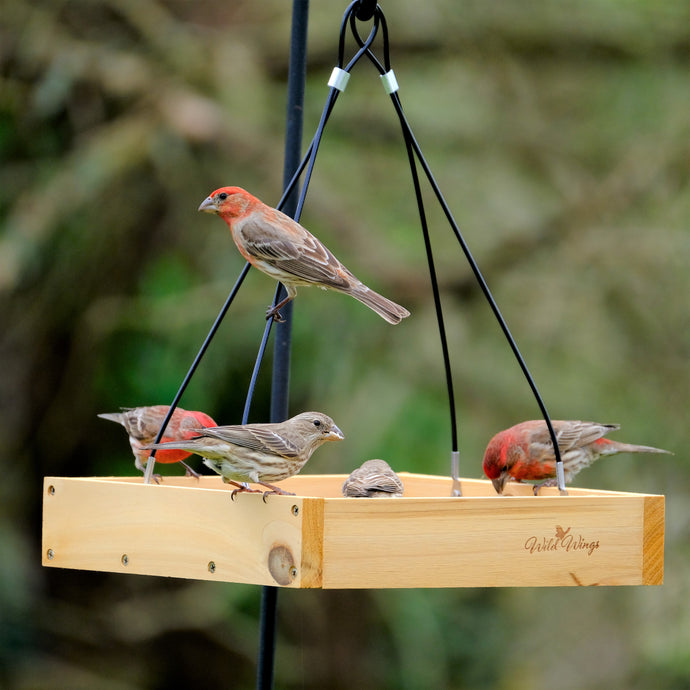
Credit: www.natureswaybirds.com
Frequently Asked Questions
How Soon Will Birds Find My New Feeder?
Birds usually find a new feeder within a few days. Placement near natural cover and using popular seeds can speed up visits.
What Seeds Attract The Most Birds To Feeders?
Black oil sunflower seeds attract many bird species. Nyjer and millet seeds also appeal to finches and sparrows.
Where Is The Best Place To Hang A Bird Feeder?
Place feeders 5-10 feet from trees or shrubs. This offers birds safety from predators and shelter during feeding.
How Can I Keep Squirrels Away From My Feeder?
Use squirrel baffles and weight-sensitive feeders. Placing feeders away from launching points also reduces squirrel access.
Conclusion
Attracting birds requires patience and some simple steps. Choose the right feeder. Place it in a safe location. Use quality birdseed to draw them in. Maintain cleanliness to ensure their health. Watch as nature’s beauty visits your backyard. Be consistent with feeding times.
Birds will learn and return regularly. Enjoy the vibrant colors and melodies. Your feeder will soon become a favorite spot. A peaceful retreat for both you and the birds.