Do you want your new yard to come alive with the cheerful songs and vibrant colors of birds? Attracting birds isn’t just about putting out food—it’s about creating a welcoming home that meets their needs.
Imagine watching beautiful birds visit your yard every day, bringing peace and joy right outside your window. You’ll discover simple, effective ways to turn your yard into a bird magnet. Ready to make your outdoor space a favorite spot for feathered friends?
Let’s get started!
Choose The Right Plants
Choosing the right plants is key to attracting birds to your new yard. Plants provide food and shelter that birds need to thrive.
Focus on plants that offer natural resources like nectar, berries, and seeds. This helps create a welcoming environment for various bird species.
Native Flowers And Shrubs
Native flowers and shrubs attract local birds by offering familiar food and shelter. They also support native insects, which many birds eat.
- Choose plants like coneflowers, black-eyed Susans, and milkweed.
- Select shrubs such as serviceberry, elderberry, and viburnum.
- Plant dense shrubs for nesting and cover.
Fruit-bearing Trees
Fruit-bearing trees provide fresh food that birds love. They attract many species, especially during fall and winter.
| Tree | Fruit Type | Birds Attracted |
| Mulberry | Sweet berries | Robins, Orioles |
| Crabapple | Small apples | Waxwings, Thrushes |
| Dogwood | Red berries | Cardinals, Woodpeckers |
Seasonal Blooms
Plant flowers that bloom in different seasons to provide a steady food source. This keeps birds visiting year-round.
Seasonal bloom examples:
- Spring: Tulips, daffodils
- Summer: Sunflowers, zinnias
- Fall: Asters, goldenrod

Credit: www.reddit.com
Set Up Bird Feeders
Setting up bird feeders is a great way to bring birds to your new yard. Feeders provide food and attract many types of birds.
Bird feeders also help you watch and enjoy birds safely. It is important to choose the right feeders and place them properly.
Types Of Feeders
You can choose from many kinds of bird feeders. Each feeder type attracts different birds.
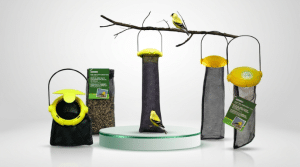
- Tube feeders:Long tubes with multiple feeding ports. Good for small songbirds.
- Platform feeders:Flat trays that hold many seeds. Attracts larger birds and ground feeders.
- Hopper feeders:Box-shaped feeders that hold lots of seed. They protect food from weather.
- Suet feeders:Wire cages for suet cakes. Attract woodpeckers and insect-eating birds.
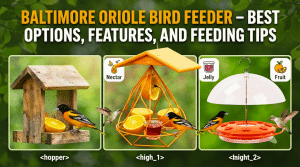
- Nectar feeders:Containers for liquid nectar. Best for hummingbirds and orioles.
Best Bird Foods
Different birds like different foods. Using the right food brings more birds to your yard.
- Black oil sunflower seeds:Loved by many small and medium birds.
- Nyjer (thistle) seeds:Attracts finches like goldfinches and redpolls.
- Mixed seed blends:Good for variety but may contain filler seeds.
- Suet cakes:Provide energy, especially in cold weather.
- Nectar:Sugar water solution for hummingbirds and orioles.
- Peanuts:Attract jays, woodpeckers, and titmice.
Feeder Placement Tips
Place feeders where birds feel safe and you can watch them. Good placement helps keep birds coming back.
- Keep feeders 3 to 5 feet off the ground to protect from cats.
- Place feeders near trees or shrubs for shelter and perching.
- Avoid placing feeders too close to windows to reduce bird collisions.
- Choose a quiet spot away from heavy foot traffic and loud noises.
- Clean feeders regularly to prevent disease.
Provide Fresh Water
Birds need water to drink and bathe. A fresh water source will attract many birds to your yard. This helps them stay healthy and clean.
Adding water features is a simple way to invite birds. Birds look for safe places with fresh water every day.
Bird Baths And Fountains
Bird baths offer a shallow place for birds to drink and bathe. Fountains add movement, which can attract more birds.
Choose bird baths with smooth edges and shallow water. Fountains should have gentle water flow to keep birds safe.
- Use a basin 1-2 inches deep
- Place bird baths near shrubs or trees
- Choose fountains with low water pressure
- Keep water at a safe level to prevent drowning
Keeping Water Clean
Clean water is important to prevent disease. Change water often to stop algae and bacteria from growing.
Scrub bird baths and fountains weekly. Use a brush to remove dirt and debris. Avoid using soap or chemicals.
- Refill water daily in hot weather
- Remove leaves and dirt regularly
- Use a water conditioner if needed
- Place water features in sunlight for natural cleaning
Water Features For All Seasons
Birds need water year-round. In winter, ice can block water access. Use heated bird baths to keep water liquid.
In summer, place water where it stays cool. Change water often to keep it fresh during hot days.
- Use heated bird baths in winter
- Place water near shade in summer
- Check water daily in all seasons
- Use deeper basins to prevent quick freezing
Create Shelter And Nesting Spots
Attracting birds to your new yard starts with providing safe places. Birds need shelter to rest and hide from bad weather.
They also need spots to build nests and raise their young. Creating these areas will make birds feel welcome.
Birdhouses And Nesting Boxes
Birdhouses and nesting boxes give birds a ready-made home. Different birds like different sizes and shapes.
Place boxes at different heights and away from busy areas. Use untreated wood to keep birds safe.
- Clean out boxes yearly to prevent disease
- Put small holes for ventilation
- Face entrances away from prevailing winds
- Mount boxes 5 to 10 feet above ground
Natural Cover With Trees And Bushes
Trees and bushes provide natural shelter and food. Birds use branches to hide and rest safely.
Plant a mix of evergreens and flowering shrubs. This offers year-round cover and attracts insects for food.
- Choose native plants for your area
- Include berry-producing bushes
- Keep some dense thickets for hiding spots
- Leave dead branches for perching
Avoiding Predators
Birds need safe spaces away from cats and other predators. Keep shelters hidden and hard to reach.
Use thorny plants near nesting spots to block predators. Avoid placing birdhouses near fences or low branches.
- Trim branches to prevent climbing
- Place birdhouses on metal poles if possible
- Remove food that attracts predators
- Keep pets indoors during nesting season
Maintain A Safe Environment
Creating a bird-friendly yard means keeping it safe. Birds need a place free from dangers. A safe environment helps them visit often and stay healthy.
Focus on simple actions that protect birds. Avoid harmful chemicals, manage pets carefully, and reduce window collisions. These steps make your yard a safe haven.
Avoiding Harmful Chemicals
Many garden chemicals can hurt birds. Pesticides, herbicides, and fertilizers may poison them or damage their food sources. Use natural methods instead.
- Choose organic or bird-safe pest control
- Use natural fertilizers like compost
- Plant native plants that need less care
- Water plants without harmful additives
Managing Pets
Pets can scare or harm birds. Cats and dogs may chase or catch them. Keep pets supervised or inside to protect visiting birds.
- Keep cats indoors or in screened areas
- Train dogs to avoid bird feeding spots
- Provide high perches for birds to escape
- Use fences or barriers to limit pet access
Minimizing Window Collisions
Birds often fly into windows because they see reflections or clear glass. This causes injury or death. Make windows visible to birds.
| Method | Description |
| Window decals | Stick small shapes on glass to break reflections |
| Screen covers | Place screens outside windows to soften impact |
| Close curtains | Reduce transparency that confuses birds |
| Move feeders | Place feeders either very close or far from windows |

Credit: lawnlove.com
Attract Specific Bird Species
Creating a yard that attracts birds takes some planning. Different birds like different foods and habitats. You can invite the birds you want by learning what they prefer.
Here are tips to bring in songbirds, hummingbirds, and woodpeckers to your new yard.
Tips For Songbirds
Songbirds like safe places to eat and rest. Plant native trees and shrubs that offer food and shelter. Use feeders with seeds they enjoy.
- Use feeders with sunflower or millet seeds
- Plant berry-producing bushes like elderberry or serviceberry
- Provide fresh water in a shallow birdbath
- Keep cats away to make birds feel safe
- Offer nesting boxes for shelter
Bringing In Hummingbirds
Hummingbirds love bright flowers and sweet nectar. Plant colorful flowers and set up special feeders just for them.
| Flower Type | Color | Bloom Season |
| Bee Balm | Red, Pink | Summer |
| Salvia | Red, Purple | Late Spring to Fall |
| Trumpet Vine | Orange, Red | Summer |
| Cardinal Flower | Bright Red | Late Summer |
Fill hummingbird feeders with fresh sugar water. Mix four parts water to one part sugar. Clean feeders often to stop mold.
Welcoming Woodpeckers
Woodpeckers like trees with insects and places to nest. Provide suet feeders and dead wood for food and homes.
- Hang suet cakes in mesh feeders
- Keep some dead trees or logs in your yard
- Use peanut butter mixed with seeds as a treat
- Install nest boxes designed for woodpeckers
Observe And Enjoy Wildlife
Watching birds in your new yard can be a fun and relaxing hobby. It helps you connect with nature and see the beauty of wildlife up close.
By attracting birds to your yard, you create a lively space full of color and song. Watching them can teach you about different species and their habits.
Setting Up Bird Watching Spots
Choose quiet places in your yard where birds feel safe. These spots should have good views and some cover like trees or bushes.
Place comfortable seats or benches nearby so you can watch birds without disturbing them. A shaded area helps you stay cool on sunny days.
- Pick locations near feeders or birdbaths
- Avoid noisy or busy areas
- Use natural plants for shelter
Using Binoculars And Cameras
Binoculars help you see birds clearly from a distance. Choose ones that are easy to hold and have good zoom.
A camera lets you capture pictures of birds you find interesting. Use a zoom lens to get close-up shots without scaring them away.
- Practice using binoculars indoors first
- Keep cameras ready for quick shots
- Stay still to avoid scaring birds
Keeping A Bird Journal
A bird journal helps you remember the types of birds you see. Write down their colors, size, and behavior.
Draw or paste photos in your journal. This keeps your bird watching fun and helps you learn more over time.
- Record date and time of sightings
- Note weather and location
- Describe bird sounds and actions
Credit: lakesidegardengallery.com
Frequently Asked Questions
How Do I Attract Birds To A New Yard?
Provide food, water, and shelter. Plant native flowers and trees. Use bird feeders and birdbaths to create a welcoming environment. Avoid pesticides that harm birds.
What Types Of Feeders Attract More Birds?
Use tube feeders, platform feeders, and suet feeders. Different birds prefer different feeders. Offer a variety of seeds like sunflower, nyjer, and millet for best results.
Which Plants Are Best For Bird Attraction?
Choose native plants that produce berries and seeds. Flowering shrubs and trees offer shelter and food. Examples include dogwood, elderberry, and coneflower.
How Important Is Water For Attracting Birds?
Water is essential for drinking and bathing. Use shallow birdbaths with clean water. Change water regularly to prevent mosquitoes and attract more birds.
Conclusion
Creating a bird-friendly yard is simple and rewarding. Start small with feeders and water sources. Plant native trees and shrubs for shelter. Birds love diverse habitats. They appreciate safe spaces to nest. Keep pets indoors to avoid disturbance. Enjoy the sounds and sights they bring.
It’s nature’s gift right in your backyard. With patience, your yard can become a vibrant bird haven. Remember, every effort counts. Birds will thank you with their presence. Happy birdwatching!