
Are you looking to bring more life and color to your orchard? Attracting birds isn’t just about making your space beautiful—it can also help protect your fruit and create a healthier environment.
Imagine waking up to the cheerful songs of birds, seeing them flit from tree to tree, and knowing they’re helping your orchard thrive. You’ll discover simple, effective ways to invite these feathered friends to your trees. Keep reading to learn how you can turn your orchard into a bird magnet, boosting both its beauty and productivity.

Credit: www.youtube.com
Choose Fruit Trees Wisely
Choosing the right fruit trees helps bring birds to your orchard. Birds like certain trees that provide food and shelter.
Picking the best trees will support local wildlife and improve your orchard's health.
Select Native Species
Native fruit trees are best for attracting birds. Birds in your area know these trees well and eat their fruits.
Native trees also need less care because they fit your local climate and soil.
- Native trees provide familiar food for local birds
- They support native insects, another food source for birds
- They grow well with less water and fertilizer
Plant Diverse Varieties
Plant many types of fruit trees to attract different bird species. Birds like variety in their diet and habitat.
Diverse trees also protect your orchard from pests and diseases better than single types.
- Mix trees with soft fruits and hard fruits
- Include trees with dense branches for nesting
- Use trees that attract insects for insect-eating birds
Consider Blooming Seasons
Choose fruit trees that bloom at different times. This gives birds food and shelter all year.
Blooming seasons also help pollinators stay active, which helps your orchard grow strong.
- Early bloomers feed birds after winter
- Mid-season bloomers provide food in spring and summer
- Late bloomers offer fruits in fall and winter
Create Water Sources
Birds need water to drink and bathe. Adding water to your orchard helps attract them.
Providing clean and safe water encourages birds to visit often and stay longer.
Install Birdbaths
Birdbaths are shallow containers that hold water for birds. Place them where birds can see but feel safe.
- Use a shallow basin about 2 inches deep.
- Keep the birdbath in a shaded area to keep water cool.
- Clean the birdbath weekly to prevent algae growth.
- Add small stones or pebbles for birds to perch on.
Add Small Ponds
Small ponds offer a natural water source and attract more bird species. You can create a pond with a liner or dig a shallow hole.
| Benefit | Description |
| Variety | Attracts different bird species for drinking and bathing |
| Habitat | Supports insects and plants that birds feed on |
| Natural Look | Blends into orchard environment for bird safety |
Maintain Fresh Water
Birds prefer clean, fresh water. Dirty or stagnant water can scare them away or harm their health.
- Refill birdbaths and ponds regularly.
- Remove leaves and debris from water sources.
- Use a gentle scrub brush to clean containers weekly.
- Check for mosquitoes and change water if needed.
Provide Shelter And Nesting Sites
Birds need safe places to rest and build nests in your orchard. Providing shelter helps them stay safe from weather and predators.
By adding shelters and nesting spots, you invite more birds to live and feed in your orchard. This supports a healthy ecosystem around your fruit trees.
Use Birdhouses
Place birdhouses in your orchard to give birds a cozy place to nest. Use different sizes to attract various bird species.
- Install birdhouses at least 5 feet above the ground.
- Face the entrance away from strong winds.
- Clean birdhouses yearly to prevent pests.
- Use untreated wood for a natural feel.
Preserve Natural Shrubs
Keep natural shrubs around your orchard. They offer cover and food for birds throughout the year.
| Benefit | Details |
| Protection | Shrubs shield birds from predators and harsh weather. |
| Food | Many shrubs produce berries and seeds birds eat. |
| Nesting | Dense branches make safe nesting spots. |
Incorporate Deadwood
Leave some deadwood in your orchard. It provides homes for insects, which are food for birds. Dead branches also serve as perches.
Tips for using deadwood in your orchard:
- Keep some fallen logs in shaded areas.
- Leave dead branches on trees when safe.
- Stack small wood piles away from paths.
- Check regularly for safety and pests.

Credit: www.birdwatchingdaily.com
Offer Food Beyond Fruit
Birds need more than just fruit to thrive in your orchard. Providing a variety of food sources helps attract many bird species. This food variety supports birds year-round.
By offering diverse food, you create a welcoming space. Birds find nourishment and energy for nesting and flying. Let’s explore ways to offer food beyond fruit.
Grow Flowering Plants
Flowering plants produce nectar and seeds that birds love. They also attract insects, which many birds eat. Choose native flowers that bloom at different times.
- Plant sunflowers for seeds
- Grow milkweed to attract butterflies and insects
- Add coneflowers for nectar and seeds
- Use lavender for scent and insect habitat
- Include bee balm to attract pollinators
Set Up Feeders
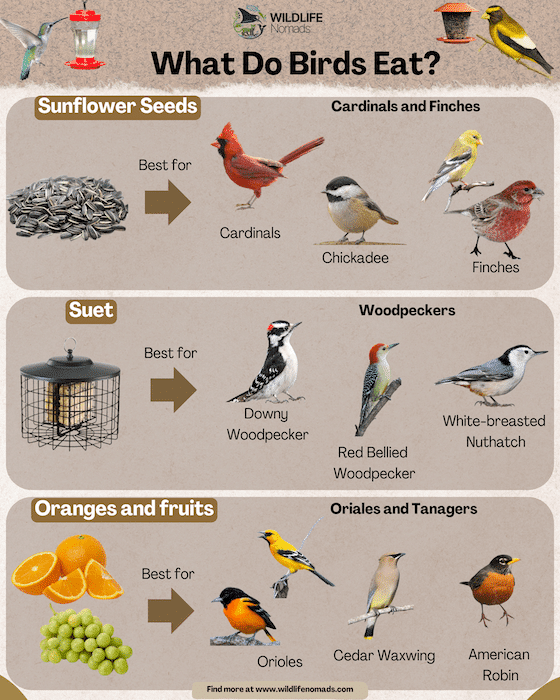
Feeders add easy access to food for birds. They work well when natural food is scarce. Use different feeder types to attract many bird kinds.
| Feeder Type | Food Offered | Birds Attracted |
| Tube Feeder | Seeds | Finches, Chickadees |
| Suet Feeder | Fat and Protein | Woodpeckers, Nuthatches |
| Nectar Feeder | Sugar Water | Hummingbirds |
| Platform Feeder | Mixed Seeds, Fruit | Sparrows, Cardinals |
Include Insect-friendly Habitats
Many birds eat insects for protein. Creating insect habitats helps feed these birds naturally. Use logs, leaf piles, and native plants to support insects.
- Leave dead wood in corners of the orchard
- Keep some leaf litter under trees
- Plant herbs like dill and fennel for caterpillars
- Avoid pesticides that harm insects
Minimize Chemical Use
Reducing chemicals in your orchard helps protect birds and other wildlife. Birds avoid areas with strong pesticides and herbicides.
Using fewer chemicals also improves the health of your trees and soil. This creates a better environment for birds to thrive.
Opt For Organic Pest Control
Organic pest control uses natural methods to keep pests away. These methods do not harm birds or beneficial insects.
- Use neem oil sprays made from plants
- Apply insecticidal soaps that are safe for birds
- Set up birdhouses to attract insect-eating birds
- Use traps or barriers to protect fruit
Avoid Harmful Pesticides
Many pesticides can poison birds or reduce their food supply. Avoid chemicals that kill insects birds eat.
| Pesticide Type | Effect on Birds |
|---|---|
| Organophosphates | High toxicity; causes bird deaths |
| Neonicotinoids | Reduces insect prey for birds |
| Pyrethroids | Can poison birds directly |
| Botanical pesticides | Safer but use with care |
Encourage Beneficial Insects
Beneficial insects control pests naturally. They help keep your orchard healthy without chemicals.
- Plant flowers like marigolds and dill to attract ladybugs
- Leave some wild areas for predatory insects
- Avoid broad-spectrum insecticides that kill good bugs
- Use mulch to provide habitat for soil insects
Manage Orchard Layout
Attracting birds to your orchard helps with pest control and pollination. The layout of your orchard plays a big role in welcoming birds.
Good design creates a safe and inviting space for birds to live and feed. You can arrange plants and open areas to support bird activity.
Create Layers Of Vegetation
Plant different types of vegetation at various heights. This gives birds places to perch, nest, and find food.
Use tall trees, medium shrubs, and low ground cover. Layers help shelter birds and provide diverse food sources.
- Tall trees offer nesting spots and safety
- Shrubs provide berries and insects for food
- Ground cover hides nests and attracts insects
Design Open Spaces
Leave some clear areas between plants. Open spaces allow birds to move easily and find insects on the ground.
Open spaces also help birds watch for predators. Keep these areas free from dense brush or tall grass.
- Provide small patches of bare soil or grass
- Keep pathways clear and wide enough for flight
- Use open spaces for bird bathing or feeding stations
Ensure Safe Flight Paths
Plan the orchard so birds can fly safely between trees and shrubs. Avoid blocking their paths with wires or fences.
Clear flight paths help birds escape predators and reach food quickly. Place trees and plants in a way that forms natural corridors.
- Space trees to allow easy takeoff and landing
- Trim branches that block flight routes
- Use bird-friendly fencing or avoid it near flight paths
Monitor And Adapt
Attracting birds to your orchard needs careful watching and changes. Birds have different needs at different times. Watching their habits helps keep them coming back.
Use simple methods to track bird visits and change your plans based on what you learn. This keeps your orchard lively with bird activity all year.
Keep Bird Sightings Records
Write down when and where you see birds in your orchard. Note the types of birds and how many visit each day. This helps you spot trends and favorite spots.
- Record bird species seen each day
- Note the time and weather conditions
- Mark locations in the orchard with most sightings
- Keep photos or drawings if possible
- Review your notes weekly to see changes
Adjust Planting Strategies
Change what and where you plant to suit bird preferences. Use plants that produce fruits and seeds birds like. Mix tall trees with shrubs for cover and food.
| Plant Type | Benefit to Birds | Best Location |
| Berry Bushes | Food source | Near orchard edges |
| Tall Trees | Nesting sites | Scattered across orchard |
| Flowering Plants | Attract insects for food | Near water sources |
| Grasses | Seed supply | Open patches |
Respond To Seasonal Changes
Bird needs change with the seasons. Provide fresh water in hot months. Offer shelter from cold and wind in winter. Adjust food sources as birds migrate or change diet.
Use this checklist to adapt your orchard seasonally:
- Spring: Add nesting boxes and plant flowering shrubs
- Summer: Keep water fresh and add shade plants
- Fall: Provide seed-rich plants and fruiting trees
- Winter: Offer shelter and supplemental food if needed

Credit: www.birdwatchingdaily.com
Frequently Asked Questions
How Can I Attract Birds To My Orchard Naturally?
Plant native fruiting trees and shrubs. Provide fresh water sources. Avoid pesticides to create a safe habitat. Install bird feeders and nesting boxes to encourage visits.
What Types Of Food Attract Orchard Birds?
Offer seeds, berries, and suet. Use fruit scraps like apples or pears. Diverse food options support different bird species and keep them returning.
How Important Is Water For Attracting Birds?
Water is essential for drinking and bathing. Provide shallow birdbaths or small ponds. Regularly change water to keep it fresh and clean.
Can Birdhouses Increase Bird Visits To Orchards?
Yes, birdhouses offer safe nesting spots. Place them away from predators and in shaded areas. Different species prefer different house sizes.
Conclusion
Attracting birds to your orchard can be simple. Provide food, water, and shelter. Birds love seeds, fruits, and fresh water. Plant native trees and shrubs. These offer natural food and safety. Keep your orchard tidy. Remove any dangers to birds.
Regularly check feeders and water sources. Enjoy the vibrant life birds bring. Their presence boosts your orchard's health. Watch as they help control pests naturally. A bird-friendly orchard is a thriving ecosystem. Happy gardening!


