
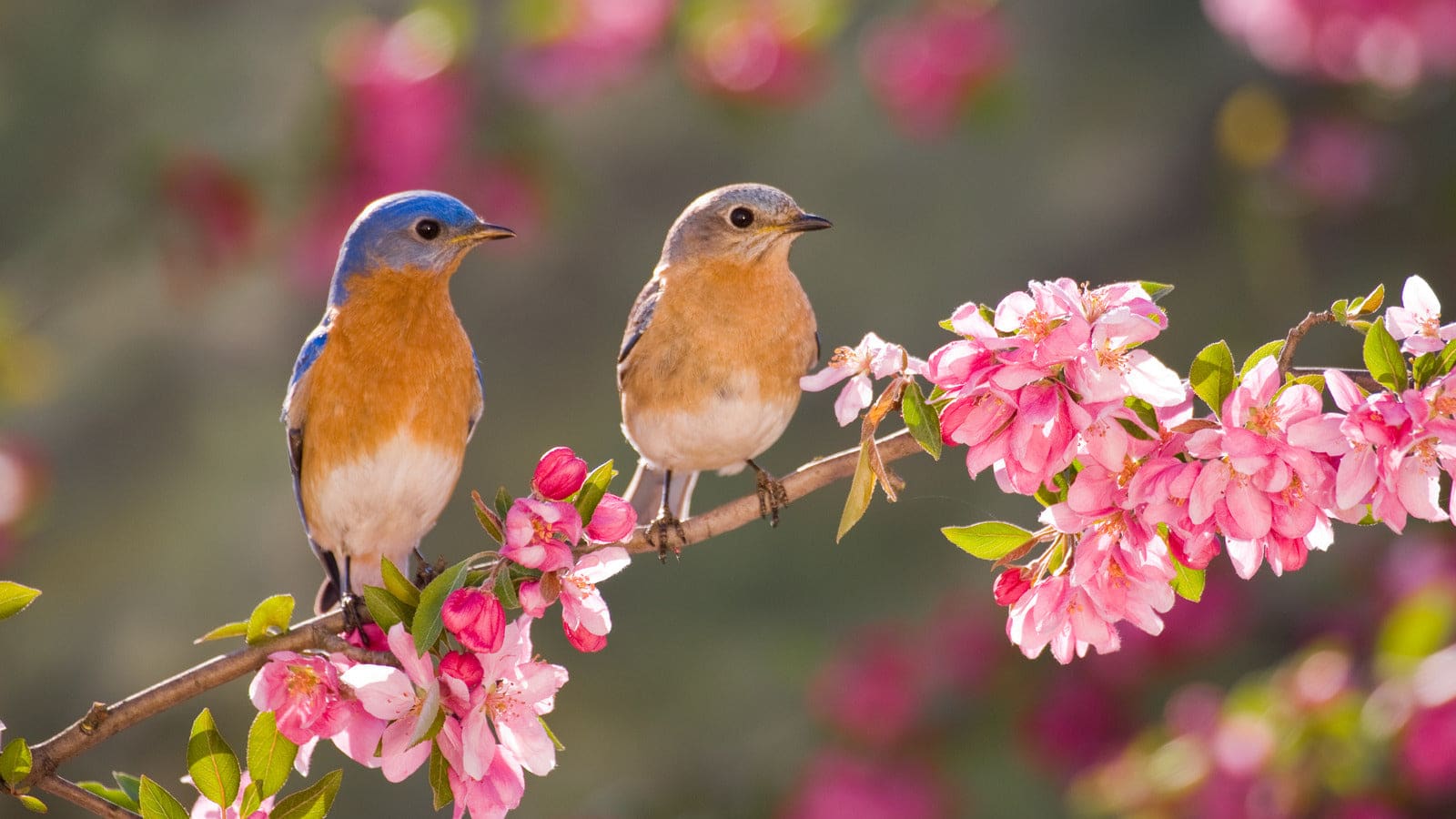
Do you want to see colorful birds fluttering around your local park? Imagine spending time surrounded by the cheerful songs and lively movements of nature’s most beautiful creatures.
Attracting birds to your park isn’t just about adding beauty—it brings a sense of peace and connection to the outdoors. You’ll discover simple and effective ways to make your park a bird magnet. Keep reading, and you’ll learn how to create a welcoming space that invites birds to visit again and again.

Credit: www.yahoo.com
Choose The Right Plants
Picking the right plants is key to attracting birds to a park. Birds look for food, shelter, and nesting spots in plants.
Using plants that meet birds’ needs can make your park a bird-friendly place all year.
Native Flowers And Trees
Native flowers and trees provide natural food and shelter for local birds. They have the right shapes and seeds that birds like.
Planting native species helps birds find what they need without traveling far. This supports the local ecosystem.
- Oak trees offer acorns for food and branches for nests
- Sunflowers provide seeds that many birds enjoy
- Milkweed attracts insects which some birds eat
Berry-producing Shrubs
Shrubs that produce berries give birds a tasty and rich food source. Berries are great especially in fall and winter.
Choose shrubs that produce berries birds can eat safely. These plants also offer good cover from predators.
- Serviceberry has sweet berries loved by many birds
- Elderberry provides dark berries full of nutrients
- Holly berries last into winter when food is scarce
Seasonal Blooms
Seasonal flowers bloom at different times, giving birds fresh nectar and insects year-round. This keeps birds coming back.
Plant flowers that bloom in spring, summer, and fall. This variety supports birds through all seasons.
- Spring: Red columbine and wild geranium attract early birds
- Summer: Bee balm and coneflowers provide nectar and seeds
- Fall: Asters and goldenrod keep food available late in the year

Credit: www.yahoo.com
Provide Food Sources
Birds need reliable food to visit and stay in parks. Providing good food sources helps attract many bird species. You can offer natural foods and set up feeders.
Food and water together create a welcoming place for birds. This guide covers seeds, feeders, and water features.
Natural Seeds And Nuts
Natural seeds and nuts are favorite foods for many birds. You can scatter them on the ground or place them in feeders. Choose fresh and unsalted options.
- Sunflower seeds attract finches and sparrows.
- Millet is good for ground-feeding birds like doves.
- Peanuts provide energy for woodpeckers and jays.
- Nyjer seeds draw small birds such as goldfinches.
- Cracked corn feeds larger birds like pigeons.
Bird Feeders Setup
Feeders help keep food clean and safe from other animals. Place them in quiet spots near shrubs or trees. This gives birds shelter while they eat.
| Feeder Type | Best For | Placement Tips |
| Tube Feeder | Small seeds like sunflower | Hang at eye level, away from wind |
| Platform Feeder | Mixed seeds and nuts | Near bushes to hide from predators |
| Suet Feeder | High-energy fat cakes | In shaded spots to avoid melting |
| Nyjer Feeder | Nyjer seeds for finches | Use feeders with small holes |
Water Features For Drinking
Clean water attracts birds for drinking and bathing. Provide shallow water sources with gentle edges. Change water daily to keep it fresh.
Bird-friendly water feature tips:
- Use a shallow dish or birdbath, 1-2 inches deep
- Add small stones or pebbles for grip
- Place near trees or shrubs for shelter
- Keep water free of chemicals and debris
Create Safe Shelter
Birds need safe places to rest and raise their young. Providing shelter helps attract more birds to the park. Safe shelter protects birds from weather and danger.
Creating different types of shelter suits different bird species. This guide explains how to use nest boxes, dense shrubbery, and ways to avoid predators.
Nest Boxes And Birdhouses
Nest boxes and birdhouses offer birds a safe spot to lay eggs and raise chicks. Place them in quiet areas away from heavy foot traffic. Make sure the entrance hole matches the size of the bird you want to attract.
- Mount boxes 5 to 10 feet high on trees or poles
- Use untreated wood for natural protection
- Place boxes where sunlight and shade balance
- Clean boxes yearly to prevent disease
Dense Shrubbery
Dense shrubbery offers birds cover from weather and predators. It also provides nesting spots and food sources. Choose native bushes to support local bird species.
| Shrub Type | Benefits for Birds |
|---|---|
| Holly | Thick leaves for hiding and berries for food |
| Dogwood | Dense branches and bright berries attract birds |
| Serviceberry | Good for nesting and provides fruit |
Avoiding Predators
Keeping birds safe from predators is key to attracting them. Place shelters in spots hard for cats and other predators to reach. Avoid locations near busy roads or places with many animals that hunt birds.
- Use predator guards on nest boxes
- Clear tall grass around shelters to spot predators
- Keep pet animals away from bird areas
- Install shelters away from dense ground cover predators use
Maintain A Clean Environment
Keeping the park clean helps attract more birds. Birds feel safe and welcome in tidy spaces.
Simple habits like cleaning feeders and managing waste reduce hazards for birds.
Regular Feeder Cleaning
Dirty feeders can spread diseases and scare birds away. Clean feeders often to keep birds healthy.
- Use warm soapy water to wash feeders
- Rinse thoroughly to remove soap
- Dry feeders before refilling
- Clean feeders at least once a week
Waste Management
Trash and leftover food can harm birds and attract pests. Manage waste to protect the park.
| Waste Type | Proper Action |
| Food scraps | Dispose in sealed bins |
| Plastic wrappers | Recycle or remove promptly |
| Bird droppings | Clean around feeders regularly |
Pesticide-free Zones
Pesticides can poison birds and reduce their food sources. Keep park areas free of harmful chemicals.
- Use natural methods for pest control
- Plant native flowers to support insects
- Avoid spraying chemicals near bird habitats
Encourage Bird Activity
Creating a welcoming space for birds helps increase their visits. Small changes in a park can make a big difference. Birds look for water, safe places to rest, and quiet areas.
Use simple ideas to attract more birds and enjoy their natural presence. This guide covers three key ways to encourage bird activity.
Bird Baths And Mud Puddles
Birds need water to drink and bathe. Providing clean water sources invites them to visit often. Bird baths and mud puddles help birds stay healthy and clean their feathers.
- Place shallow bird baths in open areas with some shade
- Keep water fresh and clean by changing it every few days
- Create small mud puddles by lightly watering bare soil
- Use natural materials like stones to make safe edges for baths
- Avoid deep water to prevent drowning risks for small birds
Perching Spots
Birds need places to rest and watch for food or danger. Trees, shrubs, and man-made perches attract more birds. Different heights offer safety and comfort.
| Perch Type | Benefits | Placement Tips |
| Tree branches | Natural cover and shade | Keep variety of tree sizes |
| Shrubs | Low shelter and hiding spots | Plant dense bushes near open areas |
| Wooden posts | Open view for spotting food | Place near feeding spots |
| Dead branches | Safe resting without leaves | Leave some dead wood in the park |
Minimizing Noise Disturbance
Loud noise scares birds away. Quiet areas help birds feel safe and stay longer. Reduce noise near bird habitats for better visits.
Ways to minimize noise in parks:
- Limit loud machines during bird active hours
- Use signs to remind visitors to keep voices low
- Create buffer zones with plants that absorb sound
- Designate quiet zones near bird feeding and nesting areas

Credit: www.yahoo.com
Monitor And Adapt
Attracting birds to a park needs careful watching. You must check what works and what does not.
Changing your approach helps keep birds coming back. Watching closely helps you learn their habits.
Keeping A Bird Journal
Write down the types of birds you see each day. Note the time, weather, and what they do.
A bird journal helps you track patterns. You will see which birds like your park most.
- Record bird species and numbers
- Note feeding and nesting spots
- Track changes in bird visits over weeks
Adjusting Plants And Feeders
Change plants and feeders based on your bird journal. Some birds like certain plants or food.
Try different seeds and feeder types. Add native plants that provide food and shelter.
- Use feeders with seeds birds prefer
- Plant bushes and trees native to the area
- Remove plants birds avoid or harm
Engaging Local Birdwatchers
Invite local birdwatchers to visit your park. They can share tips and help spot rare birds.
Birdwatchers often know the best ways to attract and care for birds. Work with them to improve.
- Organize birdwatching events
- Ask for advice on plants and feeders
- Share your bird journal for feedback
Frequently Asked Questions
What Types Of Feeders Attract Birds To Parks?
Bird feeders filled with seeds like sunflower, millet, and nyjer attract many bird species. Choose feeders suitable for local birds to maximize visits.
How Does Planting Native Plants Help Attract Birds?
Native plants provide natural food, shelter, and nesting sites. They support local bird populations by offering familiar resources and habitat.
Why Is Water Important For Attracting Birds?
Birds need water for drinking and bathing. Adding a birdbath or small pond encourages birds to visit and stay longer.
What Role Do Birdhouses Play In Parks?
Birdhouses provide safe nesting spots for cavity-nesting birds. Installing them increases breeding opportunities and diversity in the park.
Conclusion
Creating a bird-friendly park is rewarding and simple. Provide food and water regularly. Choose native plants to attract local birds. Avoid chemicals to keep the environment safe. Add birdhouses for nesting opportunities. Educate visitors about the importance of conservation. Encourage community involvement for a shared responsibility.
Enjoy the beauty and sounds of nature. Birds bring life and joy to parks. A little effort goes a long way. Your park can become a bird haven. A peaceful place for all to enjoy. Watch as your park blossoms with vibrant birdlife.


