Do you want to see colorful birds fluttering right outside your window? Attracting birds to your small yard is easier than you think.
With a few simple changes, you can create a peaceful haven that birds will love. Imagine waking up to cheerful bird songs and watching them play all day long. You’ll discover easy tips that will turn your small yard into a bird magnet.
Keep reading to learn how to invite nature’s most beautiful visitors to your own backyard.

Credit: sunnydazedecor.com
Choose The Right Plants
Choosing the right plants is key to attracting birds to your small yard. Plants provide food and shelter that birds need.
Select plants that offer seeds, berries, and cover. This will help make your yard a bird-friendly place.
Native Flowers And Shrubs
Native flowers and shrubs grow well in your area. Birds are used to these plants and find food there.
These plants provide nectar, seeds, and insects that birds like to eat. They also attract butterflies and bees.
- Black-eyed Susan
- Milkweed
- Goldenrod
- Serviceberry shrub
- New England Aster
Berry-producing Plants
Berry-producing plants offer a tasty food source for many birds. Birds eat the berries and help spread seeds.
Choose plants that bear berries in different seasons. This keeps food available throughout the year.
- Winterberry holly
- American cranberry bush
- Bayberry
- Dogwood
- Juniper
Trees For Shelter
Trees provide shelter and nesting spots for birds. They protect birds from weather and predators.
Pick trees that grow well in small spaces. Evergreen trees offer year-round cover for birds.
- Redbud
- Dogwood tree
- Eastern white pine
- Serviceberry tree
- Hawthorn
Provide Food Sources
Attracting birds to a small yard starts with offering the right food. Birds need a mix of seeds, insects, and seasonal treats to visit often.
Providing diverse food sources helps different bird species find what they like. This keeps your yard lively throughout the year.
Bird Feeders And Seeds
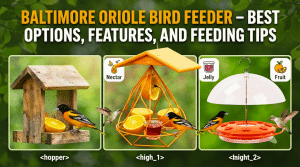
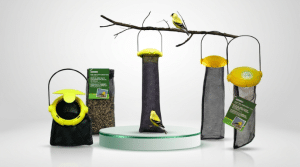
Use feeders to offer seeds that birds prefer. Different birds like different seeds, so try a mix to attract many types.
- Sunflower seeds attract finches and chickadees
- Nyjer seeds are great for goldfinches
- Millet works well for sparrows and doves
- Peanuts attract woodpeckers and jays
- Safflower seeds are good for cardinals and grosbeaks
Natural Insect Habitat
Many birds eat insects as their main food. Create spaces where insects can live to feed the birds naturally.
| Habitat Feature | Insects Supported | Birds Attracted |
|---|---|---|
| Leaf litter | Beetles, ants, spiders | Wrens, robins, thrushes |
| Native flowering plants | Bees, butterflies, caterpillars | Hummingbirds, warblers, finches |
| Dead wood | Wood-boring beetles, termites | Woodpeckers, nuthatches |
Seasonal Feeding Tips
Bird food needs change with the seasons. Offer foods that match what birds eat at each time of year.
- Spring: Provide high-protein foods like mealworms for breeding birds
- Summer: Offer fresh fruits and berries to supplement insects
- Fall: Supply seeds and nuts to help birds prepare for winter
- Winter: Offer high-fat foods like suet and sunflower seeds for energy
Create Water Features
Adding water features to your small yard can attract many birds. Birds need water for drinking and bathing. A good water source keeps them coming back.
Water features also add beauty and life to your yard. There are simple ways to create water spots that birds love.
Birdbaths And Fountains
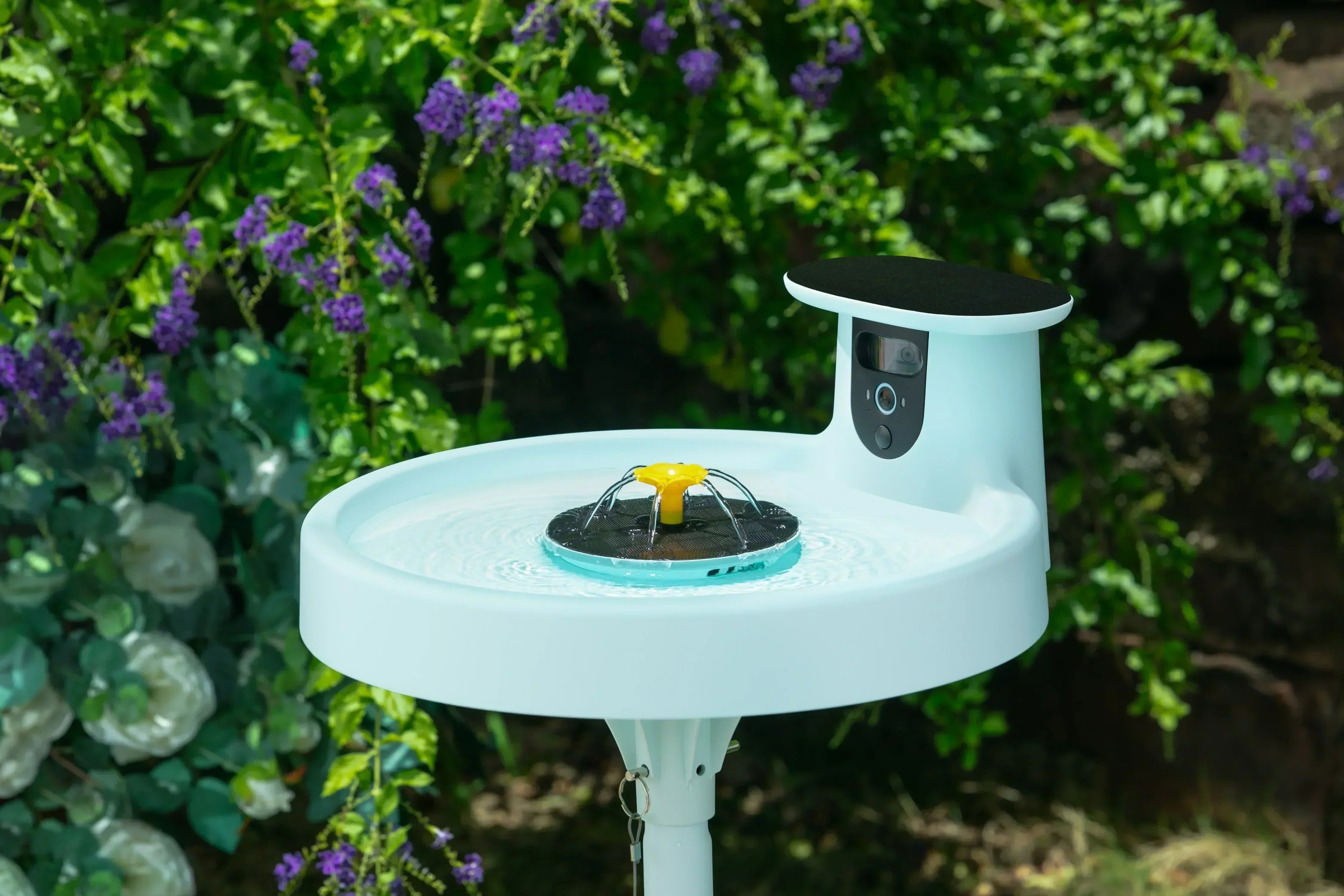
Birdbaths and fountains give birds a safe place to drink and bathe. A shallow birdbath works best. It should be no deeper than two inches.
- Place birdbaths near shrubs or trees for cover.
- Use a fountain or dripper to keep water moving.
- Choose a stable and easy-to-clean basin.
- Keep the water fresh and filled regularly.
Keeping Water Clean
Clean water is important for bird health. Dirty water can spread diseases. Change the water often to stop algae and bugs from growing.
| Cleaning Task | How Often |
| Change water | Daily or every 2 days |
| Scrub birdbath | Weekly with mild soap |
| Check fountain pump | Monthly for clogs |
Attracting Birds Year-round
Water needs change with seasons. In winter, keep water from freezing. Use heated birdbaths or small heaters designed for outdoors.
Tips to attract birds in all seasons:
- Use solar-powered fountains for warm months.
- Place water near bird feeders and shelter.
- Refill water in hot weather twice daily.
- Remove ice gently to keep water accessible in winter.
Credit: www.birdfy.com
Offer Safe Nesting Spots
Attracting birds to a small yard needs safe places for them to build nests. Birds look for spots where they feel protected from dangers.
Providing good nesting spots helps birds settle in your yard and raise their young safely.
Birdhouses And Nesting Boxes
Birdhouses and nesting boxes give birds a cozy and safe place to nest. Use different sizes for various bird species.
Place birdhouses at proper heights and away from busy areas to keep birds comfortable and safe.
- Choose birdhouses with a small entrance hole
- Mount boxes 5 to 10 feet high on trees or poles
- Face entrances away from prevailing winds
- Keep birdhouses clean to prevent parasites
Natural Nesting Materials
Birds use twigs, leaves, and grass to build nests. Offer natural materials to help them build strong nests.
Place small piles of materials in quiet parts of your yard. Avoid using chemicals on these materials.
- Twigs and small sticks
- Dry grass and leaves
- Feathers and soft moss
- Bits of bark and pine needles
Avoiding Predators
Protect birds by reducing dangers from cats, raccoons, and other predators. Safe nests help baby birds survive.
Use guards and place nests away from easy access points. Keep the yard tidy to limit hiding spots for predators.
- Install metal baffles on poles below birdhouses
- Place nests away from low branches and fences
- Keep pet cats indoors or supervised
- Remove dense brush that shelters predators
Maintain A Bird-friendly Environment
Creating a welcoming space for birds in your small yard helps nature thrive. Birds need safe places, food, and clean water to stay healthy.
Maintaining a bird-friendly environment means caring for plants, avoiding chemicals, and offering shelter. These simple actions bring birds closer.
Minimizing Pesticide Use
Pesticides can harm birds directly or reduce the insects they eat. Avoid using chemicals in your yard to keep birds safe.
- Use natural pest control methods like handpicking insects.
- Plant pest-resistant flowers and shrubs.
- Encourage beneficial insects such as ladybugs to control pests.
- Apply organic sprays only if needed and when birds are not present.
Providing Shelter From Weather
Birds need protection from rain, wind, and sun. Plant shrubs and trees or add birdhouses to offer safe places.
| Shelter Type | Benefits |
| Evergreen Shrubs | Provide year-round cover and windbreak |
| Dense Trees | Offer shade and shelter from rain |
| Birdhouses | Safe nesting sites and rest spots |
| Brush Piles | Natural hiding places from predators |
Encouraging Bird Activity
Invite birds to visit and stay by adding food, water, and places to play. Birds enjoy exploring and socializing.
- Put out fresh water in shallow dishes or birdbaths.
- Offer a variety of seeds, nuts, and fruit feeders.
- Plant native flowers that attract insects and provide nectar.
- Include open spaces for birds to fly and perch.
- Keep noise low to avoid scaring birds away.
Credit: dengarden.com
Frequently Asked Questions
How Can I Attract Birds To A Small Yard?
Provide food, water, and shelter to attract birds. Use bird feeders, birdbaths, and native plants. Avoid pesticides and create a safe environment for birds to visit and stay.
What Are The Best Plants For Attracting Birds?
Choose native plants with berries, seeds, and nectar. Examples include coneflowers, sunflowers, and dogwood. These plants offer food and shelter, making your yard bird-friendly.
How Often Should I Clean Bird Feeders?
Clean bird feeders every two weeks to prevent disease. Use warm soapy water and rinse thoroughly. Regular cleaning keeps birds healthy and encourages repeat visits.
What Type Of Bird Feeder Suits Small Yards?
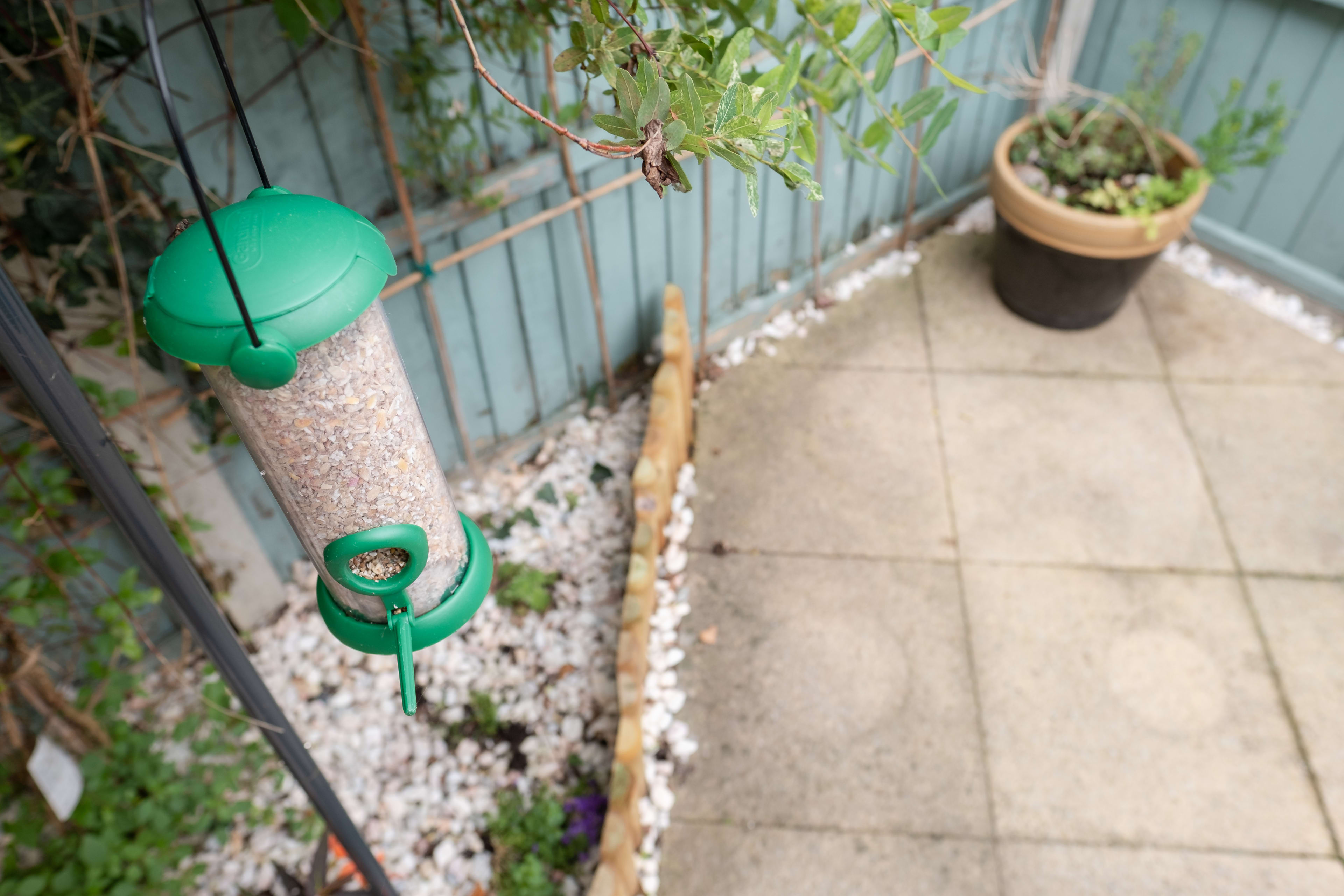
Use compact feeders like tube or platform feeders. These take up little space and attract various bird species. Place feeders near shrubs for added shelter and safety.
Conclusion
Creating a bird-friendly yard is simple and rewarding. Use native plants for food and shelter. Install bird feeders and baths. Keep them clean for healthy birds. Avoid chemicals that harm wildlife. Offer a variety of seeds to attract different species.
Provide safe nesting areas with shrubs or nest boxes. Enjoy the beauty and songs of your feathered visitors. Small changes can make a big difference. Your yard can become a vibrant home for birds. Encourage nature and enjoy its rewards.
Happy birdwatching!