Do you want to bring more life and color to your vegetable garden? Imagine waking up to the cheerful songs of birds while your plants thrive.
Attracting birds to your garden isn’t just beautiful—it can help protect your veggies from pests and boost growth naturally. You’ll discover simple, effective ways to invite these feathered friends to your garden. Keep reading, and you’ll learn how to create a bird-friendly space that benefits both your plants and your peace of mind.

Credit: www.youtube.com
Why Invite Birds To Your Garden
Birds bring life and balance to vegetable gardens. They help control pests and pollinate plants.
Inviting birds creates a natural, healthy environment for your vegetables to grow well.
Benefits Of Birds In Vegetable Gardens
Birds offer many benefits that support garden health and productivity.
- Eat harmful insects like aphids and caterpillars
- Help pollinate flowers for better fruit and vegetable growth
- Spread seeds that can improve garden plant diversity
- Reduce the need for chemical pesticides
- Enhance soil health with their droppings
Common Bird Species In Gardens
Different birds visit gardens depending on the region and plants available.
| Bird Species | Diet | Role in Garden |
| American Robin | Insects, worms, berries | Controls insects and aerates soil |
| Chickadee | Insects, seeds | Feeds on pests and seeds |
| Goldfinch | Seeds | Pollinates and spreads seeds |
| Blue Jay | Insects, nuts, fruits | Controls pests and spreads seeds |
| House Sparrow | Insects, grains | Reduces insect populations |

Credit: www.amazon.com
Creating A Bird-friendly Habitat
Birds help keep your vegetable garden healthy. They eat pests and spread seeds. Creating a habitat they like will bring many birds to your garden.
To attract birds, provide shelter, food, and water. This guide explains how to create a safe and inviting space for birds.
Providing Natural Shelter
Birds need places to hide from predators and bad weather. Trees, shrubs, and brush piles give them natural shelter. Avoid cutting all plants at once to keep their homes safe.
- Plant dense shrubs and small trees
- Create brush piles with sticks and leaves
- Leave dead wood on the ground for insects
- Use birdhouses for nesting spots
Water Sources For Birds
Birds need fresh water for drinking and bathing. Adding a water source helps attract more birds. Keep water clean and change it often.
| Water Source | Benefits | Care Tips |
| Birdbath | Easy to clean and refill | Change water every 2 days |
| Small Pond | Attracts many birds and insects | Keep edges shallow |
| Drip Fountain | Creates moving water sound | Check pump regularly |
Planting Native Vegetation
Native plants provide food and shelter that local birds need. They grow well without much care. Use a mix of flowers, shrubs, and trees to attract different birds.
- Choose berry-producing shrubs
- Plant seed-bearing flowers
- Include trees with nuts or fruit
- Avoid invasive species
Choosing The Right Food
Birds visit gardens for food that meets their needs. Choosing the right food helps attract many bird species.
Offering a variety of foods keeps birds coming back. It also supports their health and energy.
Bird Feeders And Seed Types
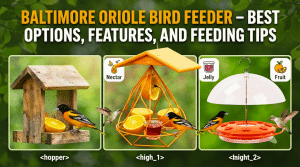
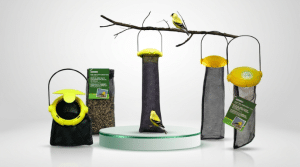
Using bird feeders lets you control the food you offer. Different feeders suit different seed types and bird species.
Choose seeds that fit the local birds’ preferences. Common seed types attract a wide range of birds.
- Black oil sunflower seeds attract finches and chickadees
- Nyjer seeds are loved by goldfinches and siskins
- Millet is popular with sparrows and doves
- Cracked corn draws jays and ground feeders
- Suet blocks attract woodpeckers and nuthatches
Natural Food Sources In Gardens
Planting natural food sources helps birds find snacks on their own. Native plants provide seeds, berries, and insects.
Gardens with diverse plants support more bird species. They also create a safe environment for birds to feed.
- Grow native berry bushes like elderberry and serviceberry
- Include seed-producing flowers such as coneflowers and sunflowers
- Leave leaf litter and logs to attract insects
- Avoid pesticides to keep insects safe for birds
Safe Spaces And Nesting Sites
Creating safe spaces helps birds feel welcome in your vegetable garden. Birds need places to rest and build nests without danger.
Providing nesting sites encourages birds to stay and protect your plants naturally.
Building Birdhouses
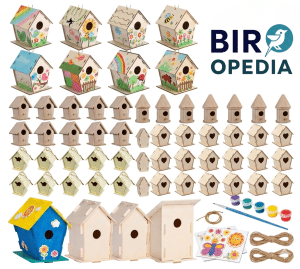
Birdhouses offer shelter and nesting spots for many bird species. You can build or buy birdhouses suitable for local birds.
- Choose untreated wood to keep birds safe.
- Make entrance holes the right size for target birds.
- Place birdhouses 5 to 10 feet off the ground.
- Face entrances away from prevailing winds.
- Clean birdhouses yearly to prevent parasites.
Maintaining Safe Zones
Safe zones give birds quiet areas to feed and rest. Keep these zones free from chemicals and predators.
| Safe Zone Feature | Why It Matters |
| Dense shrubs | Provide cover from predators |
| Mulch and leaf litter | Offer food and nesting materials |
| Water source nearby | Supports hydration and bathing |
| Limit pesticide use | Protects bird health |
Avoiding Harmful Practices
Attracting birds to your vegetable garden helps control pests naturally. Avoid using harmful methods that can scare or hurt birds.
Simple changes in your garden care keep birds safe and encourage them to visit often.
Limiting Pesticide Use
Pesticides can poison birds and reduce their food sources. Cut back on chemicals to protect your garden’s wildlife.
- Use natural pest control methods like handpicking insects.
- Apply organic sprays made from neem or garlic.
- Encourage beneficial insects that eat pests.
- Plant herbs that repel harmful bugs.
- Spot treat only affected areas instead of spraying the entire garden.
Keeping Pets In Check
Pets can chase or frighten birds away. Manage pets to keep your garden a safe place for birds.
| Pet | How to Protect Birds |
| Dogs | Keep on leash or inside garden fences |
| Cats | Use cat-proof fencing or keep indoors |
| Other Pets | Supervise when near garden areas |
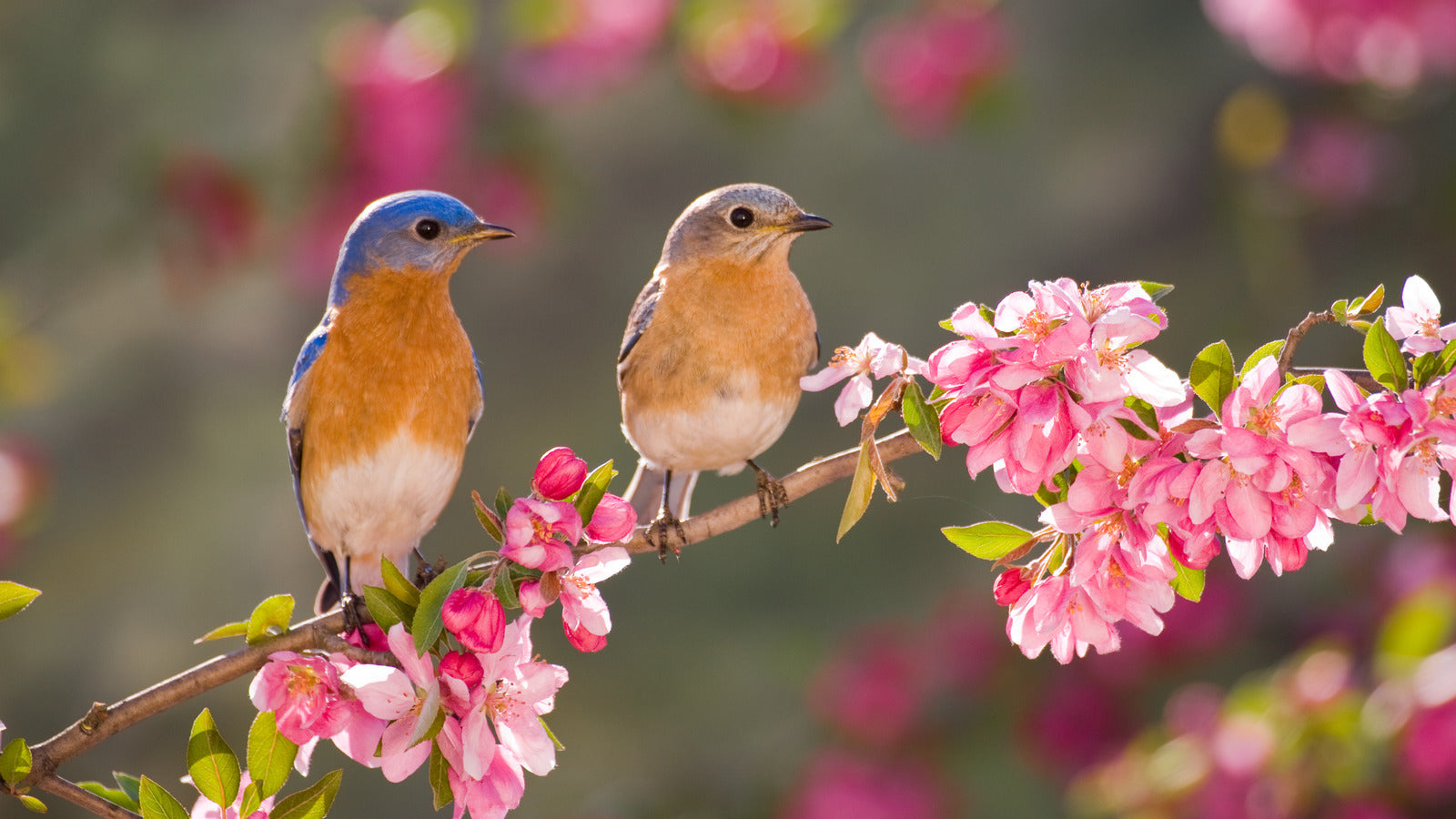
Credit: lakesidegardengallery.com
Monitoring And Enjoying Bird Visitors
Watching birds visit your vegetable garden is a fun way to connect with nature. It helps you learn about different bird species.
By tracking birds, you can see how they help your garden stay healthy and lively. This makes gardening even more rewarding.
Tracking Bird Activity
Keep a notebook or use a simple app to write down the birds you see. Note the time, weather, and what the birds do.
Look for patterns in bird visits. Some birds come early in the morning, others prefer late afternoon. This helps you know when to watch.
- Record bird species names or descriptions
- Note the number of birds at each visit
- Write down what plants or feeders they visit
- Track the times and weather during visits
Using Birdbaths And Feeders Effectively
Place birdbaths where birds feel safe from predators. Shallow water helps birds drink and clean their feathers.
Use feeders with seeds or fruits that attract local birds. Clean feeders often to keep birds healthy and happy.
- Put birdbaths in quiet, shady spots
- Fill feeders with seeds like sunflower or millet
- Change water daily in birdbaths
- Clean feeders every two weeks
Frequently Asked Questions
How Do I Attract Birds Naturally?
To attract birds naturally, plant native trees and shrubs. Provide fresh water with birdbaths and create shelter using dense foliage. Avoid pesticides to ensure a healthy environment. Offer diverse seeds and fruits to cater to different bird species. Maintain your garden for year-round attraction.
What Types Of Plants Attract Birds?
Native plants attract birds effectively. Consider sunflowers, coneflowers, and berry-producing shrubs like elderberry. These provide food and shelter. Additionally, plants like marigolds and zinnias attract insects, a crucial food source for birds. Diversifying plant types enhances the garden’s allure to birds.
Why Are Birds Beneficial For Vegetable Gardens?
Birds control pests by eating insects, reducing the need for chemicals. They aid in pollination, boosting vegetable yields. Birds also spread seeds, promoting plant diversity. Their presence enhances garden aesthetics and contributes to a healthy ecosystem, making them valuable allies in gardening.
How Do I Provide Water For Birds?
Install birdbaths or shallow dishes with clean water. Ensure they’re easily accessible and regularly cleaned. Position them near shrubs for safety and cover. Running water, like a small fountain, can be particularly attractive. Change the water frequently to prevent stagnation and attract more birds.
Conclusion
Attracting birds to your vegetable garden brings many benefits. Birds help control pests and spread seeds naturally. Plant diverse flowers and provide fresh water for them. Use bird feeders and safe shelter spots too. Enjoy watching birds while your garden grows healthy.
Small steps create a lively, thriving garden space. Keep your garden bird-friendly year-round for best results. Your efforts will reward you with nature’s help.