Do you want to bring more life and color to your wooded yard? Imagine waking up to the gentle songs of birds outside your window every morning.
Attracting birds to your yard not only adds beauty but also creates a peaceful, natural space you can enjoy daily. You’ll discover simple, effective ways to make your yard a favorite spot for birds. Keep reading, and you’ll learn how easy it is to turn your outdoor space into a vibrant bird sanctuary.
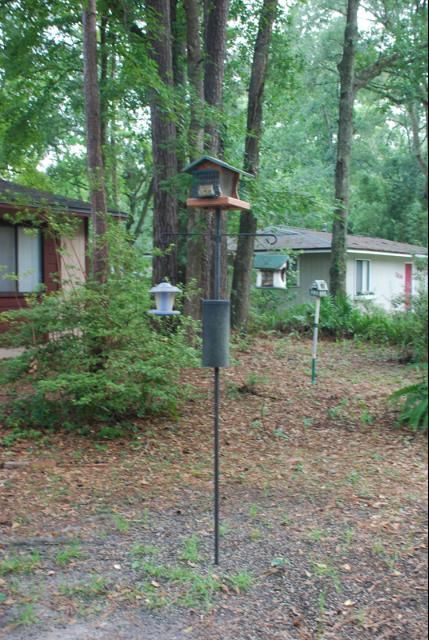
Credit: edis.ifas.ufl.edu
Choose Native Plants
Choosing native plants is key to attracting birds to your wooded yard. Native plants provide the right food and shelter birds need.
These plants grow well in your area and support the local ecosystem. Birds recognize and rely on them for survival.
Benefits Of Native Vegetation
Native plants offer food sources like berries and seeds that local birds eat. They also provide natural nesting places and protection.
These plants require less water and care because they are adapted to your region. This helps keep your yard healthy and bird-friendly.
- Provide natural food and shelter for birds
- Support local wildlife and biodiversity
- Require less maintenance and water
- Help preserve the natural landscape
Best Plants For Local Birds
Choose plants that produce fruits, seeds, or nectar to attract different bird species. Shrubs and trees are good choices for shelter and nesting.
- Serviceberry: offers berries loved by many birds
- Black-eyed Susan: attracts insects birds eat
- Eastern Red Cedar: provides shelter and berries
- Milkweed: feeds butterflies and attracts hummingbirds
- Wild Cherry: produces fruit and nesting sites
Create Water Sources
Birds need water for drinking and bathing. Adding water sources in your wooded yard helps attract them. Water also supports other wildlife and plants.
Providing clean and safe water encourages birds to visit and stay longer in your yard. You can offer water in many ways.
Birdbaths And Ponds
Birdbaths give birds a shallow place to drink and bathe. Place them where birds feel safe and can watch for predators. Small ponds also attract more birds by offering larger water areas.
Choose birdbaths with rough surfaces so birds can grip easily. Ponds with gently sloping edges help birds enter and exit the water safely.
- Place birdbaths near trees or shrubs for cover
- Keep water depth shallow, about 1 to 2 inches
- Install a small fountain or dripper to keep water moving
- Build or buy ponds with natural edges and plants
Maintaining Clean Water
Clean water keeps birds healthy and coming back. Change water often to prevent germs and algae growth. Dirty water can make birds sick.
Use a brush to scrub birdbaths weekly. Remove leaves and debris from ponds regularly. Avoid using soaps or chemicals that can harm birds.
- Refill birdbaths with fresh water every 2-3 days
- Scrub birdbaths with a brush and water weekly
- Clear pond water of fallen leaves and algae
- Use natural methods to control mosquitoes in ponds
Provide Food Options
Attracting birds to your wooded yard starts with offering the right food. Birds visit places where they find natural and reliable food sources. Feeding them can keep them coming back year-round.
Providing a variety of foods helps different bird species. Some birds prefer seeds, while others like fruits or insects. Understanding their needs can make your yard a bird-friendly spot.
Natural Food Sources
Natural food sources are best for attracting birds. Trees, shrubs, and flowers in your yard can provide seeds, berries, and insects. These foods help birds stay healthy and comfortable.
- Plant native berry bushes like elderberry or serviceberry.
- Grow seed-producing plants such as sunflowers and coneflowers.
- Leave leaf litter and dead wood to attract insects.
- Avoid using pesticides that harm insects birds eat.
Using Feeders Effectively
Feeders are a great way to offer extra food. Place them where birds feel safe and can easily access food. Clean feeders often to keep birds healthy.
| Feeder Type | Best Food | Birds Attracted |
|---|---|---|
| Tube Feeder | Mixed seeds, sunflower seeds | Finches, chickadees, sparrows |
| Suet Feeder | Suet cakes with insects | Woodpeckers, nuthatches, wrens |
| Platform Feeder | Peanuts, fruit, cracked corn | Jays, cardinals, doves |
| Hummingbird Feeder | Sugar water solution | Hummingbirds |

Credit: lawnlove.com
Offer Shelter And Nesting Spots
Birds need safe places to rest and build nests. Providing shelter helps attract more birds to your wooded yard.
Good shelter also protects birds from bad weather and predators. This makes your yard a welcoming home.
Building Birdhouses
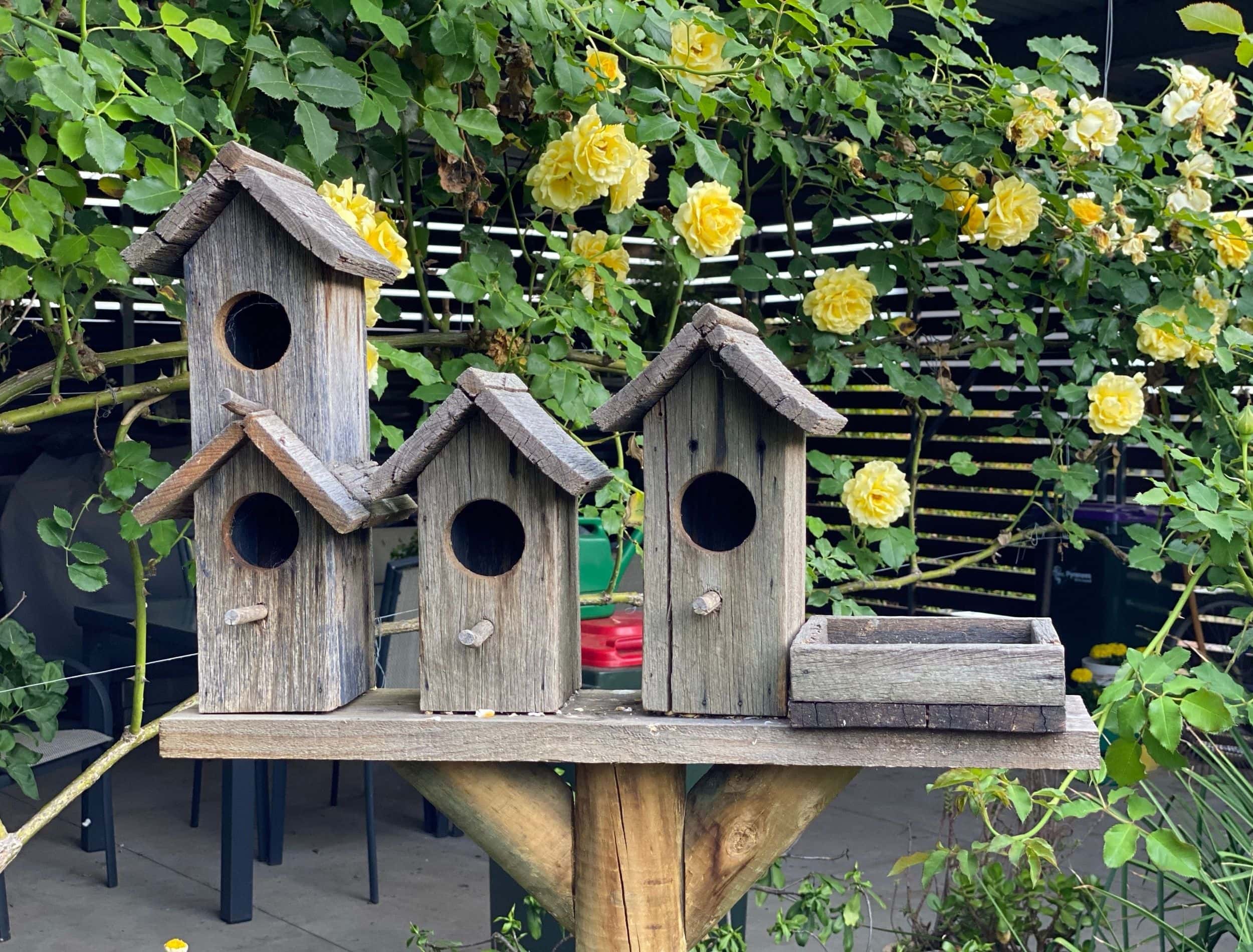
Birdhouses give birds safe spots to lay eggs and raise chicks. You can build or buy different styles for various birds.
Place birdhouses in quiet areas, away from strong wind and direct sun. Make sure the entrance is the right size for local birds.
- Use untreated wood to avoid harmful chemicals
- Paint only the outside with non-toxic paint
- Mount birdhouses 5 to 10 feet above the ground
- Clean birdhouses yearly to prevent disease
Preserving Natural Cover
Natural cover like trees and shrubs gives birds places to hide and nest. Keep these plants healthy and dense.
Leave fallen branches and leaf piles. These provide shelter and attract insects birds like to eat.
- Protect mature trees and avoid cutting too many branches
- Plant native shrubs that offer berries and dense cover
- Create brush piles from trimmed branches for ground cover
- Reduce lawn mowing to allow natural plants to grow
Avoid Harmful Chemicals
Using harmful chemicals in your yard can scare birds away. These chemicals can hurt birds and other wildlife.
Choosing safer methods helps protect birds and keeps your yard healthy.
Safe Pest Control
Use natural ways to control pests instead of pesticides. Birds are sensitive to poisons and can get sick from chemicals.
- Pick plants that bugs do not like
- Use barriers like nets or row covers
- Encourage helpful insects like ladybugs
- Remove pest eggs and larvae by hand
Organic Gardening Practices
Organic gardening avoids chemicals by using natural materials and methods. This creates a safe space for birds.
| Practice | Benefit for Birds |
| Compost Use | Improves soil and feeds insects birds eat |
| Mulching | Keeps soil moist and supports insect life |
| Crop Rotation | Reduces pests without chemicals |
| Plant Diversity | Offers food and shelter |

Credit: www.youtube.com
Encourage Biodiversity
Biodiversity helps create a lively and healthy yard. Birds thrive where many plants and insects live. You can help by adding different plants and food sources.
Encouraging biodiversity means inviting many species to your yard. This gives birds plenty of food and shelter all year round.
Attracting Insects For Food
Insects are a vital food source for many birds. Plant flowers that attract bees, butterflies, and beetles. Avoid using pesticides to keep insects safe.
- Plant native wildflowers
- Grow herbs like dill and fennel
- Keep a small patch of bare soil for ground insects
- Let some leaves and wood pile up for shelter
Mixing Plant Types
Use a mix of trees, shrubs, and flowers. Different plants provide food and homes for different bird species. Layers of plants create a natural habitat.
| Plant Type | Benefit for Birds |
| Trees | Offer shelter and nesting spots |
| Shrubs | Provide berries and cover |
| Flowers | Attract insects for food |
| Grasses | Supply seeds and hiding places |
Maintain Your Yard Year-round
Attracting birds to your wooded yard requires care all year. Birds need food, shelter, and water in every season.
By keeping your yard healthy throughout the year, you create a safe place for birds to visit and stay.
Seasonal Care Tips
Each season brings different needs for your yard. Adjust your care to support birds during spring, summer, fall, and winter.
- Spring:Plant native flowers and trees to provide food and shelter.
- Summer:Keep water sources clean and fresh for drinking and bathing.
- Fall:Leave some fallen leaves and seeds for birds to eat.
- Winter:Offer high-energy foods like suet and sunflower seeds.
Preparing For Migration
Many birds travel long distances during migration. Your yard can be a resting spot if it has food and shelter.
Keep feeders full and water available. Avoid using pesticides to keep the environment safe.
- Provide native plants that produce berries or seeds.
- Keep shrubs and trees dense for shelter.
- Offer fresh water in shallow dishes.
- Clean feeders regularly to prevent disease.
Frequently Asked Questions
What Are The Best Plants To Attract Birds In A Wooded Yard?
Native plants like dogwood, elderberry, and serviceberry provide food and shelter. These plants attract birds by offering berries, seeds, and nesting spots naturally suited to local species.
How Can Bird Feeders Help Attract Birds To My Yard?
Bird feeders offer easy food sources, attracting various bird species. Use feeders with seeds like sunflower or nyjer to attract songbirds and finches to your wooded yard.
What Water Features Attract More Birds To Wooded Areas?
Birdbaths or small ponds provide essential drinking and bathing spots. Moving water, like a dripper or fountain, especially attracts birds by signaling fresh, clean water nearby.
How Important Is Providing Shelter For Birds In Wooded Yards?
Shelter protects birds from predators and harsh weather. Dense shrubs, brush piles, and nesting boxes create safe, comfortable habitats that encourage birds to stay and breed in your yard.
Conclusion
Creating a bird-friendly wooded yard is simple and rewarding. Start by adding bird feeders and water sources. Plant native trees and shrubs for shelter and food. Keep your yard clean and safe from predators. Enjoy the sights and sounds of birds visiting your space.
Your efforts support local wildlife and enhance your outdoor experience. Patience is key; birds will come with time. Observe and learn from their habits. Each visit brings new joy and nature’s beauty into your life. Embrace this harmony with nature and create your own bird haven.