
Do you want to see more colorful birds fluttering around your yard? Imagine stepping outside to hear cheerful bird songs and watch beautiful feathers dance in the breeze.
Attracting birds to your yard is easier than you think. With a few simple steps, you can create a welcoming space that birds will love. Keep reading to discover practical tips that will turn your outdoor space into a lively bird paradise you’ll enjoy every day.
Credit: www.outdoorguide.com
Choose The Right Plants
Choosing the right plants is key to attracting birds to your yard. Birds look for food, shelter, and nesting spots.
Plants that provide seeds, berries, and cover will invite more birds to visit and stay.
Native Flowers And Shrubs
Native flowers and shrubs are best for your local bird species. They offer natural food and shelter.
These plants support insects, which many birds eat. They also provide safe places to hide from predators.
- Echinacea (Coneflower)
- Milkweed
- Serviceberry
- Red Twig Dogwood
- Blueberry Bush
Fruit-bearing Trees
Fruit-bearing trees supply fresh food for birds. Many species eat berries and small fruits.
Plant trees that produce fruit in different seasons to feed birds year-round.
- Serviceberry
- Mulberry
- Cherry Trees
- Hawthorn
- Dogwood
Seasonal Blooms
Seasonal blooms attract birds by providing nectar and insects. They add color and food variety.
Choose plants that flower in spring, summer, and fall to keep birds visiting all year.
- Spring: Tulips, Daffodils
- Summer: Sunflowers, Bee Balm
- Fall: Goldenrod, Asters
Set Up Bird Feeders
Setting up bird feeders is a great way to invite birds to your yard. Feeders provide food and attract different bird species.
With the right feeders and food, you can enjoy watching birds all year round.
Types Of Feeders
There are many types of bird feeders. Each type attracts different birds and works best with certain foods.
- Tube feeders hold small seeds and attract finches and chickadees.
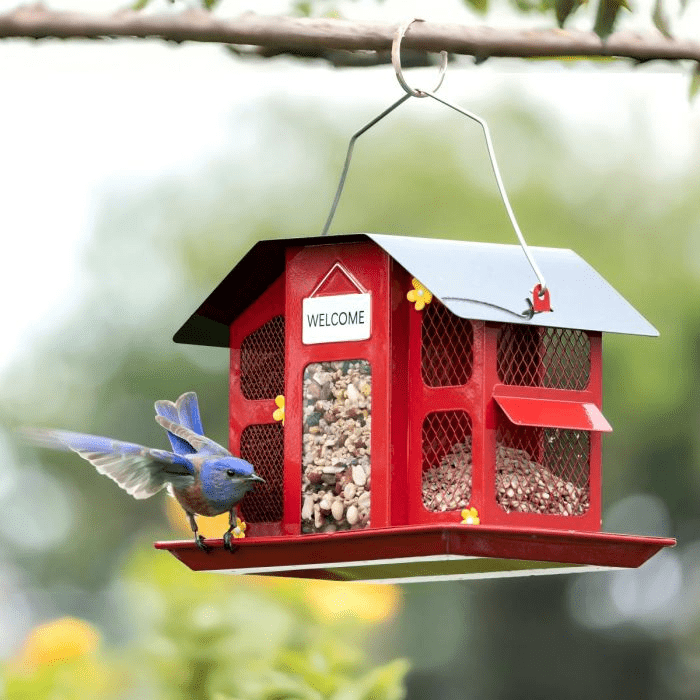
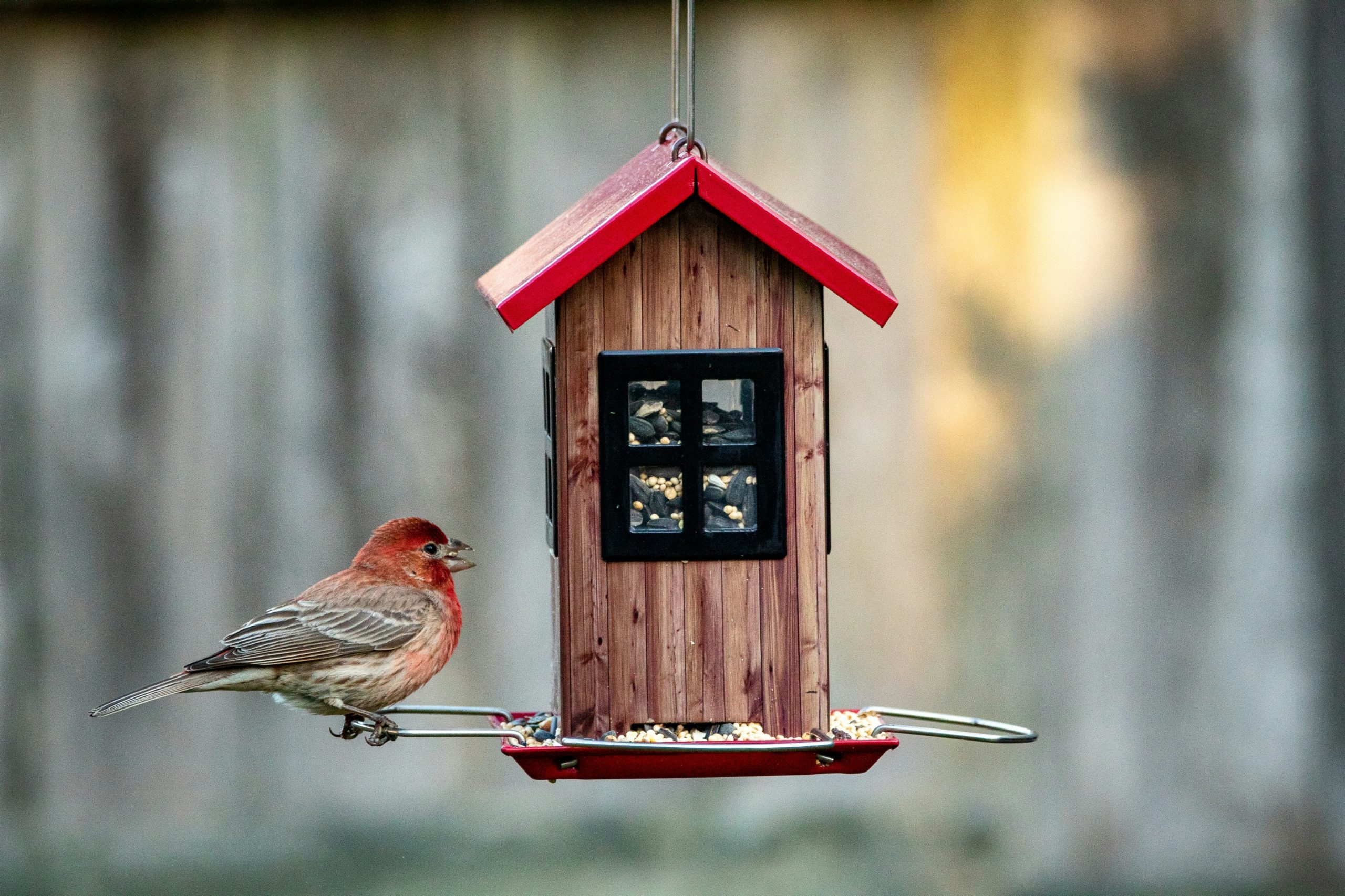
- Hopper feeders look like small houses and hold large amounts of seed.
- Platform feeders are flat trays that attract many birds including ground feeders.
- Suet feeders hold suet cakes that attract woodpeckers and nuthatches.
- Nectar feeders are for hummingbirds and orioles that like sweet liquids.
Best Bird Foods
Choosing the right food helps attract the birds you want to see. Different birds like different seeds and foods.
- Black-oil sunflower seeds are popular with many bird types.
- Nyjer (thistle) seeds attract finches like goldfinches and siskins.
- Peanuts are good for jays, woodpeckers, and titmice.
- Suet provides energy for woodpeckers and insect-eaters.
- Nectar made from sugar water attracts hummingbirds and orioles.
Feeder Placement Tips
Where you place feeders affects which birds visit and how safe they feel. Good placement makes feeding easy and comfortable.
- Place feeders near trees or shrubs for cover and shelter.
- Keep feeders at least 10 feet from windows to prevent collisions.
- Mount feeders at different heights to attract various bird species.
- Keep feeders clean and dry to avoid mold and disease.
- Avoid placing feeders too close to places where predators hide.
Provide Fresh Water
Birds need fresh water for drinking and bathing. Providing clean water helps attract them to your yard. Water is a key part of a bird-friendly space.
Even small amounts of water can bring many birds. Adding water features makes your yard more inviting.
Birdbaths And Fountains
Birdbaths give birds a place to drink and bathe. Choose shallow baths about 1 to 2 inches deep. Fountains add movement and sound, which attract birds.
Place baths and fountains where birds can see predators easily. Use sturdy materials like stone or ceramic that stay cool.
- Keep baths shallow for safety
- Place near shrubs for quick shelter
- Use fountains to keep water moving
Keeping Water Clean
Dirty water can harm birds and stop them from coming. Change water every two to three days. Clean baths with a brush to remove algae and dirt.
Use mild soap or vinegar to clean baths but rinse well. Avoid chemicals that can be harmful to birds.
- Replace water often
- Scrub baths weekly
- Rinse cleaning tools thoroughly
- Keep area free of debris
Water Features For All Seasons
Water needs change with the seasons. In winter, use heated birdbaths to stop water from freezing. In summer, check water daily to keep it cool and fresh.
Add water features that work year-round. Small fountains or drip systems keep water moving. This helps prevent ice and mosquitoes.
- Use heated baths in winter
- Refill often in hot months
- Choose features that prevent freezing
- Keep water flowing to stop mosquitoes
Credit: www.kingsyard.com
Create Shelter And Nesting Spots
Birds need safe places to rest and build nests. Providing shelter helps them feel secure.
You can attract more birds by creating spots where they can hide and raise their young.
Birdhouses And Nesting Boxes
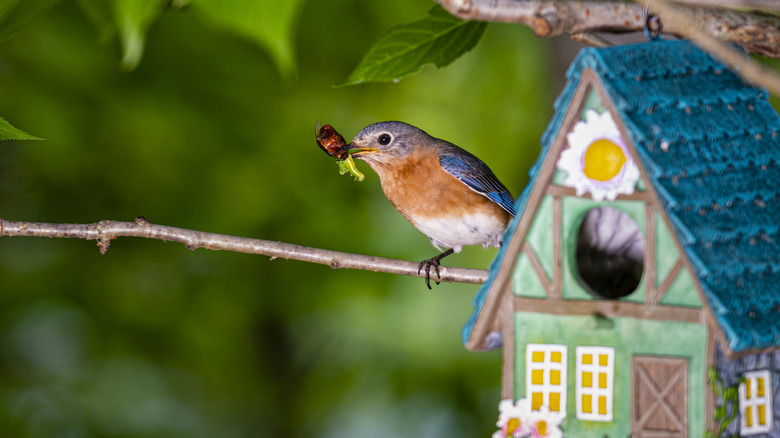
Birdhouses give birds a safe place to build nests. Choose boxes that fit the types of birds in your area.
Place birdhouses in quiet spots, away from strong winds and direct sunlight. Keep them clean each year.
- Use untreated wood for natural protection
- Ensure the entrance hole size matches bird species
- Mount boxes 5 to 10 feet above the ground
- Face the entrance away from prevailing winds
Natural Shelter Options
Trees and shrubs provide excellent shelter and nesting spots. Birds use dense branches to hide and rest.
Plant native bushes and small trees to create a natural habitat. Leave dead branches for extra shelter.
- Evergreens offer year-round cover
- Thorny shrubs protect from predators
- Brush piles create hiding places
- Native plants attract local bird species
Safe Spaces From Predators
Birds need protection from cats, raccoons, and other predators. Create safe spaces to keep them secure.
Use barriers and place shelters where predators cannot reach. Avoid placing nests too close to the ground.
- Install predator guards on poles
- Keep bird feeders away from dense cover
- Trim lower branches to reduce hiding spots for predators
- Place nesting boxes on metal or smooth poles
Maintain A Bird-friendly Environment
Creating a safe and welcoming space helps birds visit your yard often. Birds need clean areas with natural food sources.
Keeping your yard free of harmful chemicals and providing natural habitats supports bird health. Follow simple steps to maintain this environment.
Avoiding Pesticides
Pesticides can harm birds directly or reduce their food supply. Avoid using chemicals on your plants and lawn.
Instead, try natural pest control methods like handpicking bugs or using insect traps. This keeps your yard safe for birds and insects alike.
Encouraging Insects For Food
Insects are a key food source for many birds. Supporting insects helps keep your yard lively and bird-friendly.
- Plant native flowers and shrubs that attract pollinators.
- Leave some leaf litter and dead wood for insects to live.
- Avoid cleaning up all plant debris to keep insect habitats intact.
- Provide shallow water sources for insects and birds.
Regular Yard Clean-up
Keeping your yard tidy helps prevent disease and keeps birds safe. Remove trash and old food that can attract pests.
| Task | Frequency |
| Clear fallen fruit | Weekly |
| Remove old bird feeders | Monthly |
| Trim overgrown plants | Monthly |
| Check for standing water | Weekly |
Attract Specific Bird Species
Birds bring life and color to your yard. Different birds like different things. You can attract the birds you want by providing what they need.
Learn how to welcome hummingbirds, songbirds, and woodpeckers. Use the right plants, feeders, and shelters for each type.
Tips For Hummingbirds
Hummingbirds love bright flowers and sweet nectar. Plant flowers like trumpet vine or bee balm to attract them.
- Use red or orange feeders filled with sugar water.
- Keep feeders clean to stop mold and bacteria.
- Place feeders in shady spots to keep nectar fresh.
- Plant native flowering plants that bloom in spring and summer.
Welcoming Songbirds
Songbirds enjoy seeds, water, and safe places to nest. Offer a variety of seeds to attract many types.
| Seed Type | Birds Attracted |
| Black Oil Sunflower | Finches, Cardinals, Chickadees |
| Nyjer (Thistle) | Goldfinches, Siskins |
| Millet | Sparrows, Doves |
| Cracked Corn | Doves, Jays, Pigeons |
Provide a shallow birdbath with fresh water. Add shrubs or trees for cover and nesting spots.
Inviting Woodpeckers
Woodpeckers like suet and insects. Hang suet feeders and leave dead trees or logs in your yard.
Try this simple homemade suet recipe to attract woodpeckers:
- 1 cup peanut butter
- 1 cup lard or vegetable shortening
- 2 cups birdseed
Mix all ingredients and press into a mold. Chill until firm. Hang in a mesh bag outside.
Seasonal Care For Birds
Birds need different care as seasons change. Giving them the right support helps them stay healthy all year.
Seasonal care means changing your yard to fit birds’ needs in winter, spring, summer, and fall.
Winter Feeding Tips
Winter is hard for birds because food is scarce. Feed them high-energy foods to help them survive cold days.
Keep feeders clean and full to attract more birds in winter.
- Offer seeds like sunflower and safflower
- Provide suet for extra fat and energy
- Keep fresh water available to prevent dehydration
- Place feeders near shelter to protect birds from wind
Spring Nesting Preparations
Spring is nesting time. Birds look for safe places to build nests and raise babies.
Provide materials and spaces that help birds start their nests early and safely.
- Put up birdhouses or nesting boxes
- Leave small twigs, grass, and leaves in the yard
- Avoid trimming bushes too early to keep natural cover
- Keep cats indoors to protect nesting birds
Summer And Fall Maintenance
Summer and fall are busy for birds. They need water and food as they raise young and prepare for migration.
Keep your yard clean and safe to support birds during these active seasons.
- Provide fresh water for drinking and bathing
- Keep feeders stocked with seeds and nuts
- Remove old nests after babies leave to prevent pests
- Plant native flowers and shrubs for food and shelter
Credit: www.kingsyard.com
Frequently Asked Questions
How Do I Attract More Birds To My Yard?
Provide fresh water, bird feeders, and native plants. Avoid pesticides and offer shelter with trees or shrubs. Regularly clean feeders to keep birds healthy.
What Types Of Food Attract Different Birds?
Seeds like sunflower and millet attract many species. Suet appeals to woodpeckers. Fruits and nectar attract hummingbirds and orioles. Diversity in food types draws varied bird species.
How Important Is Water For Attracting Birds?
Water is essential for drinking and bathing. A birdbath or shallow water source encourages visits. Change water frequently to prevent mosquitoes and keep it clean.
Can I Attract Birds Year-round In My Yard?
Yes, by providing food, water, and shelter throughout seasons. Plant evergreens and leave seed heads in winter. Maintain feeders and water sources regularly for continuous attraction.
Conclusion
Inviting birds to your yard enriches your outdoor experience. Simple steps make a big difference. Provide food, water, and shelter. Native plants attract more birds. Remember, patience is key. Watch as nature unfolds before you. Enjoy the sights and sounds of bird visitors.
Their songs bring joy and tranquility. Create a welcoming environment. Your yard becomes a bird haven. Share this joy with family and friends. Soon, you’ll notice a lively, colorful yard. Nature’s beauty at your doorstep. Birds bring life and energy.
Start today and transform your space. Your efforts will be rewarding.



