
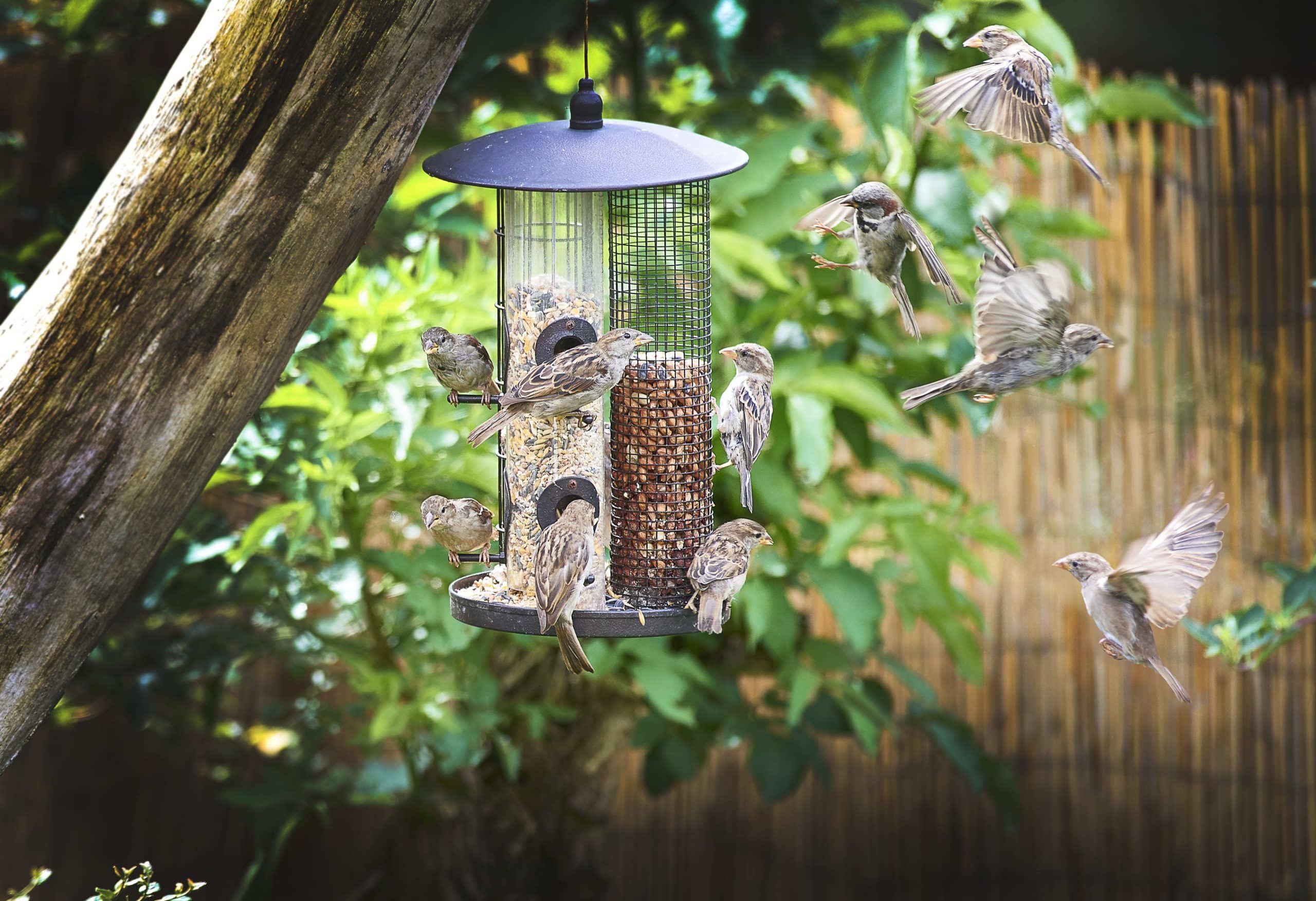
If you want to bring more birds to your garden, composting is a simple and natural way to do it. Imagine waking up to the cheerful songs of birds right outside your window.
By using compost the right way, you can create an inviting space full of food and shelter for your feathered friends. You’ll discover easy steps to attract birds using your compost pile. Ready to turn your garden into a bird’s paradise?
Keep reading to learn how!
Credit: help.gardeningexpress.co.uk
Benefits Of Birds In Your Garden
Birds bring many good things to your garden. They help keep plants healthy and make your garden lively.
Attracting birds with compost is an easy way to enjoy these benefits all year long.
Natural Pest Control
Birds eat many insects that can harm your plants. They help reduce pests without chemicals.
Having birds around means fewer bugs eating your leaves and fruits.
- Birds eat caterpillars, beetles, and aphids.
- They keep pest numbers low naturally.
- Birds protect plants by eating harmful insects.
Pollination Boost
Some birds help flowers make seeds by moving pollen. This helps plants grow fruits and vegetables.
Birds like hummingbirds are great pollinators for many types of flowers.
- Birds carry pollen from flower to flower.
- Pollination helps plants produce more fruits.
- Healthy pollination improves garden harvests.
Enhanced Garden Beauty
Birds add color and sound to your garden. Their presence makes the space more enjoyable.
Watching birds can relax you and connect you with nature.
- Bright feathers add color to the garden.
- Bird songs create a peaceful atmosphere.
- Bird activity makes the garden feel alive.
Credit: dengarden.com
Why Compost Attracts Birds
Compost piles are great spots for birds to find food and shelter. Birds visit compost to meet their daily needs easily.
Understanding why birds are drawn to compost helps gardeners create bird-friendly spaces.
Rich Food Sources
Compost contains many food items that birds like. It holds leftover fruits, seeds, and plant parts that birds can eat.
- Fruit scraps provide natural sugars and vitamins
- Seeds from plants offer energy and nutrients
- Vegetable peels attract birds looking for fresh bites
Warmth And Shelter
Compost piles create warmth as materials decompose. This warmth helps birds stay comfortable in cooler weather.
| Benefit | Description |
|---|---|
| Heat | Decomposing materials raise the temperature inside the pile |
| Cover | Leaves and sticks form shelter for resting and hiding |
| Protection | Dense layers shield birds from wind and predators |
Increased Insect Activity
Compost attracts many insects that birds eat. Bugs and worms thrive in the rich soil of compost.
- Beetles and larvae hide in the compost
- Earthworms improve soil and provide protein for birds
- Flies and their larvae are easy prey for insect-eating birds
Choosing The Right Compost Materials
Compost attracts birds by providing a natural food source and habitat. Choosing the right materials helps you create a bird-friendly compost pile. This guide covers what to add and what to avoid.
Good compost materials break down easily and offer nutrients that birds enjoy. Let's explore some common ingredients and their benefits.
Fruit And Vegetable Scraps
Fruit and vegetable scraps add moisture and nutrients to compost. Birds are drawn to the sweet smells and small insects that gather here.
- Use apple cores, banana peels, and melon rinds.
- Chop scraps into small pieces for faster breakdown.
- Avoid citrus peels in large amounts as they slow composting.
- Remove any moldy or rotten pieces to keep the pile healthy.
Coffee Grounds And Eggshells
Coffee grounds provide nitrogen and help keep the compost moist. Eggshells add calcium, which strengthens bird bones and eggs.
| Material | Benefit for Compost | Benefit for Birds |
| Coffee Grounds | Rich in nitrogen | Attracts insects birds eat |
| Eggshells | Add calcium | Helps bird bone and egg health |
Avoiding Harmful Ingredients
Some compost materials can harm birds or slow composting. Avoid these to keep birds safe and your compost healthy.
- Do not add meat, dairy, or oily foods.
- Avoid using chemically treated plants or garden waste.
- Skip adding pet waste or diseased plants.
- Do not use black walnut leaves or branches.
Credit: dengarden.com
Setting Up Your Compost For Birds
Attracting birds to your garden can be easy with a good compost setup. Birds find food and shelter near compost piles. This guide helps you prepare your compost to welcome birds.
Proper location, the right bin, and good care of your compost will make it a bird-friendly spot. Let’s explore these key points.
Location Tips
Choose a quiet and safe place for your compost. Birds like spots that are close to plants and away from busy areas. Partial shade helps keep the compost moist and cool.
- Place compost near shrubs or trees for cover
- Keep it away from strong winds
- Ensure easy access for birds and yourself
- Avoid areas with heavy foot traffic
Compost Bin Options
You can use different types of bins to hold your compost. Choose one that fits your space and lets birds find food easily. Bins also protect compost from pests and keep it tidy.
| Bin Type | Benefits | Drawbacks |
| Open Pile | Easy for birds to search food | Can attract unwanted pests |
| Plastic Bin | Neat and pest-resistant | Less access for birds |
| Wooden Bin | Natural look, good airflow | Needs maintenance, can rot |
Maintaining Moisture And Aeration
Birds like compost that is moist but not wet. Good air flow helps break down materials and keeps the compost healthy. Turn your compost regularly to mix air inside.
Tips for moisture and aeration:
- Check compost moisture weekly; it should feel like a damp sponge
- Add dry leaves or paper if compost is too wet
- Turn compost every 1 to 2 weeks to add air
- Use a garden fork or compost aerator tool
Additional Bird-friendly Garden Features
Adding features beyond compost can help attract more birds. These elements make your garden inviting and safe for them.
Birds need food, water, and shelter to visit and stay. You can create a welcoming space by adding a few simple items.
Providing Fresh Water
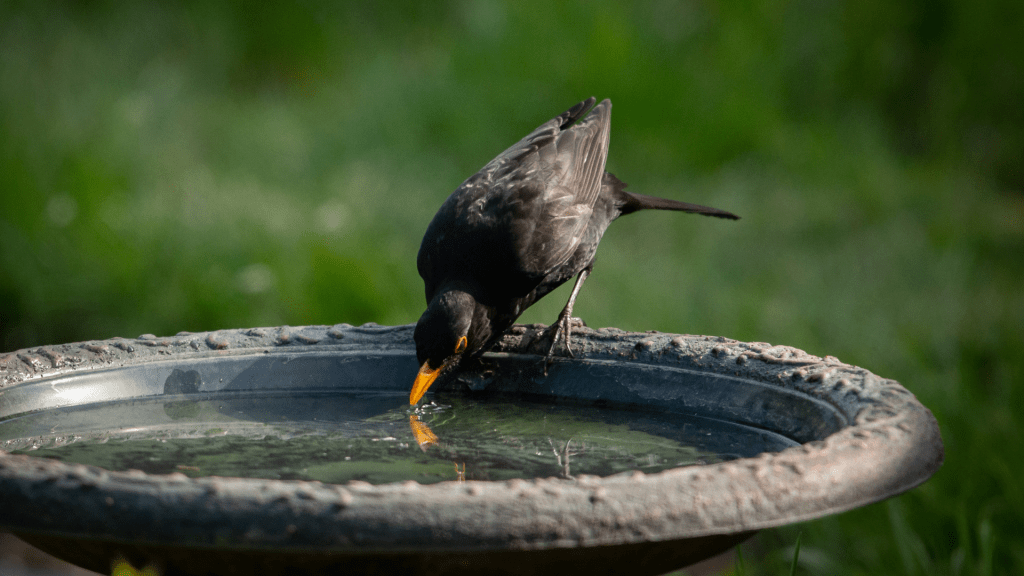
Birds need clean water for drinking and bathing. A shallow water source helps keep them healthy and happy.
Use a birdbath or a shallow dish. Change the water every few days to keep it fresh and clean.
- Place water near shrubs or trees for cover
- Keep water shallow, about 1-2 inches deep
- Use a dripper or small fountain to attract more birds
Planting Native Flowers And Shrubs
Native plants provide natural food and shelter for local birds. They also attract insects that birds eat.
Choose a variety of plants that bloom at different times. This gives birds food all year round.
- Plant flowers with seeds or berries
- Add shrubs for hiding spots and food
- Include plants that attract insects
Safe Nesting Spots
Birds need safe places to build nests and raise their young. Providing nesting spots helps increase bird visits.
Use natural materials or birdhouses placed in quiet areas. Avoid spots with too much human activity or predators.
- Leave dead trees or branches for natural nests
- Install birdhouses with proper entrance sizes
- Place nests away from busy paths and pets
Seasonal Composting Tips For Bird Activity
Composting can attract birds to your garden by providing food and shelter. Different seasons need different composting practices to keep birds active.
Adjusting your compost methods with the seasons helps create a bird-friendly environment all year long.
Spring And Summer Strategies
In spring and summer, birds look for insects and fresh plants. Your compost pile can be a source of both. Keep your compost moist to attract worms and bugs.
Add fruit and vegetable scraps regularly. This attracts insects that birds feed on. Turn your compost often to keep it fresh and help bugs multiply.
- Keep compost moist but not soggy
- Include kitchen scraps like fruit peels and veggie bits
- Turn compost weekly to increase insect activity
- Use shredded leaves or grass clippings to provide shelter for bugs
Fall And Winter Adjustments
In fall and winter, birds need more seeds and shelter. Add dry leaves and straw to your compost. These materials keep it insulated and attract insects for birds.
Limit green waste to slow decomposition and keep the pile stable. Add some bird-friendly seeds near the compost to help birds find food easily.
- Add dry leaves and straw for insulation
- Reduce fresh green scraps to slow composting
- Place seeds near the compost area
- Keep compost pile covered to protect insects from cold
Common Mistakes To Avoid
Attracting birds with compost is a natural way to support wildlife. Avoid mistakes that can harm birds or reduce compost quality.
Learn what to skip for safe and healthy bird visits around your compost area.
Using Chemicals Or Pesticides
Do not add chemicals or pesticides to your compost. These substances can poison birds and other wildlife.
- Skip chemical fertilizers and weed killers.
- Avoid pesticide-treated plant waste in the compost.
- Use only natural, organic materials.
- Choose compost starters that are free of chemicals.
Neglecting Compost Turning
Turning compost keeps it healthy and helps attract birds. Neglecting this task causes bad smells and slows decomposition.
| Turning Frequency | Effect on Compost |
|---|---|
| Every 3-5 days | Fast decomposition and fresh compost |
| Once a month | Slow breakdown, may attract pests |
| Rarely or never | Bad smell and harmful bacteria growth |
Ignoring Bird Safety
Birds need a safe environment near compost. Avoid risks like predators, sharp objects, and toxic plants.
- Place compost away from busy paths and pets.
- Keep sharp tools and waste out of reach.
- Remove toxic plants from the area.
- Provide fresh water nearby for the birds.
Frequently Asked Questions
How Does Compost Attract Birds?
Compost attracts birds by providing a rich source of food. Decomposing organic matter hosts insects, worms, and other creatures. Birds feast on these, enhancing their habitat. Additionally, the organic matter in compost improves soil health, attracting even more wildlife. This creates a lively ecosystem in your garden.
What Types Of Birds Are Attracted To Compost?
Compost attracts a variety of birds, including robins, sparrows, and blackbirds. These birds are drawn to the insects and worms found in decomposing material. Thrushes and wrens may also visit, searching for food. The diversity of birds depends on your local area and climate conditions.
Is Compost Safe For Birds?
Yes, compost is generally safe for birds. However, ensure it doesn't contain harmful substances. Avoid adding meat, dairy, and processed foods to compost. These can attract pests and harm birds. Always keep compost well-maintained to prevent mold, which can be toxic to birds.
How Do I Start A Bird-friendly Compost?
Start a bird-friendly compost by layering green and brown materials. Use kitchen scraps, yard waste, and leaves. Maintain moisture and aerate regularly to foster decomposition. Avoid chemicals and processed foods. This setup creates an ideal environment for insects, attracting birds to your garden.
Conclusion
Attracting birds with compost is simple and rewarding. Birds love the food and shelter compost provides. Keep your compost healthy and moist to invite more birds. Watch as your garden becomes lively and full of life. Enjoy the sounds and colors birds bring every day.
Small efforts create a welcoming space for nature close to home. Start composting today and see the birds arrive. Nature’s little visitors will thank you.


