If you love watching birds visit your garden, you know how important fresh water is to them—especially in cold weather. But when temperatures drop, water freezes quickly, leaving birds thirsty and leaving you with fewer feathered friends to enjoy.
What if you could change that? A heated bird bath keeps water from freezing, inviting birds to stay longer and visit more often. You’ll discover simple tips to attract a variety of birds using a heated bird bath, turning your outdoor space into a lively bird haven all year round.
Ready to make your garden the go-to spot for your feathered visitors? Let’s dive in!

Credit: m.youtube.com
Benefits Of Heated Bird Baths
Heated bird baths keep water from freezing in cold weather. Birds need water to drink and bathe all year.
Using a heated bird bath helps birds stay healthy and safe. It also attracts many different types of birds.
Keeping Water Accessible In Winter
Water freezes quickly during winter. Birds cannot drink or bathe if water is frozen solid.
A heated bird bath stops water from freezing. It gives birds a place to drink even on cold days.
- Prevents water from freezing
- Provides fresh water all winter
- Helps birds stay hydrated
Improving Bird Health And Safety
Birds need water to clean their feathers. Clean feathers keep them warm and help them fly better.
Heated bird baths reduce ice hazards. Birds do not have to risk injury by stepping on ice.
- Supports feather cleaning
- Reduces risk of frostbite
- Offers a safe bathing spot
Attracting A Variety Of Bird Species
Different birds prefer fresh water for drinking and bathing. Heated baths attract more bird types.
Bird watchers can enjoy seeing many kinds of birds at once. Heated baths create a lively bird habitat.
- Attracts songbirds and waterfowl
- Invites birds during cold seasons
- Supports local bird diversity
Choosing The Right Heated Bird Bath
A heated bird bath lets birds drink and bathe in cold weather. Choosing the right one helps attract birds safely. Think about material, size, and how it heats.
Picking the best heated bird bath keeps it working well all winter. It also helps birds stay healthy and comfortable.
Material Options And Durability
Bird baths come in many materials. Some last longer and handle cold better. Metal, ceramic, and plastic are common choices.
- Metal:Strong and long-lasting. May get very cold without heat.
- Ceramic:Looks nice but can crack in freezing weather.
- Plastic:Lightweight and less likely to break. Can fade in sun.
- Stone:Durable and natural-looking. Heavy and can be costly.
Size And Capacity Considerations
The size of the bird bath affects how many birds can use it at once. A bigger bath holds more water but needs more energy to heat.
| Size | Capacity | Best For |
| Small | 1-2 gallons | Few birds or small yards |
| Medium | 3-5 gallons | Most backyard birds |
| Large | 6+ gallons | Many birds or groups |
Energy Efficiency And Heating Methods
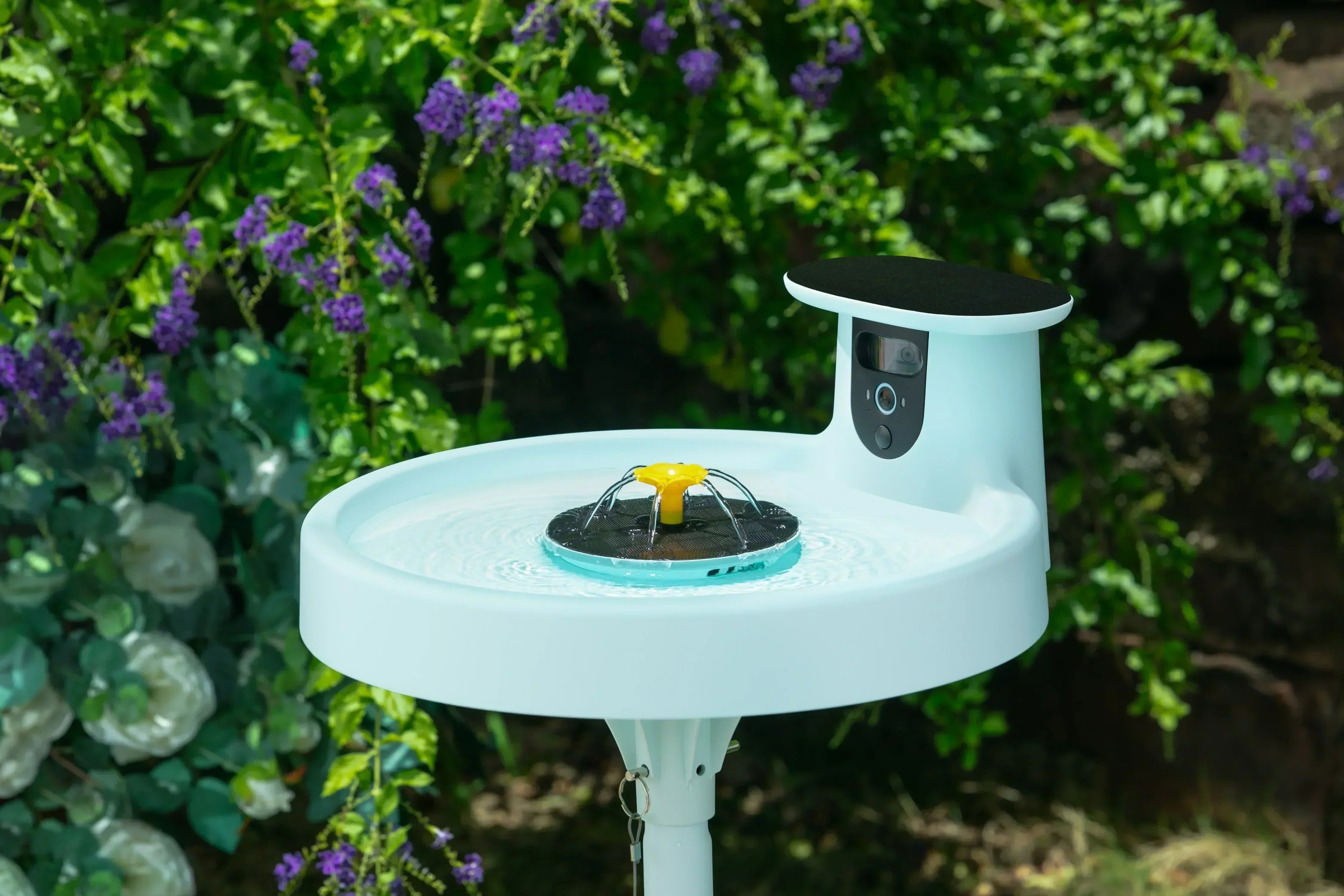
Heated bird baths use different ways to stay warm. Some use electric heaters, others use solar power.
- Electric:Plugs into an outlet. Works well in very cold weather.
- Solar:Uses sunlight. Saves energy but may not heat enough on cloudy days.
- Thermostat Control:Turns heat on only when needed to save power.
Setting Up Your Heated Bird Bath
Using a heated bird bath helps birds find water in cold weather. Setting it up correctly keeps birds safe and comfortable.
This guide covers safe placement, electrical setup, and keeping the water warm.
Safe Placement Tips
Place the bird bath where birds can easily see danger. Avoid spots near thick bushes or places with heavy foot traffic.
Choose a flat surface that is stable and does not tip easily. Keep the bath away from places where pets might reach it.
- Pick an open area with some nearby cover for quick escape
- Set on a flat, sturdy surface to prevent spills
- Avoid areas with strong wind or direct sun all day
- Keep away from predator paths and pet zones
Proper Electrical Setup
Use a grounded outdoor outlet to plug in the heated bird bath. Check that the power cord and plug are weatherproof.
Keep the cord away from water and where birds or animals can chew it. Use a ground fault circuit interrupter (GFCI) for safety.
- Connect to a GFCI-protected outdoor outlet
- Inspect cords for damage before use
- Place cords where animals cannot reach or chew
- Unplug the heater during storms or when not in use
Maintaining Water Temperature
Keep the water warm enough to prevent freezing but not too hot. Check the water temperature daily during cold weather.
Clean the bird bath often to avoid algae and dirt. Replace the water regularly to keep it fresh and safe for birds.
- Maintain water temperature between 40°F and 50°F (4°C to 10°C)
- Check water level and refill as needed
- Clean the bird bath weekly to remove dirt and algae
- Replace water frequently to avoid bacteria buildup
Attracting Birds To Your Bath
Using a heated bird bath is a great way to help birds stay hydrated in cold weather. Birds need fresh water for drinking and bathing year-round. You can make your bird bath more inviting by adding natural elements nearby.
Creating a safe, comfortable area will encourage more birds to visit. This guide covers landscaping, food, shelter, and timing tips to attract birds to your heated bath.
Using Bird-friendly Landscaping
Planting native trees, shrubs, and flowers near your bird bath creates a natural habitat. Birds feel safer when they have places to perch and hide. Use a variety of plants to provide food and cover throughout the year.
- Choose berry-producing shrubs like holly or dogwood
- Plant evergreens for year-round shelter
- Add flowering plants to attract insects for birds to eat
- Keep plants at different heights for diverse cover
Adding Food And Shelter Nearby
Place bird feeders close to your heated bath to give birds easy access to water and food. Provide shelter with brush piles or nesting boxes to protect birds from weather and predators. Keep food and water areas clean to prevent disease.
| Type | Example | Purpose |
| Food | Sunflower seeds | Energy source |
| Shelter | Evergreen trees | Protection and nesting |
| Water | Heated bird bath | Drinking and bathing |
| Shelter | Brush piles | Hide from predators |
Timing And Seasonal Adjustments
Keep your heated bird bath running during cold months when water freezes. Birds need water most in winter and early spring. Clean the bath regularly to prevent ice buildup and keep water fresh.
- Turn on the heater before temperatures drop below freezing
- Check the water daily for cleanliness
- Switch off the heater in warm weather to save energy
- Adjust location if birds avoid the bath
Maintaining Your Heated Bird Bath In Winter
Keeping your heated bird bath clean and functional helps attract birds all winter long. Proper care ensures the water stays safe and warm for birds.
This guide covers easy ways to maintain your bird bath during cold months. It includes cleaning tips, ice prevention, and fixing common problems.
Cleaning And Water Replacement
Clean water encourages birds to visit and stay healthy. Change the water regularly to avoid germs and algae buildup.
- Empty the bath at least once a week.
- Scrub the basin with a soft brush and mild soap.
- Rinse well to remove all soap residues.
- Refill with fresh, warm water.
- Check daily for debris like leaves or feathers.
Preventing Ice Build-up
Ice can block access to water and damage the heater. Use these tips to keep ice from forming in your bird bath.
| Tip | Details |
| Use a thermostat | Controls water temperature to stop freezing. |
| Place in sun | Sunlight warms water naturally during the day. |
| Check heater | Inspect for damage before cold weather starts. |
| Remove snow | Clear snow from around the bath to keep heater working well. |
| Keep water moving | Flowing water freezes less easily than still water. |
Troubleshooting Common Issues
Sometimes problems happen with heated bird baths. Here are common issues and ways to fix them.
- Heater not turning on:Check the power source and reset the unit if needed.
- Water freezes quickly:Make sure the heater is not blocked by dirt or ice.
- Water smells bad:Clean the bath thoroughly and replace water more often.
- Birds avoid bath:Check water temperature and cleanliness for comfort.
Credit: www.birdfy.com
Popular Birds To Expect In Winter
Winter can be tough for birds looking for food and water. A heated bird bath helps them stay warm and hydrated.
This guide shows which birds visit heated baths and how they behave around them.
Common Backyard Visitors
Many birds come to heated baths in winter. You can expect species that are used to cold climates and those that stay nearby all year.
- American Robin
- Black-capped Chickadee
- House Finch
- Dark-eyed Junco
- Downy Woodpecker
Rare Species Attracted By Warm Water
Heated baths sometimes attract rare birds that usually avoid cold water. These species come for warmth and fresh water supply.
| Bird Species | Frequency | Special Notes |
| Red-breasted Nuthatch | Occasional | Likes to drink and bathe in warm water |
| Winter Wren | Rare | Often stays hidden but visits baths for water |
| Yellow-rumped Warbler | Uncommon | Attracted to open water during cold days |
Behavioral Patterns Around Heated Baths
Birds show interesting behavior near heated baths. They often wait their turn and stay alert for predators.
- Birds take quick baths to stay warm.
- Some species prefer drinking over bathing.
- Smaller birds watch bigger ones before approaching.
- Many birds bathe early in the morning.

Credit: www.birdfy.com
Frequently Asked Questions
How Does A Heated Bird Bath Attract More Birds?
A heated bird bath provides warm water in cold weather. Birds seek it for drinking and bathing. This increases bird visits, especially in winter, supporting their survival and encouraging diverse species to your yard.
What Temperature Should A Heated Bird Bath Maintain?
Heated bird baths should keep water just above freezing, around 40°F (4°C). This prevents ice formation and ensures birds have access to liquid water during cold months, making it safe and attractive for them.
Are Heated Bird Baths Safe For All Bird Species?
Yes, heated bird baths are generally safe for all bird species. They prevent ice buildup and reduce waterborne pathogens. Ensure proper cleaning to maintain hygiene and avoid potential harm to visiting birds.
How Often Should I Clean A Heated Bird Bath?
Clean your heated bird bath every 3-4 days. Regular cleaning prevents algae and bacteria growth. This keeps the water fresh and safe, promoting healthy bird visits and reducing disease risks.
Conclusion
Creating a warm space attracts more birds. Heated bird baths provide comfort. Birds need water, especially in cold months. They seek reliable water sources. A heated bird bath does this. It helps birds stay healthy. Plus, it’s easy to set up.
Bird watching becomes more enjoyable. You’ll see diverse species visiting. Enjoy their beauty and songs. Your garden turns lively and vibrant. A simple change brings nature closer. Try it and see the difference. Your efforts help local wildlife. It’s rewarding and fun.
Share the joy with family and friends. Make bird watching a shared experience.