Do you want to see more colorful birds visiting your yard? Using multiple feeders is a simple way to attract a variety of birds right to your window.
But it’s not just about putting up feeders—knowing where to place them and what to fill them with can make all the difference. You’ll discover easy tips that will turn your outdoor space into a lively bird paradise. Keep reading, and soon your yard will be buzzing with feathered friends!
Credit: www.kingsyard.com
Choosing The Right Feeders
Using multiple bird feeders can attract a variety of birds to your yard. Selecting the right feeders is key to inviting different species and keeping them safe.
Consider the types, materials, and sizes of feeders before setting them up. Each factor affects which birds visit and how easy it is to maintain the feeders.
Types Of Bird Feeders
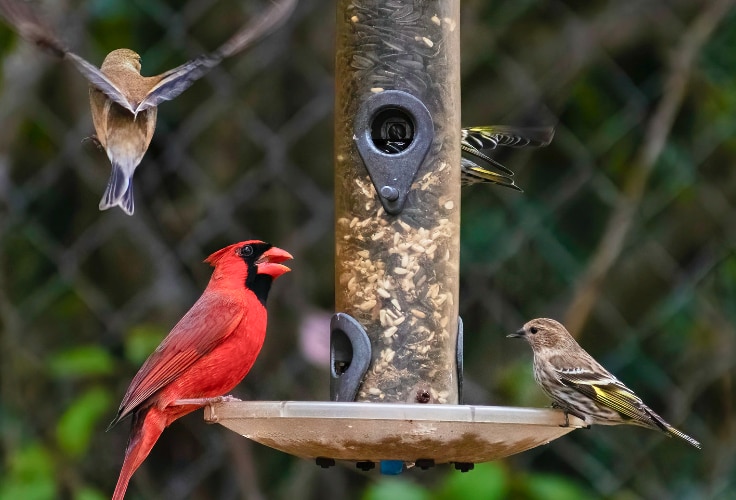
Different feeders suit different bird species. Tube feeders attract small songbirds, while platform feeders welcome larger birds. Suet feeders are great for woodpeckers and nuthatches.
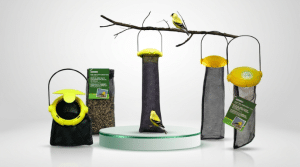
- Tube Feeders:Long, cylindrical feeders with multiple feeding ports.
- Platform Feeders:Open trays that hold various seed types.
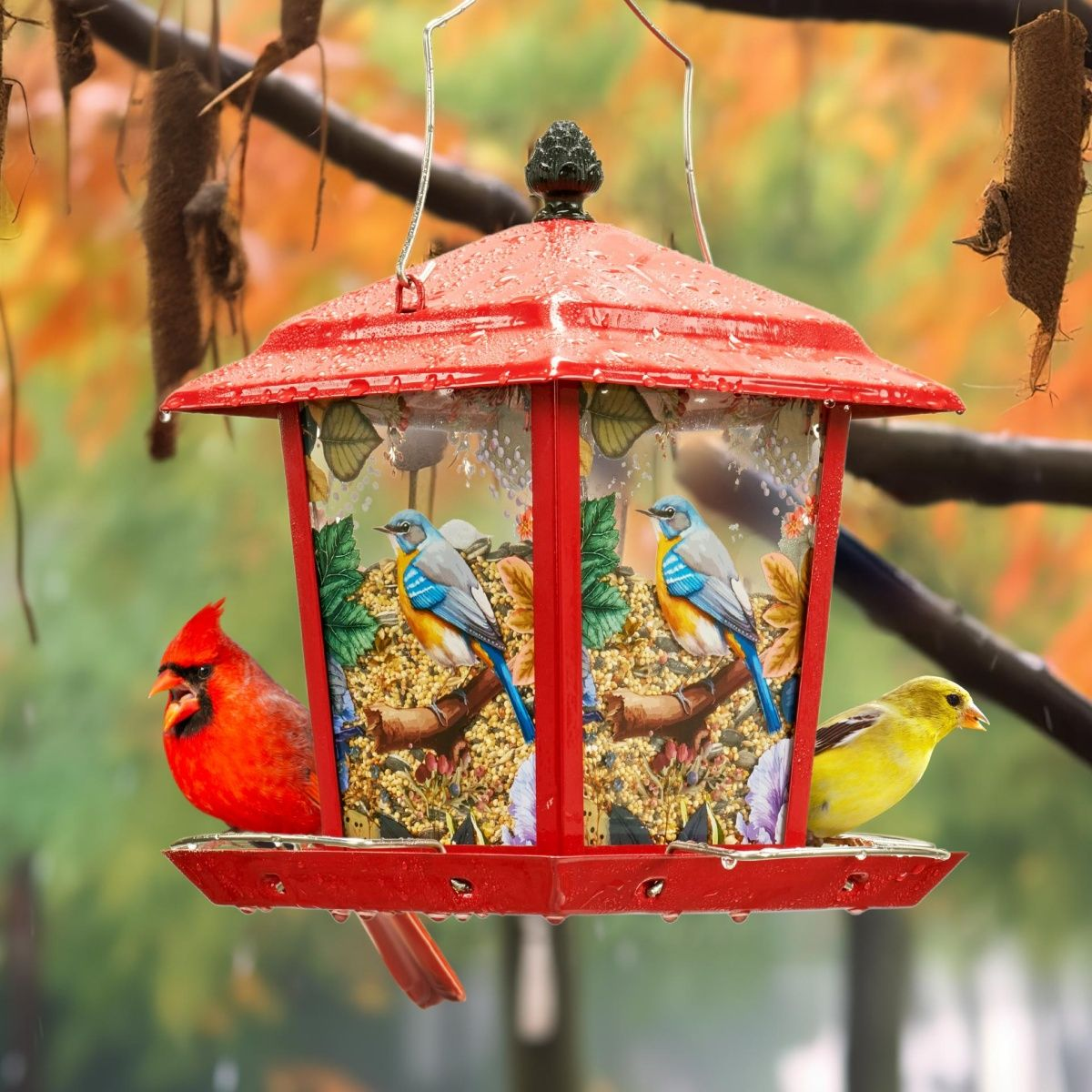
- Hopper Feeders:Box-shaped feeders that store large seed amounts.
- Suet Feeders:Cages that hold suet cakes for insect-eating birds.
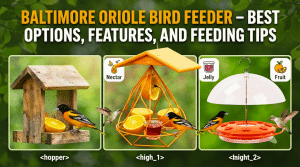
- Nectar Feeders:Designed for hummingbirds and orioles to feed on nectar.
Materials And Durability
Feeders come in plastic, metal, and wood. Metal feeders last long and resist squirrels. Plastic feeders are lightweight and affordable. Wood feeders blend with nature but need more care.
| Material | Advantages | Disadvantages |
|---|---|---|
| Metal | Durable, squirrel-resistant, weatherproof | Can get hot in sun, heavier |
| Plastic | Light, inexpensive, easy to clean | Less durable, may crack in cold |
| Wood | Natural look, sturdy | Needs regular maintenance, can rot |
Size And Capacity
Choose feeder sizes based on how many birds you want to attract. Large capacity feeders need less refilling but may spoil seed if unused. Small feeders keep seed fresh and reduce waste.
- Small feeders suit small yards and few birds.
- Medium feeders are good for average bird activity.
- Large feeders fit big flocks and high traffic.
- Match feeder size to the seed type and bird species.
Credit: avibirds.com
Selecting Bird Food
Choosing the right food helps attract many bird types. Different birds prefer different seeds and treats.
Using multiple feeders with varied foods invites more birds to visit your yard.
Popular Seeds And Mixes
Black oil sunflower seeds are favorites for many birds. They have thin shells and lots of oil.
Mixed seed blends offer variety but check for fillers. Choose mixes with mostly sunflower, millet, and cracked corn.
- Black oil sunflower seeds attract finches, cardinals, and chickadees
- White proso millet is popular with sparrows and juncos
- Cracked corn works well for doves and jays
- Nyjer seed is good for goldfinches (usually sold separately)
Specialty Foods For Specific Birds
Some birds like foods beyond seeds. Offer suet, fruit, or nuts to attract specific species.
Suet blocks attract woodpeckers, nuthatches, and wrens. Fresh fruit draws orioles and tanagers.
- Suet attracts insect-eating birds in colder months
- Peanut halves appeal to jays and woodpeckers
- Orange slices bring orioles and tanagers
- Mealworms attract bluebirds and robins
Seasonal Food Choices
Birds’ food needs change with the seasons. Offer high-energy seeds in winter and fresh fruits in summer.
In spring, add nectar for hummingbirds. Change foods to match bird activity and weather conditions.
- Winter: black oil sunflower seeds and suet for energy
- Spring: nectar for hummingbirds and soft fruits for nesting birds
- Summer: fresh fruit and mealworms for protein
- Fall: mixed seeds to prepare birds for migration
Placing Multiple Feeders
Using multiple feeders helps attract more birds to your yard. It also lets different bird species feed comfortably.
Proper placement of feeders is important. It keeps birds safe and makes watching them easier.
Spacing For Comfort
Space feeders far enough apart so birds do not feel crowded. This reduces fights and stress among birds.
Small birds like some distance from larger birds. This helps all birds eat peacefully.
- Place feeders at least 10 feet apart
- Keep similar feeders separated to avoid competition
- Allow room for birds to land and take off
Safe Locations
Choose safe places away from predators like cats and squirrels. Safety helps birds feel secure while feeding.
Keep feeders near shrubs or trees for quick shelter. Avoid busy roads or noisy spots to reduce stress.
- Place feeders near natural cover like bushes
- Avoid open areas with no hiding spots
- Keep feeders away from windows to prevent collisions
Height And Visibility
Put feeders at a height that is safe from ground predators. This also makes feeders easy to see and refill.
Clear visibility helps birds find food quickly. It lets you enjoy bird watching without disturbing them.
- Mount feeders 4 to 6 feet off the ground
- Keep feeders visible from windows or seating areas
- Make sure feeders are not hidden by branches or leaves
Attracting Different Bird Species
Using multiple feeders helps bring many bird types to your yard. Different birds prefer different feeders and foods. Knowing what each bird likes will improve your chances of seeing a variety of birds.
Providing a mix of feeder styles and foods will attract more species. Also, creating a bird-friendly habitat encourages birds to stay longer. This guide explains how to use feeders and habitat to attract many birds.
Feeder Types For Various Birds
Different birds prefer different feeder styles. Tube feeders work well for small songbirds. Platform feeders attract ground-feeding birds. Suet feeders bring woodpeckers and nuthatches. Nyjer feeders are best for finches. Using a mix of feeders will invite many species.
- Tube Feeders:Attract chickadees, titmice, and finches.
- Platform Feeders:Good for cardinals, jays, and doves.
- Suet Feeders:Preferred by woodpeckers and nuthatches.
- Nyjer Feeders:Ideal for goldfinches and siskins.
- Hummingbird Feeders:Bring hummingbirds with sugar water.
Food Preferences By Species
| Bird Species | Preferred Food |
| Chickadees | Black oil sunflower seeds |
| Goldfinches | Nyjer seeds |
| Woodpeckers | Suet cakes |
| Cardinals | Cracked corn and sunflower seeds |
| Hummingbirds | Sugar water nectar |
| Doves | Millet and cracked corn |
Creating Habitat Around Feeders
Birds need more than food to stay. Plant trees and shrubs near feeders. These plants provide shelter and nesting spots. Water sources like birdbaths attract birds too. Avoid placing feeders too close to windows to prevent collisions.
- Plant native bushes for cover and food
- Keep a clean water source nearby
- Place feeders near trees or shrubs
- Use natural ground cover for ground feeders
Maintaining Feeders
Keeping your bird feeders clean and safe helps attract more birds. Proper maintenance stops diseases and keeps the food fresh. It also protects your feeders from pests.
Regular care makes your feeding area inviting and healthy for birds. Let’s look at some key tips for maintaining multiple feeders.
Regular Cleaning Tips
Clean your feeders often to remove dirt and old seeds. This keeps birds healthy and happy. Use warm water and mild soap to scrub feeders. Rinse well to remove soap residue.
- Take feeders apart for thorough cleaning
- Use a brush to reach tight spots
- Dry feeders completely before refilling
- Clean feeders every two weeks or more if needed
- Use a vinegar solution for deep cleaning
Preventing Mold And Disease
Mold grows fast in damp seed and can harm birds. Change seed regularly and keep feeders dry. Check for clumped or wet seeds and remove them quickly.
| Cause | Prevention |
| Wet seeds | Use feeders with good drainage |
| Old food | Replace seed every few days |
| Dirty feeders | Clean regularly with hot water |
| Standing water | Keep feeder area dry |
Protecting Feeders From Squirrels
Squirrels can scare birds away and waste seed. Use squirrel-proof feeders or add guards. Place feeders where squirrels cannot jump or climb easily.
Try these tips to keep squirrels away:
- Install baffles above or below feeders
- Use weight-sensitive feeder perches
- Hang feeders on thin wires or poles
- Keep the ground clean of spilled seeds

Credit: www.yahoo.com
Enhancing Bird Activity
Using multiple feeders can attract many birds to your yard. Birds visit more often when you offer food, water, and shelter.
This guide explains ways to increase bird activity with feeders and other helpful ideas.
Adding Water Sources
Birds need fresh water for drinking and bathing. Adding water sources near feeders draws more birds to your yard.
- Place a shallow birdbath close to feeders.
- Keep water clean and change it regularly.
- Use a drip or fountain to keep water moving.
- In winter, use a heated birdbath to prevent freezing.
Incorporating Native Plants
Native plants offer natural food and shelter. They attract insects and seeds that birds eat.
| Native Plant | Benefits for Birds |
| Sunflower | Provides seeds and attracts insects |
| Dogwood | Offers berries and nesting spots |
| Milkweed | Hosts caterpillars and produces seeds |
| Goldenrod | Attracts insects and supplies nectar |
Using Bird Calls And Sounds
Playing bird calls near feeders can attract local birds. It signals a safe place with food.
Tips for using bird sounds:
- Choose calls of birds common in your area.
- Keep volume low to avoid scaring birds away.
- Play sounds during daylight hours only.
- Turn off sounds if birds stop visiting.
Frequently Asked Questions
What Types Of Bird Feeders Attract More Birds?
Different feeders attract various birds. Tube feeders suit small songbirds. Hopper feeders draw larger birds. Suet feeders attract woodpeckers. Offering multiple feeder types increases bird variety in your yard.
How Many Feeders Should I Use To Attract Birds?
Using 3 to 5 feeders works well. This variety attracts different bird species. It also reduces competition for food. Spacing feeders at least 10 feet apart prevents overcrowding and stress among birds.
What Food Should I Put In Multiple Feeders?
Use diverse bird food types. Black oil sunflower seeds attract many species. Nyjer seeds bring finches. Suet offers energy in winter. Mixed seeds appeal to a wide bird range, enhancing your birdwatching experience.
Where Should I Place Multiple Bird Feeders?
Place feeders near natural cover like trees or shrubs. This offers birds safety from predators. Avoid placing feeders too close to windows to prevent collisions. Proper placement encourages birds to visit frequently.
Conclusion
Birds add beauty and joy to any garden. Using multiple feeders attracts a variety of species. Each feeder type serves a different kind of bird. Choose spots wisely to avoid crowding. Clean feeders regularly to ensure bird health. Offer diverse seeds and foods.
This attracts more birds and keeps them coming back. Be patient, as it takes time for birds to find new feeders. Enjoy watching the colorful visitors in your yard. A little effort goes a long way. Happy birdwatching!