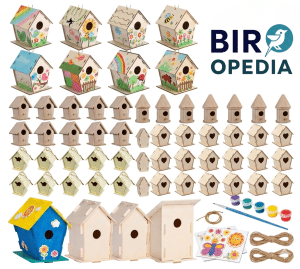
Are you ready to welcome more birds into your garden? Attracting birds with nesting boxes is a simple and rewarding way to enjoy nature right outside your window.
Imagine watching colorful birds build their homes, raise their young, and fill your space with life and song. You don’t need to be an expert or spend a lot of time—just a few thoughtful steps can make your yard a bird’s favorite spot.
Keep reading, and you’ll discover easy tips to create the perfect nesting boxes that will bring feathered friends to your doorstep.

Credit: www.birdsandblooms.com
Choosing The Right Nesting Box
Attracting birds to your garden starts with choosing the right nesting box. Birds need safe and comfortable places to build their nests.
Picking the right box helps different bird species feel welcome and protected. This guide will help you select the best nesting box.
Selecting Suitable Materials
Use natural materials that last long and keep birds safe. Wood is the best choice because it breathes and insulates well.
- Avoid treated wood with chemicals
- Use thick wood to protect from weather
- Make sure the box has good ventilation
- Do not use plastic or metal, they get too hot or cold
Picking The Perfect Size
Different birds need different box sizes. The size affects how comfortable and safe the birds feel.
| Bird Species | Box Floor Size (inches) | Entrance Hole Diameter (inches) |
| Bluebird | 5 x 5 | 1.5 |
| Chickadee | 4 x 4 | 1.125 |
| Tree Swallow | 4 x 4 | 1.5 |
| Nuthatch | 4 x 4 | 1.25 |
Design Features That Matter
A good nesting box must protect birds from rain, predators, and heat. Design details help with this.
- Sloped roof to keep rain out
- Entrance hole size to block large predators
- Drainage holes at the bottom
- Easy to open for cleaning after nesting season
- Rough inside walls to help chicks climb out
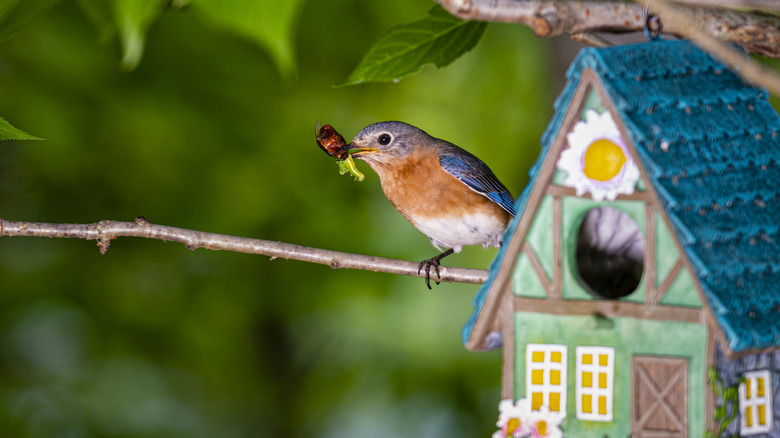
Credit: www.outdoorguide.com
Ideal Placement For Nesting Boxes
Placing nesting boxes correctly helps attract more birds. Birds look for safe and comfortable spots to build nests.
Choosing the right location increases the chance that birds will use your nesting boxes.
Finding The Best Location
Pick quiet areas with some natural cover nearby. Trees and shrubs offer shelter and food sources for birds.
- Avoid open spaces with no protection
- Stay away from busy human areas
- Look for places with nearby water sources
- Choose spots where birds are already active
Height And Orientation Tips
Mount boxes at the right height to keep birds safe from ground threats. Face the box entrance away from strong winds and direct sun.
| Bird Species | Recommended Height | Preferred Orientation |
| Bluebirds | 4 to 6 feet | East or Southeast |
| Chickadees | 5 to 15 feet | North or East |
| Sparrows | 5 to 10 feet | East or South |
Avoiding Predators And Disturbances
Keep nesting boxes away from places where cats, squirrels, or raccoons can reach them easily. Avoid areas with loud noises or frequent human activity.
- Use metal guards on poles to stop climbing predators
- Place boxes 10 to 20 feet apart to reduce competition
- Check boxes regularly but do not disturb nests
- Keep pets indoors or away from nesting areas
Attracting Specific Bird Species
Nesting boxes can help you attract different types of birds. Each bird species prefers a certain kind of home.
Choosing the right box size and design makes a big difference. This guide covers songbirds, woodpeckers, and owls.
Boxes For Songbirds
Songbirds like bluebirds, chickadees, and wrens need small nesting boxes. These boxes should be easy to clean and placed in safe locations.
- Use a box about 5 inches wide and 8 inches tall
- Place the entrance hole 1.25 inches in diameter
- Mount the box 5 to 10 feet above the ground
- Choose a quiet spot with some tree cover
- Keep the box away from predators like cats
Housing For Woodpeckers
Woodpeckers prefer larger, deeper boxes. They like rough surfaces to help them cling while nesting.
| Feature | Description |
| Box Size | 8-12 inches wide, 18-24 inches tall |
| Entrance Hole | 3 inches diameter |
| Height | 10-30 feet above ground |
| Material | Rough wood or attach bark pieces |
| Location | Near dead trees or woods |
Accommodations For Owls
Owls need large boxes with wide entrances. They prefer quiet, sheltered spots for nesting.
- Box size: at least 24 inches wide and 30 inches tall
- Entrance hole: 6 to 8 inches diameter
- Mount 10 to 30 feet high on sturdy trees
- Place box away from busy areas and noise
- Leave some open space nearby for hunting
Maintenance And Monitoring
Proper care helps keep nesting boxes safe for birds. Regular checks keep boxes in good shape.
Watching bird activity helps you learn which species use your boxes. It also shows if repairs are needed.
Cleaning And Repairing Boxes
Clean nesting boxes after birds leave for the season. Remove old nests and debris to avoid pests and disease.
- Wear gloves to protect yourself
- Use a brush or scraper to clean inside
- Wash with mild soapy water if needed
- Let the box dry completely before reusing
- Fix cracks or loose parts with weatherproof glue or nails
Seasonal Checks
| Season | What to Check | Why |
| Spring | Box stability, entrance size | Prepare for nesting |
| Summer | Signs of use, damage | Ensure safety during breeding |
| Fall | Remove old nests, clean | Prevent disease and pests |
| Winter | Check for weather damage | Protect from harsh conditions |
Recording Bird Activity
Keep a simple log of bird visits. Note species, dates, and behavior. This helps track nesting success.
- Date:April 10
- Species:Blue Tit
- Activity:Nest building started
Enhancing The Surrounding Habitat
Creating a welcoming area around nesting boxes helps attract more birds. A healthy habitat supports their food, shelter, and safety needs.
Simple changes in your garden can invite birds to stay and raise their young near your nesting boxes.
Planting Native Flora
Native plants provide natural food and shelter for birds. They also support insects that birds eat.
- Choose local trees and shrubs for cover and nesting spots
- Include flowering plants to attract pollinators
- Plant berry-producing bushes for winter food
- Use grasses and ground covers to protect young birds
Providing Food And Water Sources
Birds need easy access to fresh food and clean water near their nests. This helps them stay healthy and feed their chicks.
| Food Source | Best Time to Offer | Bird Types Attracted |
| Sunflower Seeds | All Year | Sparrows, Finches |
| Suet Cakes | Winter | Woodpeckers, Chickadees |
| Fruit Pieces | Summer and Fall | Thrushes, Orioles |
| Fresh Water | All Year | All Birds |
Minimizing Chemical Use
Avoid pesticides and herbicides near nesting areas. Chemicals can harm birds and reduce their food supply.
Tips to reduce chemicals safely:
- Use natural pest control methods like ladybugs
- Remove weeds by hand or with mulch
- Choose organic fertilizers
- Keep nesting boxes away from treated areas

Credit: www.harrowsmithmag.com
Common Challenges And Solutions
Attracting birds with nesting boxes can be tricky. You may face some common problems. Knowing how to fix these issues helps birds feel safe and welcome.
This guide covers three main challenges: pests, bird competition, and weather. Each section offers clear solutions to improve your nesting boxes.
Dealing With Pests
Pests like ants, wasps, and rodents can harm bird nests. They steal eggs or scare birds away. Keep pests away to protect your nesting boxes.
- Use metal guards around the box to block ants and rodents.
- Place wasp traps near but not on the box to reduce their numbers.
- Clean old nesting material after breeding season to remove pests.
- Position boxes away from dense shrubs where pests hide.
Preventing Competition Among Birds
Different bird species may fight over the same box. This can stop some birds from nesting. You can reduce competition with smart choices.
| Solution | Description |
|---|---|
| Install Multiple Boxes | More boxes mean less fighting. Place them 10-15 feet apart. |
| Use Species-Specific Boxes | Choose box size and entrance size to match your target bird. |
| Regular Monitoring | Check boxes often to remove unwanted nests early. |
Weather Protection Strategies
Birds need shelter from rain, wind, and sun. Proper weather protection keeps nests safe and birds healthy.
- Place boxes under eaves or tree branches to block rain.
- Face the box entrance away from prevailing winds.
- Use waterproof paint or sealant on the box exterior.
- Ensure good ventilation to avoid heat buildup.
Frequently Asked Questions
What Types Of Birds Use Nesting Boxes Most?
Small cavity-nesting birds like bluebirds, chickadees, and wrens commonly use nesting boxes. These species prefer enclosed spaces for safety and breeding. Selecting the right size and style attracts specific birds effectively, enhancing your chances of successful bird nesting in your garden.
How High Should I Place A Bird Nesting Box?
Mount nesting boxes 5 to 10 feet above the ground. This height protects birds from predators like cats and squirrels. It also provides a safe, quiet environment for nesting, increasing the likelihood that birds will use the boxes.
What Materials Are Best For Bird Nesting Boxes?
Wood is the best material for nesting boxes. It provides natural insulation and durability. Avoid treated wood or metal, as these can harm birds or overheat the nest. Properly sealed, untreated wood offers a safe, comfortable home for breeding birds.
How Do I Clean And Maintain Nesting Boxes Yearly?
Clean nesting boxes after each breeding season. Remove old nests and debris to prevent parasites and disease. Use a mild bleach solution for cleaning, then rinse thoroughly. Regular maintenance keeps boxes safe and attractive for new bird occupants.
Conclusion
Birds bring joy and vitality to any garden. Nesting boxes offer them a safe home. Use the right size and materials for your boxes. Place them in quiet spots, away from predators. Clean and maintain them regularly. This encourages birds to return each year.
Enjoy watching different species visit and nest. It’s a rewarding experience for nature lovers. Create a welcoming habitat, and birds will come. Your garden will soon be alive with song and fluttering wings. Embrace the beauty of nature right in your backyard.