
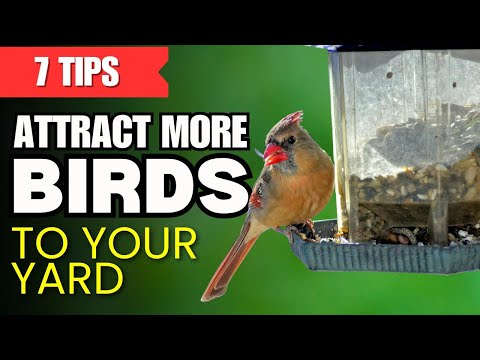
Do you want to bring more birds to your garden or backyard? Imagine waking up to the cheerful songs of colorful birds every morning.
It’s not just beautiful—it’s a simple way to connect with nature right outside your door. The secret? Sound. Using the right sounds can attract birds and keep them coming back. You’ll discover easy tips and tricks to use sound effectively, making your outdoor space a bird magnet.
Keep reading, and you’ll learn how to create a lively, bird-friendly environment that feels alive with nature’s music.

Credit: www.birdfy.com
Why Sound Attracts Birds
Sound plays a vital role in attracting birds. Birds use sound to find food, mates, and to protect their territory. Understanding why sound attracts birds helps in creating bird-friendly environments.
Different sounds trigger different responses from birds. Knowing the basics of bird communication can improve how you attract them with sound.
Bird Communication Basics
Birds communicate using calls and songs. These sounds carry important messages for other birds. Calls are usually short and simple. Songs tend to be longer and more complex.
- Calls warn of danger or signal location
- Songs attract mates and mark territory
- Sound helps birds recognize each other
Role Of Calls And Songs
Calls alert birds to food or threats nearby. Songs help birds find a mate and defend their space. Both sounds are important to a bird’s survival and social life.
| Type of Sound | Purpose |
| Calls | Warning, location, contact |
| Songs | Attract mate, defend territory |
Sound Frequency And Bird Species
Different bird species use different sound frequencies. High-pitched sounds attract small birds. Low-pitched sounds attract larger birds. The right frequency can help attract specific species.
Sound frequencies by bird size:
- Small birds: 4,000 - 8,000 Hz
- Medium birds: 2,000 - 4,000 Hz
- Large birds: 1,000 - 2,000 Hz
Choosing The Right Bird Sounds
Bird sounds can help attract different bird species to your yard. Picking the right sounds makes a big difference.
Using the right calls can bring birds closer and keep them comfortable. It is important to know which sounds to use.
Popular Calls For Different Birds
Each bird species has unique calls. Playing these sounds can invite birds to your area.
- Sparrows respond well to chirping calls.
- Robins like soft, melodic whistles.
- Woodpeckers are drawn to tapping sounds.
- Finches prefer quick, high-pitched notes.
- Owls react to hooting calls, especially at night.
Using Mating And Feeding Calls
Mating calls attract birds looking for partners. These sounds can bring birds during breeding season.
Feeding calls signal food nearby. Birds use these sounds to find places to eat.
- Play mating calls in spring and early summer.
- Use feeding calls year-round to invite birds.
- Keep volume low to avoid scaring birds.
Avoiding Alarm Calls
Alarm calls warn birds of danger. These sounds can scare birds away.
Avoid using alarm calls when trying to attract birds. They cause stress and reduce visits.
- Do not play distress or warning sounds.
- Use calm, friendly calls instead.
- Observe bird behavior to know which sounds work.
Equipment For Playing Bird Sounds
Playing bird sounds helps attract birds to your garden or yard. The right equipment makes the sounds clear and natural. This guide covers the tools you need for playing bird sounds effectively.
Choosing good speakers and playback devices, mobile apps, and setting the correct volume and timing will improve your success in attracting birds.
Speakers And Playback Devices
Use speakers that produce clear and natural sounds. Outdoor speakers with waterproof features work best. Portable Bluetooth speakers are easy to carry and set up.
- Choose speakers with good bass and treble balance
- Select devices with long battery life
- Consider weather-resistant or waterproof models
- Use devices compatible with your playback method
Mobile Apps And Digital Tools
Many mobile apps offer bird calls and songs for playback. These apps often include collections of sounds for different bird species. You can also find digital tools to schedule and control playback automatically.
| App Name | Features | Best Use |
| BirdCall Pro | Large sound library, offline mode | Playing diverse bird sounds |
| Song Scheduler | Set play times, repeat sounds | Automated playback timing |
| Field Recorder | Record and playback your own sounds | Custom bird calls |
Setting Volume And Timing
Keep the volume low to mimic natural bird calls. Loud sounds may scare birds away. Play sounds during early morning or late afternoon when birds are most active.
- Set volume to a low or medium level
- Play sounds for short periods, about 10-15 minutes
- Use timers to schedule playback at dawn or dusk
- Avoid continuous or loud playback

Credit: www.youtube.com
Best Practices For Sound Playback
Using sound can help attract birds to your area. Playing bird calls mimics natural sounds that interest them.
Proper sound playback needs care. Follow these tips to get the best results and avoid scaring birds away.
Timing Your Calls
Play bird calls at times when birds are most active. Early morning and late afternoon are best.
Avoid playing sounds all day. Birds may ignore repeated calls or feel stressed.
- Start calls just after sunrise
- Stop calls before midday
- Resume calls late afternoon
- Limit total playback time to a few hours
Location And Environment Setup
Choose a quiet spot where birds already visit. Sounds are clearer without much background noise.
Place speakers near bushes or trees. Birds feel safer hearing calls near cover.
- Pick areas with natural bird activity
- Keep speakers low but not on the ground
- Use good-quality speakers for clear sound
- Avoid windy or noisy spots
Avoiding Disturbance
Do not play sounds too loudly. Loud noises can scare birds away instead of attracting them.
Take breaks between calls. Continuous sound may annoy birds and make them leave.
- Keep volume natural and soft
- Use calls for short periods only
- Watch bird reactions and adjust playback
- Stop if birds show signs of stress
Combining Sound With Other Lures
Using sound alone can attract birds, but combining it with other lures works better. Birds respond well to a mix of signals that include sound, sight, and food.
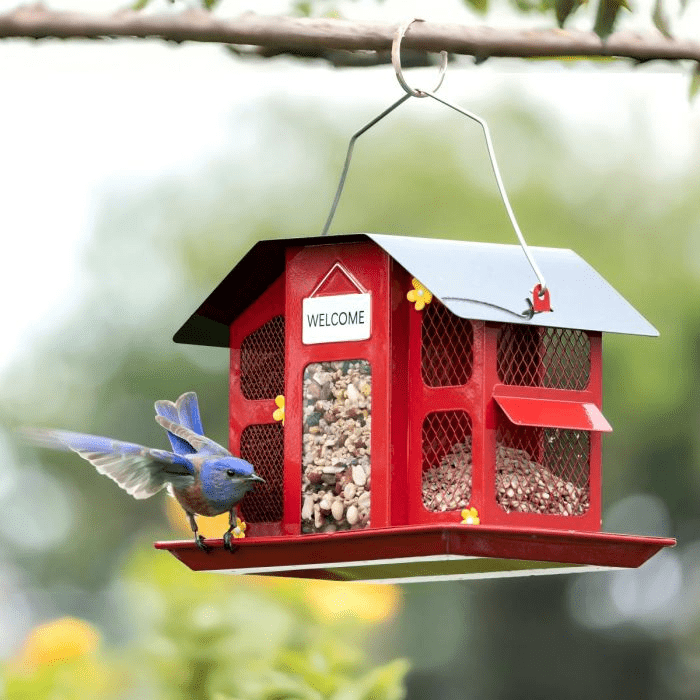
Adding feeders, water, and visual items makes your space more inviting. This combination helps attract more birds and keeps them nearby longer.
Using Feeders And Water Sources
Birds look for food and water when they hear sounds. Placing feeders and water near your sound source helps attract them quickly.
Use clean water in shallow dishes or birdbaths. Choose feeders with seeds or nectar that local birds like.
- Keep feeders full and clean to attract more birds
- Provide fresh water daily for drinking and bathing
- Place feeders near shrubs or trees for safety
Adding Visual Attractants
Bright colors and moving objects catch birds’ attention. Visual lures work well with bird sounds to draw them in.
Use colorful flags, shiny objects, or natural plants with flowers. These visual cues make your area look lively and safe.
- Hang small wind chimes or reflective items
- Plant flowers that attract birds and insects
- Avoid too much movement that scares birds away
Creating A Bird-friendly Habitat
Birds like places where they can rest, hide, and nest. A good habitat adds comfort and safety to your attractants.
Plant native trees and shrubs. Leave some leaf litter and branches for shelter and food.
- Choose plants that produce berries or seeds
- Provide dense bushes or trees for cover
- Limit use of pesticides and chemicals
Common Mistakes To Avoid
Using sound to attract birds is a popular method. Yet, mistakes can scare birds away. Avoid these common errors to improve your chances.
Sound calls should be used carefully. Playing the wrong calls or ignoring bird behavior can reduce your success.
Overusing Sound Calls
Playing sound calls too often can annoy or frighten birds. Birds may stop responding if calls are repeated without pause.
- Limit the number of calls per hour
- Pause between calls to allow birds to respond
- Use calls only during times birds are active
- Change call types to avoid repetition
Playing Alarm Or Aggressive Calls
Alarm or aggressive calls can scare birds away. These calls signal danger or fight. Birds avoid these sounds to stay safe.
| Call Type | Effect on Birds |
| Alarm Calls | Birds flee the area |
| Aggressive Calls | Birds feel threatened |
| Friendly Calls | Birds approach out of curiosity |
Ignoring Local Bird Behavior
Each bird species has unique habits and calls. Ignoring local bird behavior lowers your chance to attract them.
To avoid mistakes, learn these points about your local birds:
- Active times of day
- Common calls and responses
- Preferred habitats
- Seasonal movements
Monitoring And Adjusting Your Approach
Attracting birds with sound needs careful watching. You must see how birds react to your calls.
Changing your sounds based on these reactions helps you get better results over time.
Observing Bird Responses
Look closely at how birds respond to your sounds. Notice if they come closer or fly away.
Note the time of day and weather when birds react. These details can guide your next steps.
- Watch bird behavior carefully
- Record the number and types of birds
- Check if birds are curious or scared
Changing Calls Based On Season
Birds use different sounds in spring, summer, fall, and winter. Your calls should match the season.
Play calls that attract birds during their mating or feeding times. Avoid sounds they ignore in some seasons.
- Use mating calls in spring
- Play feeding calls in summer and fall
- Try warning or flock calls in winter
Recording Your Success
Keep a log of which sounds attract birds best. Write down the date, time, and bird types seen.
Use photos or audio recordings to track your progress. This helps you adjust sounds for better results.
- Note bird species and numbers
- Record weather and time of day
- Save audio or video of bird visits
Credit: www.kingsyard.com
Frequently Asked Questions
How Do Bird Sounds Attract Different Species?
Bird sounds mimic natural calls that signal safety and food. Different species respond to specific sounds, helping attract them effectively. Using the right calls increases chances of bird visits to your area.
What Are The Best Bird Calls To Use?
Common bird calls include songs from robins, sparrows, and chickadees. These sounds attract small birds looking for mates or food. Using clear, natural calls works best for attracting diverse bird species.
When Is The Best Time To Use Bird Sounds?
Early mornings and late afternoons are ideal for playing bird sounds. Birds are most active during these times for feeding and communication. Using sounds then increases the likelihood of attracting birds.
Can Playing Sounds Disturb Local Bird Populations?
Excessive or loud playback can stress birds and disrupt their natural behavior. Use bird sounds moderately and at low volume to avoid disturbance. Responsible use supports bird attraction without harming wildlife.
Conclusion
Attracting birds with sound can enrich your garden experience. Birds love natural sounds. Play gentle bird calls to invite them. Use recordings to mimic their environment. Keep the sound at a natural volume. Position speakers near trees or feeders. This creates a welcoming atmosphere.
Regularly playing sounds can encourage their visits. Enjoy watching diverse birds grace your space. It’s a simple way to connect with nature. Start today and watch your garden come alive with songs and colors.


