
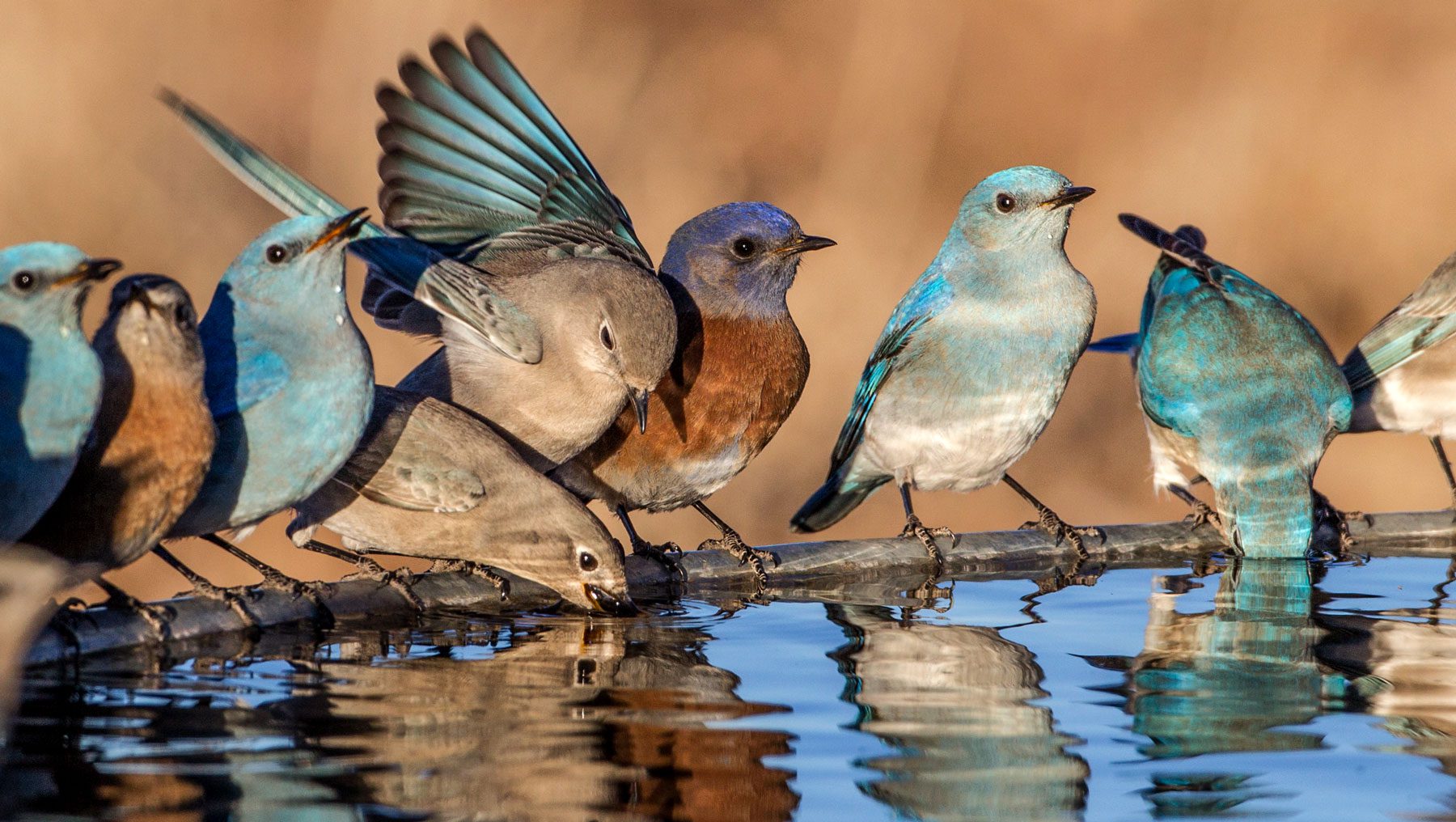
Do you love watching birds visit your garden but worry about their safety? Attracting birds can be a joyful and relaxing experience, but it’s important to do it in a way that keeps them safe and healthy.
You’ll discover simple, effective tips to invite birds to your outdoor space without causing them harm. Whether you’re a beginner or have tried before, these easy steps will help you create a bird-friendly haven that benefits both you and your feathered visitors.
Keep reading to learn how to enjoy the beauty of birds while protecting their well-being.

Credit: www.allaboutbirds.org
Choosing Bird-friendly Feeders
Attracting birds to your garden is a wonderful way to enjoy nature. Choosing safe feeders helps protect birds while feeding them.
Some feeders are better for birds than others. Picking the right type and placing it well keeps birds healthy and safe.
Types Of Safe Feeders
Different feeders suit different bird species. Choose feeders that prevent injury and keep food clean.
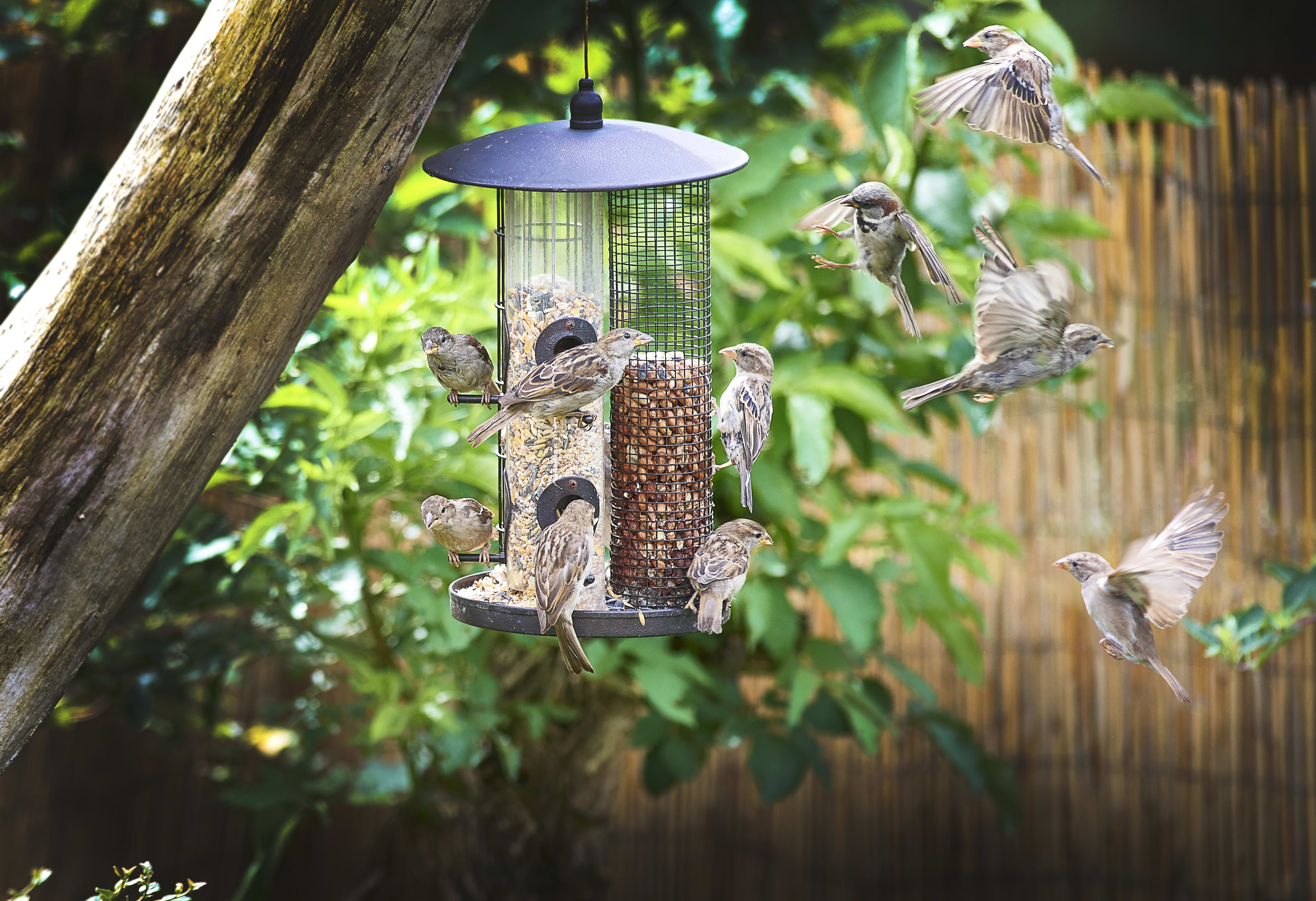
- Tube feeders with small ports stop big birds and squirrels.
- Saucer feeders allow easy landing and takeoff.
- Caged feeders protect seeds from larger animals.
- Platform feeders with guard rails reduce crowding and fights.
Materials That Protect Birds
Use feeders made from safe, non-toxic materials. Avoid sharp edges and harmful chemicals.
| Material | Benefits | Notes |
|---|---|---|
| Metal | Durable and weather-resistant | Choose rust-free steel or aluminum |
| Wood | Natural look, blends with environment | Use untreated wood to avoid chemicals |
| Plastic | Lightweight and affordable | Use BPA-free, sturdy plastic only |
| Glass | Easy to clean and attractive | Fragile; use in safe, sheltered spots |
Placement Tips
Place feeders where birds feel safe and can easily reach food. Avoid areas with too much human or pet activity.
- Mount feeders 5 to 6 feet above the ground to deter predators.
- Keep feeders 10 feet away from windows to prevent collisions.
- Place feeders near shrubs or trees for quick shelter.
- Ensure feeders are in shaded spots to keep food fresh.

Credit: www.allaboutbirds.org
Selecting The Right Food
Feeding birds is a fun way to enjoy nature. It is important to pick safe food.
Good food helps birds stay healthy and visit often. Choose foods that suit local birds.
Bird-approved Seeds And Treats
Seeds are a favorite for many birds. Use fresh, clean seeds to attract them safely.
- Black oil sunflower seeds are popular and nutritious
- Millet is good for small birds like sparrows and finches
- Nyjer seeds attract finches and small songbirds
- Suet cakes provide energy, especially in cold weather
Offer treats like chopped nuts and dried fruit without sugar. These are safe and tasty.
Avoiding Harmful Foods
Some foods can hurt birds or cause illness. Avoid feeding these to keep birds safe.
- Do not give bread or crackers; they lack nutrients and can cause harm
- Avoid salted or flavored nuts and seeds
- Never feed chocolate, caffeine, or anything with sugar
- Raw beans and onions are toxic to birds
Always keep feeding areas clean to prevent disease spread among birds.
Seasonal Food Choices
Bird food needs change with the seasons. Pick foods that help birds stay strong.
- In winter, offer high-fat seeds like sunflower and suet for energy
- Spring and summer birds enjoy fresh fruits and insects
- In fall, provide seeds and nuts to help birds prepare for migration
- Adjust food types based on what birds eat naturally in each season
Changing foods seasonally supports birds all year and keeps them healthy.
Creating A Safe Habitat
Attracting birds to your yard can be rewarding. It is important to create a habitat that keeps them safe. Birds need food, water, and shelter free from harm.
Providing natural features helps birds feel secure. This guide explains how to build a safe space for birds using shelter, water, and predator awareness.
Natural Shelter Options
Birds need places to hide from weather and danger. Planting native trees and shrubs gives them natural cover. Leaves and branches offer safe spots for resting and nesting.
- Use evergreen trees for year-round shelter
- Add dense bushes for nesting areas
- Leave dead trees or logs as natural perches
- Avoid trimming all branches to keep hiding places
Water Sources For Birds
Birds need fresh water for drinking and bathing. Place shallow water dishes or birdbaths in quiet areas. Change water daily to avoid spreading illness.
| Water Source | Key Feature | Maintenance Tip |
| Birdbath | Shallow and wide | Clean and refill daily |
| Drip Fountain | Moving water attracts birds | Check pump regularly |
| Natural Pond | Provides drinking and bathing | Keep edges clear of debris |
Avoiding Predators
Protect birds from common predators like cats and hawks. Place feeders near shrubs or trees so birds can escape quickly. Keep cats indoors or in controlled areas.
Use these tips to reduce predator risks:
- Install bird feeders at least 5 feet above ground
- Keep feeders away from windows to prevent collisions
- Trim low branches where predators may hide
- Provide dense cover nearby for quick refuge
Maintaining Clean Feeding Areas
Keeping bird feeding areas clean helps protect birds from harm. Dirty feeders can spread germs and cause illness.
Regular cleaning stops disease and keeps birds safe and healthy.
Regular Cleaning Routines
Clean your bird feeders often. Remove old seeds and wash the feeders with warm water and mild soap. Rinse well to remove soap traces.
- Clean feeders once every two weeks or more if busy
- Use a brush to scrub tight spots
- Let feeders dry fully before refilling
- Check for mold or dirt daily
Preventing Disease Spread
Diseases spread easily in dirty feeding areas. Clean areas stop germs from spreading to birds.
| Cleaning Tip | Reason |
| Wash feeders with soap and water | Removes germs and mold |
| Dry feeders completely | Prevents bacteria growth |
| Clear spilled seeds and droppings | Reduces disease risk |
| Keep water sources clean | Stops waterborne illnesses |
Safe Waste Disposal
Dispose of old seeds and bird droppings safely. Waste can attract pests and spread illness.
Follow these safe disposal tips:
- Use sealed bags to collect waste
- Do not leave waste near feeding spots
- Throw waste in covered trash bins
- Wear gloves when handling waste
Using Bird-friendly Landscaping
Bird-friendly landscaping helps attract birds safely. It creates a natural space where birds can eat and rest.
Using plants and natural elements makes your yard a bird haven. This method protects birds from harm.
Planting Native Trees And Shrubs
Native trees and shrubs offer food and shelter to local birds. They support the birds’ natural habits and needs.
Choose plants that grow well in your area. Native plants attract birds by providing berries, seeds, and nesting spots.
- Oak trees provide acorns for many bird species
- Serviceberry bushes offer berries in spring and summer
- Dogwood shrubs give food and cover in fall
Attracting Insects For Food
Birds eat insects as a main food source. Creating insect-friendly areas helps birds find food easily.
Grow plants that attract butterflies, bees, and other insects. Avoid using pesticides that can kill insects and harm birds.
- Plant wildflowers that bloom at different times
- Leave some leaf litter for insects to live in
- Use native plants to support local insect populations
Avoiding Toxic Plants
Some plants can be harmful or poisonous to birds. Avoid these plants to keep birds safe in your yard.
Learn which plants are toxic to birds in your region. Replace harmful plants with safe, bird-friendly options.
- Avoid ornamental plants like oleander and azalea
- Check for berries or seeds that may be poisonous
- Choose non-toxic native plants instead
Credit: dengarden.com
Minimizing Disturbances
Birds are sensitive to changes in their environment. Minimizing disturbances helps keep them safe and comfortable. This encourages birds to visit your area regularly.
Simple actions can reduce stress for birds. These steps make your bird-watching experience more enjoyable and safe for wildlife.
Reducing Noise And Movement
Birds get scared by loud noises and quick movements. Keep your voice low and move slowly when near bird areas. Avoid sudden gestures that may startle them.
Use soft steps and stay calm. Try to observe birds from a quiet spot to avoid disturbing their natural behavior.
Safe Viewing Practices
Stay at a safe distance to avoid stressing birds. Use binoculars or zoom lenses for a closer look without getting too near. Avoid touching nests or birds.
- Keep windows and doors closed to reduce sudden noises
- Wear neutral clothing to blend with the environment
- Do not feed birds human food as it may harm them
Managing Pets Near Bird Areas
Pets can scare or harm birds if not controlled. Keep dogs on a leash and cats indoors near bird habitats. This protects both pets and wild birds.
Supervise pets at all times. Create barriers or use fences to keep pets away from bird feeding and nesting spots.
Frequently Asked Questions
How Can I Attract Birds Safely To My Garden?
Use native plants and provide fresh water. Avoid harmful pesticides. Offer natural food like seeds and berries. Ensure bird feeders are clean to prevent disease.
What Foods Are Best For Feeding Wild Birds?
Offer seeds like sunflower, millet, and nyjer. Fresh fruits and suet are also good options. Avoid bread, as it lacks nutrients and harms birds.
How Do I Prevent Harming Birds While Attracting Them?
Use non-toxic materials and avoid reflective surfaces. Keep cats indoors and place feeders away from predators. Regularly clean feeders to reduce disease risk.
What Types Of Bird Feeders Attract More Species?
Use varied feeders: tube, platform, and suet feeders. Different designs attract different bird species. Rotate feeder types to keep birds interested and safe.
Conclusion
Attracting birds safely brings joy and life to your yard. Use natural materials and bird-friendly plants. Fresh water sources are essential. Keep feeders clean and well-stocked. Avoid harmful chemicals and pesticides. Create a safe environment with trees and bushes. Watch them flourish and sing.
This approach ensures both beauty and well-being. Enjoy the vibrant colors and melodies. Remember, small changes make a big difference. Birds will visit often and stay longer. Share this peaceful space with nature. Your efforts benefit the environment and brighten your day.
Happy bird-watching!


