Do you want to enjoy the beauty of birds all year long? Imagine stepping outside and seeing colorful feathers fluttering around your yard every season.
Attracting birds isn’t just about putting out food—it’s about creating a welcoming space that meets their needs throughout the year. You’ll discover simple, effective ways to turn your outdoor space into a bird magnet. Ready to bring more life and color to your garden?
Keep reading, and let’s make your yard a favorite spot for birds no matter the season.
Credit: www.ruralsprout.com
Choose The Right Plants
Plants play a big role in attracting birds to your yard all year. Picking the right plants helps provide food and shelter for birds.
Different plants support birds in different seasons. Choose plants that offer nectar, seeds, or berries so birds visit often.
Native Plants For Local Birds
Native plants grow naturally in your area. Birds know these plants and use them for food and shelter.
Planting native species supports local bird populations and helps the environment.
- Choose native flowers that produce seeds or nectar.
- Include trees that offer shelter and nesting spots.
- Use grasses and shrubs for cover and nesting material.
Year-round Flowering Options
Plants that bloom in different seasons attract birds all year long. Flowers provide nectar and insects for birds.
Select a mix of early, mid, and late bloomers to keep birds coming through all seasons.
- Spring: Crocus, Daffodils, and Tulips
- Summer: Coneflowers, Black-eyed Susans, and Bee Balm
- Fall: Goldenrod, Asters, and Sunflowers
- Winter: Witch Hazel and Snowdrops
Berry-producing Shrubs
Berry-producing shrubs feed birds in fall and winter when food is scarce. Birds use berries as a key food source.
Choose shrubs that produce berries safe for birds and last into the cold months.
- Holly: Offers bright red berries and shelter.
- Serviceberry: Produces sweet berries birds love.
- Elderberry: Berries attract many bird species.
- Sumac: Provides food and cover in winter.

Credit: www.allaboutbirds.org
Provide Consistent Food Sources
Birds need reliable food to stay healthy all year. You can help by offering food regularly.
Different birds eat different things. Knowing what to offer helps attract many species.
Seasonal Bird Feeders
Birds change their diets with the seasons. Use feeders that suit what they need at each time.
- Spring: Offer nectar and soft fruits for hummingbirds and orioles.
- Summer: Provide suet and insects for insect-eaters and woodpeckers.
- Fall: Supply seeds and nuts to prepare birds for winter.
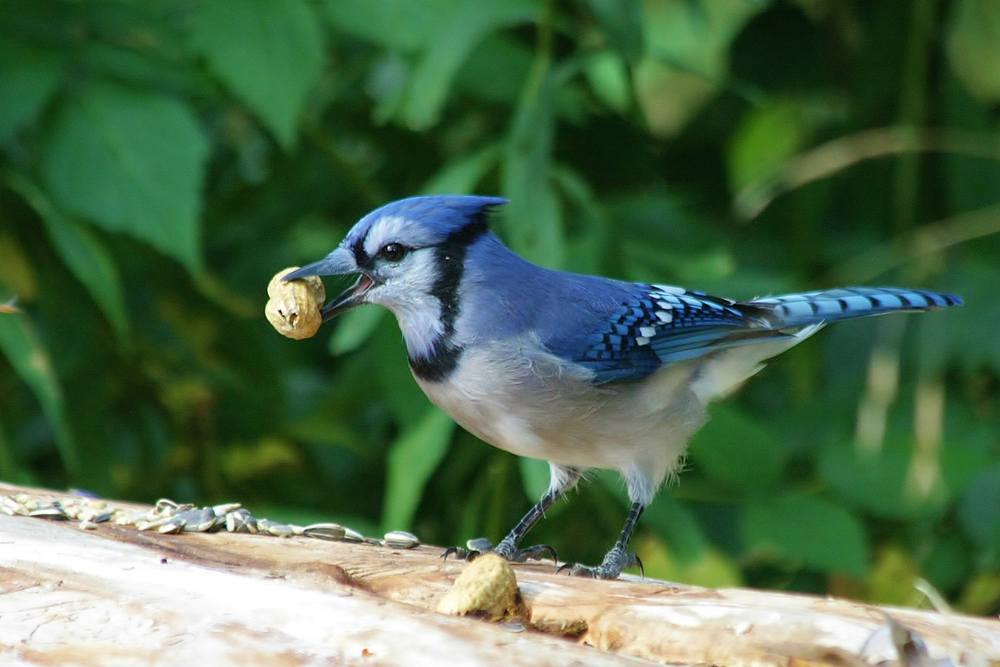
- Winter: Use high-fat foods like sunflower seeds and suet cakes to keep birds warm.
Natural Food Vs. Commercial Feed
Natural foods come from plants and insects birds find in the wild. Commercial feeds are made in stores.
| Type | Examples | Benefits |
| Natural Food | Seeds, berries, insects | Encourages natural foraging and variety |
| Commercial Feed | Sunflower seeds, suet, mealworms | Easy to store and consistent quality |
Safe Feeding Practices
Keep bird feeders clean to prevent disease. Place feeders where birds feel safe from predators.
Tips for safe feeding:
- Clean feeders every two weeks with warm water and mild soap.
- Use fresh food and remove moldy or wet seeds.
- Place feeders away from windows to prevent bird strikes.
- Keep feeders at least 10 feet from places cats can reach.
Create Shelter And Nesting Spots
Birds need safe places to rest and raise their young all year. You can help by providing shelter and nesting spots in your yard.
Different birds prefer different types of shelters. Learning about their needs lets you attract more species.
Birdhouses For Different Species
Birdhouses must match the size and shape needs of each bird species. Using the right design helps birds feel safe.
- Small birds like chickadees prefer houses with a 1.25-inch entrance hole.
- Bluebirds use boxes with a 1.5-inch hole and a floor size of about 5 by 5 inches.
- Woodpeckers and larger birds need bigger houses or natural tree cavities.
- Place birdhouses 5 to 10 feet above ground for safety from predators.
- Face the entrance away from prevailing winds to keep nests dry.
Natural Hiding Places
Natural shelters like shrubs, trees, and brush piles provide cover for birds. These spots help birds hide from predators and weather.
| Natural Shelter | Bird Benefits |
| Evergreen trees | Year-round cover and wind break |
| Dense shrubs | Safe nesting and food sources |
| Brush piles | Protection and insect habitat |
| Dead tree limbs | Nesting sites for cavity nesters |
Maintaining Nesting Areas
Keep nesting spots clean and safe. Regular care helps birds return each year.
- Clean birdhouses after the breeding season to remove old nests.
- Check for damage and repair cracks or holes promptly.
- Remove invasive plants that block access to natural shelters.
- Keep pets away from nesting areas to avoid stress on birds.
- Provide fresh water nearby for drinking and bathing.
Offer Fresh Water All Year
Birds need fresh water every day. Water helps them drink and clean their feathers. You can attract birds by giving them clean water all year long.
Providing water in your yard is a simple way to help birds stay healthy. It also brings more birds to your garden to watch and enjoy.
Bird Baths And Fountains
Bird baths are shallow containers filled with water for birds to drink and bathe in. Fountains add movement to water, which attracts birds because they like running water.
Choose bird baths that are easy to clean and refill. Place them where birds feel safe, near bushes or trees.
- Use a shallow basin, 1-2 inches deep
- Place baths in shady spots to keep water cool
- Use fountains with gentle water flow
- Keep baths stable to avoid tipping
Preventing Water Freezing In Winter
Cold weather makes water freeze, so birds cannot use it. Keep water liquid in winter to help birds stay hydrated.
Use bird bath heaters or place water containers in sunny spots. Change the water often to stop ice from forming.
- Buy a heated bird bath or de-icer
- Use dark-colored containers to absorb heat
- Refill water daily to prevent freezing
- Move baths to sunny areas during the day
Water Quality Tips
Keep bird water clean and fresh. Dirty water can spread diseases and scare birds away.
Change the water every one or two days. Clean the bird bath with mild soap and rinse well to remove dirt and algae.
- Use fresh, clean water daily
- Scrub baths weekly with a brush
- Avoid using harsh chemicals
- Remove leaves and debris from water
Manage Your Garden For Birds
Creating a garden that attracts birds all year helps you enjoy nature nearby. Birds need food, shelter, and safety to visit and stay.
You can make your garden a friendly place by managing it carefully. Small changes can bring many birds to your yard.
Avoiding Pesticides
Pesticides harm birds and the insects they eat. Avoid using chemicals in your garden to keep birds safe.
Choose natural ways to control pests, such as hand-picking bugs or using bird-friendly plants.
- Pesticides can poison birds directly
- They reduce insects that birds need for food
- Natural pest control supports healthy bird populations
Maintaining Safe Spaces
Birds need safe places to rest and hide from predators. Keep bushes and trees dense and healthy.
Leave dead wood or leaf piles where birds can find shelter. Avoid clearing your garden too much.
- Dense shrubs protect birds from cats and hawks
- Leaf piles offer shelter and nesting spots
- Natural cover helps birds feel safe
Encouraging Insects As Food
Many birds eat insects to get protein. Grow plants that attract bugs to feed birds naturally.
Use native flowers and avoid chemicals that kill insects. This creates a food supply for birds all year.
- Plant milkweed, goldenrod, and wildflowers
- Leave some areas with tall grass or weeds
- Provide water sources to attract more insects
Credit: www.youtube.com
Adapt Strategies By Season
Attracting birds all year needs different care for each season. Birds have unique needs in spring, summer, fall, and winter.
Changing your approach with the seasons helps create a safe and welcoming space for birds.
Spring And Breeding Season Tips
Spring is a busy time for birds. They look for food, water, and safe places to build nests.
Provide fresh water and clean feeders often. Add native plants and shrubs for shelter and nesting spots.
- Keep birdbaths clean and full
- Plant native flowers and bushes
- Offer nesting materials like twigs and grass
- Avoid disturbing nests or young birds
Summer Care For Birds
Summer heat can make water scarce. Birds need fresh water to stay cool and hydrated.
Offer water in shallow dishes and keep feeders filled with high-energy seeds. Shade plants help birds rest.
- Provide fresh water daily
- Use shade cloth or plant trees for shade
- Fill feeders with seeds like sunflower or safflower
- Watch for signs of heat stress in birds
Fall Preparation For Migration
In fall, many birds prepare to migrate. They eat more to gain energy for long flights.
Offer high-fat seeds and nuts. Keep water sources open and safe for quick stops.
- Provide sunflower seeds, peanuts, and suet
- Keep birdbaths clean and unfrozen
- Plant berry-producing shrubs
- Avoid using pesticides on plants
Winter Survival Support
Winter is hard for birds. Food and water are scarce. They need extra help to survive cold days.
Keep feeders full with high-energy food. Use heated birdbaths or change water often to prevent freezing.
- Offer suet, sunflower seeds, and peanuts
- Use heated birdbaths or check water twice daily
- Provide dense shrubs for shelter
- Keep feeders clean to prevent disease
Frequently Asked Questions
What Types Of Bird Feeders Attract Birds Year-round?
Use a variety of feeders: tube, platform, and suet feeders. Different birds prefer different feeder types, increasing year-round visits.
How Can I Provide Food For Birds In All Seasons?
Offer seeds, suet, fruits, and nectar. Change food with seasons to meet birds’ nutritional needs throughout the year.
What Plants Attract Birds Throughout The Year?
Plant native trees, shrubs, and flowers. Choose species that provide berries, seeds, and shelter in all seasons.
How Do Water Sources Help Attract Birds Year-round?
Birds need fresh water for drinking and bathing. Use birdbaths or small ponds, and keep water unfrozen in winter.
Conclusion
Creating a bird-friendly environment is simple and rewarding. Birdhouses and feeders bring them to your yard. Plant native trees for natural shelter and food. Fresh water in a birdbath keeps them happy. Different seeds attract various bird species. Watch and enjoy their colorful presence.
Remember, patience is key. Over time, your efforts will pay off. Birds will visit more often. Their songs and colors will brighten your days. So, start today and enjoy nature’s feathered wonders all year.