How to Attract Colorful Birds: Plants, Feeders, and Garden Tips for a Vibrant Backyard
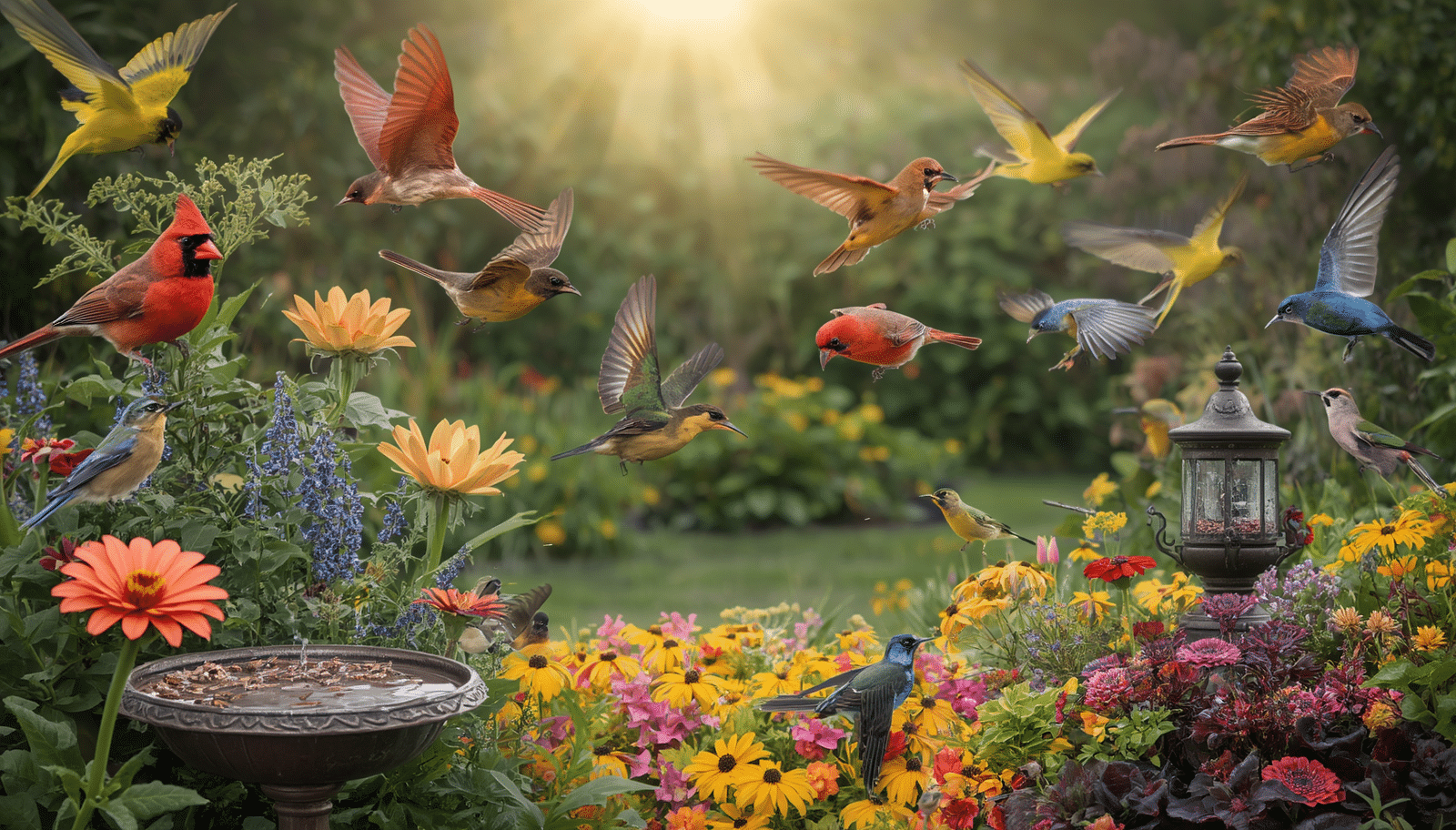
Do you want to bring a splash of color and life to your garden? Attracting colorful birds can turn your outdoor space into a lively paradise. By using various methods to attract colorful birds, you can ensure that they visit your backyard often.
Imagine watching vibrant feathers fluttering around, filling your days with joy and wonder. You don’t need a big yard or special skills to make this happen. With a few simple tips, you can invite these beautiful visitors right to your doorstep.
Implementing simple changes will help you attract colorful birds consistently and make your space inviting for them.
Keep reading to discover how to create a bird-friendly haven that will brighten your world and keep you coming back for more.
Attracting colorful birds to your garden starts with picking the right plants. Plants provide food and shelter that birds need. Choose plants that fit your local climate and soil.
To effectively attract colorful birds, plant a variety of vibrant flowers and provide ample food sources. This will create an ideal environment for attracting colorful birds.
Focus on plants that offer nectar, berries, or seeds. These will invite a variety of birds. Let’s look at three important types of plants to grow.
Native Flowering Plants
Native flowering plants are best for birds because they are adapted to your area. These plants supply nectar for hummingbirds and insects that many birds eat. Examples include coneflowers, black-eyed Susans, and bee balm.
Fruit-bearing Shrubs
Fruit-bearing shrubs provide important food for birds, especially in fall and winter. Birds eat the berries and seeds from these plants. Choose shrubs that produce fruit in different seasons for year-round food.
By planting fruit-bearing shrubs, you will help attract colorful birds during the different seasons.
- Serviceberry
- Elderberry
- Holly
- Winterberry
- Dogwood
Seasonal Blooms
Plant flowers that bloom in different seasons. This keeps a steady food supply for birds throughout the year. Early blooms feed birds after winter, while late blooms help them before migration.
This consistent setup will allow you to attract colorful birds year-round, keeping your garden lively.
| Season | Flower Examples |
| Spring | Redbud, Columbine |
| Summer | Milkweed, Sunflower |
| Fall | Goldenrod, Asters |
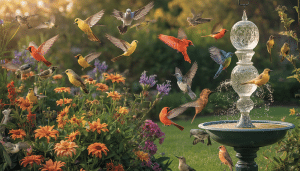
Set Up Bird Feeders
Attracting colorful birds starts with the right bird feeders. These feeders offer food and shelter for birds in your garden. You can enjoy watching bright birds visit every day.
Use a variety of seeds in your feeders to attract colorful birds to your yard frequently.
Setting up feeders correctly helps keep birds safe and happy. It also makes your yard a lively place full of colors and sounds.
Types Of Feeders
Different feeders hold various types of food. Each feeder suits certain bird species. Choose feeders that attract the colorful birds you want to see.
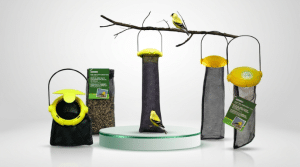
- Tube Feeders:Hold small seeds like sunflower and attract finches and chickadees.
- Platform Feeders:Flat trays that welcome many bird types, including cardinals and jays.
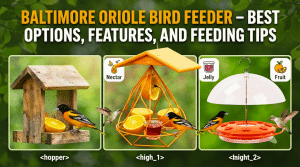
- Hopper Feeders:Store large amounts of seed and feed many birds at once.
- Nectar Feeders:Designed for hummingbirds with sweet liquid food.
Best Seeds For Colorful Birds
Different seeds attract different colorful birds. Using the right seed mix helps bring a variety of birds to your feeders.
The right mix of seeds will draw many different colorful birds to your feeders.
| Seed Type | Attracts |
| Black Oil Sunflower | Cardinals, Grosbeaks, Finches |
| Safflower | Cardinals, Chickadees, Nuthatches |
| Nyjer (Thistle) | Goldfinches, Pine Siskins, Redpolls |
| Millet | Juncos, Sparrows, Doves |
| Peanuts | Woodpeckers, Jays, Titmice |
Placement Tips
Place feeders where birds feel safe and visitors can watch them easily. Good placement also keeps food clean and dry.
- Put feeders near trees or shrubs for shelter and quick escape.
- Keep feeders at least 10 feet away from windows to prevent collisions.
- Place feeders where they get some shade to keep seeds fresh.
- Use poles or hang feeders to keep them away from cats and other predators.
- Keep the ground below feeders clean to avoid disease.
Create Water Sources
Providing water is important to attract colorful birds to your yard. Birds need water for drinking and bathing.
Clean water sources are crucial to attract colorful birds and keep them healthy.
Water sources also help birds stay cool during hot weather. They prefer clean and fresh water.
Birdbaths And Fountains
Birdbaths are shallow containers that hold water for birds. They come in many shapes and sizes.
Fountains add movement to the water. Moving water looks more natural and attracts more birds.
Incorporating fountains can further attract colorful birds, enhancing your garden’s appeal.
- Choose birdbaths with a rough surface for better footing
- Place birdbaths in open areas to avoid predators
- Use solar-powered fountains for gentle water flow
- Keep water depth between 1 and 2 inches
Moving Water Attracts Birds
Birds notice moving water faster than still water. It signals a fresh water source.
Small waterfalls or drippers create sound and motion. This attracts birds from far away.
- Install a bubbler in your birdbath
- Add a small fountain pump
- Use water spouts or drippers
- Place water sources near shrubs or trees
Maintaining Clean Water
Maintaining clean water will help you attract colorful birds consistently.
Birds need clean water to stay healthy. Dirty water can spread diseases among birds.
Change the water often and clean your birdbaths regularly. This keeps birds coming back.
- Empty and refill birdbaths every two days
- Scrub birdbaths with a brush and mild soap weekly
- Remove leaves and debris daily
- Use safe cleaning methods without chemicals
Provide Shelter And Nesting Spots
Colorful birds need safe places to rest and raise their young. Providing shelter and nesting spots helps attract these birds to your yard or garden. Birds feel safe when they have natural cover and good nesting options.
Shelter and nesting spots will help attract colorful birds to your garden.
Simple changes can make your space welcoming for many bird species. Focus on natural cover, birdhouses, and safe materials for nests.
Natural Cover With Trees And Bushes
Trees and bushes give birds protection from weather and predators. Dense leaves also offer quiet places for birds to hide and rest. Native plants are best because local birds know them well.
- Plant a variety of trees and shrubs with different heights.
- Choose native species that produce berries or seeds.
- Keep some areas wild and untouched for natural shelter.
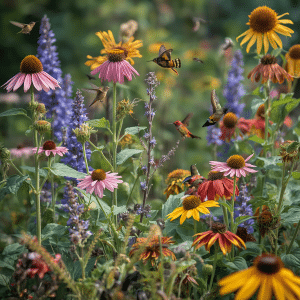
Installing Birdhouses
Birdhouses provide safe nesting spots especially when natural cavities are scarce. Different birds prefer different sizes and shapes of birdhouses. Place them in quiet locations away from direct sun and strong winds.
Adding birdhouses will also provide safety, encouraging more colorful birds to visit.
| Bird Species | Birdhouse Size (Entrance Diameter) | Height from Ground |
| Bluebirds | 1.5 inches | 4-6 feet |
| Chickadees | 1 1/8 inches | 5-15 feet |
| Nuthatches | 1 1/4 inches | 5-20 feet |
Safe Nesting Materials
Birds use soft and natural materials to build their nests. Offering safe nesting materials nearby helps birds create strong nests. Avoid synthetic or sharp items that can hurt birds.
Offering safe nesting materials will further attract colorful birds.
- Small twigs and dry grass
- Feathers from your yard
- Animal fur or hair (collected from pet brushes)
- Shredded paper (non-colored and chemical-free)
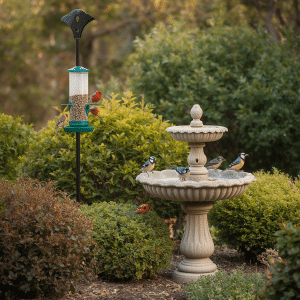
Avoid Harmful Chemicals
Using harmful chemicals in your garden can scare away colorful birds. These chemicals also hurt the environment. Choose safer options to attract birds and protect nature.
Creating a chemical-free environment is essential to attract colorful birds.
Birds visit places where they feel safe. Avoiding pesticides and chemicals helps create a welcoming spot for them.
Pesticide-free Gardening
Do not use chemical pesticides in your garden. These poisons can harm birds and insects they eat. Instead, try natural ways to control pests.
- Use neem oil or insecticidal soap
- Plant pest-repellent herbs like basil or mint
- Encourage beneficial insects like ladybugs
- Remove pests by hand when possible
Organic Fertilizers
Chemical fertilizers may poison birds and insects. Organic fertilizers are safer and help plants grow strong. They improve soil without harmful effects.
Organic options are much safer and will help attract colorful birds to your garden.
| Type | Benefits | Examples |
| Compost | Improves soil health | Kitchen scraps, leaves |
| Manure | Rich in nutrients | Chicken, cow manure |
| Bone meal | Good for root growth | Ground animal bones |
| Seaweed fertilizer | Boosts plant immunity | Dried or liquid seaweed |
Creating A Safe Environment
Make your garden a safe place for birds by avoiding all toxic chemicals. Keep water fresh and provide natural food sources.
A safe environment will encourage colorful birds to visit and thrive.
- Use rainwater or clean water for bird baths
- Plant native flowers and trees
- Provide shelter with shrubs and brush piles
- Avoid using chemical sprays near bird feeders
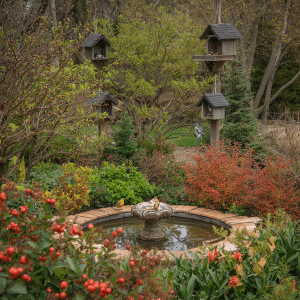
Use Bright Colors And Decorations
Bright colors and decorations can help attract colorful birds to your garden. Birds notice vivid colors easily. Using colorful items makes your garden lively and inviting.
Incorporating bright colors and decorations will help you attract colorful birds to your garden.
Decorate your outdoor space with colors that stand out. This draws birds in and makes them curious to visit. Bright colors mimic natural flowers and fruits birds like.
Colorful Garden Accents
Add bright garden accents like painted pots, bird feeders, and wind chimes. Use colors like red, yellow, orange, and blue. These colors catch birds’ eyes from far away.
Place these accents near plants and trees. Birds feel safe near natural cover. Colorful accents make your garden feel friendly and fun for birds.
- Paint birdhouses with bright, weather-proof colors
- Use colorful hanging feeders and water bowls
- Include vibrant garden flags or banners
- Place potted flowers in bright pots
Reflective Objects To Catch Attention
These colors can also help attract colorful birds who are drawn to vibrant environments.
Reflective objects attract birds by shining light. Birds see flashes and are curious to check the source. Use small mirrors, shiny ornaments, or old CDs in your garden.
Hang these objects where sunlight hits them. Move them gently with the wind for better shine. Reflective surfaces mimic water sparkles and bright feathers.
- Hang shiny wind spinners or mobiles
- Place mirrors near feeders or perches
- Use reflective tape on garden stakes
- Add glass or crystal garden ornaments
Avoiding Scare Tactics
Do not use items that scare birds away. Avoid loud noises or sudden movements near bird areas. Bright colors attract birds, but scary objects do not.
Creating a calm space will help attract colorful birds, making them feel safe.
Keep decorations gentle and natural looking. Remove plastic eyes, fake predators, or flashing lights that confuse birds. Create a safe, calm place for them to visit.
- Do not use scary statues or fake predators
- Avoid bright flashing lights or loud noises
- Keep decorations steady and soft in color
- Provide natural cover for birds to hide
Observe And Adjust
The changes you make will attract colorful birds and improve your garden.
Attracting colorful birds takes patience and care. Watching how birds react helps you improve your setup.
By observing bird visits, you can change your garden to suit their needs better.
Tracking Bird Visits
Keep a simple log of which birds visit your garden and when. Note the time of day and what they do.
This helps you understand which food or plants attract more colorful birds.
- Record bird species seen each day
- Note the types of food they eat
- Track the time and weather during visits
Adapting To Seasonal Changes
Birds change their habits as seasons change. You must change your garden to match their needs.
Offer different food and shelter in spring, summer, fall, and winter.
- Provide fresh water during hot months
- Plant flowers that bloom in different seasons
- Offer high-energy seeds in cold months
- Add shelter for protection from weather
Learning From Local Birdwatchers
Local birdwatchers know which birds are common in your area. They share helpful tips.
Join local groups or online forums to learn what works best nearby.
- Ask about the best plants for colorful birds
- Learn about safe bird feeders and food
- Find out about local bird migration times
Frequently Asked Questions
What Types Of Food Attract Colorful Birds?
Colorful birds prefer nectar, seeds, fruits, and insects. Plant native flowers and offer feeders with sunflower seeds or nectar to attract them.
How Can I Create A Bird-friendly Garden?
Plant diverse native plants, provide fresh water, and avoid pesticides. Use bird feeders and nesting boxes to support colorful bird visits.
Which Plants Attract Vibrant Bird Species?
Plants like bee balm, sunflowers, and coneflowers attract colorful birds. Choose native, nectar-rich flowers to invite hummingbirds and orioles.
How Important Is Water For Attracting Colorful Birds?
Water is essential for drinking and bathing. A birdbath or small pond encourages birds to visit and stay longer in your garden.
Conclusion
Attracting colorful birds can transform your garden into a lively space. Use native plants to provide food and shelter. Bird feeders filled with seeds invite a variety of species. Water sources, like bird baths, keep them coming back. Avoid chemicals to ensure a safe environment.
Following these suggestions will help attract colorful birds to your garden.
Patience and care will soon reward you with vibrant visitors. Enjoy the beauty and joy these birds bring. Your efforts will create a harmonious haven. Keep observing and learning about your feathered friends. They add color and life to any garden.
Happy birdwatching!