Have you ever wished you could see colorful migrating birds up close in your own backyard? Learning how to attract migrating birds isn’t as hard as you might think.
With a few simple steps, you can create a welcoming space that draws them in season after season. Imagine waking up to the gentle songs of birds passing through, right outside your window. Keep reading to discover easy tips that will turn your outdoor space into a bird magnet—and bring nature’s beauty closer to you than ever before.
Credit: www.gardeningknowhow.com
Choose Native Plants
Native plants provide food and shelter for migrating birds. They are adapted to the local climate and soil.
Using native plants helps create a safe stopover for birds during their long journeys.
Benefits Of Native Vegetation
Native plants offer the right nutrients that birds need. They attract insects that birds also eat.
These plants use less water and need less care. They fit well with the natural environment.
- Provide natural food sources like seeds and berries
- Offer shelter and nesting sites
- Support local insect populations for bird diets
- Require less maintenance and water
Best Plants For Migrating Birds
Pick plants that produce fruits, seeds, and nectar. These help refuel birds on their travels.
Choose a mix of trees, shrubs, and flowers for variety and shelter.
- Serviceberry (Amelanchier)
- Black-eyed Susan (Rudbeckia hirta)
- Red Maple (Acer rubrum)
- Eastern Red Cedar (Juniperus virginiana)
- Wild Bergamot (Monarda fistulosa)
Credit: www.gardeningknowhow.com
Provide Food Sources
Birds need food during their migration to keep their energy up. Offering food helps them rest and refuel.
Different birds prefer different foods. Knowing what to offer can attract many types of migrating birds.
Seeds And Fruits To Offer
Seeds are a great food source for many migrating birds. Black oil sunflower seeds attract many bird species.
Fruits like berries and chopped apples also provide good nutrition. They attract fruit-eating birds during migration.
- Black oil sunflower seeds
- Millet and nyjer seeds
- Suet with seeds and fruits
- Fresh berries like blueberries and raspberries
- Chopped apples and pears
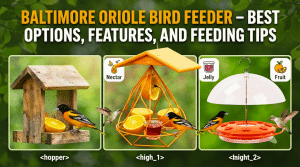
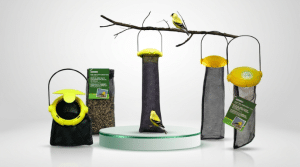
Using Feeders Effectively
Place feeders in quiet spots away from busy areas. Birds feel safe and are more likely to visit.
Keep feeders clean and filled with fresh food. Dirty feeders can spread disease and scare birds away.
- Use different feeders for seeds and fruits
- Place feeders near natural cover like bushes
- Fill feeders regularly to avoid empty spots
- Clean feeders every two weeks with warm water
Create Water Features
Water features can attract many migrating birds to your yard. Birds need water to drink and bathe during their long travels.
Setting up water sources like birdbaths and ponds helps birds stay healthy and rest. Clean water is very important for their safety.
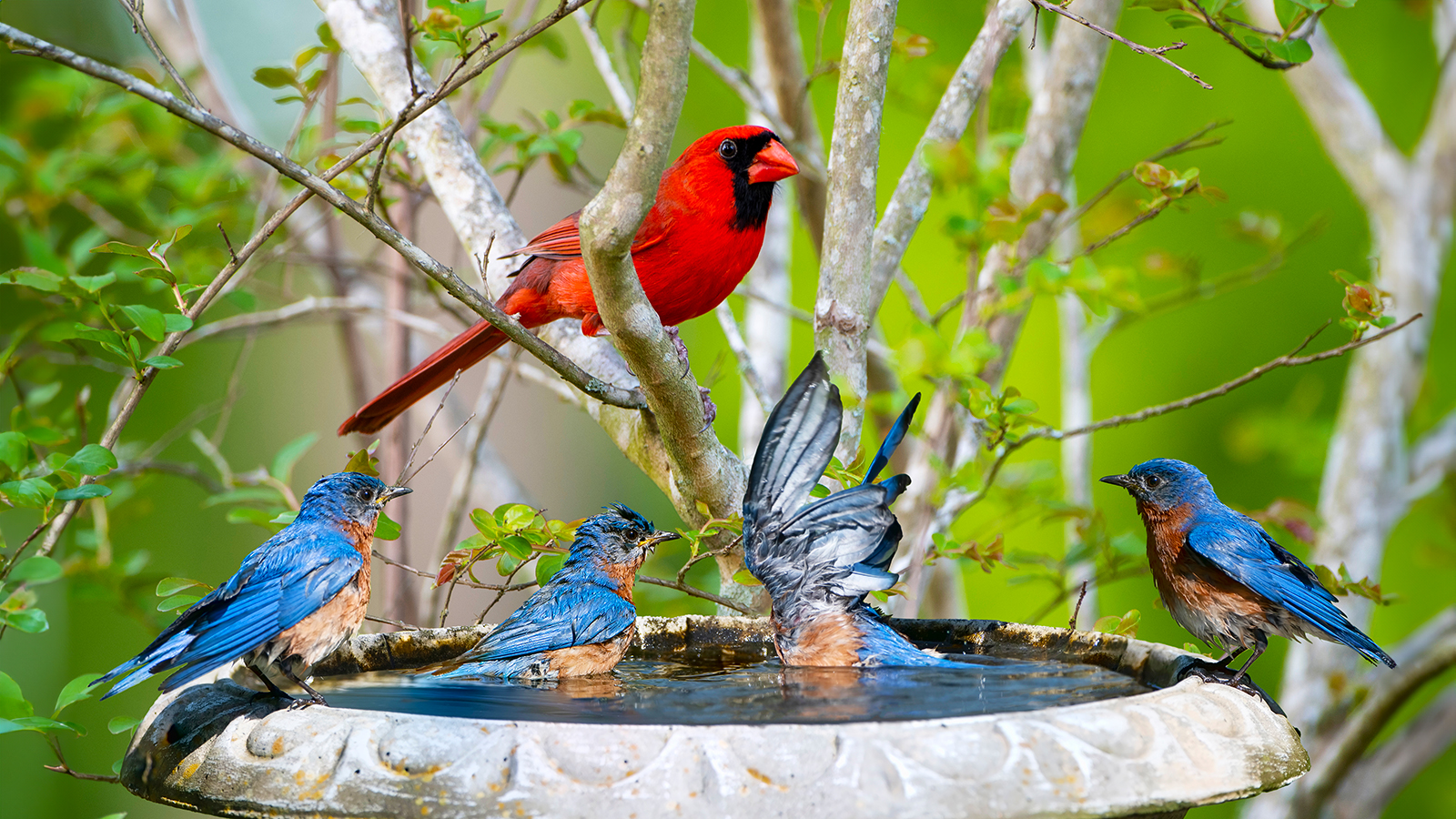
Birdbaths
Birdbaths provide a small, shallow place for birds to drink and bathe. Place birdbaths where birds feel safe from predators.
Choose birdbaths with rough surfaces so birds can stand easily. Keep the water shallow, about 1 to 2 inches deep.
- Use a wide, shallow basin
- Place birdbaths near shrubs or trees
- Change water daily to keep it fresh
Ponds
Ponds offer a larger water source for many types of birds. They attract different species that like to drink and bathe in bigger water areas.
Add gentle slopes or flat stones at pond edges so birds can land safely. Plant native plants nearby to provide shelter and food.
- Keep pond edges easy for birds to access
- Include plants like reeds and water lilies
- Ensure pond water is calm and clean
Maintaining Clean Water
Clean water keeps birds healthy and coming back. Dirty water can spread diseases and scare birds away.
Remove leaves and debris from water daily. Use a brush or net to clean birdbaths and ponds regularly.
- Change birdbath water every day
- Scrub birdbaths weekly with mild soap
- Check ponds for algae growth and remove it
- Use natural filters or plants to keep pond water clean
Offer Shelter And Nesting Spots
Migrating birds need safe places to rest and build nests. Providing shelter helps them stay protected from weather and predators.
Good shelter encourages birds to stay longer in your area. This supports their journey and helps local bird populations.
Natural Cover Options
Plants and trees create natural hiding places for birds. Thick bushes and tall grasses offer shade and protection.
Leaves and branches provide good spots for birds to hide and rest. Native plants attract insects that birds like to eat.
- Plant dense shrubs like elderberry or holly
- Grow native grasses for ground cover
- Keep dead trees or logs as natural perches
- Allow vines to grow on fences or trellises
Installing Birdhouses
Birdhouses give birds safe places to build nests. Place birdhouses in quiet, sheltered spots to attract them.
Use different sizes and shapes for various bird species. Clean the birdhouses regularly to keep them safe and inviting.
- Mount birdhouses 5 to 10 feet above the ground
- Face entrances away from strong winds
- Use untreated wood for natural protection
- Place houses near trees or bushes for cover
Maintain A Safe Environment
Creating a safe space helps migrating birds rest and feed. It is important to protect them from harm during their long journey.
Small actions can make your garden or yard a safe stop for these birds. Focus on reducing risks and avoiding harmful chemicals.
Reducing Predators And Hazards
Keep the area free from animals that might hunt or scare migrating birds. Remove or cover places where predators can hide.
- Trim dense bushes where cats or snakes may hide
- Keep pet food indoors to avoid attracting unwanted animals
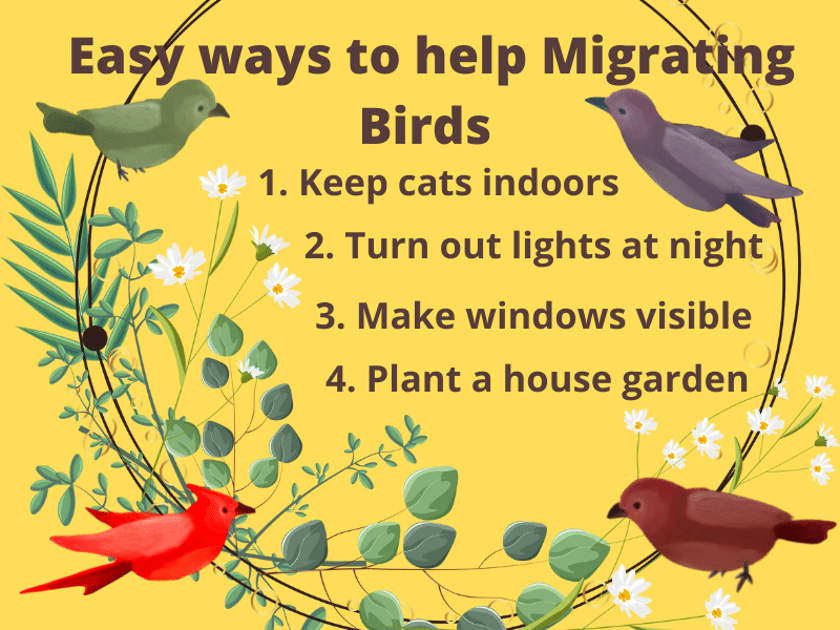
- Use bird-safe glass or window decals to prevent collisions
- Clear litter and sharp objects from the ground
- Place feeders and baths in open areas for easy bird escape
Avoiding Pesticides
Pesticides can poison birds and reduce the insects they eat. Use natural methods to keep your plants healthy and safe.
| Natural Pest Control | Benefits for Birds |
| Introduce ladybugs | Eat harmful insects without chemicals |
| Plant marigolds | Repel pests naturally |
| Use neem oil spray | Non-toxic to birds when used properly |
| Handpick pests | Prevents chemical use and protects insects birds eat |
Timing And Seasonal Tips
Attracting migrating birds requires attention to timing and the seasons. Birds travel in patterns that depend on weather and food availability.
Knowing when to prepare your yard and how to adjust your care can help birds find food and shelter during migration.
When To Prepare Your Yard
Start preparing your yard several weeks before the main migration period. This gives plants time to grow and food sources to become available.
- Plant native flowers and shrubs that produce seeds or berries.
- Set up bird feeders with appropriate seeds.
- Provide fresh water in shallow dishes.
- Keep your yard free of pesticides and chemicals.
- Leave some leaf litter and dead wood for insects and shelter.
Adjusting Care Throughout Migration
Change your yard care as migration progresses. Birds have different needs at each stage of their journey.
| Time Period | Care Tips |
| Early Migration | Fill feeders daily and keep water clean. |
| Peak Migration | Provide extra food and avoid yard disturbances. |
| Late Migration | Reduce feeding and allow natural food sources to recover. |
Credit: www.gardeningknowhow.com
Frequently Asked Questions
How Do I Create A Bird-friendly Garden For Migrants?
Plant native trees, shrubs, and flowers to provide food and shelter. Include water sources like birdbaths. Avoid pesticides to keep the habitat safe and welcoming.
What Foods Attract Migrating Birds During Their Journey?
Offer seeds, berries, nectar, and suet. Different birds prefer varied foods, so provide a mix to attract diverse species.
When Is The Best Time To Attract Migrating Birds?
Early spring and fall are peak migration periods. Prepare your garden before these seasons for the best results.
How Can I Provide Safe Resting Spots For Migrating Birds?
Install birdhouses, dense shrubs, and trees for shelter. Minimize disturbances and keep pets away to ensure safety.
Conclusion
Creating a welcoming space for migrating birds is rewarding. It helps preserve nature. Simple actions make a big difference. Provide food, water, and shelter. Native plants attract birds naturally. Keep outdoor cats indoors. Protect birds from harm. Patience and observation enhance the experience.
Watch as various species visit your garden. Each season brings new visitors. Appreciate their songs and colors. Share your experience with others. Inspire them to create bird-friendly spaces too. Together, we can support our feathered friends. Make your garden a safe haven for birds.
Enjoy the beauty and diversity they bring. A small effort creates a big impact.