Do you want to see more colorful birds visiting your yard? Imagine stepping outside and hearing cheerful bird songs all day long.
Attracting birds is easier than you think, and it can bring a lot of joy to your everyday life. You’ll discover simple tips that work like magic to invite a variety of birds right to your garden. Keep reading to transform your outdoor space into a lively bird paradise!

Credit: www.youtube.com
Choose The Right Plants
Picking the right plants helps bring more birds to your yard. Birds need food and shelter from plants.
Choose plants that offer seeds, berries, and places to hide. This makes your garden a bird-friendly space.
Native Flowers And Shrubs
Native plants are best for local birds. They provide food and shelter that birds know well.
Choose flowers and shrubs that grow naturally in your area. They attract native birds and help them survive.
- Native coneflowers
- Goldenrods
- Wild roses
- Serviceberry shrubs
Berry-producing Plants
Berries provide food for many birds in fall and winter. They are easy for birds to eat.
Plant bushes and trees that produce berries. Birds love to feed on these natural snacks.
- Holly
- Dogwood
- Elderberry
- Juniper
Seasonal Blooms
Choose plants that bloom at different times. This gives birds food all year long.
Early, mid, and late-season flowers help birds find nectar and insects throughout the year.
- Spring: Columbine, Redbud
- Summer: Bee balm, Sunflower
- Fall: Asters, Goldenrod
Credit: www.housedigest.com
Provide Fresh Water Sources
Birds need fresh water to drink and bathe. Offering clean water helps attract many bird species to your yard.
Water sources should be safe and easy for birds to access. Small changes can make your garden a favorite spot.
Birdbaths And Fountains
Birdbaths provide a simple way for birds to find water. Choose shallow basins with gentle slopes for easy landing.
- Place birdbaths in open areas near trees or shrubs for cover.
- Use sturdy materials like stone or ceramic to keep baths stable.
- Add small stones or gravel inside to prevent slipping.
- Change water daily to keep it fresh and clean.
Moving Water Benefits
Birds like moving water because it looks fresh and attracts their attention. Fountains and drippers create gentle sounds that draw birds.
| Type of Moving Water | Benefits for Birds |
| Fountains | Continuous flow keeps water fresh and oxygenated |
| Drippers | Create small splashes that attract birds visually and by sound |
| Small waterfalls | Provide calm, moving water with natural appeal |
Maintenance Tips
Keeping water clean is key to attracting birds. Dirty water can scare them away and spread disease.
- Clean birdbaths and fountains every few days with a brush and mild soap.
- Rinse well to remove all soap before refilling.
- Remove leaves, dirt, and algae regularly.
- Refill water daily, especially in hot weather.
- Place baths in shady spots to reduce algae growth.
Create Shelter And Nesting Spots
Birds need safe places to rest and raise their young. Creating shelter and nesting spots invites more birds to your yard.
Providing natural cover, birdhouses, and safe materials helps birds feel secure and comfortable.
Natural Cover Options
Planting shrubs and trees offers birds protection from predators and harsh weather. Dense bushes and evergreens provide good hiding spots.
- Use native plants that produce berries and seeds
- Include different plant heights for varied shelter
- Keep some brush piles for ground-nesting birds
- Avoid trimming plants too often during nesting season
Installing Birdhouses
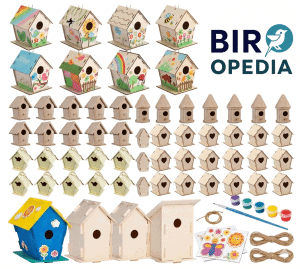
Birdhouses give birds a safe place to build nests. Place them in quiet spots away from busy areas.
| Bird Type | House Size (inches) | Entrance Hole Diameter | Placement Height (feet) |
| Bluebird | 6 x 6 x 12 | 1.5 | 5-10 |
| Chickadee | 4 x 4 x 8 | 1 1/8 | 5-15 |
| Wrens | 4 x 4 x 8 | 1 1/8 | 6-10 |
| Tree Swallow | 5 x 5 x 10 | 1.5 | 6-15 |
Safe Nesting Materials
Providing safe materials helps birds build sturdy nests. Avoid anything with chemicals or sharp edges.
- Offer dry grass, straw, and small twigs
- Provide feathers and soft plant fibers
- Place cotton or yarn outside, but avoid synthetic fibers
- Keep materials dry and clean to prevent mold

Credit: www.amazon.com
Offer Nutritious Food
Feeding birds nutritious food helps keep them healthy and active. It also attracts more birds to your yard.
Choosing the right food and feeders makes a big difference. This guide covers key tips for feeding birds well.
Choosing The Right Feeders
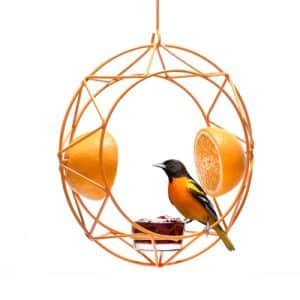
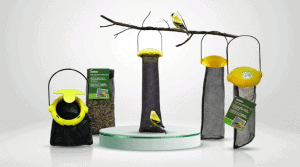
Use feeders that suit the type of birds you want to attract. Some birds prefer platform feeders, while others like tube feeders.
Keep feeders clean and place them where birds feel safe from predators. Proper feeder choice helps birds access food easily.
Best Seeds And Suet
Offer seeds and suet that provide good nutrition. Different birds like different types of food.
- Black oil sunflower seeds: high in fat and easy to eat
- Nyjer (thistle) seeds: favorite for finches and small birds
- Peanuts: good protein source for woodpeckers and jays
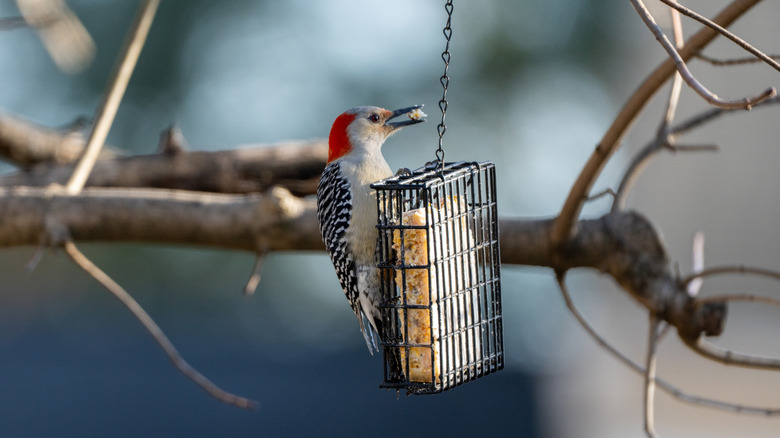
- Suet cakes: provide energy, especially in cold weather
- Milo and cracked corn: attract larger birds like doves
Feeding Schedules
| Time of Day | Feeding Tips |
| Morning | Refill feeders to give birds energy for the day |
| Midday | Check feeders and clean if needed |
| Evening | Top off food before birds settle for night |
Regular feeding helps birds rely on your yard as a food source. This keeps them coming back often.
Maintain A Bird-friendly Environment
Creating a welcoming space for birds helps them thrive. Simple actions in your garden or yard make a big difference.
Focus on safe and natural surroundings. Birds need shelter, food, and peace to visit often.
Avoiding Pesticides
Do not use chemicals to kill insects or weeds. Pesticides can harm birds directly or reduce their food supply.
- Choose natural pest control methods like neem oil or soap sprays.
- Plant flowers that attract beneficial insects to control pests.
- Handpick pests from plants instead of spraying chemicals.
- Keep your soil healthy by adding compost and mulch.
Providing Perches
Birds need places to rest and watch for food or danger. Perches help them feel safe and comfortable.
| Type of Perch | Benefits |
| Tree branches | Natural and shaded resting spots |
| Fence posts | Clear view of the area |
| Bird-friendly poles | Safe and stable landing places |
| Shrubs and bushes | Cover from predators and bad weather |
Minimizing Noise And Disturbance
Birds avoid noisy places. Keep loud sounds low and steady to help birds feel safe.
Try these tips:
- Turn off loud music and machinery near bird areas.
- Limit foot traffic close to nests or feeders.
- Keep pets away from bird habitats.
- Use soft garden tools instead of noisy ones.
Attract Specific Bird Species
Different birds like different foods and habitats. You can attract specific birds by providing what they need.
Knowing what each bird species prefers helps you create a bird-friendly space.
Hummingbirds And Their Favorites
Hummingbirds love nectar from flowers and feeders. Bright colors like red attract them well.
Plant tubular flowers and keep feeders clean to invite hummingbirds to your yard.
- Feeders with sugar water (4 parts water, 1 part sugar)
- Red or orange flowers like trumpet vine and bee balm
- Place feeders in sunny, quiet spots
- Change nectar every few days to prevent mold
Attracting Songbirds
Songbirds enjoy seeds, fruits, and insects. They like places with trees and shrubs for shelter.
Offer a variety of seeds and keep water nearby to attract many songbird types.
- Black-oil sunflower seeds for many species
- Suet for insect-eating birds
- Berry-producing shrubs like elderberry and dogwood
- Fresh water in shallow dishes or birdbaths
- Dense bushes for nesting and protection
Welcoming Waterfowl
Waterfowl like ducks and geese need water and safe resting spots. They enjoy plants near water.
Create a pond or use a large water source with gentle edges to attract waterfowl.
- Shallow water areas for feeding
- Aquatic plants like cattails and pondweed
- Grassy banks for resting and nesting
- Keep water clean and free of predators
- Offer cracked corn or grains away from feeders
Frequently Asked Questions
How Can I Attract More Birds To My Garden?
Provide fresh water, diverse bird feeders, and native plants. Offer shelter with shrubs and trees. Avoid pesticides to keep birds safe and healthy.
What Types Of Bird Feeders Work Best?
Tube feeders suit small birds, platform feeders attract larger birds. Suet feeders are great for insect-eaters. Use a mix to attract various species.
Which Plants Attract The Most Birds?
Native flowering plants, berry-producing shrubs, and seed-bearing grasses attract birds. They provide food and shelter, supporting local bird populations effectively.
How Important Is Water For Attracting Birds?
Water is essential for drinking and bathing. A clean birdbath or small pond attracts many birds, especially in dry weather or hot climates.
Conclusion
Attracting more birds can be simple and rewarding. Provide food and fresh water regularly. Choose native plants for your garden. These offer natural food and shelter. Create a safe environment by keeping predators away. Install birdhouses for nesting. Maintain a clean and welcoming space.
Regular effort leads to a lively, chirping garden. Remember to be patient. Birds will come in time. Enjoy watching their colorful displays. Their songs bring joy and beauty to any space. With these steps, your garden can become a bird haven.
A place where nature thrives and delights.