Do you want to bring the cheerful presence of robins right to your backyard? Attracting these bright, friendly birds can brighten your outdoor space and connect you with nature in a whole new way.
Imagine waking up to the sight of a robin perched on your fence or hearing its sweet song nearby. You’ll discover simple, effective steps you can take to make your garden a robin magnet. Keep reading to learn how to create a welcoming environment that these lovely birds won’t be able to resist.
Why Robins Visit Your Yard
Robins are common birds in many yards. They visit to find food, shelter, and nesting spots.
Understanding why robins come helps you attract them. They prefer places that meet their needs.
Robins’ Habitat Preferences
Robins like yards with open spaces and trees. They use lawns to hunt for worms and insects.
They also need shrubs or bushes for shelter and nesting. Water sources nearby attract robins too.
- Open grassy areas for feeding
- Trees and shrubs for shelter and nests
- Clean water sources for drinking and bathing
Seasonal Behavior Patterns
Robins change their behavior with the seasons. They migrate in colder months but stay if food is available.
In spring and summer, robins build nests and raise young. They spend more time in yards during this season.
- Spring and summer: Nesting and feeding young
- Fall: Preparing to migrate or finding food
- Winter: Move south or stay if food is found
Credit: www.gardeningknowhow.com
Best Foods To Attract Robins
Robins are beautiful birds that brighten any garden. Feeding them the right foods helps bring them close to your yard.
They like a mix of fruits and natural insects. You can offer these to keep robins visiting often.
Fruits That Robins Love
Robins enjoy eating many kinds of small fruits. These fruits give them energy and help them stay healthy.
- Chopped berries like strawberries, blueberries, and raspberries
- Small pieces of apples and pears without seeds
- Grapes, cut in halves or quarters
- Cherries, pitted and chopped
- Mulberries and elderberries
Insects And Worms As Natural Food
Robins eat many insects and worms. These are their main natural food sources, especially in spring and summer.
| Type of Food | Why Robins Like It |
| Earthworms | Easy to find and full of protein |
| Beetles | Crunchy and good for energy |
| Caterpillars | Soft and rich in nutrients |
| Spiders | Good source of protein and fats |
| Ants | Small and easy to catch |
Creating A Robin-friendly Environment
Robins are beautiful birds that many people enjoy watching in their gardens. To attract robins, you need to create a place where they feel safe and can find food and water.
A robin-friendly environment includes the right plants, trees, and water sources. These features help robins live and visit your yard often.
Ideal Plants And Trees
Robins like plants that provide food and cover. Fruit-bearing trees and shrubs give them berries to eat. Trees also offer safe spots for nesting and resting.
- Holly bushes with red berries
- Serviceberry trees
- Dogwood trees
- Mulberry trees
- Blackberries and raspberries
- Flowering plants with insects
Plant a mix of these to supply food through different seasons. Dense shrubs give robins places to hide from predators.
Water Sources For Drinking And Bathing
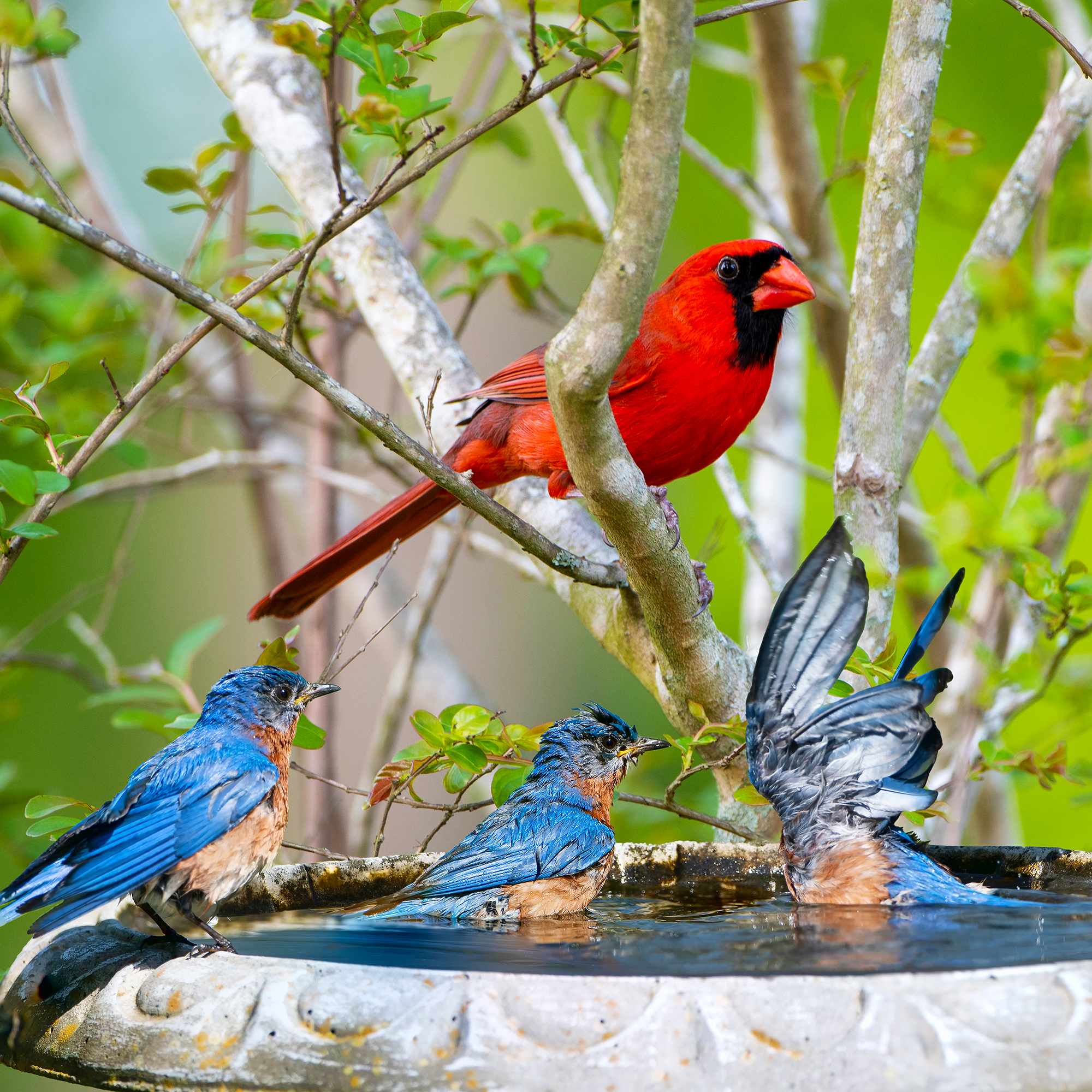
Robins need fresh water to drink and bathe. A clean, shallow water source will attract them to your yard. Water helps robins keep their feathers clean.
- Birdbaths with shallow water (1-2 inches deep)
- Small ponds with gentle edges
- Water dishes placed in quiet areas
- Change water every day to keep it fresh
Place water near shrubs or trees so robins feel safe while drinking or bathing. Avoid deep or fast-moving water sources.
Safe Shelter And Nesting Spots
Robins need safe places to build nests and raise their young. Providing the right shelter helps protect them from weather and threats.
Choosing good nesting spots can invite robins to stay close to your garden or yard. Let’s explore what materials and protections they need.
Suitable Nesting Materials
Robins use soft and natural materials to build their nests. They prefer materials that keep eggs warm and safe.
- Dry grass and straw
- Small twigs and sticks
- Moss and feathers
- Leaves and pine needles
- Animal hair or soft fur
You can help by leaving these materials in your yard. Place them in small piles where robins can easily find them.
Protecting Robins From Predators
Predators like cats and larger birds can harm robins and their nests. Creating safe spaces reduces these risks.
| Predator | Protection Method |
| Domestic Cats | Keep cats indoors or use cat-proof fencing |
| Raccoons | Place nests away from ground level |
| Snakes | Clear dense brush near nests |
| Hawks | Provide dense shrubs or trees for cover |
Building nesting boxes high off the ground can also keep robins safe. Avoid placing nests near busy areas or where predators hide.
Timing Your Efforts For Best Results
Attracting robins requires good timing. Knowing when they are most active helps you plan well.
Seasonal changes affect robins’ feeding habits. Adjust your approach for each time of year.
When Robins Are Most Active
Robins are most active early in the morning and late in the afternoon. These times are best for feeding and watching them.
- Early morning: Robins search for worms and insects.
- Late afternoon: They eat fruits and berries.
- During mild weather, robins stay active longer.
- Cold or rainy days make robins less visible.
Seasonal Feeding Strategies
Robins eat different foods in each season. Feeding them the right foods boosts your chances of attracting them.
| Season | Preferred Food | Feeding Tips |
| Spring | Worms, Insects | Keep soil moist to attract worms. |
| Summer | Fruits, Berries | Plant berry bushes and provide fresh water. |
| Fall | Berries, Seeds | Offer mixed seeds and leave fallen fruits. |
| Winter | Fruits, Suet | Use suet feeders and dried fruits. |

Credit: www.youtube.com
Common Mistakes To Avoid
Attracting robins to your garden is simple if you avoid some common mistakes. Many people do things that scare robins away or harm them without knowing it.
Learning what foods to avoid and how to keep the area calm can help you enjoy watching these birds more often.
Foods That Can Harm Robins
Some foods look safe but can actually hurt robins. Avoid feeding them these items to keep them healthy and happy.
- Raw beans – contain toxins that robins cannot digest.
- Salty foods – too much salt can cause dehydration.
- Processed bread – offers no real nutrition and may fill them up without energy.
- Milk or dairy products – robins cannot digest lactose.
- Avocado – contains a substance harmful to many birds.
Disturbances That Scare Them Away
Robins are shy and do not like loud noises or sudden movements. Avoid these disturbances to keep them visiting your yard.
| Disturbance | Effect on Robins |
| Loud noises (dogs barking, lawnmowers) | Causes robins to fly away quickly |
| Frequent human movement near feeding spots | Makes robins nervous and less likely to return |
| Predators like cats or hawks nearby | Robins avoid areas with predators |
| Bright lights at night | Disrupts their rest and daily routine |
Using Bird Feeders And Baths Effectively
Robins are beautiful birds that many people enjoy watching. You can attract robins to your yard by using bird feeders and baths. This guide will help you use these tools the right way.
Feeding and giving water to robins requires some care. Choosing the right feeders and keeping water clean are key to attracting them safely.
Choosing The Right Feeder Types
Robins prefer ground feeders or platforms. They do not usually like hanging feeders with small holes. Feeders with wide trays work best for them.
- Use flat platform feeders or shallow trays.
- Place feeders low to the ground or on a raised platform.
- Offer soft fruits like berries and chopped apples.
- Include mealworms or suet to attract robins.
- Keep feeders away from dense bushes to reduce danger from predators.
Maintaining Clean Water Sources
Clean water is important for robins to drink and bathe. Dirty water can harm birds and stop them from visiting.
| Water Care Tip | Why It Matters |
| Change water daily | Prevents bacteria growth |
| Use shallow bird baths | Safe and easy for robins to use |
| Clean baths weekly | Stops algae and germs |
| Place baths in shade | Keeps water cool and fresh |
| Remove standing water nearby | Reduces mosquito breeding |
Encouraging Robins To Stay Year-round
Robins are friendly birds that many enjoy watching in their gardens. You can help them stay all year by making your yard a good place for them.
Providing food and a safe home helps robins feel comfortable. This guide shares tips to keep robins visiting in winter and beyond.
Winter Feeding Tips
Winter is hard for robins because food is scarce. Offering the right food helps them survive cold months.
Robins like soft fruits, mealworms, and berries. Avoid bread because it offers little nutrition.
- Provide fresh fruit like oranges and apples
- Offer live or dried mealworms for protein
- Keep water fresh and unfrozen for drinking
- Feed regularly to create a reliable source
Creating A Consistent Habitat
Robins return to places where they feel safe. You can build a steady habitat with plants and shelter.
Plant native shrubs and trees that provide cover and food. Keep the garden quiet and avoid sudden changes.
- Grow berry-producing plants like holly and dogwood
- Provide dense shrubs for nesting and shelter
- Leave leaf litter for insects robins eat
- Minimize lawn chemicals and keep cats indoors

Credit: lawnlove.com
Frequently Asked Questions
What Food Attracts Robins To My Garden?
Robins are attracted to mealworms, berries, and earthworms. Offering these foods in feeders or on the ground invites them. Avoid processed birdseed; robins prefer natural, fresh food sources for feeding.
How Can I Create A Robin-friendly Habitat?
Provide shrubs, trees, and open spaces with soil for foraging. Include water sources like birdbaths. Avoid pesticides and keep pets away to ensure a safe, welcoming environment.
When Do Robins Visit Gardens Most Often?
Robins are most active during early spring and fall. They seek food and nesting sites during these seasons. Providing food and shelter at these times increases the chances of attracting them.
What Type Of Shelter Do Robins Prefer?
Robins favor dense shrubs and low trees for nesting and shelter. They need safe spots to hide from predators. Planting native bushes helps create ideal shelter for robins.
Conclusion
Attracting robins to your garden is rewarding and fun. Start with a bird-friendly environment. Provide food, water, and shelter. Robins love worms, berries, and suet. Plant trees and shrubs for safe nesting spots. Keep your garden clean and natural. Avoid chemicals that harm birds.
Watch them thrive and bring joy to your space. Patience is key. Over time, your garden becomes a robin’s paradise. Enjoy the beauty and songs they bring. Happy bird watching!