Have you ever wanted to fill your garden with the cheerful songs and gentle flutter of small birds? Attracting these tiny visitors can bring a sense of peace and joy right to your doorstep.
You might think it’s tricky, but with the right steps, you can create a welcoming space that small birds simply can’t resist. Keep reading, and you’ll discover easy tips that will transform your outdoor space into a bird lover’s paradise—making every moment outside more magical.

Credit: www.birdfy.com
Choose Bird-friendly Plants
Planting the right plants helps attract small birds to your garden. Birds look for food, shelter, and nesting spots.
Choosing plants that suit local birds encourages them to visit and stay longer in your yard.
Native Plants For Local Birds
Native plants provide natural food and shelter for birds. These plants have seeds, berries, and flowers that local birds like.
- Serviceberry: Offers berries in spring and summer
- Black-eyed Susan: Attracts insects and seeds birds eat
- Milkweed: Supports butterflies and offers seeds
- Eastern Redbud: Provides nectar and insects
- Chokecherry: Bears fruit loved by many birds
Seasonal Blooms For Year-round Attraction
Plant flowers and shrubs that bloom in different seasons. This keeps food sources available all year.
| Plant | Bloom Season | Bird Benefit |
| Sunflower | Summer | Seeds for small birds |
| Goldenrod | Fall | Insects and seeds |
| Winterberry | Winter | Berries for food |
| Columbine | Spring | Nectar for hummingbirds |
Set Up Feeding Stations
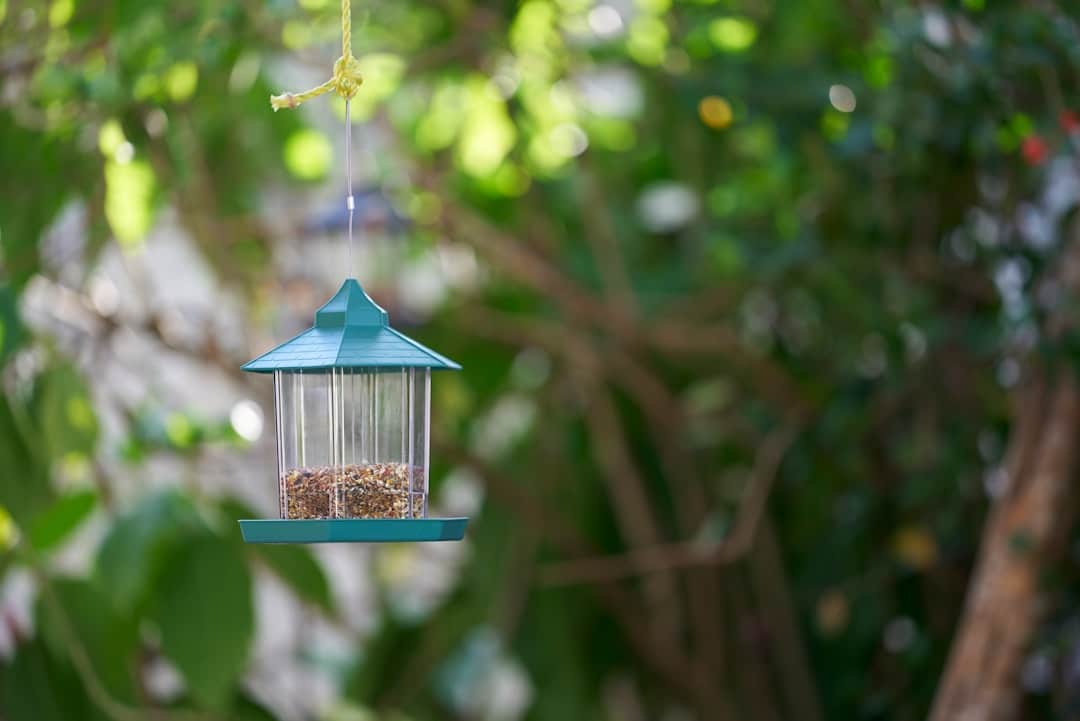
Creating a feeding station helps attract small birds to your yard. You need to place feeders in safe, quiet spots. This makes birds feel comfortable and want to visit often.
Keep your feeding area clean and refill food regularly. This keeps birds healthy and coming back to your station.
Best Bird Feeders For Small Birds
Choose feeders that suit small birds’ needs. Tube and hopper feeders work well for tiny birds. These types keep food dry and safe from larger birds.
- Tube feeders with small perches
- Hopper feeders with mesh bottoms
- Platform feeders with guard rails
- Nyjer seed feeders designed for finches
Types Of Bird Food To Offer
Offer food that small birds love. Different birds prefer different seeds and treats. Use a variety to attract more species.
| Food Type | Birds Attracted |
| Black oil sunflower seeds | Finches, chickadees, nuthatches |
| Nyjer seed | Goldfinches, siskins |
| Millet | Sparrows, doves |
| Suet cakes | Woodpeckers, titmice |
| Cracked corn | Jays, doves |
Provide Fresh Water Sources
Small birds need fresh water to drink and bathe. Water helps them stay healthy and clean. Adding water sources in your yard attracts these birds.
Birds look for safe places to find water. You can help by giving them clean and easy access to water every day.
Birdbaths And Water Features
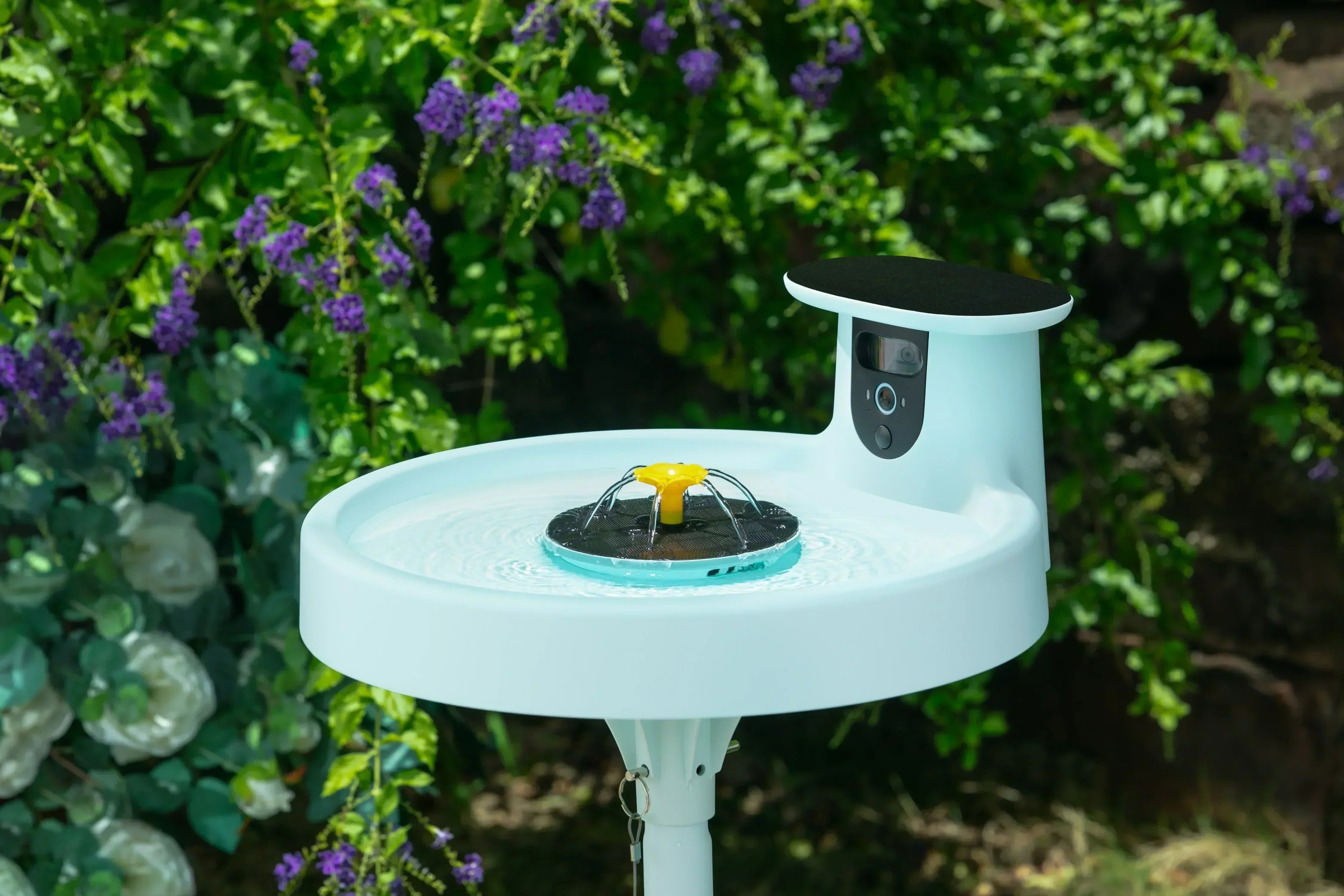
Birdbaths are simple ways to offer water. Choose shallow baths with gentle slopes so birds can land safely. You can also add small water fountains or drip features. Moving water attracts birds more than still water.
- Place birdbaths where birds feel safe, near shrubs or trees.
- Use non-toxic materials like ceramic or stone.
- Keep water level shallow, about 1 to 2 inches deep.
- Add stones or sticks for birds to perch on.
- Change the water daily to keep it fresh.
Maintaining Clean Water
Clean water is important to prevent disease. Dirty water can harm birds and stop them from visiting. Regular cleaning keeps water safe and fresh.
| Task | Frequency |
| Empty and refill birdbath | Every day |
| Scrub birdbath with brush | Once a week |
| Remove algae or debris | Daily or as needed |
| Check for leaks or cracks | Monthly |
Create Safe Shelter Spots
Small birds need safe places to hide from predators and bad weather. You can help by creating shelter spots in your yard or garden. These spots give birds a chance to rest and feel secure.
Safe shelters also support birds during nesting season. Providing natural and man-made options will attract more birds to your space.
Natural Hiding Places
Plants and shrubs offer perfect natural hiding spots for small birds. Dense bushes protect birds from predators and strong winds. Trees with thick leaves give shade and cover.
- Plant native shrubs and bushes that grow thick and low
- Keep dead trees or logs for birds to hide in
- Grow tall grasses and ground covers for extra shelter
- Leave some leaf piles undisturbed for ground birds
Installing Birdhouses
Birdhouses provide safe nesting spots for small birds. Choose birdhouses with the right size and entrance hole for the birds you want to attract. Place them in quiet, sheltered locations.
| Bird Species | Entrance Hole Size | Preferred Location |
|---|---|---|
| Chickadee | 1 1/8 inches | 5–10 feet high on a tree or post |
| Wrens | 1 inch | Near bushes or shrubs |
| Nuthatches | 1 1/4 inches | In a quiet, shaded area |
Minimize Backyard Threats
Small birds need a safe place to visit your backyard. Threats from predators and chemicals can scare them away. Protecting birds helps keep your garden lively and healthy.
Learn simple ways to keep predators at bay and avoid using harmful substances. These steps make your backyard a friendly spot for small birds.
Keeping Predators Away
Predators like cats, hawks, and snakes can harm small birds. You can reduce these dangers by making your yard less inviting to them.
- Keep pet cats indoors or supervise them outside.
- Place bird feeders and nests in open areas away from hiding spots.
- Trim bushes and remove dense ground cover where predators hide.
- Use birdhouses with small entrance holes to block larger animals.
- Install baffles on poles to stop climbing predators.
Avoiding Harmful Chemicals
Chemicals from pesticides and herbicides can poison birds or reduce their food supply. Use safer alternatives to protect your feathered visitors.
| Type of Chemical | Risk to Birds | Safer Options |
| Pesticides | Can poison insects and birds | Use natural predators or organic sprays |
| Herbicides | Kill plants birds use for food and shelter | Pull weeds by hand or use mulch |
| Rodenticides | May harm birds eating poisoned rodents | Use traps or seal entry points |
Credit: www.birdfy.com
Encourage Natural Food Sources
Attracting small birds means providing food they enjoy. Natural food sources keep birds healthy and coming back.
Plants and insects make a great food supply. You can help by creating a bird-friendly environment in your garden.
Planting Berry Bushes
Berry bushes offer small birds a tasty snack in fall and winter. These bushes give fruit birds love to eat and shelter to hide in.
- Choose native berry bushes like elderberry or dogwood
- Plant bushes in groups for more berries
- Allow berries to ripen fully for best taste
- Keep bushes healthy by watering in dry times
- Avoid pesticides to protect birds and insects
Leaving Leaf Litter For Insects
Leaf litter on the ground helps insects grow. Insects are a main food source for many small birds during spring and summer.
| Benefit | Explanation |
| Insect Habitat | Leaves provide homes for insects and worms. |
| Food Source | Birds eat insects found in the leaf litter. |
| Soil Health | Decomposing leaves add nutrients to soil. |
| Moisture Retention | Leaf layer keeps soil moist for insects. |

Credit: www.reddit.com
Frequently Asked Questions
How Do I Attract Small Birds To My Garden?
To attract small birds, offer a variety of seeds, such as sunflower seeds and millet. Provide fresh water in a birdbath and plant native shrubs for shelter. Install birdhouses to encourage nesting. Keep feeders clean to prevent disease.
What Type Of Food Attracts Small Birds?
Small birds are attracted to seeds, berries, and insects. Black oil sunflower seeds are popular among many small bird species. Suet and mealworms can attract insect-eating birds.
Why Are Native Plants Important For Small Birds?
Native plants offer food and shelter for small birds. They attract native insects, which birds eat. Native plants are adapted to the local climate, providing year-round resources for birds.
How Can I Make My Yard Bird-friendly?
Create a bird-friendly yard by offering food, water, and shelter. Use feeders, birdbaths, and native plants. Avoid pesticides, which harm birds. Provide nesting materials like twigs and grass.
Conclusion
Attracting small birds brings joy and life to your garden. Offer fresh water and bird-friendly food daily. Plant native flowers and shrubs for shelter and food. Keep feeders clean and safe from predators. Watch quietly and enjoy their colorful visits.
Simple steps create a welcoming space for birds. Your garden can become a peaceful bird haven. Start today and see nature up close.