Do you want to see cheerful sparrows fluttering around your garden or balcony? Attracting these lively little birds can brighten your outdoor space and bring a touch of nature right to your doorstep.
But how do you make your home irresistible to sparrows? You’ll discover simple and effective ways to invite sparrows into your life. Keep reading, and you’ll learn easy tips that anyone can follow to create a sparrow-friendly environment you’ll love.
Credit: www.timesnownews.com
Choosing The Right Plants
Attracting sparrows to your garden needs careful plant choices. Plants provide food and shelter for these lively birds.
Picking plants that sparrows like helps them stay healthy and visit often. Let’s explore some good plant options.
Native Plants Sparrows Love
Native plants give sparrows natural food and hiding spots. These plants have seeds and insects sparrows enjoy.
- Sunflowers – rich in seeds that sparrows eat
- Millet – a favorite seed for many sparrow species
- Goldenrod – attracts insects sparrows feed on
- Native grasses – offer seeds and safe cover
Seasonal Flowering For Continuous Food
Plant flowers that bloom in different seasons. This keeps food available all year for sparrows.
| Season | Flowering Plants |
| Spring | Black-eyed Susan, Coneflower |
| Summer | Sunflower, Bee Balm |
| Fall | Goldenrod, Aster |
| Winter | Winterberry, Snowberry |
Shrubs And Trees For Shelter
Sparrows need shelter from weather and predators. Shrubs and trees give safe places to rest and nest.
- Hawthorn – dense branches protect nests
- Serviceberry – offers both shelter and berries
- Dogwood – good cover and food source
- Juniper – evergreen shelter through winter

Credit: www.youtube.com
Providing Food Sources
Sparrows need easy access to food to visit your garden. Offering the right food helps attract them.
Providing food sources keeps sparrows healthy and encourages them to return often.
Best Seeds For Sparrows
Sparrows like small seeds that are easy to eat. Seeds with high energy are good choices.
- Millet: Small and easy to eat for sparrows
- Canary seed: Popular choice for small birds
- Sunflower seeds (hulled): High in fat and energy
- Cracked corn: Good for ground feeding
- Oats: Provide extra nutrition
Setting Up Feeders
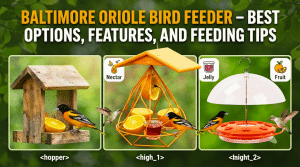
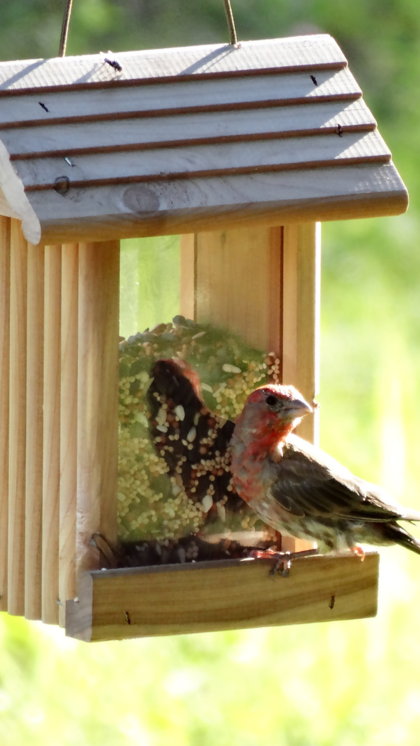
Place feeders where sparrows feel safe. Near shrubs or trees is best.
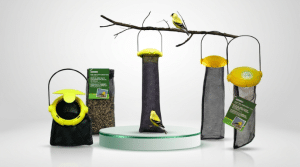
Use feeders that allow small birds to perch easily. Tube feeders or platform feeders work well.
- Keep feeders clean to prevent disease
- Fill feeders daily with fresh seeds
- Offer food at ground level for sparrows that feed on the ground
- Protect feeders from strong wind and rain
Natural Food Options
Growing plants that produce seeds helps sparrows find natural food. This attracts them naturally.
Mix natural food with feeders to keep sparrows interested in your yard.
- Grass seeds like foxtail and crabgrass
- Weeds such as dandelion and chickweed
- Native seed-producing plants like sunflowers
- Insects like caterpillars and ants, especially in spring
Creating Water Spots
Sparrows need water to drink and bathe. Creating water spots helps attract them to your yard. You can make simple places where sparrows find fresh water.
Water spots also keep birds healthy and happy. Small changes in your garden can invite sparrows to visit often.
Birdbaths That Attract Sparrows
Birdbaths are great for sparrows. They like shallow water where they can stand safely. Choose a birdbath with a wide, flat bottom.
Place the birdbath near bushes or trees. Sparrows feel safe when they can quickly hide. Avoid deep water to prevent scaring them away.
- Choose shallow birdbaths, about 1 to 2 inches deep
- Use rough surfaces to help sparrows grip
- Place near shelter like shrubs or low trees
- Keep birdbaths stable and secure
Maintaining Clean Water
Sparrows prefer clean water. Dirty water can keep them away. Change the water every day or two to keep it fresh.
Remove leaves, dirt, and debris from the birdbath often. Clean birdbaths help stop bacteria and algae growth. Use a brush and mild soap if needed.
- Refill water regularly to keep it fresh
- Scrub birdbaths weekly with a soft brush
- Remove any debris daily
- Avoid harsh chemicals that harm birds
Water Features For Movement
Moving water attracts sparrows more than still water. Small fountains or drippers catch their attention. The sound of running water helps sparrows find your spot.
Choose gentle water movement. Fast or loud water can scare birds away. Water droplets and ripples make birds feel safe and curious.
- Use small fountains or drip systems
- Keep water movement gentle and soft
- Place water features where sparrows can see them
- Check water movement to avoid splashing too much
Building Safe Nesting Areas
Sparrows need safe places to build their nests. Creating secure spots helps them feel protected.
Safe nesting areas increase the chance sparrows will stay in your yard or garden.
Nest Boxes And Their Placement
Use small nest boxes to give sparrows a safe home. Boxes should have an entrance hole about 1.5 inches wide.
Place nest boxes 5 to 10 feet above the ground. Put them where sparrows can quickly fly in and out.
- Face the entrance away from strong wind and direct sun
- Mount boxes on trees, poles, or walls
- Keep boxes at least 10 feet apart to avoid fights
Using Natural Materials
Sparrows like to build nests with soft and natural materials. Offer these materials close to the nesting area.
Materials such as dry grass, feathers, and small twigs help sparrows build warm and comfy nests.
- Provide dry grass or hay in a small pile
- Collect feathers from your yard
- Leave small twigs and leaves nearby
Avoiding Predators
Protect sparrows by keeping their nests safe from predators. Predators include cats, snakes, and larger birds.
Use barriers and good placement to stop predators from reaching the nests.
- Place nest boxes where cats cannot climb
- Use metal or smooth poles to mount boxes
- Keep the area around nests free from thick bushes
- Check boxes regularly for signs of predators
Minimizing Disturbances
To attract sparrows, reduce disturbances in their environment. Sparrows prefer calm and safe places.
Keeping noise low and movement slow helps sparrows feel secure and stay longer.
Limiting Noise And Movement
Sparrows get scared by loud sounds and quick moves. Avoid playing loud music or shouting near bird areas.
- Use soft voices when outside
- Move slowly around bird feeders
- Keep machinery like lawnmowers away during feeding times
- Close doors and windows gently
Safe Zones Away From Pets
Create areas where sparrows can rest without fear of pets. Dogs and cats can chase birds and cause stress.
| Pet Type | Suggested Safe Zone Distance |
| Cat | 10 feet or more |
| Dog | 15 feet or more |
| Other Pets | At least 10 feet |
Garden Layout For Privacy
Design your garden to give sparrows private spots to hide and rest. Plants and shrubs can help.
Use this simple layout to increase privacy:
- Plant dense shrubs around bird feeders
- Add small trees near nesting spots
- Create low bushes for cover
- Place feeders near natural barriers like fences
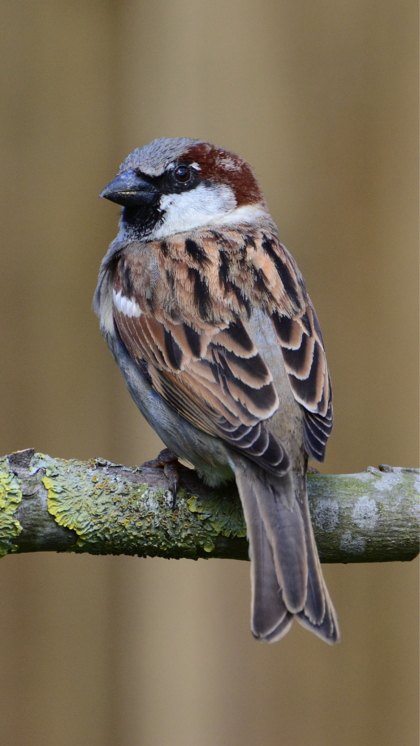
Credit: www.timesnownews.com
Encouraging Sparrows Year-round
Sparrows are small birds that add life to any garden. You can attract them all year by providing food, shelter, and water.
Creating a safe environment helps sparrows live nearby. Learn simple ways to care for them in every season.
Seasonal Care Tips
Each season needs different care for sparrows. Offer fresh water in spring and summer. Keep plants and bushes healthy for shelter.
In fall, leave seeds and berries on plants. This helps sparrows prepare for winter by finding food nearby.
Winter Feeding Strategies
Winter is tough for sparrows because food is scarce. Provide high-energy seeds like millet and sunflower to help them survive cold days.
Keep feeders clean and full. Place them near shrubs or trees for quick shelter from predators and harsh weather.
- Use feeders with small perches for sparrows
- Offer seeds that hold energy, such as sunflower and millet
- Provide fresh water if possible, even in cold weather
- Place feeders near natural cover for protection
Maintaining Habitat Health
Healthy gardens attract sparrows naturally. Avoid chemicals and pesticides that can harm birds and their food sources.
Plant native bushes, grasses, and flowers. These plants offer shelter, nesting spots, and insects sparrows eat during warmer months.
- Grow native plants for natural food and shelter
- Keep water sources clean and fresh
- Limit pesticide use to protect sparrows and insects
- Provide nesting boxes or leave natural nesting sites intact
Frequently Asked Questions
How Do I Attract Sparrows To My Garden?
Provide food like seeds and fresh water in feeders. Plant native shrubs for shelter. Avoid pesticides to keep sparrows safe and healthy.
What Type Of Food Do Sparrows Prefer?
Sparrows love millet, cracked corn, and sunflower seeds. Fresh water is also essential for drinking and bathing.
Where Should I Place Sparrow Feeders?
Place feeders in quiet, sheltered spots near bushes or trees. This offers protection and encourages sparrows to visit frequently.
How Can I Create Sparrow-friendly Nesting Sites?
Install small birdhouses or leave natural brush piles. Sparrows prefer cozy, sheltered spaces to build nests safely.
Conclusion
Attracting sparrows to your garden is simple with the right steps. Provide food, water, and shelter to create a welcoming space. Use bird feeders filled with seeds sparrows love. Fresh water is essential; consider a birdbath. Plant native shrubs for natural shelter and nesting spots.
Avoid using pesticides that can harm birds. Regularly clean feeders and water sources to keep them healthy. Enjoy watching these lively birds add life to your garden. With patience and care, your garden becomes a haven for sparrows. A rewarding experience for nature lovers.