If you’ve ever been fascinated by the rhythmic tapping of woodpeckers, you’re not alone. These lively birds bring energy and charm to any backyard.
But how can you make sure they choose your space to visit? You’re about to discover simple, effective ways to attract woodpeckers right to your yard. By the end of this article, you’ll know exactly what to do to enjoy their unique presence up close.
Ready to turn your outdoor space into a woodpecker hotspot? Let’s dive in!

Credit: www.reddit.com
Choose The Right Habitat
Woodpeckers look for places with plenty of food and shelter. Choosing the right habitat helps attract them to your yard.
Understanding where woodpeckers like to live makes it easier to create a welcoming space for them.
Ideal Trees And Plants
Woodpeckers prefer areas with trees that have soft wood or dead branches. These trees hold insects and make nesting easier.
Planting native trees and shrubs can provide food and shelter. These plants attract insects and offer safe places to rest.
- Oak trees attract many insects woodpeckers eat
- Willow and pine trees have soft wood for nesting
- Fruit trees provide food and shelter
- Native shrubs offer cover and attract insects
- Dead or dying trees are good for nesting holes
Avoiding Disturbances
Woodpeckers need quiet places to feel safe. Avoid loud noises and frequent disturbances near their habitat.
Limit human activity and keep pets away from nesting areas. This helps woodpeckers stay comfortable and return often.
- Keep noise levels low around trees
- Do not cut down dead trees used for nesting
- Place feeders away from busy areas
- Limit pet access near woodpecker habitats
- Avoid strong chemicals or sprays on plants
Set Up Food Sources
Attracting woodpeckers to your yard starts with providing good food sources. These birds look for easy meals that match their natural diet. Setting up the right feeders and offering the best foods will bring them closer to your home.
Woodpeckers enjoy a mix of insects, nuts, and fruit. You can create a welcoming spot by choosing proper feeders and placing tasty treats they like. This guide shows how to do both.
Best Feeders For Woodpeckers
Woodpeckers prefer feeders that suit their pecking style and size. Choose feeders that hold suet, nuts, or seeds and allow easy access. Here are some popular types:
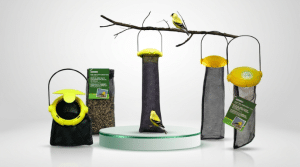
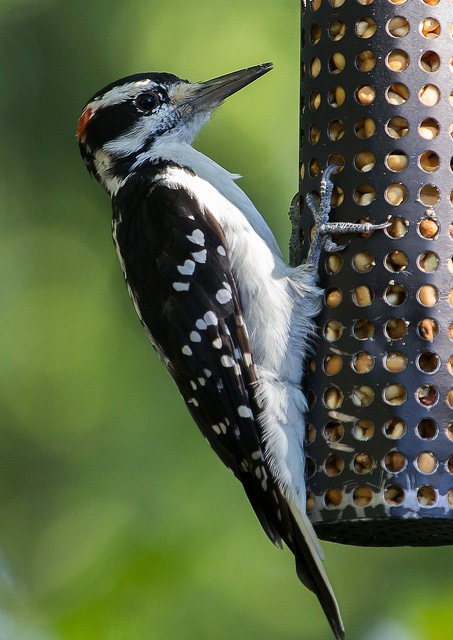
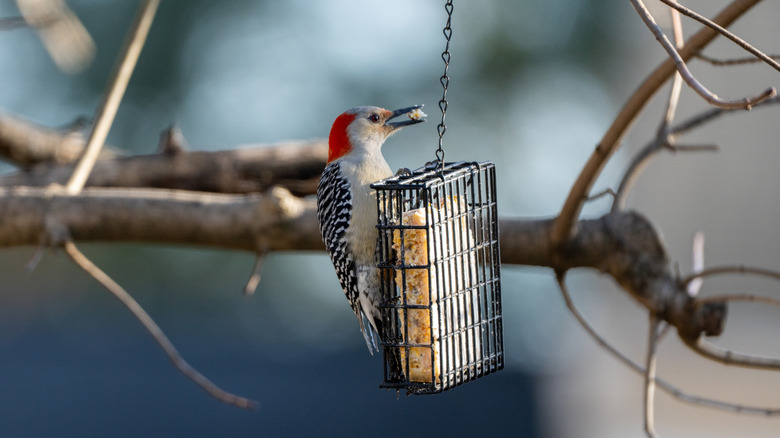
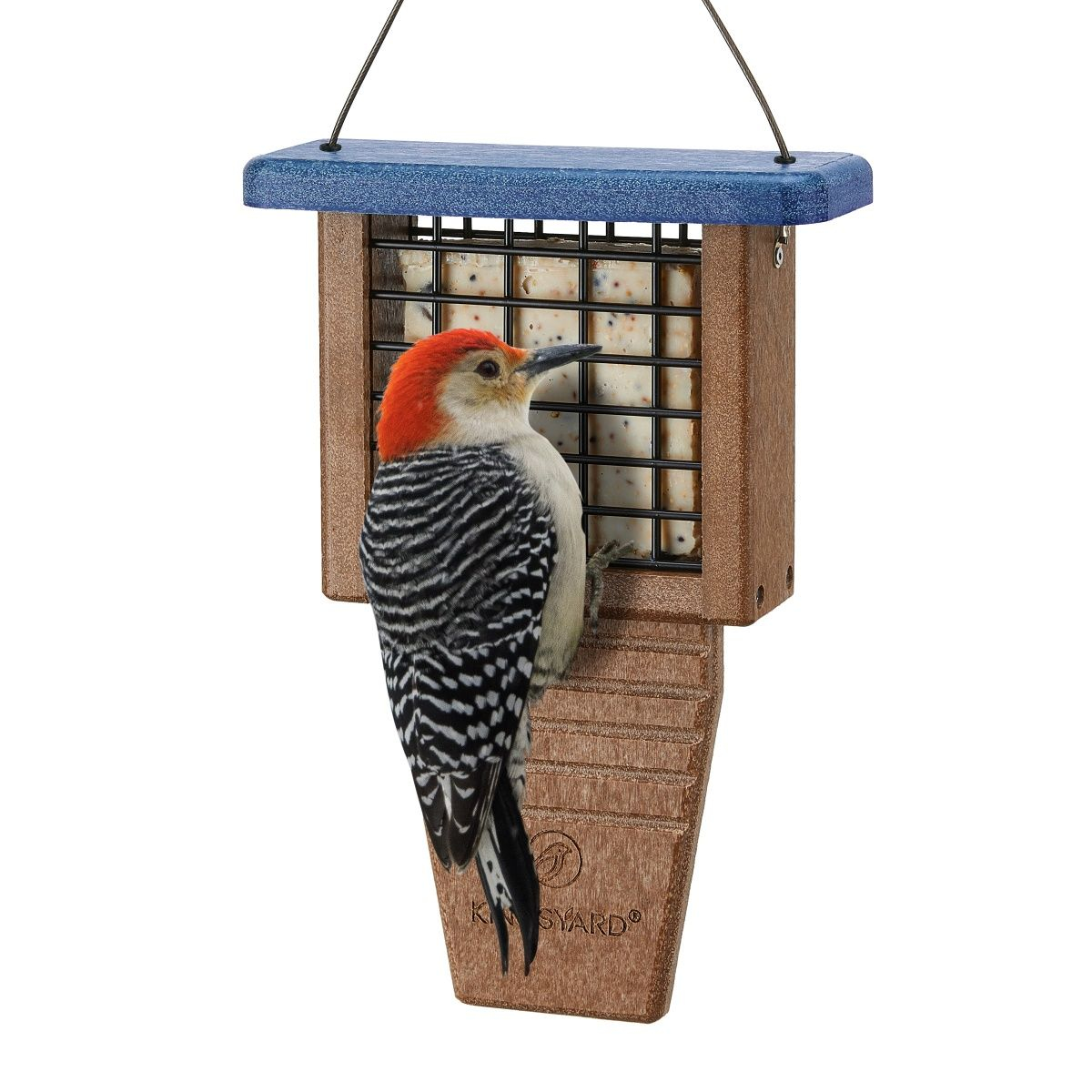
- Suet Feeders:Cage-style feeders that hold suet cakes attract woodpeckers well.
- Nut Feeders:Feeders with large ports work for peanuts and other nuts.
- Hopper Feeders:These hold seeds and nuts and offer perches for the birds.
- Pole-Mounted Feeders:Placing feeders on poles keeps them safe from squirrels.
Types Of Food To Offer
Woodpeckers eat a variety of foods. Suet, nuts, fruits, and insects are favorites. Offering a mix ensures they keep coming back.
| Food Type | Why Woodpeckers Like It | How to Offer |
|---|---|---|
| Suet | High energy and easy to peck | Use suet cages or place suet cakes in mesh feeders |
| Peanuts | Rich in fat and protein | Offer shelled or unshelled in nut feeders |
| Fruit | Provides natural sugars and moisture | Hang orange halves or place berries on platform feeders |
| Insects | Natural food source, especially in spring and summer | Leave mealworms in shallow dishes or mix in suet |
Provide Water Sources
Woodpeckers need water to stay healthy and active. Offering water sources in your yard helps attract them.
Water also supports other birds and wildlife. It creates a welcoming environment for woodpeckers.
Birdbaths And Water Features
Birdbaths give woodpeckers a place to drink and bathe. Choose a shallow birdbath with gentle slopes.
Water features like small fountains or drippers attract woodpeckers. Moving water catches their attention.
- Place birdbaths near trees or shrubs
- Keep water shallow, about 1 to 2 inches deep
- Use fountains to keep water moving
- Choose natural materials like stone or ceramic
Maintaining Clean Water
Clean water is important to keep woodpeckers safe. Dirty water can spread diseases and scare birds away.
Change water regularly and clean containers often. Remove leaves, algae, and debris from water sources.
- Refill birdbaths every two days
- Scrub birdbaths with a brush weekly
- Use mild soap and rinse well
- Keep water features free of dirt and buildup
Create Nesting Opportunities
Woodpeckers need safe places to make their nests. Providing good spots helps attract them to your yard.
Creating nesting opportunities means giving woodpeckers places to live and raise young birds.
Installing Nest Boxes
You can build or buy special nest boxes for woodpeckers. These boxes give them a safe home.
Place the boxes on trees or poles, about 10 to 20 feet off the ground. Face the entrance away from strong winds.
- Use untreated wood to avoid harmful chemicals
- Make the entrance hole about 1.5 to 2 inches wide
- Keep the box clean after each nesting season
- Check for predators like squirrels or snakes
Natural Nesting Sites
Woodpeckers like old trees with dead wood. These trees provide natural holes for nesting.
Keep dead or dying trees if it is safe. These spots attract woodpeckers to build nests naturally.
- Leave snags and hollow branches when possible
- Avoid cutting down old trees in your yard
- Plant native trees that grow large and live long
- Do not disturb nests during breeding season
Use Sounds To Attract
Woodpeckers use sounds to communicate with each other. You can use this to bring them closer to your yard. Playing their calls or drumming sounds can catch their attention.
Using sounds correctly helps you attract woodpeckers without scaring them. Learn how to play calls and choose the best times for sounds.
Playing Woodpecker Calls
Woodpeckers respond well to their own calls. Use recordings of their calls or drumming sounds to invite them. Keep the volume natural and do not play sounds too loudly.
- Use clear, high-quality recordings
- Play short bursts of calls instead of long loops
- Place speakers near trees or wood piles
- Stop the sound if you see signs of stress in birds
Timing Your Sounds
Timing is key when using sounds to attract woodpeckers. They are most active during early morning and late afternoon. Avoid playing sounds during bad weather or very hot midday hours.
| Best Time | Reason |
| Early Morning | Woodpeckers search for food and mates |
| Late Afternoon | Birds are active before nightfall |
| Midday | Usually quiet and resting time |
| Bad Weather | Birds hide and avoid noise |
Credit: www.housedigest.com
Maintain A Woodpecker-friendly Yard
Woodpeckers visit yards that offer food and shelter. You can help by making your yard safe and inviting for them. Simple changes can keep woodpeckers coming back.
Two key ways to attract woodpeckers are avoiding harmful chemicals and encouraging insects. These steps create a healthy habitat for woodpeckers to thrive.
Avoiding Pesticides
Pesticides kill insects that woodpeckers eat. They can also harm woodpeckers directly. Use natural pest control methods instead of chemicals.
- Use neem oil or insecticidal soap to control pests.
- Plant flowers that attract beneficial insects.
- Encourage birds that eat harmful bugs.
- Remove weeds by hand instead of herbicides.
- Keep your yard clean but avoid over-cleaning.
Encouraging Insect Populations
Insects are a main food source for woodpeckers. Growing plants that attract insects helps feed them. Keep dead trees or logs for insects to live in.
| Plant Type | Benefit for Insects |
| Milkweed | Supports caterpillars and butterflies |
| Goldenrod | Attracts many pollinators |
| Native grasses | Provides shelter for beetles and ants |
| Flowering shrubs | Offers nectar and pollen |
Credit: www.kingsyard.com
Frequently Asked Questions
How Do I Attract Woodpeckers To My Backyard?
Plant native trees and shrubs that provide food and shelter. Offer suet feeders and fresh water. Avoid pesticides to encourage insects woodpeckers eat. Create natural habitats with dead wood or nesting boxes. These steps make your backyard inviting for woodpeckers.
What Food Do Woodpeckers Prefer Most?
Woodpeckers mainly eat insects like ants, beetles, and larvae. They also enjoy suet, nuts, seeds, and fruits. Providing suet feeders with high-fat content attracts them year-round. Fresh fruit and peanuts can supplement their natural diet effectively.
When Is The Best Time To Attract Woodpeckers?
Early morning and late afternoon are peak feeding times. Spring and summer are ideal for attracting nesting woodpeckers. Providing food and water consistently during these times increases your chances of visits. Woodpeckers are most active during breeding and feeding seasons.
How Can I Create A Woodpecker-friendly Habitat?
Leave dead trees or branches standing for nesting and foraging. Install woodpecker nesting boxes in quiet, shaded areas. Use native plants to attract insects and provide shelter. Avoid chemicals that harm insects and birds. A natural, pesticide-free environment supports woodpecker populations.
Conclusion
Attracting woodpeckers can be a delightful experience. Use bird feeders filled with nuts and seeds. Hang them in a quiet, safe spot in your yard. Plant trees that offer natural food and shelter. Consider suet feeders for winter months. Ensure your garden has some deadwood.
Woodpeckers love it. Keep water sources clean and accessible. Patience is key. Woodpeckers may take time to visit. With the right setup, you’ll soon enjoy their vibrant presence. Remember, a welcoming habitat makes all the difference. Happy birdwatching!