Are you tired of watching birds feast on your hard-earned fruit before you get a chance to enjoy it? Protecting your fruit trees from hungry birds doesn’t have to be a struggle.
With the right bird netting techniques, you can save your harvest and keep those pesky birds at bay. In this guide, you’ll discover simple, effective steps to cover your trees and guard your fruit all season long. Keep reading, and you’ll learn how to make your fruit trees bird-proof without wasting time or money.
Benefits Of Bird Netting
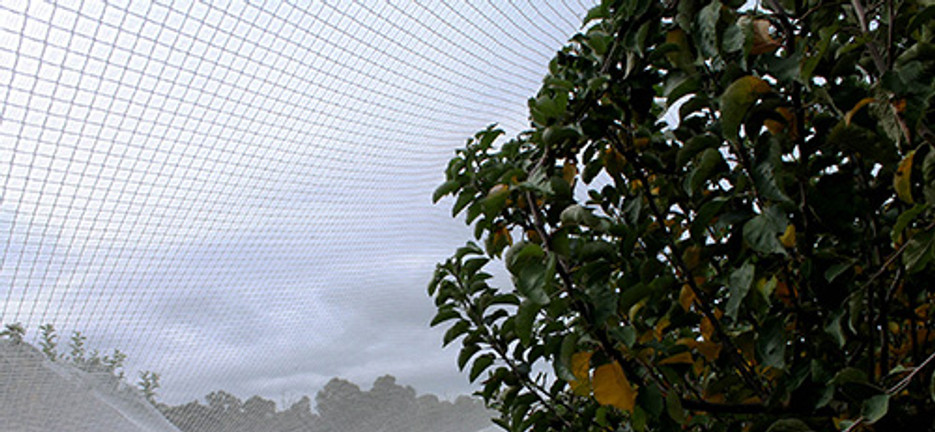
Bird netting is a simple way to protect fruit trees. It keeps birds away from the fruits.
Using bird netting can save your harvest and improve fruit quality. It is easy to use and affordable.
Protecting Fruits From Birds
Birds often eat ripe fruits before you can pick them. Netting covers the tree and stops birds from reaching the fruit.
The net acts as a barrier without harming the birds. This keeps your fruit safe until harvest time.
Reducing Crop Loss
Bird damage can cause big losses in fruit crops. Netting lowers the amount of fruit birds can eat or spoil.
Less crop loss means more fruit to sell or use. This helps farmers and gardeners keep a better yield.
Enhancing Fruit Quality
Birds peck on fruit, which can cause bruises and holes. Netting keeps fruit clean and whole.
Better fruit quality means fresher, more attractive fruits. This is good for eating and selling.
Credit: www.birdbgone.com
Types Of Bird Nets
Bird nets protect fruit trees from birds that eat the fruit. Choosing the right type of net helps keep your fruit safe and your tree healthy.
There are different kinds of bird nets. Each type has unique features for different needs and trees.
Knotted Nets
Knotted nets have knots where the threads cross. These knots add strength to the net. They hold the shape well and last a long time.
This type is easy to repair if it gets damaged. Knotted nets can protect large trees and heavy fruit loads.
Knotless Nets
Knotless nets do not have knots where threads meet. They are softer and lighter than knotted nets. This makes them gentle on branches and leaves.
Knotless nets are harder to tear but may stretch more. They are good for small to medium fruit trees.
Material Options
Bird nets come in several materials. Some are plastic, while others are made from nylon or polyethylene. Each material has benefits.
- Polyethylene:Durable and weather-resistant. Common for outdoor use.
- Nylon:Lightweight and flexible. Good for easy handling.
- Polypropylene:Affordable and strong. Suitable for short-term use.
- Plastic:Cheap but less durable. Often used for small gardens.
Choosing The Right Net Size
Using the right size bird net helps protect fruit trees effectively. A net that fits well keeps birds out without harming the tree.
Choosing the correct net size depends on mesh openings and the tree’s dimensions. Both factors affect coverage and safety.
Mesh Size Considerations
Mesh size means the distance between the net’s knots or holes. It controls which birds can get through and how much air and light pass.
- Small mesh (about 1/2 inch) stops small birds like sparrows and finches.
- Medium mesh (around 3/4 inch) blocks larger birds such as starlings and robins.
- Large mesh (1 inch or more) suits bigger birds but may let small birds enter.
- Tight mesh also protects fruit from insects and larger pests.
- A mesh too small can reduce light and air, which trees need to stay healthy.
Net Dimensions For Different Trees
Net size depends on the tree’s height and width. Nets must cover the whole tree with extra to secure the edges.
| Tree Type | Average Height | Average Width | Recommended Net Size |
|---|---|---|---|
| Dwarf Fruit Trees | 6-8 feet | 4-6 feet | 10 x 10 feet |
| Standard Apple Trees | 15-20 feet | 12-15 feet | 20 x 20 feet |
| Pear Trees | 12-18 feet | 10-14 feet | 18 x 18 feet |
| Citrus Trees | 8-12 feet | 6-10 feet | 12 x 12 feet |
Preparing Your Fruit Trees
Protecting fruit trees with bird netting starts with good preparation. Proper care helps the net fit well and keep birds away.
Two key steps help get your trees ready: pruning and clearing the area around the tree.
Pruning For Netting
Trim your fruit trees before adding the net. This makes the branches less crowded and easier to cover. Pruning also helps fruit grow better by improving air flow and sunlight.
- Remove dead or broken branches
- Cut back branches that grow too close together
- Shape the tree for a rounded top
- Keep the height manageable for netting
Clearing Surrounding Area
Clear plants and debris near the tree base. This helps you place the net tightly around the trunk. A clear space also stops birds from hiding under the net.
| Task | Reason |
| Remove weeds | Stops birds from nesting |
| Clear fallen leaves | Prevents holes in net |
| Trim low branches | Makes netting easier |
| Check for garden tools | Avoids damage to net |
Step-by-step Net Installation
Protecting your fruit trees from birds keeps your harvest safe. Using bird netting is a simple way to do this. Installing the net correctly helps it last longer and work better.
This guide shows how to measure, secure, and fasten bird netting on fruit trees.
Measuring And Cutting The Net
Start by measuring the height and width of your tree. Add extra length to cover the ground around the trunk. This helps keep birds from sneaking in below.
- Measure from the ground to the top of the tree.
- Measure the width of the tree’s widest branches.
- Add about 2 feet to each measurement for overlap.
- Mark the netting and cut it carefully with scissors.
Securing The Net To The Tree
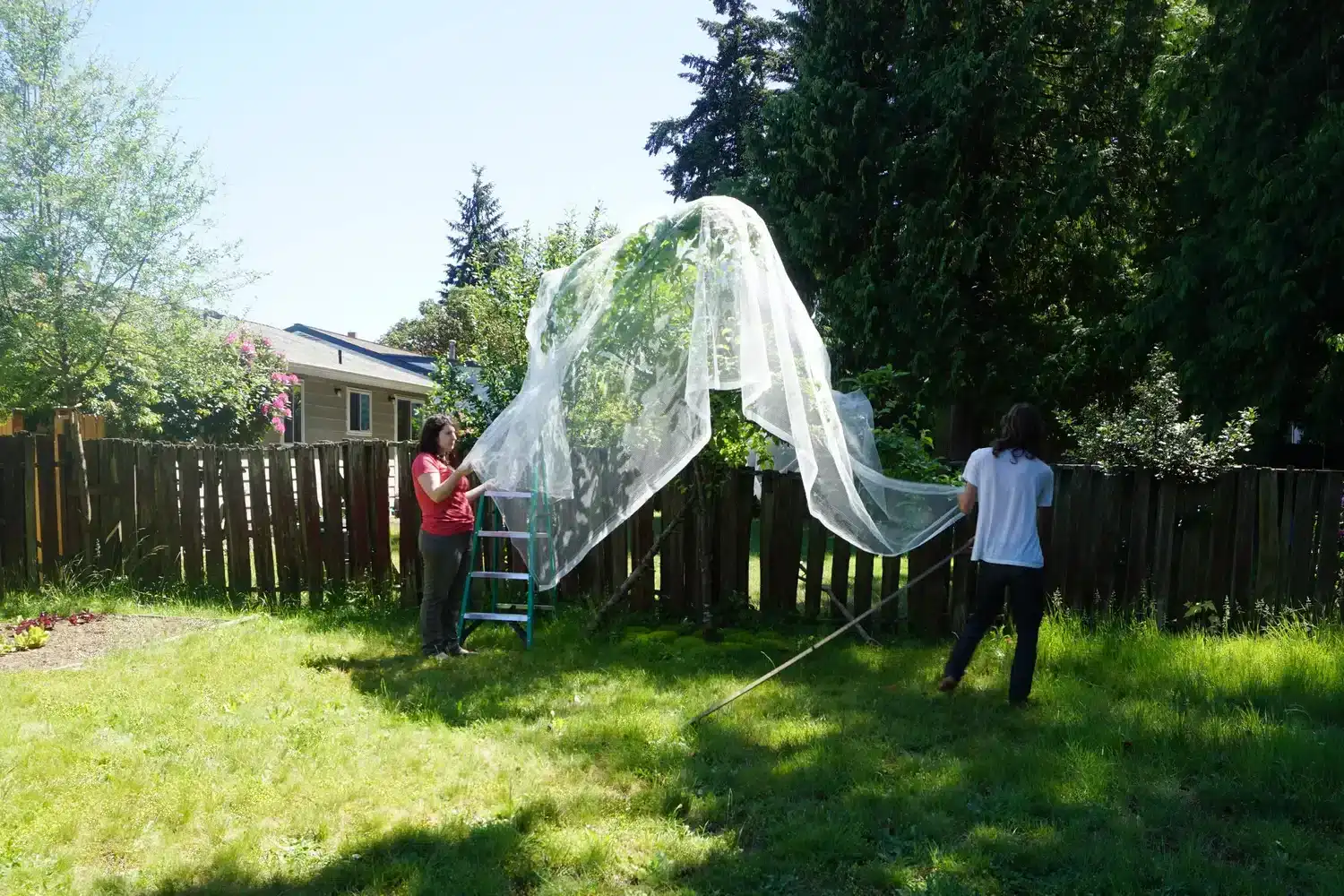
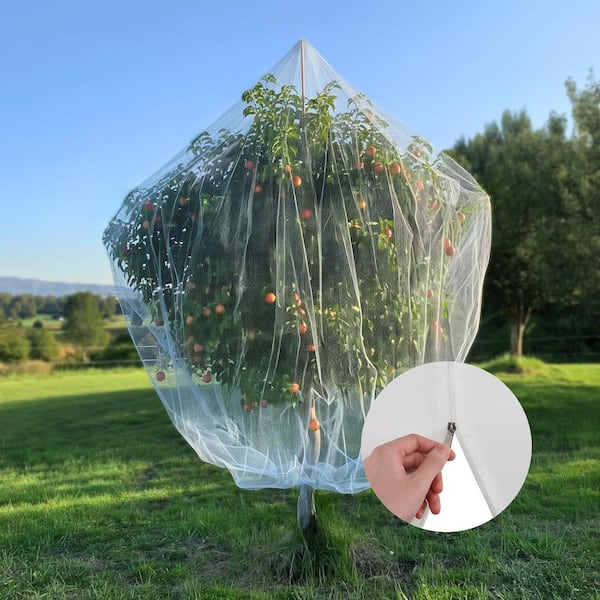
Place the net over the tree gently. Make sure it covers all branches and fruit. Secure the net at the base to stop birds from getting under.
| Location | Recommended Securing Method |
| Top of Tree | Use soft ties or clips to hold net in place |
| Branches | Spread net evenly without gaps |
| Base of Tree | Pin net to ground with stakes or weigh down with rocks |
Tying And Fastening Techniques
Use strong but gentle ties to fasten the net. Avoid tight knots that can damage the tree bark. Secure all edges to keep the net stable in wind.
- Use garden twine or soft zip ties for fastening.
- Wrap ties around branches without squeezing them.
- Tie knots that are easy to undo for later removal.
- Check ties regularly and adjust as needed.
Credit: www.homedepot.com
Maintaining And Removing Nets
Bird nets protect fruit trees from birds and pests. Keeping nets in good shape helps fruit grow well. Removing nets safely is important to avoid damage.
This guide covers how to check nets regularly, take them off safely, and store them properly for next use.
Regular Inspection Tips
Check your bird nets often to find holes or tears early. Fix small problems before they get worse. Look for areas where birds might get trapped.
- Inspect nets every two weeks during the fruit season
- Look for holes, loose edges, or sagging areas
- Repair tears with net patches or strong twine
- Clear debris like leaves or branches from the net
- Watch for signs of birds caught in the net
Safe Net Removal
Remove nets carefully to protect your trees and fruit. Avoid pulling hard on branches or fruit. Take your time to prevent damage.
- Start by cutting any ties or fasteners holding the net
- Gently lift the net off the branches, working from top to bottom
- Check the net for trapped birds or insects before removal
- Fold the net slowly to avoid tangles and tears
- Use gloves to protect your hands from thorns or sharp branches
Storage For Next Season
Store your bird nets in a dry place to keep them safe for next use. Clean the nets before storing to remove dirt and debris. Proper storage extends the net’s life.
| Storage Tip | Reason |
|---|---|
| Wash nets with mild soap and water | Removes dirt and prevents mold |
| Dry nets completely before folding | Prevents mildew and bad smell |
| Fold nets neatly to save space | Reduces tangles and damage |
| Store nets in a sealed container or bag | Keeps out pests and dust |
| Keep nets away from direct sunlight | Prevents material weakening |
Common Challenges And Fixes
Bird netting protects fruit trees from birds and pests. It can stop fruit from being eaten or damaged.
Using bird netting comes with some common problems. Knowing how to fix these helps keep your trees safe.
Dealing With Net Damage
Nets can tear or wear out over time. Sharp branches and strong winds cause most damage.
Fix small tears quickly to keep birds out. Use nylon thread or zip ties to patch holes.
- Check nets weekly for holes or tears
- Trim branches that rub against the net
- Replace netting if damage is too large
Preventing Animal Traps
Animals like squirrels or cats can get caught in the net. This harms the animals and can tear the net.
Keep the net loose enough so animals can escape. Use wider mesh and avoid tying nets too tight.
- Use nets with mesh size around 1 inch
- Lift the net edges slightly off the ground
- Check nets daily for trapped animals
- Release trapped animals carefully and fix nets
Weather-related Issues
Strong winds, rain, and snow can damage nets. Wet nets get heavy and may sag or break.
Secure nets well and remove snow or debris often. Use sturdy poles to hold the net tight.
- Use durable, weather-resistant netting materials
- Anchor nets firmly to the ground or tree trunks
- Clear snow and leaves after storms
- Store nets indoors during winter if possible

Credit: www.amazon.com
Alternative Bird Protection Methods
Birds can damage fruit trees by eating the fruit or pecking at it. Using bird netting is one way to protect your trees. There are other ways to keep birds away without using nets.
This guide explains some alternative bird protection methods. These methods can help protect your fruit trees in different ways.
Visual Deterrents
Visual deterrents scare birds by making the area look unsafe or strange. Birds see these and avoid the trees.
Common visual deterrents include shiny objects, fake predators, and moving items. These tricks confuse birds and keep them away.
- Shiny tape or foil strips that reflect light
- Plastic owls or hawks placed near trees
- Wind chimes or moving flags
- Reflective balloons or CDs hung in branches
Sound Devices
Sound devices make noises that scare birds. Loud or unusual sounds make birds feel unsafe.
These devices can produce bird distress calls, predator sounds, or loud noises. They help keep birds away from fruit trees.
- Ultrasonic bird repellents
- Recorded predator calls
- Wind chimes with sharp sounds
- Manual noise makers like bells or clappers
Natural Repellents
Natural repellents use smells or tastes birds dislike. These keep birds from eating fruit or landing on trees.
Some plants or homemade sprays can repel birds without harming them or the environment.
- Planting herbs like mint or lavender nearby
- Using chili pepper spray on fruit and leaves
- Applying vinegar solutions on branches
- Sprinkling bird-safe bitter substances
Frequently Asked Questions
What Is The Best Bird Net For Fruit Trees?
The best bird net is lightweight, durable, and UV-resistant. It should have small mesh holes to block birds but allow air. Choose netting with a fine weave to protect fruits effectively without damaging the tree.
How Do You Properly Install Bird Netting On Trees?
Secure the netting above the tree canopy, allowing room for growth. Anchor edges firmly to the ground or trunk to prevent birds from entering. Avoid gaps by tucking netting under soil or using stakes.
When Is The Ideal Time To Net Fruit Trees?
Net fruit trees early in the fruit development stage. This timing prevents birds from accessing ripe fruits. Applying nets before fruits change color ensures maximum protection.
Can Bird Netting Harm The Trees Or Wildlife?
Properly installed nets do not harm trees or wildlife. Avoid tightly wrapping netting around branches to prevent damage. Check regularly to free any trapped animals and maintain net safety.
Conclusion
Bird netting keeps fruit trees safe from birds. It’s simple and effective. By securing nets, you protect your harvest. Birds can’t reach your fruits easily. This ensures a better yield for you. Choose the right net size for best results.
Install nets properly to avoid gaps. Regular checks help maintain effectiveness. Enjoy more fruits with less damage. Bird netting is a wise choice for gardeners. Your trees stay healthy, and your efforts pay off. Bird-proof your trees today for a bountiful harvest.