

Are you tired of waking up to find your hard-grown fruit missing or damaged? Birds can be sneaky when it comes to feasting on your fruit trees.
Protecting your harvest doesn’t have to be frustrating or expensive. You’ll discover simple, effective ways to bird proof your fruit trees so you can enjoy more fresh fruit right from your garden. Keep reading to learn how to safeguard your trees and get the most out of your harvest this season.

Credit: www.amazon.ca
Common Birds That Threaten Fruit Trees
Birds often visit fruit trees to find food. Some birds can damage fruits and reduce your harvest. Knowing which birds cause the most harm helps protect your trees.
This guide covers common birds that threaten fruit trees and how they affect your garden.
Starlings
Starlings eat ripe fruits like cherries and berries. They peck holes that let in insects and disease. Large groups can strip a tree quickly.
Cedar Waxwings
Cedar Waxwings love soft fruits such as grapes and plums. They feed in flocks and can destroy many fruits in a short time.
American Robins
Robins eat cherries, berries, and apples. They take small bites but can ruin many fruits by pecking them. Robins also drop fruit, causing waste.
Pigeons
Pigeons eat soft fruits and can damage leaves and branches when they gather in large numbers. They often leave droppings that harm plants.
Birds That Cause Damage And Their Favorite Fruits
| Bird | Favorite Fruits | Damage Type |
|---|---|---|
| Starlings | Cherries, Berries | Peck holes, fruit loss |
| Cedar Waxwings | Grapes, Plums | Strip fruit, quick damage |
| American Robins | Cherries, Apples, Berries | Small bites, fruit waste |
| Pigeons | Soft fruits | Fruit damage, droppings |
Signs Of Bird Damage On Fruit Trees
Birds often visit fruit trees to eat ripe fruit. This can cause damage to the tree and fruit. Learning to spot bird damage early helps protect your harvest.
Bird damage looks different from other pests. Knowing the signs makes it easier to take action and keep your fruit safe.
Peck Marks On Fruit
Birds use their beaks to peck at fruit. This leaves small holes or tears on the fruit surface. The fruit may look bruised or broken.
- Small round holes on fruit skin
- Torn or missing pieces of fruit
- Bruised or damaged areas near peck marks
Partially Eaten Fruit
Birds often eat parts of the fruit and leave the rest. You might find fruit hanging with bites taken out. This fruit will spoil faster.
- Fruit with large chunks missing
- Uneven fruit edges where birds bit
- Fruit dropping early from the tree
Damaged Leaves And Twigs
Birds can damage leaves and small twigs while reaching fruit. Leaves may have holes or torn edges. Twigs might be broken or bent.
- Leaves with small holes or ragged edges
- Broken or bent twigs near fruit clusters
- Leaves stripped in small areas
Bird Droppings On Leaves And Fruit
Bird droppings often collect on leaves and fruit below feeding spots. This can harm fruit and leaves and attract other pests.
- White or dark droppings on leaves and fruit
- Sticky residue on fruit skin
- Droppings near damaged fruit areas
Missing Fruit And Scattered Pieces
Birds may remove whole fruit from the tree. You might find pieces of fruit on the ground below. This shows birds are feeding heavily.
- Fewer fruit on the tree than expected
- Fruit parts scattered under the tree
- Fruit cores or skins left on the ground
Physical Barriers To Protect Fruit Trees
Birds can damage fruit trees by eating the fruits and pecking at them. Using physical barriers helps keep birds away without harming the trees. These barriers are simple to install and protect your fruit harvest.
Physical barriers work by blocking birds from reaching the fruit. They are a safe and effective way to reduce fruit loss in your garden or orchard.
Using Netting And Mesh
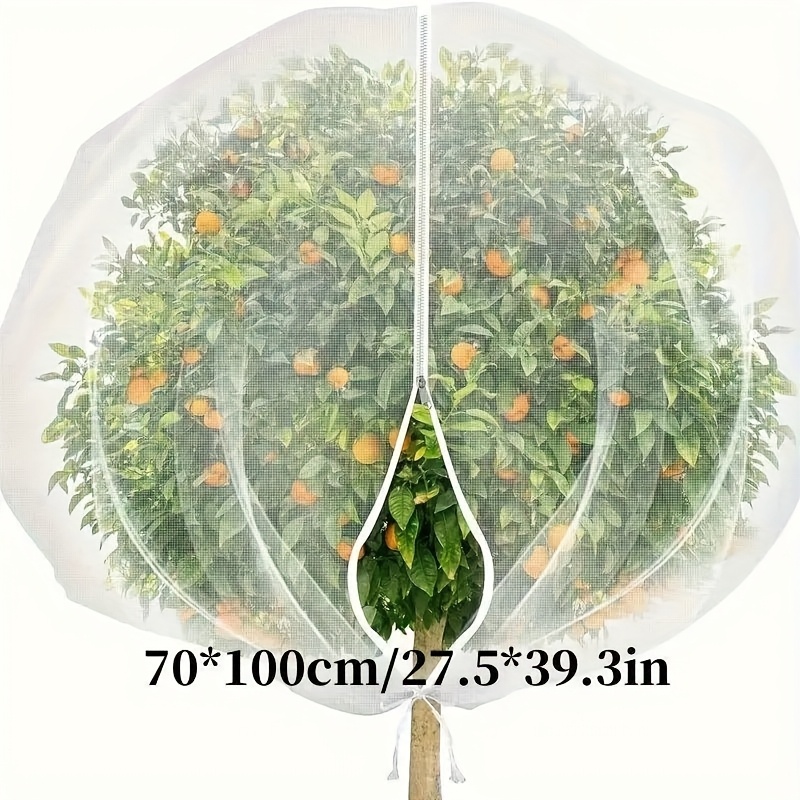
Netting and mesh cover the fruit trees like a protective blanket. They stop birds from landing on the branches and eating the fruit. Use fine mesh to prevent small birds from getting through.
Choose netting that is strong but light. Secure it tightly around the tree to close all gaps. Remove the netting carefully when harvesting fruit.
- Use bird netting with small holes (less than 1 inch)
- Wrap the net fully around the tree and tie at the base
- Check for holes or tears regularly
- Remove netting carefully to avoid fruit damage
Installing Tree Guards
Tree guards protect the trunk and lower branches from birds. They create a barrier that stops birds from climbing or pecking the tree base. Guards are usually made of plastic or metal.
Place the guard around the trunk without hurting the bark. Make sure it is tall enough to stop birds from reaching the fruit. Tree guards also protect against other animals like squirrels.
- Choose durable materials like plastic or metal
- Install guards snugly around the tree trunk
- Make guards tall enough to cover lower branches
- Inspect guards regularly for damage or gaps
Creating Bird Spikes
Bird spikes stop birds from landing on branches and fruit. They are strips with sharp points that make landing uncomfortable. Spikes do not hurt birds but keep them away.
Attach bird spikes to branches or areas where birds like to perch. They are easy to install and last a long time. Use spikes made for outdoor use to resist weather.
- Use weatherproof bird spikes with blunt points
- Attach spikes to branches or fruit clusters
- Ensure spikes do not damage the tree
- Check and clean spikes regularly
Natural Deterrents To Keep Birds Away
Birds can damage fruit trees by eating the fruit and breaking branches. Using natural deterrents helps protect your trees without harming the birds. These methods keep birds away in a safe and eco-friendly way.
Here are some effective natural ways to bird proof your fruit trees. Try hanging reflective objects, using decoy predators, or applying bird repellent sprays.
Hanging Reflective Objects
Shiny and moving objects scare birds because they dislike bright lights and sudden reflections. You can hang these objects from tree branches to keep birds away.
- Old CDs or DVDs
- Aluminum foil strips
- Reflective tape or ribbons
- Mirrors or small metallic ornaments
Using Decoy Predators
Birds avoid places where they see predators. You can use fake animals to trick birds into thinking a predator is nearby.
| Decoy | How It Works |
|---|---|
| Plastic owl | Scares small birds by looking like a hunter |
| Rubber snake | Mimics a ground predator to frighten birds |
| Fake hawk | Appears as a flying predator in the sky |
Move decoys around every few days to keep birds from getting used to them.
Applying Bird Repellent Sprays
Bird repellent sprays make the fruit or leaves taste bad or smell unpleasant to birds. This discourages them from eating your fruit.
- Choose sprays made from natural ingredients
- Apply regularly, especially after rain
- Test spray on a small area first
- Follow instructions carefully to avoid harming the tree
Timing And Maintenance For Bird Proofing
Bird proofing fruit trees helps protect your harvest from damage. Timing and regular care are key to success.
Set up bird protection before fruits ripen. Keep checking your barriers for wear or gaps.
Seasonal Considerations
Start bird proofing in late spring or early summer. This is when fruits begin to grow and birds notice them.
Remove nets or covers after harvest to avoid harming birds and to let the tree breathe. Use lighter materials in hot weather to prevent heat stress.
- Apply nets when fruits start to form
- Use breathable materials during warm months
- Take down protection after picking fruits
Regular Inspection And Repairs
Check bird proofing materials every week. Look for holes, loose nets, or broken ties that birds can enter.
Fix any damage quickly to keep birds out. Replace worn parts to keep the protection strong all season.
- Inspect nets and covers weekly
- Patch holes or tears immediately
- Tighten loose fasteners and ropes
- Replace old or weak materials before next season
Credit: www.temu.com
Tips For Encouraging Beneficial Wildlife
Beneficial wildlife helps protect fruit trees by controlling pests naturally. Attracting these animals creates a balanced garden environment. This guide offers simple ways to invite helpful creatures to your fruit trees.
Using plants and habitats that support beneficial wildlife can reduce the need for chemicals. You will also enjoy seeing birds, insects, and other animals thrive around your trees.
Plant Native Flowers And Shrubs
Native plants provide food and shelter for local beneficial insects and birds. Choose flowers that bloom at different times to offer nectar all season. Shrubs can serve as nesting sites and safe resting spots.
Create Water Sources
Small water sources attract birds, frogs, and beneficial insects. Use shallow dishes or birdbaths filled with fresh water. Keep the water clean and change it often to prevent mosquitoes.
Provide Shelter And Nesting Sites
Birdhouses, insect hotels, and brush piles offer safe places for beneficial wildlife. Different animals need different types of shelter. Adding these can increase the number of helpful creatures near your fruit trees.
- Install birdhouses for insect-eating birds
- Build insect hotels with hollow tubes and wood pieces
- Keep leaf litter and small brush piles for ground insects
- Avoid removing dead wood that supports wildlife
Avoid Using Harmful Chemicals
Many pesticides and herbicides kill beneficial insects and birds. Use natural pest control methods instead. Encourage wildlife by keeping your garden chemical-free as much as possible.
Plant Companion Plants
| Companion Plant | Benefit for Wildlife |
| Marigolds | Attract predatory insects |
| Lavender | Provide nectar for pollinators |
| Fennel | Host beneficial wasps and ladybugs |
| Sunflowers | Offer seeds and shelter for birds |

Credit: www.amazon.com
Frequently Asked Questions
How Can I Protect Fruit Trees From Birds?
To protect fruit trees from birds, use bird nets or scare devices. Netting is an effective barrier while scare devices like reflective tape deter birds. Regularly change scare tactics to prevent birds from adapting. Combining methods increases effectiveness, ensuring your fruit trees remain safe from bird damage.
What Is The Best Bird Deterrent For Trees?
The best bird deterrents include bird netting and reflective scare tape. Bird netting physically blocks birds, while reflective tape creates visual disturbances. Both methods are effective and eco-friendly. Regularly inspect and adjust these deterrents to maintain their effectiveness and protect your fruit trees from birds.
Are Bird Nets Safe For Fruit Trees?
Yes, bird nets are safe and effective for fruit trees. They provide a protective barrier without harming the trees. Ensure the net is properly installed to avoid damaging branches. Regularly check and adjust the netting to keep it secure and effective, ensuring your fruit remains untouched by birds.
Do Scare Devices Work For Bird-proofing Trees?
Yes, scare devices can effectively deter birds from fruit trees. Reflective tape and scare-eye balloons create visual disturbances, scaring birds away. Change scare tactics regularly to maintain effectiveness. While not foolproof, combining scare devices with other methods enhances protection, helping keep your fruit trees bird-free.
Conclusion
Birds can harm fruit trees and reduce your harvest. Protect your trees with nets, scare devices, or reflective tape. Keep checking and changing methods to keep birds away. Small efforts can save plenty of fruit. Healthy trees grow better and give more fruit.
Enjoy fresh fruit without worrying about birds. Start bird-proofing today and see the difference.


