How to Build a Bird Perch at Home Safely
Are you looking to create a cozy spot where your feathered friends can rest and play? Building a bird perch is easier than you think, and it’s a great way to keep your birds happy and healthy.
In this guide on how to build a bird perch, we will outline everything you need to know to ensure it’s perfect for your feathered companions.
Whether you have a small parakeet or a larger parrot, a well-made perch can make a huge difference in their daily life. In this guide, you’ll discover simple steps to build a sturdy, comfortable bird perch using materials you probably already have at home.
This step-by-step approach to how to build a bird perch is designed to make the process straightforward and rewarding.
Keep reading, and by the end, you’ll have all the tips you need to craft the perfect perch your birds will love!
Understanding how to build a bird perch will help create a haven for your birds, ensuring they thrive.
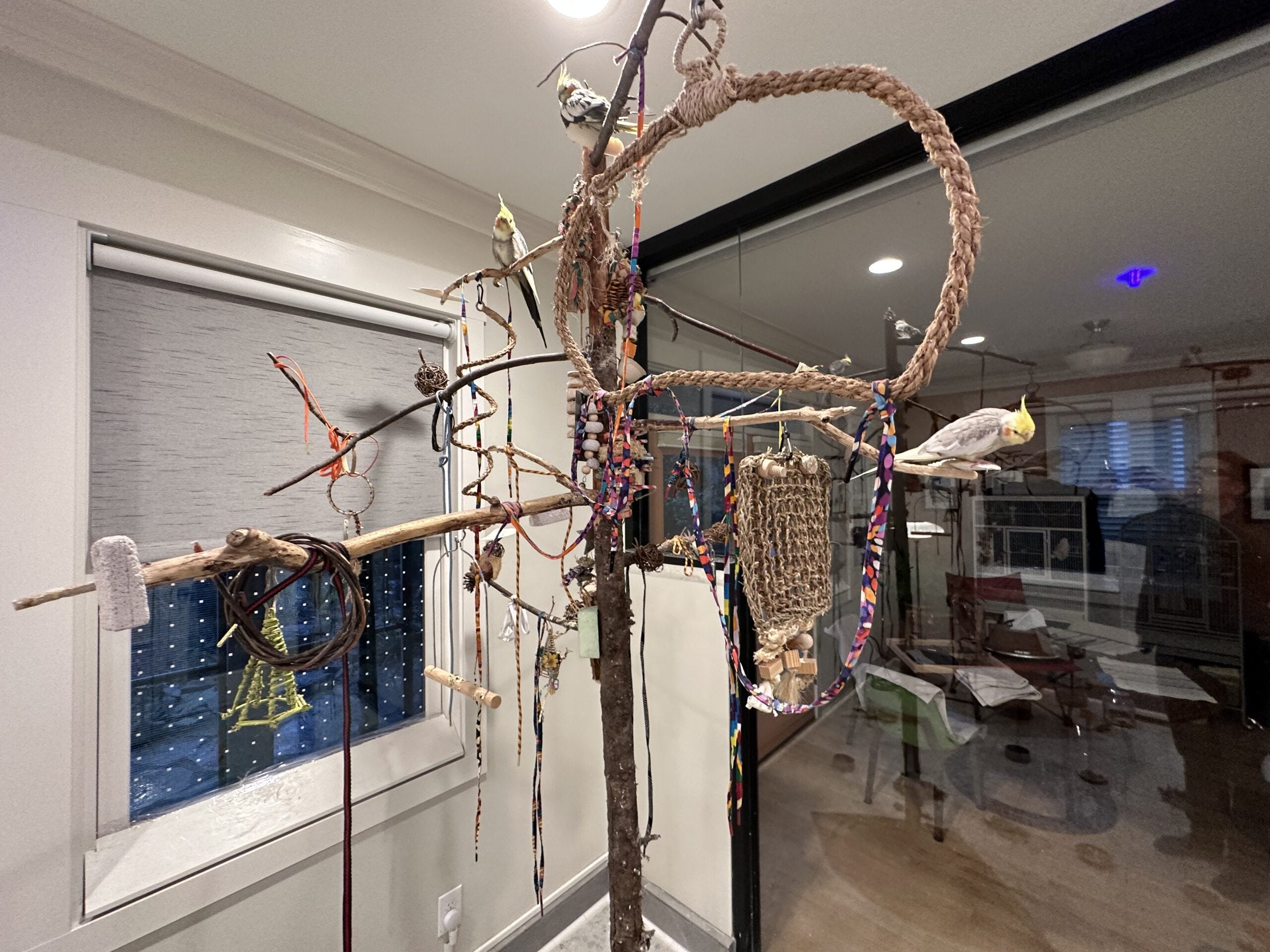
Credit: freerangeparrots.org
Choosing The Right Materials
Choosing the right materials is key when learning how to build a bird perch that is both safe and enjoyable for your pets.
Building a bird perch needs the right materials. Choosing safe and strong items helps keep birds happy.
Part of knowing how to build a bird perch involves selecting materials that are both sturdy and safe for your birds.
Using good materials also makes the perch last longer outside or inside your home.
In this article, we will dive into the process of how to build a bird perch that stands the test of time.
Types Of Wood To Use
We will explore the best types of wood as you learn how to build a bird perch that meets your bird’s needs.
Pick wood that is safe and natural for birds. Avoid wood that can hurt birds or has chemicals.
By following our guidelines on how to build a bird perch, you’ll find it easier to create a safe environment for your birds.
Hardwoods like maple and oak work well. Softwoods like pine can be used if untreated.
- Maple: Strong and smooth, good for perches
- Oak: Durable and safe for birds
- Birch: Light and easy to shape
- Pine: Use only if it has no chemicals
- Avoid treated or painted wood
Safe Finishes And Coatings
Birds can chew on their perch. Use finishes that are non-toxic and safe for animals.
Natural oils and water-based sealers protect wood without harmful chemicals.
- Food-grade mineral oil keeps wood smooth
- Beeswax adds a safe shine and protection
- Water-based sealers dry without toxins
- Avoid varnishes with strong chemicals
- Do not use oil-based paints or stains
Essential Tools Needed
Use simple tools to cut and shape wood for a bird perch. Safety is important when working.
Basic tools help you make smooth edges and the right size for your bird.
- Hand saw or jigsaw for cutting wood
- Sandpaper or sanding block to smooth surfaces
- Measuring tape or ruler for accurate sizes
- Pencil to mark cut lines
- Clamps to hold wood while working
Selecting The Perfect Location
Finding the right location is essential when considering how to build a bird perch for your feathered friends.
Choosing the right place for your bird perch is very important. The location affects the bird’s comfort and safety.
Understanding how to build a bird perch includes recognizing where to place it for optimal comfort and safety.
Think carefully about where your bird will feel happy and secure. The right spot helps your bird enjoy its perch.
Indoor Vs Outdoor Spots
Indoor spots protect birds from bad weather. They keep birds safe from rain and wind. Indoor perches are easier to clean and watch over.
Outdoor spots give birds fresh air and natural sounds. Birds can enjoy sunlight and see nature. Outdoor perches need more care to protect from weather and animals.
Considering Sunlight And Shade
Birds need a mix of sunlight and shade. Too much sun can make them hot and tired. Shade helps birds cool down and rest.
- Place the perch where birds get morning sun
- Make sure shade is available in the afternoon
- Avoid spots with direct, harsh sunlight all day
- Check for shaded areas near trees or roofs
Avoiding Predators And Hazards
Safety is key for your bird’s location. Avoid places where cats, dogs, or wild animals can reach the perch.
| Hazard | How to Avoid |
|---|---|
| Cats and Dogs | Place perch high or inside a cage |
| Sharp Objects | Clear area of nails, wires, and glass |
| Strong Winds | Choose sheltered spots or use windbreaks |
| Poisonous Plants | Remove toxic plants nearby |
Designing The Perch
In the design phase, the principles of how to build a bird perch become even more critical for functionality.
Building a bird perch starts with a good design. A well-designed perch keeps birds happy and healthy. It also makes cleaning and maintenance easy.
As you design your perch, think about how to build a bird perch that not only looks good but feels good for your pet.
Think about the size, comfort, and safety when designing your perch. These factors help your bird feel safe and relaxed.
Ideal Size And Shape
The size and shape of the perch must fit your bird. A perch too big or too small can hurt the bird’s feet. Round perches are common but can cause foot problems if used alone.
- Choose a diameter that fits the bird’s feet comfortably.
- Use different shapes to exercise the bird’s feet.
- Length should allow enough space for the bird to move and turn.
- Materials should be safe and non-toxic.
Adding Comfort Features
Comfort is important for a bird perch. Birds like perches that feel natural and soft. Adding comfort helps prevent stress and foot sores.
| Comfort Feature | Benefit |
| Textured surface | Improves grip and foot health |
| Soft padding | Reduces pressure on feet |
| Natural wood | Feels natural and safe |
| Varied diameter | Exercises foot muscles |
Stability And Safety Tips
Make sure the perch is stable and safe. A shaky perch can frighten birds or cause injuries. Safety features protect birds from harm.
- Secure the perch firmly to the cage or stand.
- Check for sharp edges and smooth them out.
- Use non-toxic finishes and materials.
- Avoid small parts that birds can swallow.
- Place the perch away from hazards like fans or open windows.

Credit: pamelaclarkonline.com
Step-by-step Construction
Let’s get into the step-by-step process of how to build a bird perch that stands out.
Building a bird perch is a simple project you can do at home. It gives birds a safe place to rest and play.
Each step will guide you in how to build a bird perch that your birds will absolutely love.
Follow these steps to create a sturdy and comfortable perch for your feathered friends.
Measuring And Cutting Wood
Start by choosing the right wood, like untreated pine or cedar. Measure the wood pieces carefully to fit your design.
Cut the wood to size using a saw. Smooth the edges with sandpaper to avoid sharp spots.
Assembling The Pieces
Arrange the cut pieces on a flat surface. Begin by attaching the base and vertical supports.
Use wood glue and nails or screws to join the parts. Check that everything fits well and is even.
- Apply wood glue on contact surfaces
- Hold pieces firmly while fastening
- Make sure the perch bar is level
Securing The Perch Firmly
Fix the perch to a stable base or frame. Use screws to ensure it does not wobble or fall.
Test the perch by pressing it gently. Tighten any loose parts for safety.
- Attach rubber feet to prevent slipping
- Check screws regularly for tightness
- Place perch in a quiet, safe spot
Finishing Touches
After building the bird perch, add final touches to make it safe and attractive. These steps improve comfort and durability for your feathered friends.
Focus on smoothing rough edges, using safe paints, and adding useful accessories. Each step helps create a welcoming spot for birds.
Sanding And Smoothing
Sand all surfaces and edges of the perch to avoid splinters. Use fine-grit sandpaper for a smooth finish. Check every corner carefully.
- Start with medium-grit sandpaper to remove rough spots
- Switch to fine-grit sandpaper for a smooth surface
- Wipe away dust with a damp cloth before painting
Applying Non-toxic Paint
Choose water-based, non-toxic paint safe for birds. Paint adds color and protects the wood from weather damage.
| Paint Type | Benefits |
| Water-Based Acrylic | Safe, quick drying |
| Non-Toxic Outdoor Paint | Weather resistant |
| Natural Oils (e.g., linseed) | Non-toxic, wood protection |
Apply two thin coats, letting each dry fully. Avoid paint on the perch surface where birds stand.
Attaching Accessories
Add useful accessories like water cups or toys to make the perch more inviting. Secure them firmly to avoid falling.
- Small water or food cup holders
- Bird-safe mirrors or bells
- Rope or natural wood toys
Maintaining Your Bird Perch
Now that you’ve created your perch, review how to build a bird perch for future projects.
Keeping your bird perch clean and safe helps your bird stay healthy. Regular care also extends the perch’s life. A well-maintained perch gives your bird a comfortable place to rest.
Regular maintenance is key to ensuring that what you learned about how to build a bird perch pays off.
Check your perch often for damage and wear. Fix or replace parts as needed. This keeps your bird safe and happy.
Regular Cleaning Tips
Clean your bird perch at least once a week. Dirt and droppings can build up quickly. Use safe cleaning methods to avoid harming your bird.
- Remove the perch from the cage before cleaning.
- Use warm water and mild soap to scrub the surface.
- Rinse thoroughly to remove soap residue.
- Dry the perch completely before placing it back.
- Disinfect occasionally with a bird-safe cleaner.
Inspecting For Wear And Damage
Look closely at your perch for cracks, splinters, or loose parts. Damage can hurt your bird’s feet or cause injury. Check all angles and under the perch as well.
| Signs of Wear | What to Do |
| Cracks in wood or plastic | Replace the perch or affected part |
| Loose screws or fittings | Tighten or replace hardware |
| Rough or splintered surface | Smooth with sandpaper or replace |
| Faded or worn coating | Refinish with bird-safe paint or varnish |
Replacing Parts When Needed
Replace worn or broken parts to keep the perch safe. Use materials that are safe for birds. Replacement parts help avoid accidents and keep the perch sturdy.
- Remove damaged parts carefully.
- Choose replacement parts made from non-toxic materials.
- Attach new parts securely to avoid movement.
- Test the perch for stability before use.
- Keep spare parts handy for quick repairs.
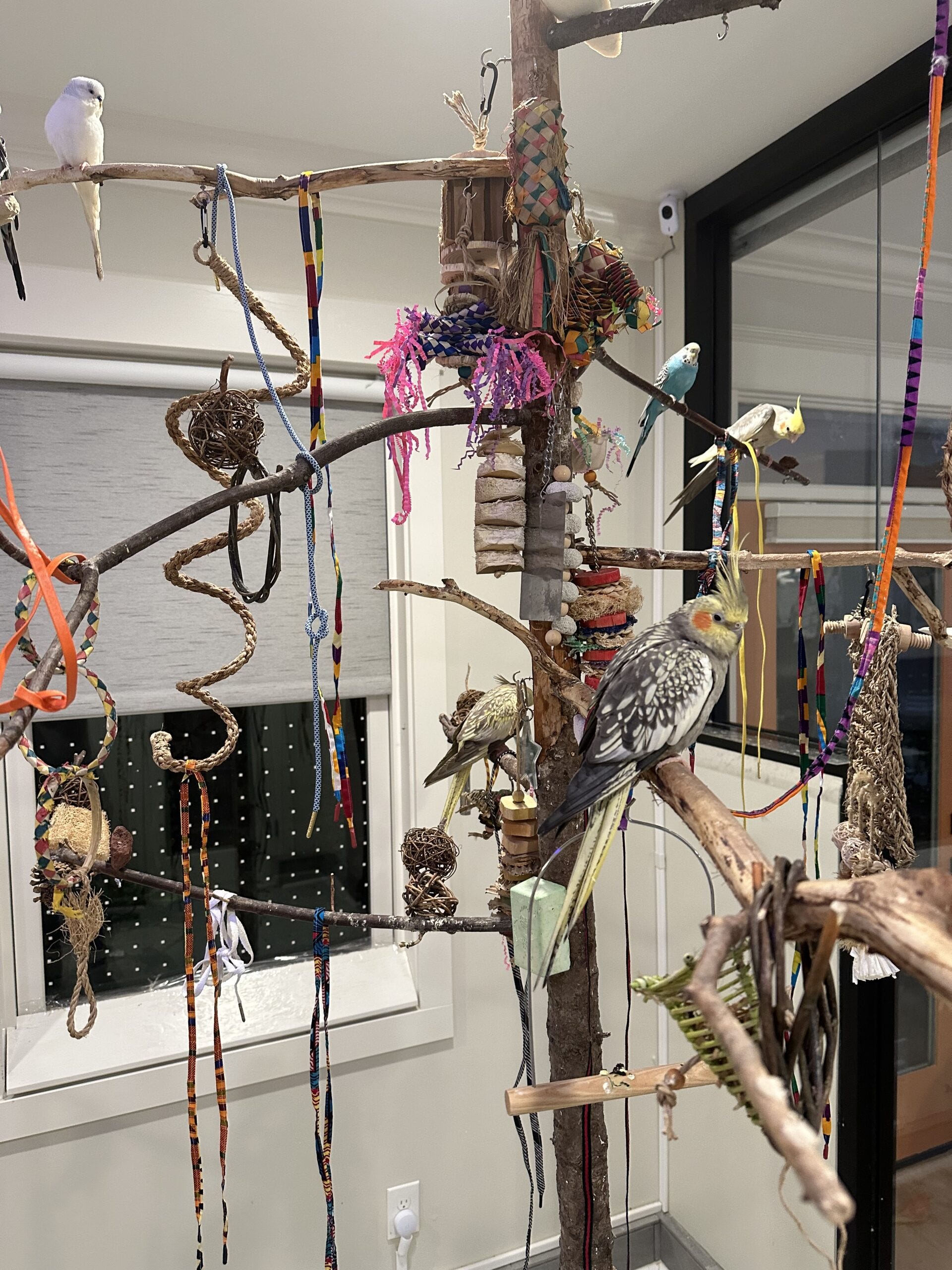
Credit: freerangeparrots.org
Frequently Asked Questions
What Materials Do I Need To Build A Bird Perch?
Understanding the materials is part of your journey on how to build a bird perch safely.
You need untreated wood, sandpaper, screws, a drill, and a saw. Choose natural, safe materials to avoid harming birds. Avoid treated or painted wood to keep the perch bird-friendly and durable.
Choosing the right size for your perch is a fundamental aspect of how to build a bird perch that your bird will enjoy.
How Do I Choose The Right Size For A Bird Perch?
Safety features are vital when considering how to build a bird perch for your sensitive pets.
Select a diameter that fits your bird’s feet comfortably. Small birds need ¾ to 1 inch thick perches. Larger birds require thicker perches for proper grip and foot health.
Placement is crucial, keep in mind the principles of how to build a bird perch that is both safe and accessible.
How Can I Make A Bird Perch Safe And Comfortable?
With every step in your project, remember how to build a bird perch that is appealing to your bird.
Smooth all wood surfaces with sandpaper to prevent splinters. Avoid sharp edges and toxic finishes. Ensure the perch is stable and securely mounted for bird safety.
As you finalize your work, the effort you put into how to build a bird perch will be visible in the details.
Where Should I Place The Bird Perch In A Cage?
Enjoy the process, and soon you’ll reap the rewards of knowing how to build a bird perch.
Place the perch at a comfortable height for your bird. Avoid placing it near food or water to keep areas clean. Ensure good ventilation and easy access for your bird.
Conclusion
Building a bird perch is easy and fun. Follow the steps on how to build a bird perch and enjoy. Birds will love their new perch. It offers a safe place to rest. Also, it adds charm to your garden. A simple project can make a big difference.
Ultimately, mastering how to build a bird perch is a rewarding experience that benefits both you and your birds.
Spend time observing your feathered friends. They bring joy and life to your space. You can feel proud of your work. Your efforts contribute to nature. Enjoy watching birds visit and play. Happy birdwatching!
Remember, every effort you take in how to build a bird perch brings joy back to nature.