Are you ready to welcome more birds into your backyard? Building a bird roost is easier than you might think, and it can turn your outdoor space into a lively haven for feathered friends.
Imagine watching birds rest safely after a long day of flying, right outside your window. In this guide, you’ll discover simple steps to create the perfect roost that attracts and protects birds. Whether you’re a beginner or just want to improve your current setup, this article gives you everything you need to know.
Keep reading, and soon you’ll enjoy the peaceful presence of birds settling in your garden every evening.
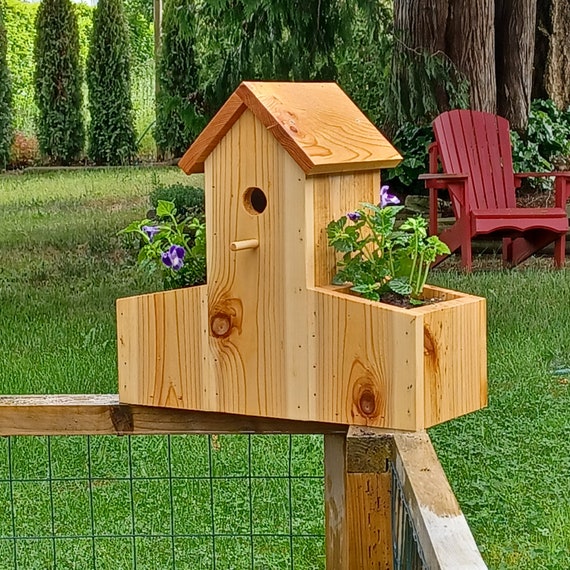
Credit: www.etsy.com
Choosing The Right Location
Building a bird roost needs careful location choice. The right spot keeps birds safe and comfortable.
Consider factors like safety, quietness, sunlight, and shade. These help birds rest and stay healthy.
Consider Safety From Predators
Choose a place where predators find it hard to reach. Look for natural barriers like thick bushes or high branches.
- Avoid spots near ground where cats or snakes roam
- Pick trees with dense leaves to hide the roost
- Place the roost away from busy animal paths
Select A Quiet Spot
Birds need peace to rest well. Loud noises can scare them away or stress them.
Look for areas far from roads, loud machines, or busy human activity. A calm place attracts more birds.
Ensure Proper Sunlight And Shade
Birds need sunlight for warmth but also shade to cool down. Balance is key for comfort.
| Location Feature | Benefit for Birds |
| Morning sunlight | Wakes birds gently and warms them |
| Afternoon shade | Prevents overheating and stress |
| Evening shade | Helps birds rest as temperature drops |

Credit: www.amazon.com
Gathering Materials
Building a bird roost starts with collecting the right materials. Good materials make the roost safe and cozy for birds.
Focus on wood, fasteners, tools, and comfort items. Each part helps create a sturdy and inviting home.
Wood Types And Sizes
Choose wood that is strong and weather-resistant. Cedar and pine are popular because they last outdoors.
Use wood pieces that are easy to handle. Boards about 1 inch thick work well for most parts of the roost.
- Cedar wood: resists rot and insects
- Pine wood: affordable and easy to cut
- Boards: 1 inch thick and 4 to 6 inches wide
- Lengths: vary depending on roost size
Fasteners And Tools Needed
You need nails or screws to hold wood pieces together. Screws give a stronger hold than nails.
Basic tools help you build the roost. A hammer or drill, saw, and measuring tape are important.
- Screws or nails (1.5 to 2 inches long)
- Hammer or power drill
- Hand saw or circular saw
- Measuring tape
- Pencil for marking cuts
Additional Comfort Items
Add soft materials inside the roost. These make birds feel warm and safe during cold nights.
Natural items like straw or dried grass work best. Avoid synthetic materials that might trap moisture.
- Straw or hay for bedding
- Dried grass for extra softness
- Small twigs for nesting support
- Leaves to help keep warmth
Designing The Roost
Building a bird roost starts with a good design. A well-planned roost keeps birds safe and comfortable.
Think about size, shape, ventilation, drainage, and perch placement. These details help your roost last longer.
Size And Shape Options
Choose a size that fits the number of birds you want to house. The shape should provide enough space for movement.
- Small roosts suit a few birds and fit in limited spaces.
- Medium roosts hold several birds comfortably.
- Large roosts work well for many birds or mixed species.
- Rectangular shapes give more usable space.
- Round shapes offer better protection from wind.
Ventilation And Drainage
Good airflow prevents dampness and keeps birds healthy. Proper drainage stops water from building inside.
| Feature | Why It Matters |
| Ventilation Openings | Remove stale air and moisture |
| Raised Floor | Prevents water entry and flooding |
| Sloped Roof | Helps rainwater run off quickly |
| Drainage Holes | Allow water to escape from base |
Perch Placement
Place perches carefully for bird comfort and easy cleaning. Proper spacing reduces stress among birds.
- Install perches at different heights for variety.
- Keep space between perches at least 12 inches.
- Use smooth, rounded wood to protect bird feet.
- Position perches away from walls to avoid droppings buildup.
- Make perches easy to remove for cleaning.

Credit: www.npr.org
Step-by-step Construction
Building a bird roost helps provide birds a safe place to rest. It is a simple project anyone can do with basic tools.
This guide shows how to build a bird roost in clear, easy steps. Follow along to create a sturdy home for birds.
Preparing The Base
Start by choosing a flat and stable place for your roost. The base must hold the whole structure firmly.
Use strong wood or pallets to make the base. Make sure it is wide enough to support the frame safely.
- Clear the ground from rocks and debris
- Lay wooden planks side by side
- Secure planks with screws or nails
- Check that the base does not wobble
Building The Frame
Next, build the frame using sturdy wood pieces. The frame shapes the roost and supports the roof and perches.
Cut four vertical posts and connect them with horizontal beams. Use screws to hold the parts tightly together.
- Measure and cut wood to size
- Attach vertical posts to the base
- Fix horizontal beams between posts
- Ensure the frame is square and strong
Adding Perches And Roof
Install perches inside the frame for birds to sit on. Use smooth wooden rods or branches for comfort.
Build a roof to protect birds from rain and sun. Use waterproof materials like shingles or metal sheets for the roof.
- Attach wooden rods horizontally for perches
- Space perches evenly inside the frame
- Fix roof supports above the frame
- Cover supports with weatherproof roof material
Finishing Touches
Sand all rough edges to avoid bird injuries. Paint or seal the wood to protect it from weather.
Add extra features like a small ladder or nesting boxes if desired. Make sure everything is safe for birds.
- Sand edges and corners carefully
- Apply non-toxic paint or sealant
- Attach ladders or nesting boxes
- Place the roost in a quiet, safe area
Maintaining The Roost
Keeping the bird roost in good shape helps birds stay safe and comfortable. Regular care prevents problems and keeps the roost lasting longer.
Check the roost often. Small fixes now can stop big repairs later. Learn how to clean, inspect, and adjust the roost with the seasons.
Regular Cleaning Tips
Cleaning the roost keeps birds healthy and stops pests. Remove old nesting material and droppings every few weeks. Use a brush to clear dirt and debris.
- Wear gloves to protect your hands
- Use mild soap and water for washing
- Rinse well and let dry before birds return
- Remove leftover food to avoid attracting pests
Inspecting For Damage
Look over the roost at least once a month. Check for broken parts, loose nails, or rotten wood. Fix small problems quickly to keep the roost safe.
| Area | What to Check | Action |
| Roof | Leaks, holes | Patch or replace shingles |
| Walls | Cracks, holes | Seal gaps to keep out weather |
| Floor | Rot, weakness | Replace damaged boards |
| Perches | Loose or broken | Tighten or replace |
Seasonal Adjustments
Change the roost to suit the season. Add insulation in winter to keep birds warm. Improve ventilation in summer to avoid heat buildup.
- Spring:Clean out old nests and check for damage.
- Summer:Open vents to keep air flowing.
- Fall:Add fresh bedding for warmth.
- Winter:Cover openings to block wind and rain.
Attracting Birds To Your Roost
Building a bird roost is great for watching birds up close. To attract birds, you need to create a welcoming place. Birds look for food, water, and shelter.
Adding feeders, water sources, and plants can help birds find your roost. These elements make your roost a safe spot for birds to rest and feed.
Using Bird Feeders
Bird feeders bring birds by offering easy food. Use different types of feeders to attract many bird species. Fill feeders with seeds, nuts, or suet.
Keep feeders clean to prevent disease. Place feeders near trees or shrubs for shelter. Change food often to keep it fresh.
- Use tube feeders for small seeds
- Platform feeders work for many bird types
- Suet feeders attract woodpeckers and nuthatches
- Place feeders 5-10 feet from cover
Providing Water Sources
Birds need water for drinking and bathing. A clean water source helps keep birds healthy. Use birdbaths or shallow dishes for water.
Change the water every few days. Add stones or sticks so birds can perch safely. Place water near shrubs or trees for protection.
- Use a birdbath with a gentle slope
- Keep water fresh and clean
- Add small rocks for perching
- Place water in shaded areas
Planting Native Vegetation
Native plants provide food and shelter for birds. They attract insects and produce seeds and berries. Choose plants that grow naturally in your area.
Plant shrubs, trees, and flowers near your roost. This gives birds places to hide and nest. Native plants also need less water and care.
- Plant berry-producing shrubs for food
- Grow trees for nesting sites
- Use flowers to attract insects
- Avoid invasive plants
Frequently Asked Questions
What Materials Are Best For Building A Bird Roost?
Wood is the best material for bird roosts due to its durability. Use untreated, natural wood to avoid chemicals. Avoid metal or plastic as they can be uncomfortable and unsafe for birds. Choose smooth, sturdy wood for easy cleaning and long-lasting use.
How Do You Design A Bird Roost For Small Birds?
Use perches spaced 3-5 inches apart for small birds. Keep the roost height between 1-3 feet from the ground. Provide shelter from wind and predators. Use smooth wood surfaces to protect their feet. Ensure proper ventilation without drafts for comfort.
Where Is The Ideal Location To Place A Bird Roost?
Place the roost in a quiet, sheltered area away from predators. Choose a spot with partial shade and good airflow. Avoid direct sunlight or heavy rain exposure. Position it near food and water sources for convenience.
How Often Should You Clean A Bird Roost?
Clean the bird roost weekly to maintain hygiene. Remove droppings and replace bedding if used. Use mild soap and water; avoid harsh chemicals. Regular cleaning prevents disease and keeps birds healthy.
Conclusion
Building a bird roost offers nature a helping hand. Birds find shelter and safety, enhancing your garden’s vibrancy. Follow steps with care, ensuring a sturdy and welcoming structure. Use simple materials available at home or nearby stores. Even beginners can enjoy this rewarding project.
Observe visiting birds, bringing joy and life outdoors. Share this experience with friends or family. Encourage others to join this eco-friendly activity. Creating a bird roost connects you to nature’s wonders. It’s a small act with great impact. Enjoy the cheerful chirps and busy fluttering wings.