
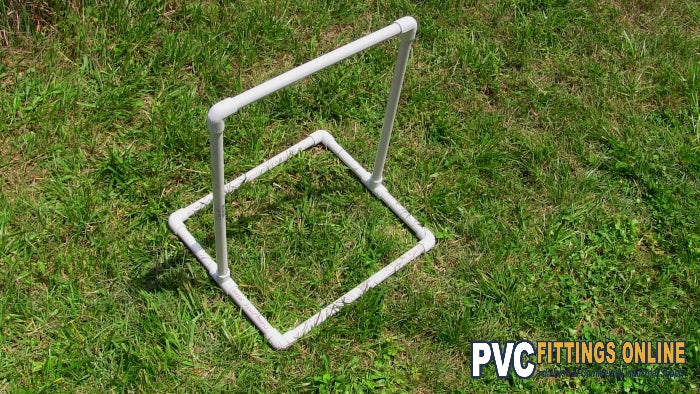
Looking to give your feathered friend a cozy spot to rest and play? Building a PVC bird perch might be easier than you think.
With simple materials and easy steps, you can create a safe and sturdy perch that your bird will love. Imagine watching your pet happily exploring its new favorite hangout, all made by your own hands. Ready to get started? Keep reading, and you’ll have the perfect bird perch ready in no time.

Credit: www.pvcfittingsonline.com
Materials Needed
Building a PVC bird perch is simple and affordable. You only need a few materials to get started. This guide will help you choose what to buy.
Picking the right materials ensures your bird perch is safe and sturdy. Let’s look at what you need.
Choosing The Right Pvc Pipes
Use PVC pipes that are strong and safe for birds. Choose pipes that fit your bird’s size. Avoid pipes with sharp edges or harmful chemicals.
- 1/2 inch or 3/4 inch diameter pipes for small to medium birds
- Schedule 40 PVC pipes for strength
- White or light-colored pipes to avoid heat buildup
- Pipes free of BPA or toxic materials
- Cut pipes to desired perch length (usually 12 to 18 inches)
Additional Supplies
You will need extra items to assemble and secure the perch. These supplies help make the perch safe and easy to clean.
| Supply | Purpose |
|---|---|
| PVC pipe cutter or saw | Cut pipes to size |
| Sandpaper | Smooth pipe edges |
| Non-toxic glue or PVC cement | Join pipe parts securely |
| Drill with small bit | Make holes for mounting |
| Rubber grips or tape | Prevent slipping on perch |
| Measuring tape | Measure pipe lengths accurately |

Credit: www.pvcfittingsonline.com
Tools Required
Building a PVC bird perch needs some basic tools. These tools help you cut, measure, and stay safe.
Using the right tools makes your work easier and the perch stronger for your bird.
Cutting Tools
You need sharp and precise cutting tools to cut the PVC pipe. Good cuts make the perch fit well.
- Hacksaw – a hand saw for cutting PVC pipes cleanly
- PVC pipe cutter – a tool designed to slice through pipes smoothly
- Utility knife – useful for trimming small edges or cleaning cuts
Measuring And Marking Tools
Measuring tools help you get the right size for each part of the perch. Marking tools show where to cut.
- Measuring tape – to measure pipe lengths accurately
- Ruler or straight edge – helps mark straight lines on the pipe
- Permanent marker – to draw clear cutting lines on PVC
Safety Equipment
Safety gear protects you from injury when cutting and handling PVC pipes. Always wear safety equipment.
- Safety goggles – protect your eyes from flying debris
- Gloves – keep your hands safe from cuts and scrapes
- Dust mask – prevents breathing in plastic dust during cutting
Designing Your Bird Perch
Designing a bird perch with PVC requires careful thought. The size and shape must suit your bird well. Comfort and safety come first.
Planning stability is key to avoid accidents. A good perch should be steady and easy for your bird to grip.
Determining Size And Shape
Choose the perch size based on your bird’s size. Too big or too small makes it hard to hold. The shape should allow natural foot grip.
- Measure your bird’s foot width and length
- Pick a diameter that fits comfortably in the bird’s feet
- Use straight or slightly curved PVC for natural grip
- Consider adding textured surfaces for better hold
Planning Stability And Comfort
| Feature | Tip |
| Base Support | Use a wide base or secure mounting |
| Material Texture | Add rubber or sandpaper for grip |
| Height | Set at bird’s natural perching level |
| Weight | Use lightweight PVC but add weight to base |
Make sure the perch does not wobble. Test it by pressing down gently. Your bird will enjoy a perch that feels safe and stable.
Cutting And Preparing Pvc Pipes
Building a PVC bird perch starts with cutting and preparing the pipes. Proper preparation helps make the perch safe and sturdy for your bird.
Use the right tools and follow clear steps to cut the pipes accurately. This guide covers measuring, marking, and making clean cuts.
Measuring And Marking Cuts
Measure the PVC pipe length carefully before cutting. Accurate measuring ensures the perch fits your bird’s cage or desired area.
Use a pencil or marker to draw clear lines where you want to cut. Mark both sides of the pipe for better accuracy.
- Use a tape measure or ruler for exact length
- Mark the pipe with a permanent marker or pencil
- Mark both ends of the pipe for straight cuts
- Double-check measurements before cutting
Making Clean Cuts
Use a sharp PVC pipe cutter or a fine-toothed saw to make clean cuts. Smooth cuts prevent rough edges that can harm your bird.
Cut slowly and steadily to avoid cracking or splintering the pipe. After cutting, sand the edges gently for a smooth finish.
- Use a PVC pipe cutter for quick, clean cuts
- A fine-toothed saw works if you don’t have a cutter
- Cut straight along the marked line
- Sand edges with fine sandpaper to remove rough spots
Assembling The Perch
Building a PVC bird perch is simple and fun. This guide helps you put the parts together safely and securely.
Follow these steps to connect pipes and secure joints for a strong perch.
Connecting Pipes
Start by fitting PVC pipes together to form the perch’s frame. Make sure the pipes fit snugly into each other.
- Cut pipes to the needed lengths using a saw.
- Clean pipe ends with sandpaper to remove rough edges.
- Insert one pipe end into the fitting or another pipe.
- Push firmly until the pipe is fully seated.
- Check alignment so the perch is level and stable.
Securing Joints
Secure the joints so the perch will not come apart. Use PVC cement and clamps for strong bonds.
| Material | Purpose | How to Use |
| PVC Cement | Bonds pipes together | Apply on pipe ends and fittings before joining |
| Clamps | Hold pipes while glue dries | Place around joint and tighten gently |
| Sandpaper | Prepares pipe surface | Roughen pipe ends for better glue grip |
Adding Finishing Touches
After assembling your PVC bird perch, the final steps make it safe and smooth. These touches help protect your bird and improve the perch’s look.
Focus on removing rough edges and applying a safe coating. This keeps your bird comfortable and prevents injuries.
Sanding Rough Edges
Use sandpaper to smooth all cut ends and joints. This removes sharp bits that could hurt your bird.
- Choose fine-grit sandpaper (around 220 grit).
- Sand around all edges and openings.
- Check for any rough spots by running your hand over the surface.
- Repeat sanding until the surface feels smooth.
Applying Non-toxic Coating
Coating the perch helps protect the PVC and keeps it clean. Use only bird-safe, non-toxic finishes.
| Coating Type | Purpose | Dry Time |
| Water-based polyurethane | Protects surface, easy to clean | 2-4 hours |
| Natural beeswax | Adds shine, safe for birds | 30 minutes |
| Non-toxic acrylic paint | Adds color and protection | 1-2 hours |
Apply thin layers with a brush. Let each layer dry fully before adding another. This ensures good coverage and safety.
Safety Tips For Your Bird
Building a PVC bird perch is a fun project. Safety is important to keep your bird healthy and happy. Use safe materials and make sure the perch is steady.
Learn how to avoid toxic materials and ensure stability. These tips help your bird stay safe on the perch.
Avoiding Toxic Materials
Not all PVC pipes are safe for birds. Some contain harmful chemicals. Use only food-grade or bird-safe PVC. Avoid pipes with paint or glue that can peel or chip.
- Choose non-toxic, food-grade PVC pipes.
- Do not use pipes with lead or harmful paint.
- Avoid using glue or paint on the perch.
- Clean the pipe with mild soap and water before use.
- Check for cracks or rough edges to prevent injury.
Ensuring Stability
Your bird needs a steady perch to feel safe. An unstable perch can cause falls and injuries. Make sure the perch is strong and well fixed.
| Tip | Reason |
|---|---|
| Use thick PVC pipe | Supports bird’s weight without bending |
| Attach perch firmly to cage | Prevents wobbling or falling |
| Check connections regularly | Ensures perch stays secure over time |
| Place perch at a safe height | Reduces risk of injury from falls |
Maintenance And Cleaning
Keeping your PVC bird perch clean helps your bird stay healthy. Regular care also makes the perch last longer.
Simple cleaning and checking for damage keeps the perch safe and comfortable for your bird.
Regular Cleaning Methods
Clean the PVC perch often to remove dirt and bird droppings. Use mild soap and warm water for cleaning.
Avoid harsh chemicals that can harm your bird. Rinse the perch well and dry it before use.
- Remove loose debris with a soft brush
- Wash with mild soap and warm water
- Rinse thoroughly to remove soap
- Dry completely before placing it back
- Clean at least once a week or more if needed
Inspecting For Wear
Check the perch often for cracks or sharp edges. These can hurt your bird’s feet.
Look at the joints and connections to make sure they are tight and safe.
- Look for cracks or splits in the PVC
- Check for rough or sharp spots
- Ensure all parts fit tightly
- Replace or repair damaged sections
- Inspect the perch every week

Credit: www.pvcfittingsonline.com
Frequently Asked Questions
What Materials Are Needed To Build A Pvc Bird Perch?
You need PVC pipes, connectors, a saw, sandpaper, and non-toxic paint. These materials ensure a sturdy, safe perch for birds.
How Do I Ensure The Bird Perch Is Safe?
Smooth all pipe edges with sandpaper to avoid injuries. Use non-toxic paint and secure all joints tightly for bird safety.
What Size Pvc Pipe Is Best For Bird Perches?
Choose pipes with a diameter between ¾ and 1 inch. This size offers a comfortable grip for most small to medium birds.
Can I Customize The Pvc Bird Perch Design?
Yes, you can adjust length, shape, and color. Customizing makes the perch more appealing and suitable for your bird’s needs.
Conclusion
Creating a PVC bird perch is simple and fun. You only need a few materials. It’s a budget-friendly project for bird lovers. Your feathered friends will enjoy the new spot. Plus, it’s sturdy and easy to clean. Follow the steps carefully, and you’ll succeed.
This DIY project enhances your bird’s environment. Also, it adds a personal touch to their space. Share your new skill with friends and family. They might want to build one too. Enjoy watching your birds relax on their new perch.
Happy building!



