
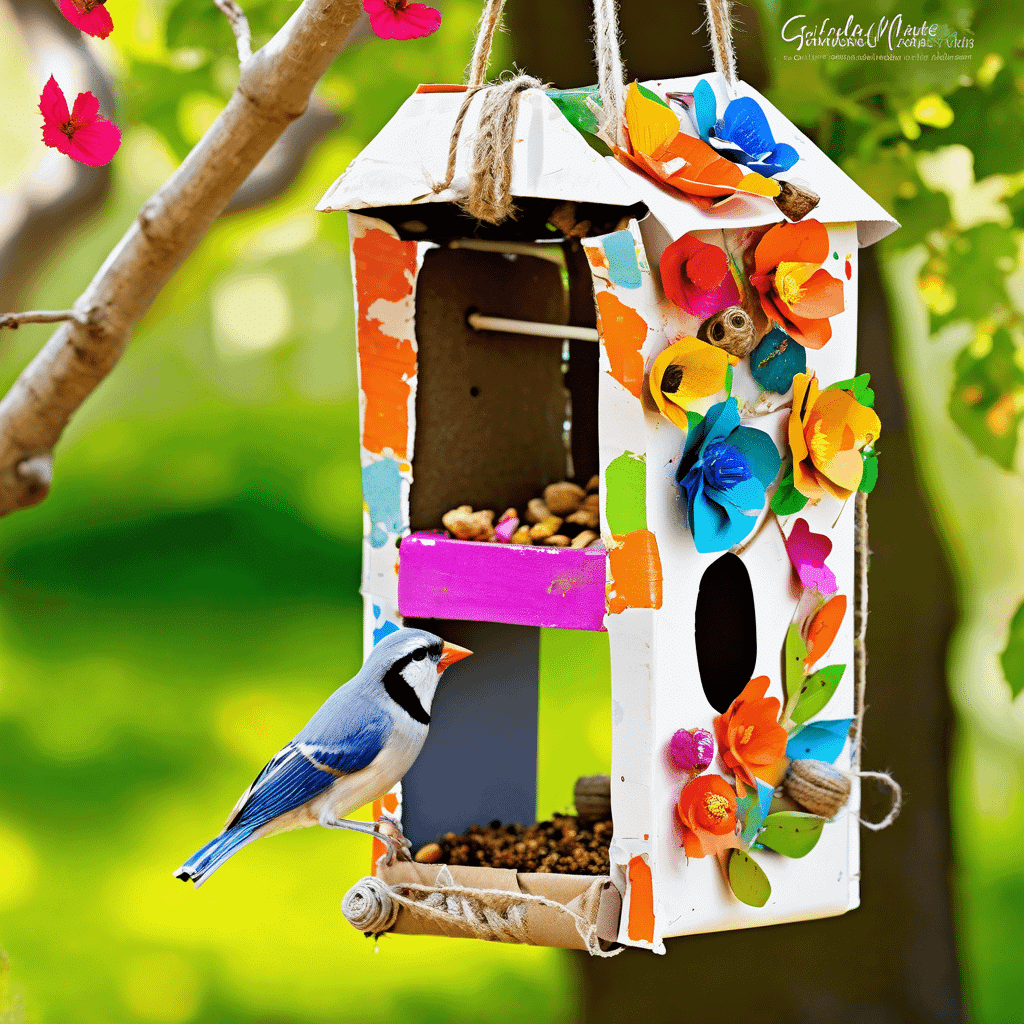
Do you want to attract beautiful wild birds to your garden and enjoy their colorful visits every day? Building a wild bird fruit feeder is easier than you think, and it can bring a burst of life right outside your window.
Imagine watching vibrant birds feast on fresh fruits you put out just for them. In this guide, you’ll discover simple steps to create a safe and inviting fruit feeder that wild birds will love. Keep reading, and you’ll be amazed at how quickly your outdoor space can turn into a lively bird haven.

Credit: www.youtube.com
Choosing The Right Fruit
Choosing the right fruit is important for building a wild bird fruit feeder. Birds need healthy, safe food that helps them stay strong. Picking good fruit attracts many bird types.
Not all fruits are safe or tasty for birds. Learning which fruits to use makes your feeder better and keeps birds healthy.
Bird-friendly Fruit Options
Birds like many kinds of fruit. Choose fruits that are easy to eat and full of nutrients. Fresh fruits work best in feeders.
- Apples (cut into small pieces)
- Berries like blueberries, strawberries, and raspberries
- Grapes (sliced or whole for small birds)
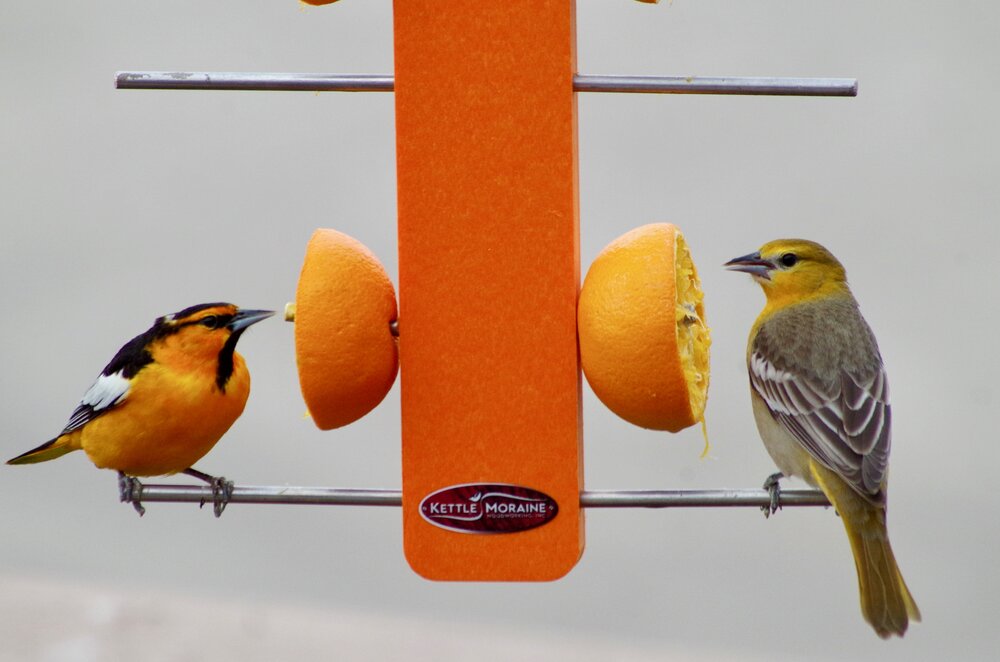
- Oranges and mandarins (peeled and sectioned)
- Bananas (ripe and sliced)
- Pears (cut into small chunks)
Seasonal Fruit Availability
Use fruits that grow in your area during different seasons. This keeps your feeder filled year-round. Fresh fruit tastes better and lasts longer.
- Spring: Strawberries, cherries
- Summer: Blueberries, raspberries, peaches
- Fall: Apples, pears, grapes
- Winter: Oranges, mandarins (from stores)
Change fruit with the seasons to give birds fresh food all year.
Avoiding Harmful Fruits
Some fruits can harm birds. Avoid fruits with seeds or pits that contain toxins. Also, do not use spoiled or moldy fruit.
- Avoid avocado; it is toxic to birds
- Do not feed fruit with pits, like cherries or peaches, unless pits are removed
- Stay away from citrus fruit seeds and peels in large amounts
- Do not offer dried or sugared fruits
- Remove moldy or rotten fruit immediately
Credit: www.coffeeandchlorophyll.com
Selecting Materials
Building a wild bird fruit feeder starts with choosing the right materials. Good materials keep birds safe and the feeder durable.
Picking safe and sturdy supplies helps your feeder last longer outside. It also makes it easier to clean and refill.
Safe Feeder Construction Materials
Use materials that do not harm birds or the environment. Avoid toxic paints or treated wood with chemicals.
Natural wood like cedar or pine is good. Metal parts should be rust-resistant. Glass or plastic parts must be safe and strong.
- Untreated wood is safe and easy to work with
- Stainless steel or aluminum resists rust
- Non-toxic paints or sealants protect wood
- Avoid pressure-treated wood and lead-based paints
- Clear acrylic plastic is a safe option
Tools You’ll Need
Having the right tools makes building easier and safer. Basic hand tools work well for most feeders.
- Hammer and nails or screwdriver and screws
- Measuring tape to get correct sizes
- Handsaw or jigsaw to cut wood
- Sandpaper to smooth rough edges
- Drill for holes and assembly
- Paintbrush for applying safe finishes
Recycled Vs. New Supplies
Using recycled materials can save money and reduce waste. Check if old materials are safe for birds.
New supplies often offer better safety and consistency. Choose based on your budget and tool availability.
- Recycled wood may have nails or chemicals to remove
- New wood is cleaner and easier to work with
- Old containers can be reused if cleaned well
- New plastic or metal parts last longer outdoors
- Always avoid materials that can poison birds
Designing The Feeder
Building a wild bird fruit feeder is a fun and rewarding project. A good design helps keep the fruit fresh and easy for birds to reach.
This guide covers simple designs, weather protection, and easy bird access. Each part helps attract more birds to your feeder.
Simple And Effective Designs
Choose a design that is easy to build and clean. Use natural materials like wood or bamboo to blend with the environment.
- A shallow tray or platform works well to hold fruit pieces.
- Use nails or screws to secure parts tightly.
- Keep the feeder size small to avoid waste.
- Add a roof to protect the fruit from rain.
Protecting Fruit From Weather
Fruit can spoil quickly if it gets wet or too hot. A cover or roof helps keep it fresh longer.
| Weather Issue | Protection Method |
| Rain | Sloped roof or plastic cover |
| Sun | Shade or roof to block direct light |
| Wind | Windbreaks like mesh or side panels |
Ensuring Easy Bird Access
Birds need to reach the fruit without difficulty. Design the feeder so they can land and feed safely.
- Leave open sides for easy landing.
- Use perches near the feeding area.
- Keep the feeder stable to avoid shaking.
- Place the feeder away from predators.
Step-by-step Building Process
Building a wild bird fruit feeder is simple and fun. This guide helps you create a safe place for birds to enjoy fresh fruit.
Follow these steps carefully to make a sturdy and attractive feeder for your garden visitors.
Preparing The Base
Start by choosing a strong base for your feeder. Wood works well because it is durable and easy to cut.
- Select a wooden board about 12 inches square.
- Sand the edges to remove splinters.
- Drill drainage holes to keep fruit dry.
- Paint or seal the wood to protect it from weather.
Attaching Fruit Holders
Attach holders to keep the fruit secure and easy for birds to reach. Use small containers or rings.
| Holder Type | Material | Attachment Method |
|---|---|---|
| Small baskets | Wicker or metal | Screws or nails |
| Wire rings | Metal wire | Staples or hooks |
| Plastic cups | Recycled plastic | Glue or zip ties |
Make sure the holders are spaced evenly. This prevents fruit from touching and spoiling quickly.
Securing The Feeder
Secure the feeder to a tree, pole, or stand. Use strong ropes or hooks to keep it stable.
- Choose a location visible to birds and safe from predators.
- Use weather-resistant rope or metal chains.
- Check the feeder regularly to tighten fasteners.
- Clean the feeder often to prevent mold and bacteria.
Placement Tips
Placing your wild bird fruit feeder correctly helps attract more birds. It also keeps birds safe and makes feeding easier for you.
This guide shares simple tips for placing your feeder in the best spots.
Ideal Locations For Feeding
Choose a quiet spot away from busy areas. Birds like places near trees or shrubs. These provide shelter and a quick escape if needed.
- Near natural cover like bushes or trees
- In a shaded area to keep fruit fresh
- At least 5 feet off the ground to avoid pests
- Close to a water source if possible
Avoiding Predators
Keep your feeder safe from cats and other predators. Placing it in open areas helps birds spot danger early.
| Predator | Placement Tip |
| Cats | Use a feeder pole with a baffle |
| Squirrels | Place feeder away from jumping points |
| Raptors | Keep feeder away from tall perches |
Visibility For Birdwatching
Place the feeder where you can see it clearly from your window or garden seat. This makes birdwatching easy and fun.
Tips for good visibility:
- Keep the area around the feeder free of tall plants
- Use a spot with good natural light
- Place near a window without direct glare
Maintenance And Cleaning
Keeping your wild bird fruit feeder clean helps birds stay healthy. Dirt and old fruit can harm birds and attract pests.
Regular care makes sure your feeder stays safe and inviting for wild birds all year.
Regular Cleaning Schedule
Clean your fruit feeder often to stop germs and mold from growing. A weekly cleaning works well in warm weather.
- Remove old fruit and debris.
- Wash the feeder with warm soapy water.
- Rinse well to remove soap.
- Dry the feeder completely before refilling.
Preventing Mold And Spoilage
Mold grows quickly on fruit, which can harm birds. Keep fruit fresh to avoid this problem.
| Tip | Details |
|---|---|
| Choose firm fruit | Use apples, oranges, or grapes that last longer. |
| Replace fruit often | Change fruit every 2-3 days in warm weather. |
| Keep feeder dry | Place feeder where rain won’t soak the fruit. |
| Use small pieces | Cut fruit into smaller pieces to dry faster and reduce spoilage. |
Replacing Fruit Safely
Remove old fruit carefully to avoid spreading bacteria. Use clean hands or gloves when handling fresh fruit.
- Take out all leftover fruit before adding new pieces.
- Wash your hands before touching fruit.
- Dispose of spoiled fruit away from the feeder area.
- Fill feeder with fresh fruit in small amounts to prevent waste.
Attracting More Birds
Building a wild bird fruit feeder is a great way to invite birds to your yard. Birds love fresh fruit and will visit often if you provide tasty treats.
To attract more birds, offer not only fruit but also water and other food types. Making your yard a safe and friendly place helps birds stay longer.
Adding Water Sources
Birds need water for drinking and bathing. Adding a water source near your fruit feeder will attract more birds. Keep the water fresh and clean.
- Use a shallow birdbath or small dish
- Change water daily to prevent mosquitoes
- Place water in a quiet, safe spot
- Add stones for birds to perch on
Using Additional Food Types
Different birds prefer different foods. Adding seeds, nuts, and suet along with fruit will bring a variety of birds to your feeder. Keep the food fresh and dry.
- Offer sunflower seeds and peanuts
- Try suet cakes for insect-eating birds
- Include berries like blueberries or raspberries
- Avoid spoiled or moldy food
Creating A Bird-friendly Habitat
Birds visit places where they feel safe. Plant native trees and shrubs near your feeder. Provide shelter and places to hide from predators.
- Grow bushes for cover and nesting
- Leave leaf litter for insects and seeds
- Keep feeders away from busy areas
- Avoid using pesticides and chemicals
Credit: edis.ifas.ufl.edu
Frequently Asked Questions
What Materials Are Needed To Build A Wild Bird Fruit Feeder?
You need untreated wood, a drill, screws, mesh or wire, and hooks. Use non-toxic materials to keep birds safe. Fresh fruits like apples and berries attract birds effectively.
How Do I Hang A Wild Bird Fruit Feeder?
Hang the feeder using sturdy hooks or strong string. Choose a shaded, quiet spot away from predators. Ensure it is secure to prevent swinging or falling.
Which Fruits Are Best For Wild Bird Feeders?
Use fruits like apples, oranges, berries, grapes, and bananas. Avoid citrus in large quantities. These fruits provide essential nutrients and attract diverse bird species.
How Often Should I Clean The Bird Fruit Feeder?
Clean the feeder every 1-2 weeks with warm soapy water. This prevents mold and bacteria buildup, keeping birds healthy. Rinse thoroughly and dry before refilling.
Conclusion
Creating a wild bird fruit feeder is simple and rewarding. Birds enjoy the fresh treats you provide. Your garden will soon be alive with colors and songs. This feeder attracts various bird species easily. Plus, it helps support local wildlife.
Using fruits is a natural and eco-friendly choice. Remember to place your feeder in a safe location. Regularly clean it to keep birds healthy. Enjoy watching nature up close every day. Happy birdwatching!



