If you have a White Bird of Paradise, you already know how stunning this plant is. Its elegant leaves and striking flowers can transform any space into a tropical paradise.
But keeping it healthy and vibrant isn’t always easy. You might wonder why your plant isn’t thriving or how to make it bloom beautifully. This guide will give you simple, effective tips to care for your White Bird of Paradise so it stays lush and lively.
By the end, you’ll feel confident in giving your plant exactly what it needs to flourish. Keep reading to unlock the secrets to nurturing your White Bird of Paradise like a pro.
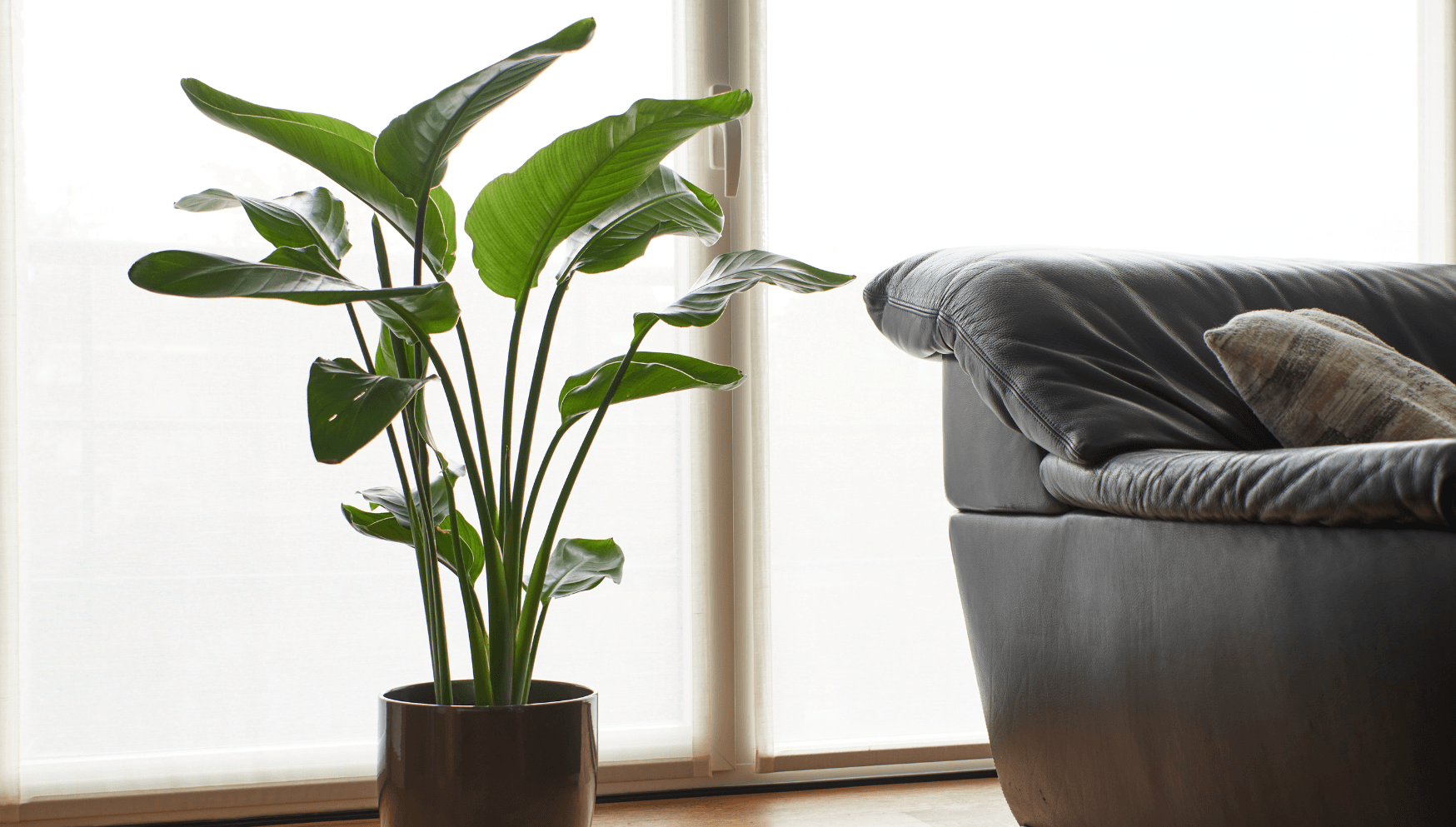
Credit: plnts.com
Choosing The Right Location
Finding the right spot for your White Bird of Paradise is key to keeping it healthy. This plant needs special care with light, temperature, and humidity.
Placing it in the best location helps the plant grow strong and look beautiful. Let’s look at what this plant needs.
Ideal Light Conditions
The White Bird of Paradise loves bright light. It grows best in a spot with lots of indirect sunlight. Direct sunlight can burn its leaves.
A window with filtered light or a bright room works well. Too little light can make the plant weak and stop it from blooming.
- Bright, indirect sunlight is best
- Avoid direct, harsh sun rays
- Too little light slows growth
Temperature Preferences
This plant prefers warm temperatures. It grows well between 65°F and 80°F (18°C to 27°C). Keep it away from cold drafts and sudden temperature changes.
It does not like temperatures below 50°F (10°C). Cold can damage the leaves and stunt growth. Keep your plant in a steady warm place.
- Ideal range: 65°F to 80°F (18°C to 27°C)
- Protect from cold drafts
- Avoid temperatures below 50°F (10°C)
Humidity Needs
The White Bird of Paradise likes high humidity. It grows best with humidity levels around 60%. Dry air can cause brown leaf edges.
You can increase humidity by misting the leaves or using a humidifier. Grouping plants together also helps keep moisture in the air.
- Prefers humidity near 60%
- Mist leaves to add moisture
- Use a humidifier if air is dry
- Group plants to raise humidity
Planting And Potting Tips
The White Bird of Paradise is a beautiful plant that needs the right care to grow well. Good planting and potting help it stay healthy and strong.
Understanding soil, containers, and repotting can make your plant thrive indoors or outdoors.
Soil Requirements
This plant likes soil that drains water quickly. Wet soil can hurt the roots and cause problems.
A mix of potting soil, sand, and compost works best. This mix holds moisture but lets air reach the roots.
- Use well-draining soil
- Include organic matter like compost
- Add sand or perlite for drainage
- Avoid heavy clay soils
Best Containers
Choose containers with drainage holes to stop water buildup. Good drainage keeps roots healthy.
Clay or terracotta pots are great because they let air pass through the sides. Plastic pots keep moisture longer but need good drainage holes.
- Pick pots with drainage holes
- Use clay or terracotta for airflow
- Plastic pots need extra care to drain well
- Make sure the pot size fits the plant’s roots
Repotting Advice
Repot the White Bird of Paradise every 2-3 years to give roots more space. This helps the plant grow bigger and stronger.
Choose a pot that is 2 inches larger in diameter than the old one. Gently loosen the roots before placing the plant in the new pot.
- Repot every 2-3 years
- Pick a slightly bigger pot
- Loosen roots gently before repotting
- Use fresh, well-draining soil mix
Watering Practices
The White Bird of Paradise plant needs careful watering. Proper water helps it grow strong and stay healthy.
Too much or too little water can harm the plant. Learn how to give the right amount at the right time.
Frequency And Amount
Water the plant once a week during warm months. In cooler months, water every two weeks.
Give enough water to soak the soil but avoid puddles. The soil should feel moist, not wet.
- Check soil moisture before watering
- Use room temperature water
- Avoid water sitting in the pot’s bottom
Signs Of Overwatering
Overwatering causes yellow leaves and soft stems. The plant may develop root rot if too wet.
Soil that stays wet for days shows overwatering. The leaves might also look wilted or drop.
- Yellowing or browning leaves
- Soft or mushy stems
- Foul smell from soil
- Wilting despite wet soil
Dealing With Underwatering
Underwatering makes leaves dry and crispy. The plant may stop growing and look weak.
If soil is very dry and pulls away from pot edges, the plant needs water. Water deeply to help roots.
- Dry, brown leaf edges
- Drooping or curling leaves
- Soil pulling away from sides
- Slow growth or leaf drop
Feeding And Fertilizing
White Bird of Paradise plants need regular feeding to grow strong. Proper fertilizing helps them bloom beautifully.
Feeding provides essential nutrients. Fertilizing keeps the soil healthy and supports plant growth.
Choosing The Right Fertilizer
Pick a fertilizer with balanced nutrients. Look for formulas with nitrogen, phosphorus, and potassium.
Higher nitrogen helps leaves grow. More phosphorus supports flowers. Potassium keeps the plant healthy overall.
- Use a 10-10-10 or 20-20-20 fertilizer for balanced feeding
- Slow-release fertilizers reduce the need for frequent feeding
- Liquid fertilizers feed plants quickly and are easy to apply
Feeding Schedule
Feed your White Bird of Paradise every 4 to 6 weeks during growing season. Stop feeding in winter when growth slows.
Apply fertilizer to moist soil to avoid root burn. Follow package instructions for correct dosage.
- Feed monthly from spring through early fall
- Reduce feeding in late fall
- Do not fertilize in winter
Organic Vs. Synthetic Options
Organic fertilizers come from natural sources like compost or manure. They improve soil health slowly.
Synthetic fertilizers are made chemically. They give nutrients quickly but may harm soil life if overused.
- Organic options build long-term soil quality
- Synthetic fertilizers act faster for quick growth
- Choose based on your care routine and plant needs
Pruning And Maintenance
White Bird of Paradise needs regular care to stay healthy and beautiful. Pruning helps keep the plant tidy and strong.
Good maintenance improves growth and prevents diseases. It also helps the plant keep its shape.
Removing Dead Leaves
Remove dead leaves to keep the plant clean and healthy. Dead leaves can attract pests and diseases.
Use clean scissors or pruning shears to cut leaves close to the stem. Do this regularly to avoid buildup.
- Look for brown, dry, or yellow leaves
- Cut leaves at the base near the stem
- Dispose of removed leaves away from the plant
Shaping The Plant
Shaping helps your White Bird of Paradise look neat and balanced. Trim long or uneven stems to control size.
Prune in early spring or after flowering. Avoid cutting too much at once to keep the plant healthy.
- Remove crossing or crowded stems
- Cut back overgrown branches
- Keep the plant symmetrical by trimming evenly
Encouraging New Growth
Pruning can help the plant grow new leaves and flowers. Cut old or weak stems to give space for new growth.
Feed the plant after pruning with balanced fertilizer. Water regularly and keep it in bright light.
- Trim stems to healthy nodes
- Use fertilizer after pruning
- Provide enough sunlight and water

Credit: www.veranda.com
Pest And Disease Control
White Bird of Paradise plants need care to stay healthy. Pests and diseases can harm them if not controlled.
Knowing how to spot and treat problems helps your plant grow strong and beautiful.
Common Pests To Watch For
Several pests can attack the White Bird of Paradise. They feed on leaves and stems, causing damage.
- Aphids: Small, soft insects that suck plant sap.
- Spider Mites: Tiny pests causing yellow spots and webbing.
- Mealybugs: White, cotton-like insects that weaken plants.
- Scale Insects: Hard or soft shell bugs that stick to stems.
Disease Prevention
Diseases can harm your plant’s leaves and roots. Keeping plants healthy stops most problems.
Good air flow and proper watering help prevent fungal and bacterial diseases.
- Water only the soil, not the leaves.
- Use well-draining soil to avoid root rot.
- Keep plants spaced for air circulation.
- Remove dead or damaged leaves quickly.
Natural Remedies
You can treat pests and diseases using natural solutions. These are safe and easy to use at home.
- Spray plants with a mix of water and mild soap to remove pests.
- Use neem oil to repel insects and prevent fungal growth.
- Introduce ladybugs to eat harmful pests like aphids.
- Apply garlic or chili pepper spray to deter bugs.
Propagation Techniques
White Bird of Paradise is a stunning plant that grows well with the right care. Propagating this plant helps you grow new ones easily.
There are several ways to propagate White Bird of Paradise. Each technique has simple steps to follow.
Division Method
Division is a common way to propagate White Bird of Paradise. You separate a large plant into smaller parts.
First, remove the plant from its pot or ground. Then gently pull apart the roots into sections. Each section should have roots and leaves.
- Use a sharp knife if roots are tough to separate
- Plant each section in fresh soil
- Water the new plants well after planting
- Keep them in a shaded area until they grow strong
Seed Propagation
Growing White Bird of Paradise from seeds takes more time. Seeds need warm and moist conditions to sprout.
Soak seeds in warm water for 24 hours to soften the hard shell. Then plant them in seed-starting mix about one inch deep.
- Keep soil moist but not soggy
- Place seeds in a warm spot with indirect light
- Germination can take 1 to 3 months
- Once seedlings have a few leaves, transplant carefully
Cuttings Approach
You can also grow White Bird of Paradise using cuttings. This method works well with healthy stems.
Cut a stem about 6 inches long with some leaves. Remove the lower leaves and dip the cut end in rooting hormone.
- Plant the cutting in moist potting mix
- Keep the soil damp and cover the cutting with plastic to keep humidity
- Place in bright, indirect light
- Roots should develop in 4 to 6 weeks
Troubleshooting Common Issues
Caring for a White Bird of Paradise can be easy, but sometimes problems appear. These issues often affect the plant’s health and beauty.
Knowing how to fix common problems helps your plant stay strong. Below are tips to solve yellowing leaves, wilting, and lack of flowering.
Yellowing Leaves
Yellow leaves often show your plant is stressed. It can happen due to too much water or poor drainage.
Check if the soil feels soggy. Cut back on watering and make sure the pot drains well. Yellowing can also come from low light or nutrient shortage.
- Water only when the top inch of soil is dry
- Use pots with drainage holes
- Place plant where it gets bright, indirect sunlight
- Feed with balanced fertilizer every 6 weeks in growing season
Wilting Problems
Wilting leaves show your plant is not happy. It can mean the plant is thirsty or the roots are damaged.
Check soil moisture first. If dry, water deeply but let excess drain out. If soil is wet but the plant still wilts, roots might have rot.
- Water when soil feels dry 1-2 inches down
- Ensure good airflow around the plant
- Remove dead or soft roots if root rot appears
- Repot in fresh soil if root rot is severe
Lack Of Flowering
White Bird of Paradise may not bloom if conditions are wrong. It needs enough light and good nutrition to flower.
Make sure the plant gets at least 4-6 hours of bright light daily. Use fertilizer with higher phosphorus to encourage blooms.
- Place plant in bright, sunny spot
- Fertilize with bloom-boosting fertilizer every 4-6 weeks
- Keep temperature between 65-70°F (18-21°C)
- Be patient; some plants bloom only after a few years
Seasonal Care Adjustments
The White Bird of Paradise needs different care during each season. Adjusting your care helps the plant stay healthy. It also supports strong growth and bright flowers.
Seasonal changes affect how much water, light, and temperature your plant needs. Pay attention to these changes to keep your plant happy year-round.
Winter Care Tips
In winter, the White Bird of Paradise grows slowly. It needs less water and cooler temperatures. Keep the plant away from drafts and frost.
Reduce watering to avoid root rot. The plant still needs light, so place it near a bright window.
- Water only when the top inch of soil is dry
- Keep temperatures between 50°F and 60°F (10°C to 15°C)
- Avoid cold drafts and sudden temperature changes
- Provide bright, indirect sunlight
Summer Maintenance
Summer is the growing season for the White Bird of Paradise. It needs more water and fertilizer during this time. Keep the soil moist but not soggy.
Place the plant where it gets plenty of sunlight. You can move it outdoors if the weather stays warm and sunny.
- Water regularly to keep soil moist
- Feed with a balanced fertilizer every 2 weeks
- Give at least 6 hours of direct sunlight daily
- Move outdoors to a shaded spot if possible
Adapting To Climate Changes
White Bird of Paradise plants can react to sudden climate changes. Adjust care based on humidity, temperature, and light shifts. Watch the plant closely for stress signs.
Keep the environment stable to avoid leaf damage and slow growth. Use humidifiers or shade cloths if needed.
- Increase humidity with misting or a humidifier
- Protect from extreme heat or cold
- Adjust watering based on temperature and humidity
- Provide shade during intense sunlight

Credit: greg.app
Frequently Asked Questions
How Often Should I Water A White Bird Of Paradise?
Water your White Bird of Paradise once a week during growing season. Keep soil moist but not soggy. Reduce watering in winter to prevent root rot. Always allow topsoil to dry slightly between waterings for optimal health.
What Lighting Conditions Suit White Bird Of Paradise Best?
White Bird of Paradise thrives in bright, indirect sunlight. It tolerates some direct morning sun but avoid harsh afternoon rays. Insufficient light leads to poor growth and fewer blooms. Place it near east or west-facing windows for best results.
How Do I Fertilize White Bird Of Paradise Plants?
Feed your plant monthly during spring and summer with balanced liquid fertilizer. Use a 10-10-10 formula diluted to half strength. Avoid fertilizing in fall and winter to support natural dormancy and prevent nutrient overload.
What Temperature Range Is Ideal For White Bird Of Paradise?
Maintain temperatures between 65°F and 75°F (18°C to 24°C). Protect the plant from drafts and sudden temperature drops below 50°F (10°C). Consistent warmth encourages healthy growth and vibrant flowers.
Conclusion
Caring for a White Bird of Paradise can be simple. Follow basic steps to keep it thriving. Ensure it gets enough sunlight. Water it regularly but avoid overwatering. Use well-draining soil for healthy roots. Fertilize during the growing season. Prune dead leaves to maintain its beauty.
Watch for pests and treat them promptly. With proper care, your plant will flourish. Enjoy its stunning foliage and vibrant presence. Happy gardening!