If you love watching birds visit your feeder, you know how rewarding it feels. But did you know that keeping your feeders clean is the secret to attracting more birds and keeping them healthy?
Dirty feeders can scare birds away and even spread harmful germs. You’ll discover simple, effective ways to clean your feeders so they stay inviting and safe. By following these easy steps, you’ll create a welcoming spot that birds will return to again and again.
Ready to learn how to make your feeder the favorite hangout for your feathered friends? Keep reading!
Credit: www.kingsyard.com
Choosing The Right Feeder
Choosing the right bird feeder helps keep birds coming back. Clean feeders attract healthy birds and reduce disease risk.
This guide covers types of feeders, materials, and where to place them for best results.
Types Of Bird Feeders
Different feeders suit different birds and seed types. Choose one based on the birds you want to attract.
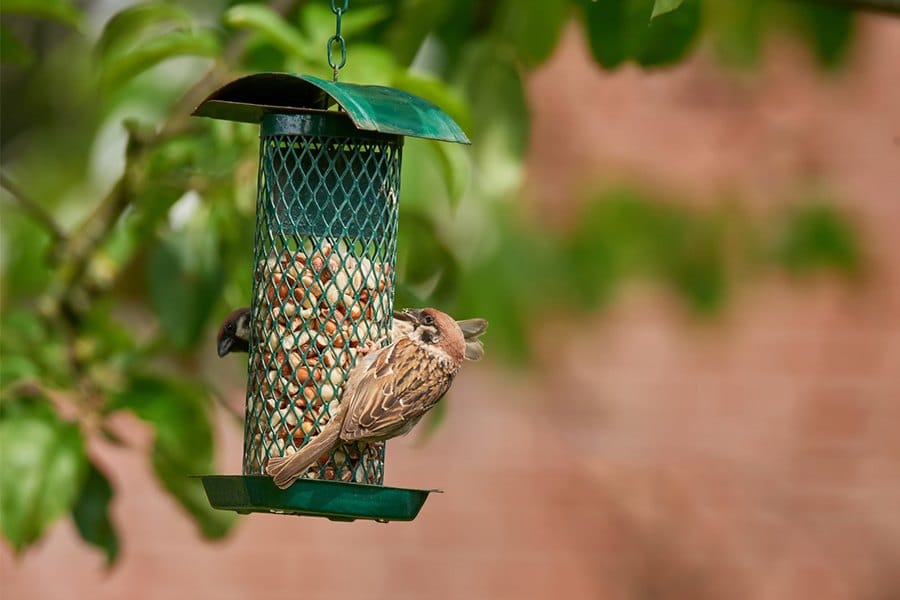
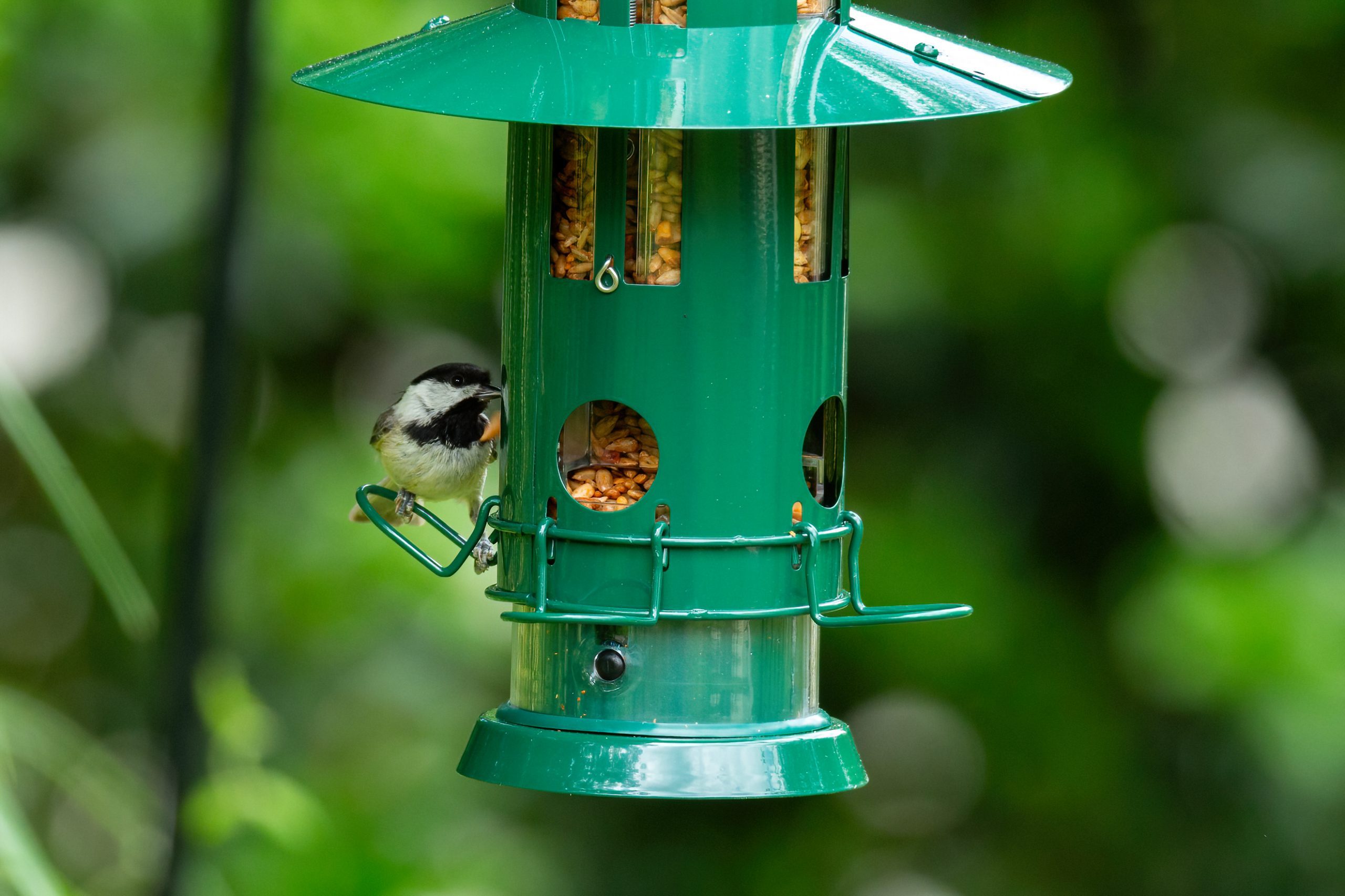
- Tube Feeders:Long, narrow feeders with small ports for seeds. Great for finches and chickadees.
- Hopper Feeders:Box-shaped and hold lots of seed. Attract larger birds like cardinals and grosbeaks.
- Platform Feeders:Flat surfaces that hold various food. Good for ground-feeding birds.
- Suction Cup Feeders:Attach to windows for close bird watching. Usually small and for seeds or nectar.
- Nectar Feeders:Designed for hummingbirds with red parts and small feeding ports.
Material Considerations
Materials affect feeder durability and ease of cleaning. Choose materials that last and resist mold.
| Material | Pros | Cons |
| Plastic | Lightweight, inexpensive, many designs | Can crack or fade, may hold bacteria if scratched |
| Metal | Durable, easy to clean, weather-resistant | Can rust if not coated, may heat in sun |
| Wood | Natural look, blends with garden | Absorbs moisture, harder to clean, may mold |
| Glass | Easy to clean, does not absorb odors | Fragile, heavier |
Placement Tips
Proper feeder placement keeps birds safe and encourages visits. Think about predators and weather.
- Place feeders 10 feet from windows to prevent collisions.
- Keep feeders 5 feet off the ground to avoid cats and squirrels.
- Choose shaded spots to keep seed fresh longer.
- Put feeders near trees or shrubs for cover and perching.
- Clean feeders often to stop mold and bacteria build-up.
Why Cleaning Matters
Bird feeders bring nature close to your home. Keeping them clean is very important. Dirty feeders can harm birds and make them stop visiting.
Regular cleaning helps protect birds and keeps feeders working well. It also saves money by making feeders last longer.
Preventing Disease
Birds can get sick from dirty feeders. Germs and mold grow on old food and droppings. Cleaning stops these risks and keeps birds healthy.
- Wash feeders every two weeks or after rain
- Use hot soapy water and rinse well
- Remove moldy or wet seed immediately
- Dry feeders before refilling
Maintaining Bird Attraction
Birds prefer clean feeding spots. Dirty feeders look uninviting and may scare birds away. Clean feeders keep birds coming back often.
| Condition | Bird Response |
| Clean feeder | Regular visits |
| Seed fresh and dry | More feeding time |
| Moldy or wet seed | Birds avoid feeder |
| Dirty feeder surface | Less interest |
Extending Feeder Life
Cleaning prevents damage to feeders. Dirt and moisture cause rust and cracks. Clean feeders last longer and save money.
- Wipe feeders regularly to remove dirt
- Check for cracks and fix them quickly
- Store feeders indoors during bad weather
- Use gentle cleaners to avoid surface damage
Essential Cleaning Supplies
Keeping bird feeders clean helps attract healthy birds to your yard. Using the right supplies makes cleaning easier and safer for both birds and people.
This guide covers the essential tools and solutions you need to clean feeders properly and protect yourself during the process.
Safe Cleaning Solutions
Use gentle, safe cleaners to avoid harming birds. Avoid harsh chemicals that can leave dangerous residues.
- Mild dish soap mixed with warm water
- White vinegar diluted in water (1 part vinegar to 9 parts water)
- Unscented bleach solution (1 part bleach to 9 parts water) for deep cleaning
- Rinse feeders thoroughly after cleaning to remove all solution traces
Tools And Brushes
Having the right tools helps you reach all parts of the feeder for a thorough clean.
| Tool | Use | Tip |
|---|---|---|
| Soft-bristle brush | Clean surfaces without scratching | Choose a brush with a long handle |
| Bottle brush | Reach inside tubes and narrow parts | Use different sizes for various feeders |
| Scraper or sponge | Remove stuck debris | Use gentle pressure to avoid damage |
Protective Gear
Wear protective gear to keep yourself safe from germs and cleaning chemicals.
- Rubber or latex gloves to protect your hands
- Old clothes or apron to avoid stains
- Face mask if using bleach or strong solutions
- Eye protection for splashes during rinsing

Credit: green-backyard.com
Step-by-step Cleaning Process
Keeping your bird feeders clean helps attract healthy birds. Dirty feeders can spread diseases and discourage birds.
Follow these steps to clean your feeders safely and effectively. Regular cleaning keeps birds coming back.
Disassembling The Feeder
Start by taking apart the feeder. Remove all removable parts like trays, lids, and perches. This helps clean every surface.
Check the instructions if you are unsure how to disassemble your feeder. Keep parts separated to avoid losing them.
Soaking And Scrubbing
Fill a bucket with warm water and mild soap. Soak all parts of the feeder for 10 to 15 minutes.
Use a soft brush or sponge to scrub away dirt, old seed, and mold. Pay close attention to small holes and corners.
- Use a bottle brush for narrow openings
- Scrub gently to avoid damage
- Replace water if it becomes dirty
Rinsing Thoroughly
Rinse every part of the feeder well with clean water. Make sure to remove all soap and debris.
Use running water or a hose for better rinsing. Soap residue can harm birds, so clean rinsing is important.
Drying Completely
Let all parts dry fully before reassembling. Use a clean towel or air dry in the sun.
Wet feeders can grow mold quickly. Drying stops bacteria and keeps birds safe.
Cleaning Frequency Tips
Keeping bird feeders clean helps attract healthy birds to your yard. Dirt and old food can cause disease. Regular cleaning keeps feeders safe and inviting.
How often you clean depends on several factors. This guide covers seasonal changes, busy periods, and weather effects on cleaning frequency.
Seasonal Considerations
Bird feeding habits change with seasons. You should adjust cleaning schedules accordingly to keep feeders safe and fresh.
- Spring:Clean feeders weekly to remove mold and bacteria from wet weather.
- Summer:Clean feeders twice a week due to heat speeding up seed spoilage.
- Fall:Clean every 10 days as bird activity slows and humidity drops.
- Winter:Clean every two weeks or monthly, depending on bird visits and weather.
High Traffic Periods
Some times of the year bring more birds to your feeders. Cleaning more often keeps seeds fresh and prevents clogs.
| Period | Cleaning Frequency | Reason |
| Migration Season | Every 3-4 days | High bird numbers increase waste and seed spoilage |
| Breeding Season | Weekly | Birds need clean food sources for their chicks |
| Holiday Feeding | Twice a week | More visitors mean faster seed use and dirt buildup |
Weather Impact
Weather affects how quickly feeders get dirty or moldy. Adjust cleaning to protect birds from illness.
Weather Tips for Cleaning:
- After heavy rain, clean feeders promptly to stop mold growth.
- During hot weather, clean feeders more often to prevent seed spoilage.
- In cold weather, check feeders for ice and clean to avoid clogs.
- Windy days may blow debris into feeders; inspect and clean as needed.

Credit: duncraft.com
Additional Maintenance Tips
Keeping bird feeders clean and in good shape helps attract more birds. Regular care prevents problems that scare birds away.
These tips help you maintain your feeders well and enjoy watching birds often.
Inspecting For Damage
Check your feeders regularly for cracks, broken parts, or rust. Damaged feeders can hurt birds or stop working right.
Replace or fix damaged parts quickly. This keeps feeders safe and inviting for birds.
Refilling Strategies
Fill your feeders before they get empty. Birds like steady food sources and may leave if feeders are empty too long.
Use fresh seed and avoid overfilling. Old or moldy seed can make birds sick.
- Refill small amounts often
- Store seed in a cool, dry place
- Clean feeders before adding new seed
Keeping Squirrels Away
Squirrels can eat all the birdseed and scare birds away. Use feeders with squirrel guards or baffles to block them.
Place feeders where squirrels cannot jump or climb easily. You can also try feeding squirrels separately to reduce their interest.
- Install squirrel-proof feeders
- Use baffles above or below feeders
- Put feeders away from trees and fences
Frequently Asked Questions
How Often Should I Clean Bird Feeders?
Clean bird feeders every two weeks to prevent mold and bacteria. During wet or humid weather, clean more frequently to keep birds healthy and attract more visitors.
What Materials Are Best For Cleaning Feeders?
Use warm water, mild soap, and a soft brush. Avoid harsh chemicals that can harm birds. Rinse thoroughly to remove all soap residues.
Why Is Cleaning Feeders Important For Birds?
Cleaning feeders prevents disease spread among birds. Dirty feeders can harbor mold, bacteria, and harmful fungi, which can make birds sick and reduce feeder visits.
Can I Use Bleach To Clean Bird Feeders?
Yes, use a 1:9 bleach-to-water solution for disinfecting. Soak feeders for 10 minutes, then rinse thoroughly and dry completely before refilling.
Conclusion
Keep your bird feeders clean to attract more birds. Simple steps make a big difference. Regular cleaning prevents mold and disease. Birds stay healthy and return often. Use basic supplies like soap and water. Ensure feeders dry completely before refilling.
This maintains a safe feeding spot. Happy birds bring joy and life to your garden. Enjoy watching them daily. A little effort keeps your feeders inviting. Your backyard becomes a vibrant bird haven. Cleaning ensures more birds visit and thrive.
Enjoy the beauty and sounds of nature. Keep those feeders clean and inviting!