
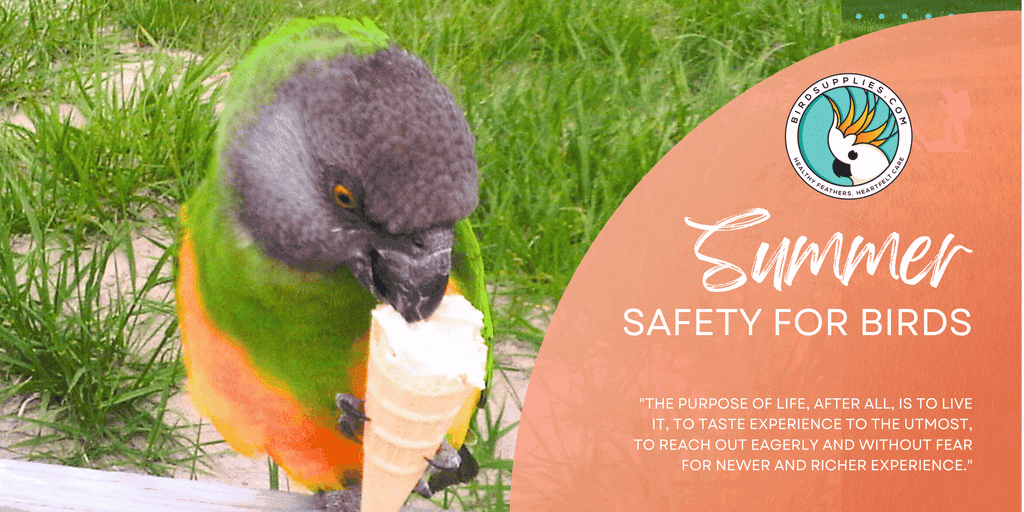
Your bird is panting, wings spread wide, and seems restless—signs it might be overheated. When your feathered friend gets too hot, it’s not just uncomfortable; it can be dangerous.
You want to help, but are unsure what steps to take right away. Knowing how to cool down an overheated bird quickly can save its life and keep it happy. You’ll discover simple, effective ways to bring your bird’s temperature back to normal.
Keep reading to learn how to protect your pet from heat stress before it becomes an emergency.

Credit: windowalert.com
Signs Of Overheating In Birds
Birds can get overheated if the temperature around them is too high. It is important to notice signs early to help them cool down. Birds cannot sweat like humans, so they show clear signs when they are too hot.
Recognizing these signs helps bird owners act quickly. Overheating can cause serious health problems or even death if ignored.
Behavioral Changes
Birds change how they act when they are too hot. These changes are often the first sign of overheating.
- Flapping wings more than usual to cool down
- Resting with wings drooped away from the body
- Seeking shade or cooler spots in their cage or environment
- Less active and quieter than normal
- Holding their beak open to breathe faster
Physical Symptoms
Physical symptoms show that the bird’s body is stressed by heat. Watch for these to know if your bird needs help.
| Symptom | Description |
| Flushed skin | Redness around the eyes or legs |
| Rapid breathing | Fast, heavy breaths with open beak |
| Weakness | Difficulty standing or flying |
| Shivering or shaking | Can happen if overheating leads to shock |
| Droopy feathers | Feathers look loose and not smooth |
Immediate Cooling Techniques
Birds can quickly overheat in hot weather. Cooling them down fast is very important.
This guide shows two easy ways to help your bird cool off right away.
Moving To A Cooler Environment
Take your bird to a cooler place as soon as you notice signs of overheating. A shaded room or a cool indoor space works best.
- Move the bird away from direct sunlight
- Choose a room with air conditioning or good ventilation
- Keep the area quiet to reduce stress
- Place the bird’s cage on a cool surface
Using Fans And Shade
Fans can help lower the bird’s temperature but use them carefully. Shade is also key to keep your bird safe from heat.
| Cooling Method | How to Use | Precautions |
| Fan | Place fan near the cage for airflow | Do not blow air directly on the bird |
| Shade | Use curtains or umbrellas to block sunlight | Ensure the area stays ventilated |
| Wet Cloth | Lightly dampen a cloth and place near the cage | Keep it cool but not wet on the bird |
Hydration Tips For Birds
Birds can get very hot and need water to cool down. Giving them the right drinks helps keep them healthy.
Good hydration is key to stop overheating. Make sure your bird always has water that is clean and easy to reach.
Fresh Water Access
Fresh water helps birds stay cool and hydrated. Change their water often to keep it clean and fresh.
Place water bowls where birds can find them easily. Use shallow dishes to prevent accidents and spills.
- Refill water at least twice a day
- Use clean bowls or bottles
- Keep water in shaded spots
- Check water temperature; cool is best
Electrolyte Solutions
Electrolytes help birds keep energy and balance fluids. You can add them to their water during hot days.
Use bird-safe electrolyte mixes. These help replace minerals lost when birds sweat or breathe hard from heat.
- Follow package directions for mixing
- Offer electrolytes only for short times
- Always provide fresh water alongside
- Watch birds for signs of improvement or stress
Credit: www.youtube.com
Safe Cooling Methods
Birds can get very hot, especially in warm weather. Cooling them down carefully helps keep them safe and healthy.
Use gentle and safe ways to cool your bird. Avoid sudden cold shocks that can harm them.
Wet Towels And Misting
Use a damp towel to cool your bird. Gently place it on their body without covering the head.
Misting your bird lightly with water helps lower their temperature. Use a spray bottle with fine mist.
- Use lukewarm water for wet towels and misting
- Apply towels on the chest and back
- Spray a light mist to avoid soaking feathers
- Repeat as needed but watch your bird’s comfort
Avoiding Ice And Cold Water
Do not use ice or very cold water on birds. It can cause shock or harm their health.
Cold water can make birds shiver and raise their body temperature. Always choose gentle cooling options.
- Never put ice cubes near or on the bird
- Do not pour cold water directly on feathers
- Use only room temperature or slightly cool water
- Focus on gradual cooling methods
Preventing Overheating
Birds can get very hot, especially in warm weather. It is important to keep them cool to avoid health problems.
Preventing overheating helps birds stay happy and healthy. Here are some simple ways to do this.
Proper Cage Placement
Place your bird’s cage away from direct sunlight. Too much sun can heat the cage quickly.
Choose a spot with good air flow but no strong drafts. This helps keep the air fresh and cool.
- Keep the cage in a shaded area
- Avoid placing near heaters or vents
- Use a fan for gentle air circulation if needed
Diet Adjustments
Offer fresh water often to keep your bird hydrated. Birds can get dehydrated quickly in heat.
Give fruits and vegetables with high water content. These help cool the bird from inside.
- Provide fresh water several times a day
- Add cucumbers, watermelon, or oranges to the diet
- Avoid feeding too many dry seeds during hot days
Regular Monitoring
Check your bird often for signs of heat stress. Early action can prevent serious problems.
Look for heavy breathing, fluffed feathers, or lethargy. These can mean the bird is too hot.
- Observe your bird several times a day
- Note any changes in behavior or breathing
- Move the bird to a cooler place if signs appear
When To Seek Veterinary Help
Birds can overheat quickly, and it’s important to know when to get help. Some signs mean you should call a vet right away.
Early action can save your bird’s life. Watch closely for serious symptoms and changes in behavior.
Severe Symptoms
If your bird shows any of these signs, seek veterinary care immediately. These symptoms mean the bird’s health is at serious risk.
- Continuous panting or open-mouth breathing
- Weakness or inability to stand
- Blue or pale skin and beak
- Seizures or tremors
- Loss of consciousness
- Refusal to eat or drink for hours
Long-term Care
After an overheating event, your bird may need ongoing care. Follow your vet’s advice closely to help your bird recover well.
| Care Aspect | Details |
| Temperature Control | Keep the bird in a cool, shaded area with good airflow. |
| Hydration | Provide fresh water often to prevent dehydration. |
| Diet | Feed easy-to-digest foods recommended by your vet. |
| Follow-up Visits | Schedule regular checkups to monitor recovery progress. |
| Behavior Monitoring | Watch for any new signs of distress or illness. |

Credit: naturechest.com
Frequently Asked Questions
How Can I Tell If My Bird Is Overheated?
Look for heavy panting, wings spread, and lethargy. Overheated birds may droop their feathers and appear restless. Early signs help prevent serious heat stress.
What Immediate Steps Cool Down An Overheated Bird?
Move the bird to a shaded, cool area. Offer fresh water and lightly mist its feathers. Avoid cold water baths, which may shock the bird.
Can Overheated Birds Recover Without Veterinary Care?
Mild overheating often improves with quick home care. Severe symptoms like collapse require immediate vet attention. Always monitor your bird closely after cooling.
What Environmental Changes Prevent Bird Overheating?
Provide shade, ventilation, and fresh water constantly. Use fans or air conditioning in hot climates. Avoid direct sunlight during peak heat hours.
Conclusion
Helping an overheated bird is crucial for its health. First, ensure it’s in a cool, shaded area. Offer fresh water. Mist its feathers gently. Observe its behavior closely. Look for signs of recovery. Quick action can prevent serious health issues.
Always consult a vet if unsure. Keep your feathered friend safe and comfortable. Birds thrive when cared for properly. Remember, a cool bird is a happy bird. Stay attentive to their needs. Small efforts make a big difference. Give your bird the best care possible.
Your love and attention mean everything.



