Are you tired of watching birds feast on your ripe, juicy fruit just before you get the chance? Protecting your fruit trees doesn’t have to be a struggle.
Covering them with bird netting is a simple, effective way to keep your harvest safe and ensure you get the full reward of your hard work. In this guide, you’ll discover easy steps to cover your fruit trees properly, saving you time, money, and frustration.
Keep reading to learn how to shield your fruit from hungry birds and enjoy a bountiful, untouched harvest every season.

Credit: www.amazon.ca
Choosing The Right Netting
Covering fruit trees with bird netting helps protect your harvest. Picking the right netting keeps birds away without harming your trees.
Consider material, mesh size, and durability before buying netting. These factors affect how well the net works and lasts.
Material Options
Netting comes in different materials. Choose one that is safe and easy to handle around fruit trees.
- Polyethylene: lightweight and flexible, common for bird netting
- Nylon: strong and durable but can be heavier
- Polypropylene: resistant to moisture and mold
- Natural fibers: less common, may degrade faster outdoors
Mesh Size Matters
Mesh size controls which animals can get through. Pick a size that blocks birds but lets air and light pass.
| Mesh Size (inches) | Best Use |
| 0.5 x 0.5 | Small birds like sparrows |
| 1 x 1 | Medium birds like starlings |
| 2 x 2 | Large birds like crows |
| Over 2 | Not good for bird protection |
Durability And Uv Resistance
Netting stays outside for months. It should resist sun damage and last through weather changes.
Check these durability features:
- UV resistance to prevent material breakdown
- Tensile strength to avoid tearing by wind or animals
- Water resistance to stop mold and rot
- Easy to clean and store after use
Preparing Your Fruit Trees
Covering fruit trees with bird netting helps protect fruit from birds. Proper preparation makes netting easier and more effective.
Before placing the netting, prepare your fruit trees carefully. This will help the netting fit well and keep your trees healthy.
Pruning For Better Coverage
Pruning your fruit trees helps the netting cover all parts of the tree. Remove extra branches that block the netting.
Cutting back dense branches creates space. This space allows the netting to fit tightly and cover the fruit well.
- Remove dead or weak branches
- Trim branches that grow too close together
- Keep the tree shape balanced for easy netting
Supporting Branches
Support heavy branches before covering with netting. This prevents branches from breaking under the netting weight.
Use stakes or ties to hold branches up. This keeps fruit safe and helps netting stay in place.
- Use soft ties to avoid branch damage
- Place stakes under heavy branches
- Check supports regularly during the season
Cleaning The Area
Clear the area around your fruit trees before netting. Remove fallen leaves, fruit, and weeds to reduce pests.
A clean area helps the netting stay clean and makes it easier to check your trees later.
- Rake up fallen leaves and fruit
- Pull out weeds near the tree base
- Clear any debris that could catch the netting
Installing Bird Netting
Bird netting protects fruit trees from birds eating the fruit. It keeps your harvest safe and reduces waste. Installing netting is simple with the right steps.
Follow these tips to measure, secure, and create access points on your bird netting.
Measuring And Cutting Netting
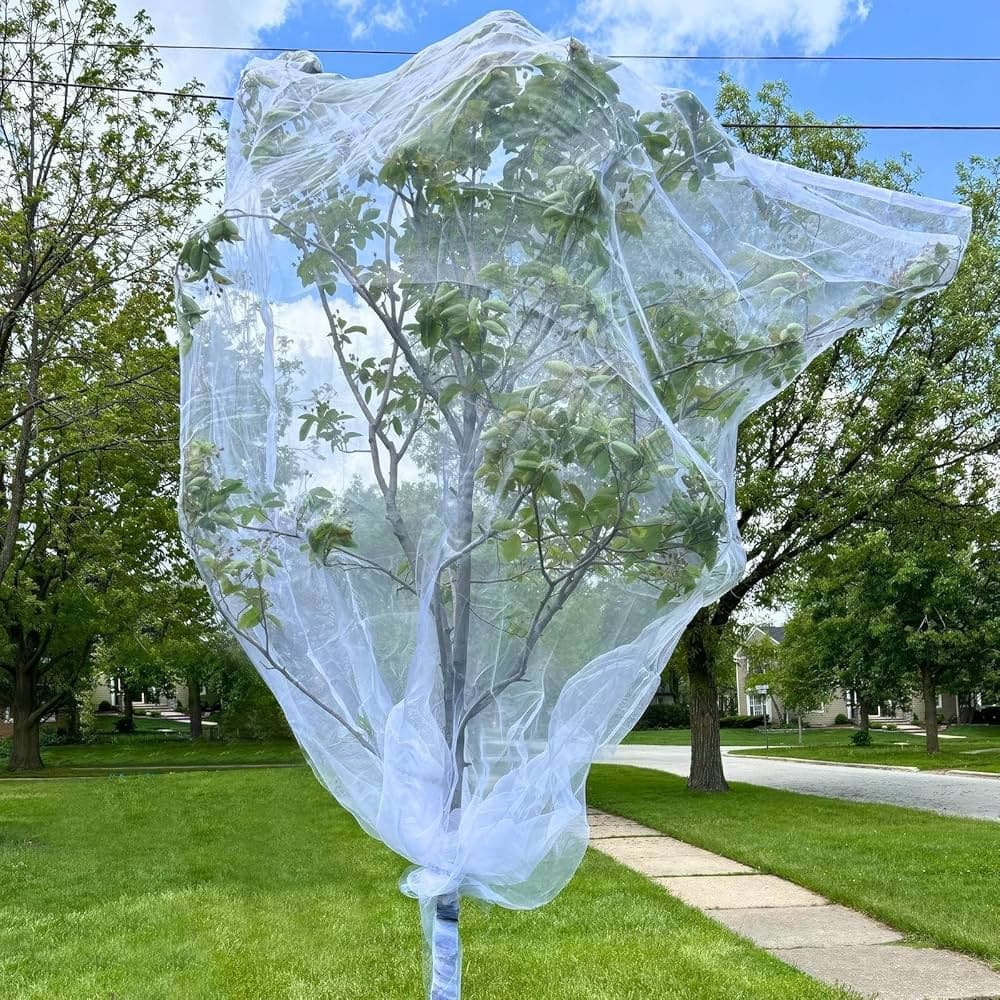
Measure the height and width of your tree carefully. Add extra length to cover the whole tree and reach the ground. This extra netting stops birds from sneaking underneath.
Cut the netting using sharp scissors or a utility knife. Make sure the edges are smooth to avoid damage or fraying.
Securing The Netting
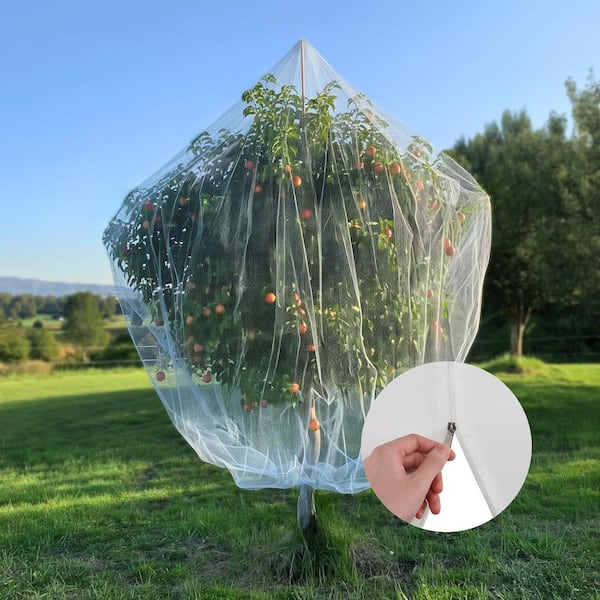
Place the netting over the tree gently. Pull it down to cover all branches and fruit. Secure the netting at the base to prevent birds from getting in.
- Use stakes or poles around the tree to hold the netting up
- Tie the netting to the stakes with string or garden ties
- Pin the netting to the ground using landscape staples or rocks
Creating Access Points
Make small openings in the netting to access your tree easily. Use ties or clips to keep these openings closed when not in use.
- Create flaps with overlapping netting sections
- Use Velcro strips or clips to open and close flaps
- Ensure access points are tight to stop birds from entering
Maintaining Netting Effectiveness
Covering fruit trees with bird netting protects your harvest. To keep netting effective, regular care is important.
Check the netting often for damage and adjust it to fit the tree as it grows. This helps stop birds from getting through.
Regular Inspections
Look over the bird netting every week. Check for holes, loose areas, or places where the net might be sagging.
Inspect after storms or strong winds because these can damage the netting. Early spotting of problems keeps the net strong.
Repairing Tears
Fix small tears right away to stop birds from entering. Use patch kits made for bird netting or strong thread to sew holes.
Replace large damaged sections if needed. Keeping the net tight and whole is key to protecting your fruit.
- Use plastic clips or ties to secure loose edges
- Cut away frayed parts before patching
- Match patch material to original netting
- Wear gloves to avoid injury while repairing
Seasonal Adjustments
Adjust netting with the seasons. Remove it after harvest to prevent damage from weather or animals in winter.
Put the netting back before fruit starts to grow in spring. Adjust the size as the tree grows bigger through the year.
- Store netting in a dry place during off-season
- Check for mold or mildew before reuse
- Trim or expand netting to fit tree size changes
- Secure edges firmly to the ground in windy seasons
Alternative Bird Deterrents
Covering fruit trees with bird netting is a common way to keep birds away. Some people look for other ways to protect their fruit trees. These alternative bird deterrents can help reduce bird damage without using netting.
Using different methods can make your garden safer and more bird-friendly. Here are some options to try alongside or instead of bird netting.
Visual Scare Devices
Visual scare devices trick birds into thinking there is danger nearby. They stop birds from landing on your fruit trees. These devices use movement and reflections to scare birds.
Some common visual scare devices include shiny objects and fake predators. You can place them around your fruit trees to protect your harvest.
- Reflective tape that moves in the wind
- Fake owls or hawks placed on branches
- Scare balloons with big eyes
- Shiny aluminum foil strips
Sound Repellents
Sound repellents use noise to keep birds away. Loud or sudden sounds make birds fly off. These devices can be electronic or manual.
Sound repellents work best when sounds are mixed and not repeated too often. Birds get used to sounds if they hear the same noise all the time.
- Ultrasonic bird repellers
- Wind chimes that create random sounds
- Devices that play predator calls
- Handheld noise makers like whistles
Natural Predators
Natural predators help control bird populations near your fruit trees. Encouraging these animals can keep birds away naturally. Predators include animals that eat birds or scare them off.
You can create a friendly environment for these predators by providing shelter and food. This helps them stay near your garden and protect your fruit.
- Owls and hawks that hunt smaller birds
- Cats that patrol the garden area
- Snakes that can scare birds from landing
- Encouraging birds of prey with nesting boxes

Credit: www.amazon.com
Credit: www.homedepot.com
Frequently Asked Questions
How Do I Choose The Right Bird Netting For Fruit Trees?
Select bird netting with small mesh size (1/2 inch or less) to keep out birds. Choose UV-resistant, lightweight, and durable material for long-lasting protection. Ensure the netting is large enough to cover the entire tree without gaps.
When Is The Best Time To Cover Fruit Trees With Netting?
Cover fruit trees with netting just before fruits start ripening. This timing prevents birds from damaging the fruit while allowing pollination. Remove netting after harvesting to avoid harming beneficial insects and maintain tree health.
How Do I Secure Bird Netting On Fruit Trees?
Anchor the netting firmly at the base using stakes, weights, or ties. Avoid gaps where birds can enter. Gently drape netting over branches without damaging them. Proper securing ensures effective bird protection and prevents netting from blowing away.
Can Bird Netting Harm Fruit Trees Or Wildlife?
Properly installed bird netting is safe for trees and wildlife. Avoid tight wrapping to prevent branch damage. Regularly check netting for trapped animals. Use wildlife-friendly netting to minimize harm to birds and beneficial insects.
Conclusion
Covering fruit trees with bird netting protects your precious harvest. It’s simple and effective. Choose the right netting size for your trees. Secure it properly to avoid gaps. Regularly check for damage or trapped birds. This helps keep your fruit safe.
It also ensures a bountiful harvest. Bird netting is a useful tool for gardeners. Enjoy more fruit and less worry. Happy gardening!