If you love your Bird of Paradise plant but notice its flowers fading too quickly, deadheading might be the simple trick you’re missing. Deadheading helps your plant stay healthy and encourages more beautiful blooms just for you to enjoy.
In this guide, you’ll learn exactly how to deadhead your Bird of Paradise flowers the right way, so your garden stays vibrant and full of life. Keep reading, and discover how a small step can make a big difference in your plant’s beauty.
Credit: www.gardeningknowhow.com
Benefits Of Deadheading
Deadheading means removing old flowers from plants. It helps the plant grow better and look nicer. This is important for Bird of Paradise flowers.
Taking care of your Bird of Paradise by deadheading can improve its health and make it bloom more. Let's explore the benefits.
Boosting Flower Production
Removing faded flowers helps the plant focus energy on new blooms. This leads to more flowers over time.
- Stops the plant from making seeds
- Redirects energy to growing new buds
- Encourages longer blooming periods
Improving Plant Health
Deadheading prevents diseases by removing dying flowers. It also stops pests from gathering on old blooms.
| Benefit | Effect on Plant |
| Removes decaying flowers | Reduces fungal growth |
| Prevents seed formation | Conserves plant resources |
| Limits pest attraction | Keeps plant healthier |
Enhancing Garden Appearance
Deadheading keeps your garden tidy. Old flowers can look messy and dull, but removing them brightens the whole area.
Tips for neat garden look:
- Regularly check for faded flowers
- Use clean tools to cut stems
- Dispose of removed flowers properly
When To Deadhead
Deadheading bird of paradise flowers helps the plant stay healthy. It also encourages new blooms to grow.
Knowing the right time to deadhead is key. Removing spent flowers at the right moment keeps the plant strong.
Identifying Spent Blooms
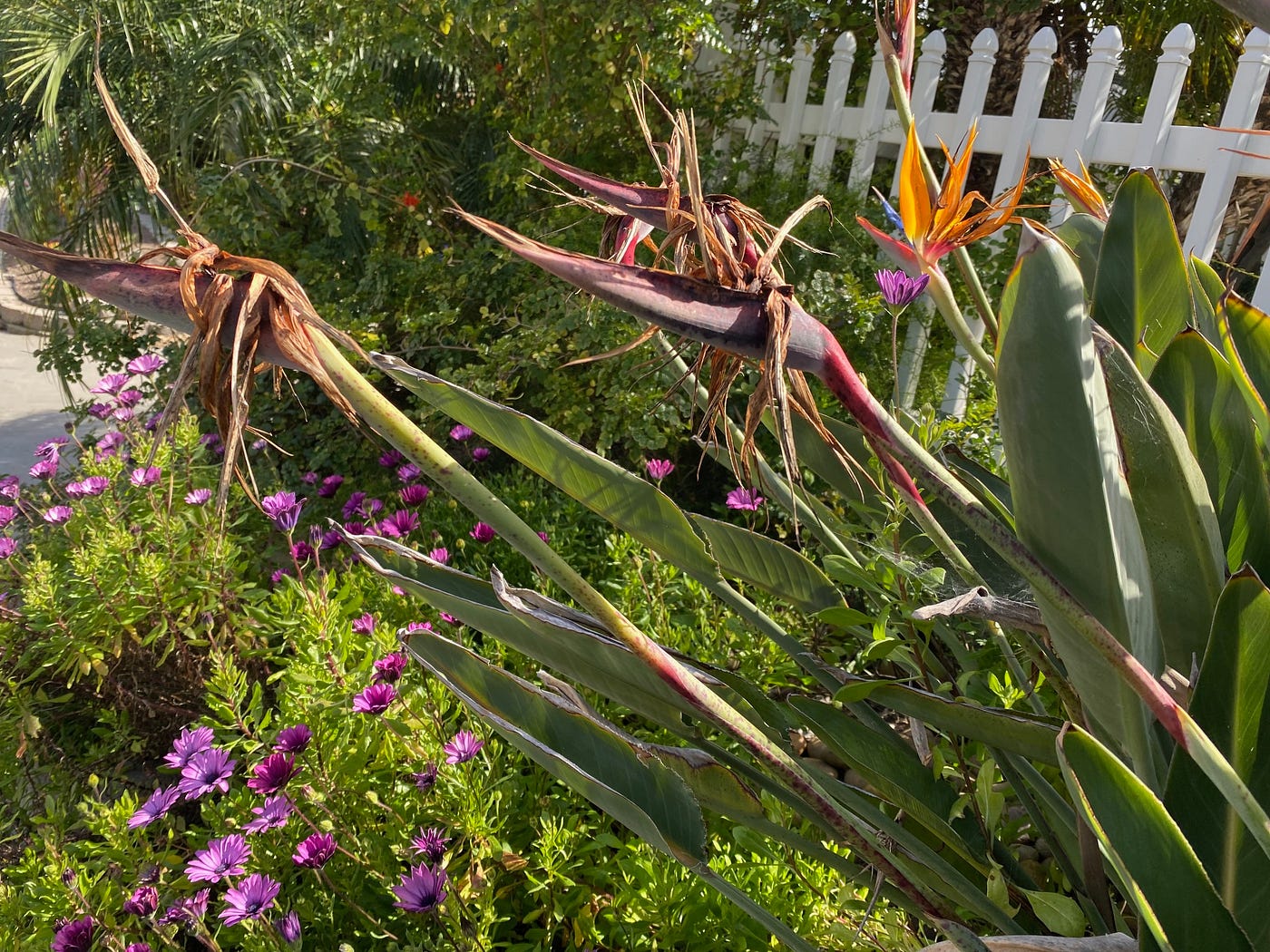
Spent blooms on bird of paradise flowers look dry and wilted. Their bright colors fade to dull shades.
Check for petals that are shriveled or falling off. The flower no longer looks fresh or vibrant.
- Petals turn brown or yellow
- Flower feels dry or brittle
- Petals start to drop from the stem
- Flower loses its bright orange or blue color
Seasonal Considerations
Bird of paradise plants bloom mostly in late winter through spring. Deadhead spent flowers during this time.
In summer and fall, flowers may not bloom as much. Check for dead flowers regularly to keep the plant tidy.
- Deadhead frequently during blooming season
- Reduce deadheading in dormant months
- Watch for natural leaf drop in fall
- Adjust care based on climate and weather
Tools Needed
Deadheading Bird of Paradise flowers keeps your plant healthy. Using the right tools makes the job easier. Clean tools prevent plant diseases.
Here are the essential tools you need for deadheading these tropical blooms.
Choosing The Right Pruners
Select pruners that can cut thick stems smoothly. Sharp blades make clean cuts to avoid damage. Bypass pruners are best for this task.
- Bypass pruners with sharp, curved blades
- Comfortable handles for a good grip
- Rust-resistant steel for durability
- Locking mechanism for safe storage
Sanitizing Your Tools
Sanitize your pruners before and after use. This stops the spread of bacteria and fungi. Use simple solutions to keep tools clean.
| Sanitizing Method | Instructions |
| Rubbing Alcohol | Wipe blades with 70% alcohol for 30 seconds |
| Bleach Solution | Dip in 1 part bleach to 9 parts water for 1 minute |
| Soap and Water | Wash with soap, rinse, and dry thoroughly |
Credit: medium.com
Step-by-step Deadheading
Deadheading Bird of Paradise flowers helps the plant stay healthy. Removing old flowers encourages new blooms.
This guide shows how to deadhead your Bird of Paradise correctly. Follow these simple steps for best results.
Locating Dead Flowers
Look for flowers that are brown, dry, or wilted. These are the ones you need to remove.
Check the base of each flower stem. Dead flowers often start to shrink and lose color.
Making Clean Cuts
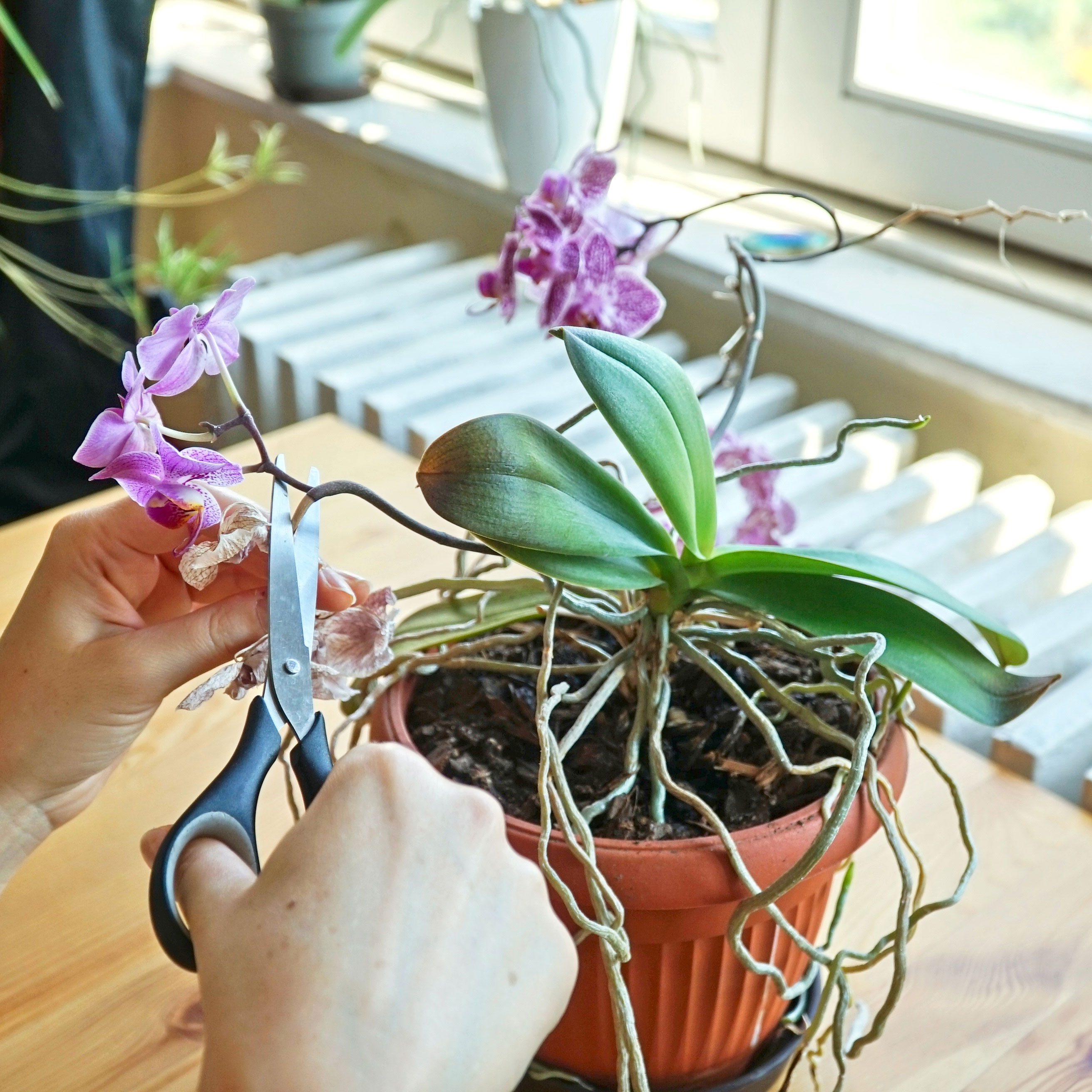
Use sharp garden scissors or pruners to cut dead flowers. Clean cuts help the plant heal faster.
Cut the flower stem close to the main stem but avoid damaging the green parts. This keeps the plant healthy.
- Hold the stem firmly
- Cut at a 45-degree angle
- Remove only dead or wilted flowers
Disposing Of Debris
Collect all cut flowers and leaves after deadheading. This prevents pests and diseases in your garden.
Dispose of debris in a compost bin or garden waste bag. Avoid leaving plant material on the soil surface.
Aftercare Tips
Deadheading Bird of Paradise flowers helps keep your plant healthy and blooming. Proper care after deadheading supports strong growth and vibrant flowers.
Follow these simple tips on watering, feeding, and pest monitoring to care for your Bird of Paradise after deadheading.
Watering And Feeding
Water the plant deeply but allow the soil to dry slightly between waterings. Overwatering can harm the roots and reduce flower production.
- Water once or twice a week, depending on weather and soil type.
- Use balanced fertilizer every 6 to 8 weeks during the growing season.
- Avoid fertilizing right after deadheading; wait a week to let the plant recover.
- Mulch around the base to keep moisture steady and reduce weeds.
Monitoring For Pests
Check your Bird of Paradise regularly for pests that can weaken the plant. Early detection helps control damage and keeps flowers healthy.
| Pest | Signs | Control Method |
| Spider Mites | Fine webbing, yellowing leaves | Spray with water and insecticidal soap |
| Aphids | Sticky residue, curled leaves | Use neem oil or remove by hand |
| Scale Insects | Brown bumps on stems | Apply horticultural oil |
Common Mistakes To Avoid
Deadheading Bird of Paradise flowers helps keep the plant healthy. Doing it the wrong way can hurt the plant. Avoid these common mistakes to get the best results.
Knowing when and how to cut the flowers is key. This guide covers two main errors to watch for.
Cutting Too Early Or Late
Cutting Bird of Paradise flowers at the wrong time can stop new blooms. Cutting too early removes buds that are not ready to open. Cutting too late leaves dead flowers that waste the plant’s energy.
- Cut flowers after they start to fade but before they turn brown.
- Wait until the petals dry slightly but are still firm.
- Look for signs like drooping petals or color change to know when to cut.
- Do not cut healthy, green buds; they will bloom soon.
Damaging Healthy Growth
Using the wrong tools or cutting in the wrong place can hurt your Bird of Paradise. This can slow down growth or cause infections. Be gentle and precise.
| Common Damage | Cause | How to Avoid |
|---|---|---|
| Crushed stems | Using dull or blunt scissors | Use sharp pruning shears |
| Cutting leaves by mistake | Rushing or poor visibility | Work carefully and check before cutting |
| Leaving long stubs | Cutting too far from the base of the flower | Cut close to the stem base without harming it |
| Infections | Dirty tools or open wounds | Clean tools before use and seal cuts if needed |
Credit: www.gardeningknowhow.com
Frequently Asked Questions
What Is Deadheading In Gardening?
Deadheading involves removing faded or dead flowers from plants. It encourages new blooms and maintains plant health. For Bird of Paradise, it prevents seed formation and promotes continued flowering. Regular deadheading can enhance the plant's overall appearance, making your garden look tidier and more vibrant.
How Often Should You Deadhead Bird Of Paradise?
Deadhead Bird of Paradise flowers whenever you notice them wilting or fading. Regularly check your plant, especially during blooming seasons. Prompt removal of spent flowers ensures continuous blooming and prevents energy wastage. This practice keeps your plant looking fresh and encourages more vibrant blooms.
Does Deadheading Improve Bird Of Paradise Growth?
Yes, deadheading improves Bird of Paradise growth by redirecting energy to new blooms. Removing spent flowers prevents seed formation and encourages healthier growth. This practice enhances plant vitality, resulting in more vibrant flowers and a tidier appearance. Consistent deadheading supports sustained blooming throughout the season.
Can I Deadhead Bird Of Paradise In Winter?
You can deadhead Bird of Paradise in winter if it's still blooming. However, growth slows during colder months. Focus on removing any faded blooms to maintain plant health. In winter, ensure protection from frost and cold to prevent damage. Adjust care routines based on seasonal changes.
Conclusion
Deadheading Bird of Paradise flowers keeps your plant healthy and blooming. Removing old flowers helps the plant focus on new growth. It also makes your garden look neat and fresh. Regular care brings more vibrant and long-lasting blooms. Simple steps can make a big difference in your plant’s life.
Enjoy the beauty of your Bird of Paradise with easy maintenance. Keep your gardening routine simple and rewarding. Your flowers will thank you with bright, colorful petals.