
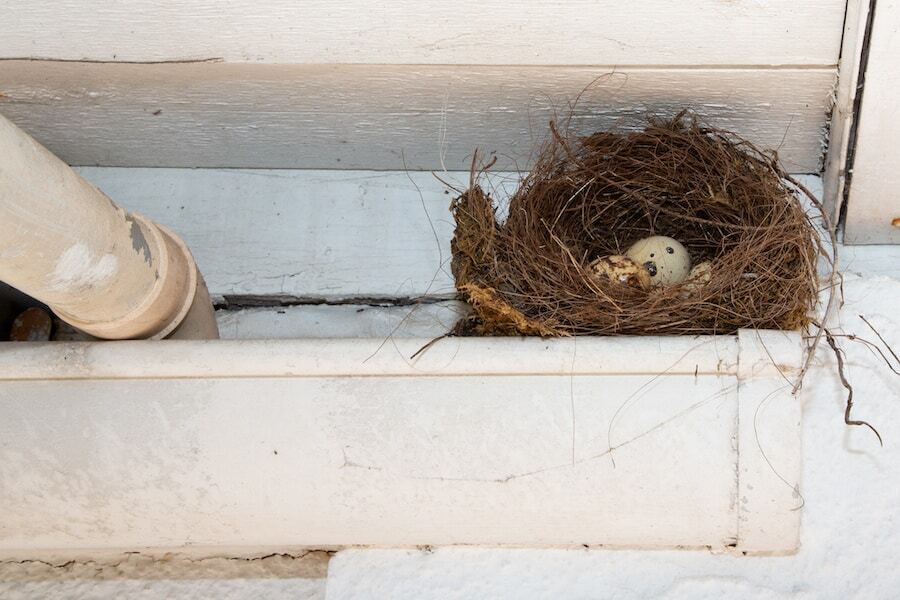
Have you ever wondered how to safely clean a bird nest without harming the birds or yourself? Whether you found a nest in your backyard or need to care for one indoors, knowing how to disinfect it properly is crucial.
You want to protect the birds from harmful germs and keep your environment clean at the same time. In this guide, you’ll discover simple, effective steps to disinfect a bird nest the right way. Keep reading to learn how to handle this delicate task with confidence and care.
Reasons To Disinfect Bird Nests
Bird nests can carry harmful germs and parasites. Disinfecting nests helps keep birds safe. It also protects people who handle nests or live nearby.
Cleaning nests supports healthy bird populations. It stops the spread of disease among birds and humans alike. Here are key reasons to disinfect bird nests.
Preventing Disease Spread
Bacteria, fungi, and parasites can live in bird nests. These germs cause sickness in birds and people. Disinfecting nests lowers the risk of illness.
- Removes harmful bacteria and viruses
- Stops parasites like mites and ticks
- Prevents fungal infections
- Reduces chances of bird flu and other diseases
Protecting Birds And Humans
Birds build nests to raise their young safely. Dirty nests harm baby birds and adults. Disinfecting nests keeps birds healthy and strong.
| Risk | Effect on Birds | Effect on Humans |
| Bacterial Infection | Weakens immune system | Skin and respiratory issues |
| Parasite Infestation | Causes stress and anemia | Allergic reactions and bites |
| Fungal Growth | Respiratory problems | Infections in sensitive people |
Maintaining Nest Hygiene
Clean nests help birds live in a safe place. Regular disinfection stops bad smells and decay. It also improves the nest’s structure.
Tips for nest hygiene:
- Remove old nesting material carefully
- Use safe disinfectants made for wildlife
- Dry nests fully before reuse
- Wear gloves when cleaning to avoid contamination
Tools And Materials Needed
Disinfecting a bird nest requires the right tools and materials. Using proper supplies helps keep the area clean and safe.
Gather everything before you start. This will make the cleaning process easier and faster.
Protective Gear
Wear protective gear to avoid contact with dirt and germs. It also protects you from bird droppings and debris.
- Gloves made of rubber or latex
- Face mask to prevent inhaling dust
- Safety goggles to protect eyes
- Long-sleeved shirt and pants
Cleaning Agents
Use mild cleaning agents that remove dirt without harming surfaces. Avoid harsh chemicals that can damage the nest area.
- Mild soap or detergent
- Water for rinsing
- Soft brush or cloth for scrubbing
Disinfection Supplies
Disinfection kills harmful germs and bacteria. Choose safe disinfectants that work well outdoors.
- Diluted bleach solution (1 part bleach to 9 parts water)
- Spray bottle to apply disinfectant
- Clean towels or paper towels
Choosing The Right Time For Cleaning
Cleaning a bird nest helps keep birds safe and healthy. Picking the right time is very important. Cleaning at the wrong time can harm the birds.
Knowing when to clean helps avoid disturbing the birds. It also makes the process safer for you and the birds.
Avoiding Breeding Seasons
Birds build nests mainly for laying eggs and raising chicks. Cleaning nests during breeding season can stop this process. It may cause birds to leave or harm their babies.
Breeding seasons change by bird type and location. Most birds breed in spring and early summer. It is best to clean nests outside these months.
- Spring and early summer are common breeding times
- Avoid cleaning nests from March to July in many areas
- Check local bird species for exact breeding months
- Clean nests in late summer or fall when birds leave
Checking Nest Occupancy
Before cleaning, check if the nest is empty. Look for signs like eggs, chicks, or adult birds. Do not clean if the nest is in use.
Wait until birds finish using the nest. This makes sure you do not harm any eggs or young birds. You can also clean old nests to prevent disease.
- Observe the nest quietly for a few days
- Look for bird activity or sounds
- Do not touch or move the nest if occupied
- Clean only when the nest is empty and birds have left
Credit: www.premiumnest.com.au
Safe Removal Of Nest Debris
Removing bird nest debris helps keep your home clean and safe. It also prevents diseases that birds can carry.
Be gentle when handling nests to avoid hurting birds or spreading germs. Follow careful steps to dispose of waste properly.
Handling With Care
Wear gloves and a mask before touching the nest. This protects you from germs and allergens.
Move slowly to avoid breaking the nest apart. Keep children and pets away during cleanup.
- Use disposable gloves
- Wear a dust mask
- Handle the nest gently
- Avoid direct skin contact
- Keep pets and children at a distance
Disposing Of Waste Properly
Place nest debris in a sealed plastic bag. This stops germs from spreading to other areas.
Throw the sealed bag into an outdoor trash bin. Clean and disinfect the area where the nest was found.
- Seal debris in plastic bags
- Dispose in outdoor trash containers
- Clean surfaces with disinfectant
- Wash your hands after disposal
Step-by-step Disinfection Process
Cleaning a bird nest helps keep birds safe and healthy. This guide shows how to disinfect a bird nest carefully.
Follow these simple steps to clean, disinfect, and dry the nest properly.
Initial Cleaning
Start by removing loose dirt, feathers, and debris from the nest. Use gloves to protect your hands from germs.
Gently shake the nest to get rid of dust. Avoid breaking the nest structure during cleaning.
Applying Disinfectants
Choose a mild disinfectant safe for birds. Dilute it with water according to the label instructions.
Spray or wipe the disinfectant on all parts of the nest. Let it sit for at least 10 minutes to kill germs.
- Use gloves to avoid skin irritation
- Do not soak the nest too much
- Use disinfectants like diluted bleach or vinegar
Drying And Ventilation
After disinfecting, place the nest in a dry, airy spot. Proper air flow helps the nest dry faster and prevents mold.
Keep the nest out of direct sunlight. Check that it is completely dry before use or storage.

Credit: www.youtube.com
Precautions To Protect Wildlife
Disinfecting a bird nest needs care to avoid harming animals. Protecting wildlife is important while cleaning.
Follow safe steps to keep birds safe and their homes clean without causing damage.
Minimizing Disturbance
Check if the nest is active before cleaning. Avoid touching nests with eggs or baby birds.
- Visit nests only when adults are away
- Do not remove nests during breeding season
- Keep noise and movement low near nests
- Use gloves to limit scent transfer
- Do not use strong chemicals that scare birds
Using Bird-safe Products
Choose gentle, natural disinfectants safe for birds and the environment. Avoid bleach and harsh chemicals.
| Product Type | Safe for Birds | Notes |
| Vinegar Solution | Yes | Use diluted with water |
| Soap and Water | Yes | Use mild, fragrance-free soap |
| Bleach | No | Can harm birds and environment |
| Commercial Disinfectants | Depends | Check label for bird safety |
Aftercare And Monitoring
After disinfecting a bird nest, it is important to care for the area properly. Monitoring helps keep birds safe and prevent new germs.
Regular checks ensure the nest stays clean and ready for birds to return. Keep a close eye on any changes or damage.
Regular Nest Inspections
Inspect the nest often to catch any problems early. Look for dirt, mold, or damage that needs fixing. Use gentle touch to avoid harming the nest.
- Check the nest surface for dirt or droppings
- Look for broken or loose parts
- Observe if the nest is dry and free from mold
- Note any signs of pests like mites or insects
- Ensure the nest is stable and secure
Signs Of Recontamination
Watch for signs that the nest may be dirty again. Early detection helps prevent harm to birds and stops illness from spreading.
| Sign | What to Look For | Action Needed |
| Dirt Build-up | Visible dust or droppings | Clean the nest gently |
| Mold Growth | Green or black spots | Disinfect the nest again |
| Insect Presence | Small bugs or mites | Use safe pest control methods |
| Wet or Damp Nest | Moist areas or water damage | Dry the nest and improve ventilation |
| Loose Nest Structure | Broken twigs or unstable base | Repair or rebuild the nest |

Credit: www.amazon.com
Frequently Asked Questions
How Do I Safely Disinfect A Bird Nest?
To safely disinfect a bird nest, use a mild bleach solution. Mix one part bleach with nine parts water. Apply gently with a spray bottle and let it air dry completely before reuse. Avoid harsh chemicals to protect birds and the environment.
When Is The Best Time To Disinfect A Bird Nest?
The best time to disinfect a bird nest is after breeding season. Ensure the nest is empty and abandoned. This prevents disturbing birds and reduces the risk of spreading diseases. Clean nests during late summer or early fall for safety.
What Disinfectants Are Safe For Bird Nests?
Safe disinfectants include diluted bleach, vinegar, and hydrogen peroxide. Use mild solutions to avoid harming birds or their environment. Avoid strong chemicals and pesticides. Always rinse the nest thoroughly and allow it to dry fully before reuse.
Can Disinfecting A Bird Nest Prevent Diseases?
Yes, disinfecting a bird nest can reduce harmful bacteria and parasites. It helps protect future bird occupants from diseases like salmonella and mites. Regular cleaning and disinfecting promote healthier nesting environments for birds.
Conclusion
Caring for bird nests keeps both birds and humans safe. A clean nest reduces disease and keeps baby birds healthy. Simple cleaning steps protect these little creatures. Use safe, bird-friendly products. Always handle nests with care. Protect yourself by wearing gloves.
Dispose of waste properly. Regular cleaning ensures a healthy environment for birds. Stay informed about the best practices. Respect wildlife and their natural habitats. Your efforts make a big difference. Enjoy watching birds thrive in a clean, safe space. Keep learning and sharing knowledge about bird care.



