Feeding wild birds naturally helps support their health and brings nature closer to your home. It also encourages birds to visit regularly, creating a lively backyard.
Wild birds need food sources that match their natural diets. Offering seeds, fruits, and nuts without chemicals keeps them safe and strong. Providing fresh water and shelter nearby helps birds thrive. Avoid processed foods or bread, which can harm their health.
Watching birds feed naturally teaches us about their habits and needs. Creating a natural feeding environment benefits local wildlife and enriches your outdoor space. Simple steps like choosing the right food and feeders make a big difference. Enjoy the beauty and sounds of happy, healthy birds all year round.
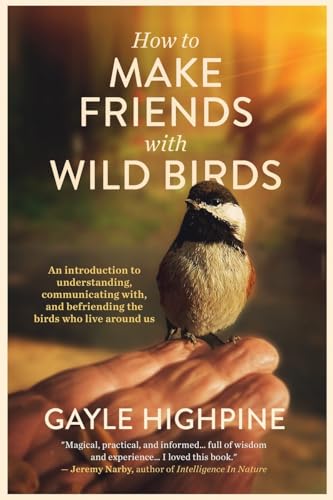
How To Make Friends With Wild Birds

How To Make Friends With Wild Birds is ideal for nature enthusiasts, bird watchers, and anyone interested in deepening their connection with the natural world. If you want to learn how to communicate effectively and build a bond with the birds around you, this book offers valuable insights and practical guidance. Whether you’re a beginner or have some experience with wildlife, this book helps you understand bird behavior and fosters a rewarding relationship with these fascinating creatures.
Pros:
- Comprehensive introduction to bird communication and behavior.
- Practical tips for attracting and befriending wild birds.
- Authored by Kinnikinnick Press, ensuring quality and reliability.
- Detailed content spread across 292 pages, offering in-depth knowledge.
- Compact and lightweight design with dimensions of 9.21 x 6.14 x 0.73 inches and weighing less than a pound, making it easy to carry outdoors.
Cons:
- May require patience and time to see results in bird interaction.
- Primarily focused on wild birds, less applicable for domesticated birds or pets.
This book provides a thorough understanding of how wild birds perceive their environment and how humans can engage with them without causing distress. It explains bird calls, body language, and feeding habits, enabling readers to recognize signs of friendliness or caution. By following the techniques described, users can create a safe and inviting atmosphere for birds to approach, leading to more frequent and meaningful interactions.
Beyond just communication, the book emphasizes the benefits of befriending wild birds, such as enhancing one’s appreciation for nature and contributing to local wildlife conservation efforts. The knowledge gained can enrich outdoor experiences, making walks in the park or garden time more enjoyable and educational. With its clear instructions and engaging content, this guide serves as a practical resource for anyone eager to connect with the avian world around them.
The Backyard Bird-lover’s Guide

The Backyard Bird-Lover’s Guide: Attracting, Nesting, Feeding is ideal for bird enthusiasts, gardeners, and anyone looking to create a welcoming outdoor space for local bird species. Whether you are a beginner or an experienced bird watcher, this guide offers practical advice to help you understand and support your feathered visitors.
Pros:
- Comprehensive coverage on attracting and feeding various bird species
- Detailed instructions on creating bird-friendly nesting environments
- Compact and easy-to-handle dimensions (10.1 x 7.05 x 0.41 inches) making it portable
- Authored by Storey Publishing, a trusted name in nature and gardening guides
- Contains 320 pages of well-organized, valuable information
Cons:
- Publication date (1996) may mean some information is slightly outdated
- Weight of approximately 1.75 pounds might be considered heavy for some readers
This guide offers an extensive look at how to attract birds to your backyard by providing the right types of food and water sources, enhancing your outdoor environment to support bird life. The feeding techniques explained help ensure that you offer nutritious options that cater to the dietary needs of different bird species, promoting their health and regular visits.
Additionally, the book covers nesting habits and how to create safe, inviting spaces for birds to raise their young. The practical advice on setting up birdhouses and understanding bird behavior benefits users by increasing their chances of successful birdwatching and contributing positively to local wildlife conservation efforts.
Stokes Beginner’s Guide To Bird Feeding

The Stokes Beginner’s Guide to Bird Feeding is ideal for individuals who are new to birdwatching and want a straightforward, comprehensive resource to start attracting and feeding birds in their backyard. Whether you’re a hobbyist, a nature enthusiast, or someone looking to enhance your outdoor space with vibrant bird activity, this guide offers valuable insights and practical tips to help you get started confidently.
Pros:
- Provides easy-to-understand instructions for beginners
- Includes detailed information on bird feeding techniques and types of food
- Compact and lightweight with 150 pages of useful content
- Published by a reputable brand, Little, Brown and Company
- Multicolor edition enhances user engagement and readability
Cons:
- Publication date (2002) means some information might be slightly outdated
- Limited to beginner level, may not satisfy advanced bird feeders
- Physical dimensions are small, which might not appeal to those preferring larger print
The guide’s 150 pages are packed with practical advice on selecting the right bird feeders and food types, helping users attract a variety of bird species to their outdoor spaces. Its compact size, measuring just over 7 inches in height and less than half an inch in width, makes it convenient to carry on outdoor excursions or keep handy for quick reference. The multicolor presentation enhances the visual appeal and helps readers easily distinguish between different sections and tips.
Produced by Little, Brown and Company, the book combines expert knowledge with beginner-friendly language, ensuring that users gain confidence in setting up their bird feeding stations. Although published in 2002, the fundamental principles of bird feeding remain relevant, making this guide a valuable starting point. Overall, it offers a blend of educational content and practical benefits that can enrich any nature lover’s experience.
Feeding Wild Birds In America
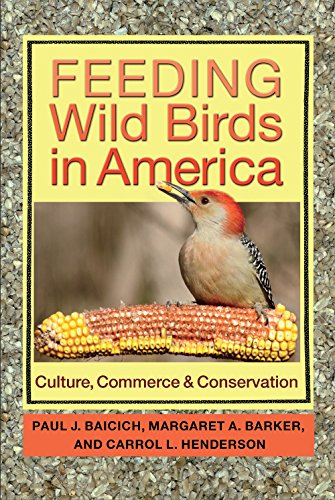
Ideal for bird enthusiasts, conservationists, and anyone interested in the intersection of culture, commerce, and wildlife preservation, Feeding Wild Birds in America: Culture, Commerce, and Conservation offers a comprehensive exploration of the topic. This book is perfect for readers looking to understand the impact of bird feeding on ecosystems and society.
Pros:
- Detailed exploration of the cultural significance of bird feeding in America
- Insightful analysis of the commercial aspects related to bird feeding products
- Includes an illustrated edition with engaging visuals
- Published by the reputable Texas A&M University Press
- Comprehensive with 320 pages of well-researched content
Cons:
- Relatively niche topic that may not appeal to casual readers
- Some sections may be dense with academic language
- Physical dimensions and weight may make it less portable
This book delves deeply into the historical and cultural context of feeding wild birds in America, offering readers a nuanced understanding of how this activity shapes both human and avian communities. The inclusion of illustrations enriches the learning experience, making complex ideas more accessible. Readers benefit from the thorough examination of how commerce influences bird feeding practices, providing a unique perspective rarely found in similar literature.
With its well-rounded approach, the book not only educates about the benefits and challenges of feeding wild birds but also highlights important conservation issues. The publication by Texas A&M University Press ensures a high standard of scholarship, making this work an essential resource for anyone passionate about wildlife and environmental stewardship.
National Wildlife Federation: Attracting Birds, Butterflies, And Other Backyard Wildlife

The National Wildlife Federation(R): Attracting Birds, Butterflies, and Other Backyard Wildlife, Expanded Second Edition is ideal for nature enthusiasts and homeowners who want to create a vibrant, wildlife-friendly garden. This book is perfect for those who are passionate about conservation and wish to bring more birds, butterflies, and other creatures into their backyard through engaging, hands-on projects. Whether you are a beginner or an experienced gardener, this guide provides clear, step-by-step instructions to help you contribute positively to your local ecosystem.
Pros:
- Includes 17 detailed projects with easy-to-follow instructions.
- Expanded second edition offers updated content and fresh ideas.
- Provides practical ways to support local wildlife and promote biodiversity.
- Compact size (9.8 inches by 7.0 inches) makes it easy to handle and reference.
- Published by reputable brands: Fox Chapel Publishing and Design Originals.
Cons:
- Limited to 176 pages, which may not cover every aspect in depth.
- Focuses primarily on backyard wildlife; may not suit those interested in larger-scale habitat restoration.
This book features step-by-step instructions for a variety of projects designed to attract and support birds, butterflies, and other wildlife. Each project is carefully crafted to be accessible, encouraging readers to actively participate in creating a sustainable and welcoming outdoor environment. The clear presentation helps users understand both the “how” and “why” behind each activity, enhancing the educational value and practical application.
By following the guidance in this expanded edition, readers benefit from learning how to design their outdoor spaces to be both beautiful and ecologically beneficial. The projects foster a deeper connection with nature and promote environmental stewardship, making it a valuable resource for anyone looking to make a positive impact on their backyard ecosystem. This book not only inspires creativity but also empowers users to contribute meaningfully to wildlife conservation.
Outwitting Squirrels

Ideal for avid bird enthusiasts and homeowners frustrated by persistent squirrels raiding their feeders, Outwitting Squirrels: 101 Cunning Stratagems to Reduce Dramatically the Egregious Misappropriation of Seed from Your Birdfeeder by Squirrels offers practical and creative solutions to protect your birdseed. If you want to enjoy peaceful birdwatching without the nuisance of squirrels stealing your feed, this guide is an essential resource.
Pros:
- Contains 101 clever strategies specifically designed to deter squirrels.
- Authored and published by Chicago Review Press, ensuring quality content.
- Compact size (8.5 inches height, 5.5 inches length) makes it easy to carry and reference outdoors.
- Comprehensive with 240 pages of detailed tips and techniques.
- Third edition with updated methods reflecting recent trends and research.
Cons:
- Focuses solely on squirrel deterrence, so it may not address other birdfeeder pests.
- Some strategies may require additional materials or effort to implement.
- Publication date from 2014, so a few methods might be less current compared to newer resources.
The book offers an extensive list of innovative and effective methods to prevent squirrels from raiding your birdfeeders, ranging from mechanical deterrents to behavioral techniques. Each strategy is explained clearly, enabling users to choose the solutions that best suit their environment and preferences. This ensures that bird lovers can maintain a squirrel-free feeding area while supporting local bird populations.
With its practical advice and thoughtfully researched content, the book empowers readers to take control over their backyard ecosystems. By dramatically reducing seed loss due to squirrels, users save money and enjoy uninterrupted birdwatching. The third edition reflects the author’s commitment to providing up-to-date, reliable strategies that balance effectiveness with humane treatment of wildlife.
Attracting Hummingbirds: How To Design Backyard Environments Using Feeders And Flowers

Ideal for garden enthusiasts and wildlife lovers seeking to create a vibrant and sustainable backyard, Attracting Hummingbirds: How to Design Backyard Environments Using Feeders and Flowers (Simple Sustainable Living) offers practical guidance on inviting these delightful birds into your outdoor space. This book is perfect for those wanting to enhance their garden’s ecosystem while enjoying the beauty and activity of hummingbirds.
Pros:
- Comprehensive advice on selecting and positioning feeders and flowers to attract hummingbirds effectively
- Encourages sustainable living practices by promoting natural gardening techniques
- Provides detailed information in a concise 194-page format, easy to follow and implement
- Compact and lightweight, making it a handy reference for gardeners of all levels
- Published by RMC Publishers, ensuring quality and reliability of content
Cons:
- Specific focus on hummingbirds may limit appeal for those interested in broader wildlife gardening
- Some readers might prefer more in-depth scientific explanations rather than practical tips
- Publication date from 2021 means some newer gardening trends might not be included
The book’s detailed guidance on designing backyard environments highlights the importance of choosing the right combination of feeders and native flowering plants to attract hummingbirds naturally. By understanding hummingbird behaviors and preferences, readers gain valuable insights that help foster a thriving habitat, contributing to the health of local ecosystems. The inclusion of sustainable gardening principles further benefits users by promoting eco-friendly practices that support biodiversity.
With clear explanations and practical tips, the book empowers readers to transform their outdoor spaces into hummingbird-friendly sanctuaries. Its manageable size and accessible language make it suitable for beginners and seasoned gardeners alike, ensuring that everyone can benefit from the joys of hummingbird watching while supporting environmental sustainability.
Morning Bird Pigeon Grit

The Morning Bird Pigeon Grit is ideal for bird owners who want to provide a nutritious and natural supplement that supports the overall health of their birds. Whether you have pigeons, doves, or other bird species, this product is designed for those seeking an easy-to-digest and mineral-rich food option to promote strong muscles and bones in their feathered companions.
Pros:
- Contains natural mineral supplements for optimal bird health
- Supports strong muscles and bones across all bird species
- Easy to digest, ensuring better nutrient absorption
- Comes in a convenient 1.5 lbs package for lasting use
- Produced by a trusted brand, Morning Bird Products
Cons:
- May not be suitable for birds with specific dietary restrictions
- Packaging size might be too small for very large bird populations
This Morning Bird Pigeon Grit is formulated to provide essential minerals that birds need to maintain healthy muscle function and bone density. Its unique composition ensures that it is easy to digest, making it an excellent choice for birds of all ages and species. The product’s dimensions and weight (7.0 inches height, 3.0 inches width, 5.0 inches length, and 1.5 pounds) make it easy to store and handle.
By incorporating this grit into their diet, bird owners can help improve their pets’ overall well-being. The natural mineral content supports metabolic processes, strengthens skeletal structure, and promotes vitality. Morning Bird Products has crafted this supplement with care, ensuring that your birds receive the best nutrition possible for a healthy and active life.
The Wildlife Gardener’s Guide To Hummingbirds And Songbirds From The Tropics

The Wildlife Gardener’s Guide to Hummingbirds and Songbirds from the Tropics is ideal for avid birdwatchers, gardeners, and nature enthusiasts who are passionate about attracting and supporting tropical hummingbirds and songbirds. This guide is perfect for those looking to enhance their outdoor spaces with vibrant birdlife and gain a deeper understanding of these fascinating species.
Pros:
- Comprehensive coverage of tropical hummingbirds and songbirds with detailed illustrations.
- Compact and lightweight design for easy handling and portability.
- Practical advice for creating bird-friendly gardens tailored to tropical species.
- Published by the reputable Collins Reference, ensuring quality and accuracy.
- Contains 128 pages of well-organized and accessible information.
Cons:
- Publication date (2003) means some information may be outdated with recent research.
- The guide’s focus on tropical species may limit usefulness for those interested in temperate birds.
- Limited width dimension could affect ease of use when referencing in the field.
Measuring 10.75 inches in height and weighing just over a pound, this guide balances portability with comprehensive content. Its detailed illustrations and descriptions help users easily identify various tropical hummingbirds and songbirds, fostering a greater appreciation and understanding of their behaviors and habitats. Gardeners can utilize the practical tips to design spaces that naturally attract these birds, enhancing biodiversity in their outdoor environments.
The guide’s focus on tropical species fills a niche for bird enthusiasts interested in exotic birdlife, providing specific insights not commonly found in general birdwatching books. With 128 pages of information, readers receive a thorough education on how to create and maintain a wildlife-friendly garden that supports the unique needs of these colorful and melodic visitors. Although published in 2003, the foundational knowledge remains valuable for anyone seeking to nurture tropical birds in their garden.
How To Build Birdhouses And Feeders – And How To Attract Birds To Your Garden

The book How to Build Birdhouses and Feeders – And How to Attract Birds to Your Garden is ideal for gardening enthusiasts, DIY hobbyists, and nature lovers who want to enhance their outdoor space by inviting a variety of birds. If you enjoy hands-on projects and are keen to learn practical techniques for building birdhouses and feeders, this guide is perfect for you. It also appeals to those who want to create a vibrant, bird-friendly garden environment to observe and support local wildlife.
Pros:
- Provides clear, step-by-step instructions for building different types of birdhouses and feeders.
- Includes valuable tips on attracting a wide range of bird species to your garden.
- Compact and easy-to-handle size, making it a convenient reference book.
- Comprehensive coverage with 150 pages of practical content.
- Published by a reputable brand, Read Books, ensuring quality and reliability.
Cons:
- Some designs may require basic woodworking skills and tools, which could be challenging for beginners.
- The book was published in 2010, so some materials or methods might be slightly outdated compared to newer resources.
- Limited color images or illustrations, which may affect visual learners.
This guide offers detailed plans for constructing a variety of birdhouses and feeders, emphasizing both functionality and attractiveness to birds. The dimensions of the book (Height: 8.5 inches, Width: 0.5 inches, Length: 5.5 inches) make it a handy resource that can be easily carried around while working on your projects. The instructions help users understand the specific needs of different bird species, enabling them to create suitable habitats that encourage birds to visit and stay.
Beyond construction, the book delves into strategies for attracting birds to your garden, discussing factors such as placement, food types, and environmental considerations. This holistic approach benefits users by not only providing the tools to build but also the knowledge to create a thriving bird-friendly ecosystem. Overall, this book serves as a valuable resource for anyone looking to combine creativity with nature conservation in their backyard.
Frequently Asked Questions
How Can I Attract Wild Birds To My Backyard Naturally?
To attract wild birds naturally, provide native plants, fresh water, and natural bird feeders. Avoid chemicals and offer varied seeds to meet different bird needs. Creating a safe, quiet environment encourages birds to visit and stay.
What Types Of Food Are Best For Feeding Wild Birds?
Best foods include sunflower seeds, nyjer, suet, fruits, and mealworms. Each bird species prefers specific foods, so offering variety attracts diverse birds. Avoid bread or processed foods as they harm birds’ health.
How Do I Prevent Squirrels From Stealing Birdseed?
Use squirrel-proof feeders, baffles, or weight-sensitive seed dispensers. Place feeders away from trees or structures squirrels can jump from. Regularly clean spilled seeds to reduce squirrel attraction.
What Are The Benefits Of Using Natural Bird Feeders?
Natural feeders mimic birds’ wild food sources and support their health. They attract more species and encourage natural behaviors. Using natural feeders helps maintain local ecosystems and biodiversity.
How Can I Safely Build Birdhouses And Feeders?
Use untreated wood and avoid toxic paints or chemicals. Ensure proper ventilation and drainage to keep nests dry. Position birdhouses in quiet, sheltered spots to protect from predators.
Why Is Providing Grit Important For Wild Birds?
Grit aids digestion by grinding food in birds’ gizzards. Offering pigeon grit or crushed shells supports strong muscles and bones. It’s especially important for seed-eating and ground-feeding species.
Conclusion
Feeding wild birds naturally is a rewarding way to connect with nature. It’s about understanding their needs and preferences. By choosing natural food sources, you help birds thrive in their environment. This approach benefits both the birds and your garden’s ecosystem.
Simple steps like providing native plants, fresh water, and safe shelters can make a big difference. Consider the bird species you want to attract. Different birds have different dietary needs. Books like “The Backyard Bird-Lover’s Guide” or “Stokes Beginner’s Guide to Bird Feeding” offer valuable insights.
Remember, patience is key. Birds may take time to visit your garden. But once they do, you’ll enjoy their beauty and song. Encourage your friends and family to join in this effort. Together, you can create a haven for birds in your backyard.
Happy birdwatching!