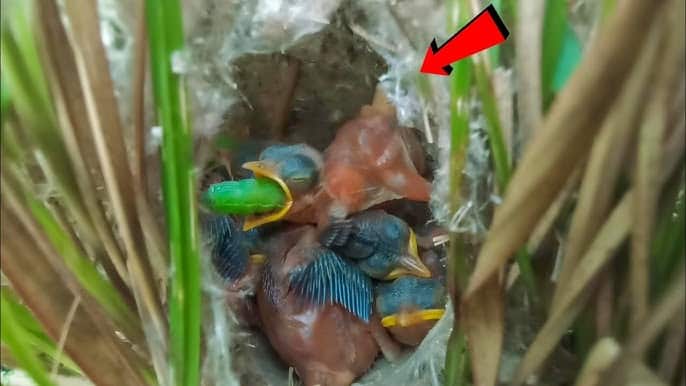
Feeding a baby bird can be a delicate and rewarding task. You might feel a mix of excitement and anxiety as you take on the role of caregiver.
Rest assured, you’re not alone. When it comes to feeding worms to a baby bird, there are a few crucial steps you need to know to ensure your feathered friend gets the right nutrition. Imagine the satisfaction of watching the tiny creature thrive under your care, all because you learned the correct way to provide for its needs.
This guide will walk you through every step, demystifying the process and giving you the confidence to nourish your little one safely and effectively. Stay with us to unlock the secrets of feeding worms to a baby bird, and soon you’ll be on your way to becoming a pro in avian care.

Credit: www.shutterstock.com
Choosing The Right Worms
Feeding baby birds the right worms is important for their health. Not all worms are safe or good to eat. This guide helps you pick the best worms for feeding.
Knowing which worms to choose keeps baby birds safe and strong. Let’s explore the types of safe worms and where to find them.
Types Of Safe Worms
Some worms are safe and healthy for baby birds. Earthworms are the best choice because they are soft and full of nutrients. Nightcrawlers are also good. Avoid worms that have a hard shell or a bad smell.
- Earthworms: soft and nutritious
- Nightcrawlers: large and easy to digest
- Red wigglers: good for small birds
Where To Find Worms
You can find worms in moist soil, especially after rain. Look under leaves, logs, or garden compost. Worms are easier to find in rich, dark soil. Avoid places with chemical sprays or pollution.
| Location | Why It’s Good |
| Garden soil | Natural and clean environment |
| Compost pile | Rich in organic matter |
| Under logs | Moist and safe habitat |
Avoiding Harmful Worms
Some worms can harm baby birds. Avoid worms found near chemicals or polluted water. Do not feed worms that are very small or have a strong smell. These might carry germs or toxins.
- Never pick worms from treated lawns
- Do not use worms from polluted areas
- Avoid worms with an unusual color or smell
- Wash worms gently before feeding
Preparing Worms For Feeding
Feeding worms to a baby bird needs care and attention. Proper preparation ensures the bird eats safely.
Clean and prepare the worms before feeding. This helps keep the baby bird healthy.
Cleaning The Worms
Worms may carry dirt and bacteria. Rinse them gently in clean water to remove any soil.
Use cool water and rinse worms a few times. Avoid using soap or chemicals.
Cutting Worms To Size
Baby birds have small mouths. Cut worms into small, bite-sized pieces.
Use clean scissors to cut worms. Smaller pieces help the bird swallow easily.
- Cut worms into 1-2 cm pieces
- Check the size fits the bird’s mouth
- Remove any hard or tough parts
Keeping Worms Fresh
Fresh worms are best for baby birds. Store them in a cool, damp place before feeding.
Use a container with moist soil or paper towels. Keep worms away from direct sunlight.
- Keep worms cool but not cold
- Change the damp paper or soil daily
- Feed worms to the bird within 24 hours
Feeding Techniques
Feeding a baby bird worms requires care and patience. You must follow safe techniques to keep the bird healthy.
Using the right methods helps the baby bird eat comfortably and grow strong. Learn the best ways to feed worms safely.
Hand-feeding Tips
Wash your hands before feeding to avoid germs. Hold the baby bird gently but firmly. Use slow, calm movements to avoid frightening it.
- Warm the worms slightly before feeding
- Cut worms into small pieces for easy swallowing
- Offer worms directly into the bird’s mouth carefully
- Watch the bird’s response to avoid choking
- Keep feeding sessions short and quiet
Using Feeding Tools
Feeding tools help deliver worms safely. Use clean and soft tools to avoid hurting the baby bird.
| Tool | Purpose | Care Tips |
| Small Tweezers | Pick up worms easily | Clean after each use |
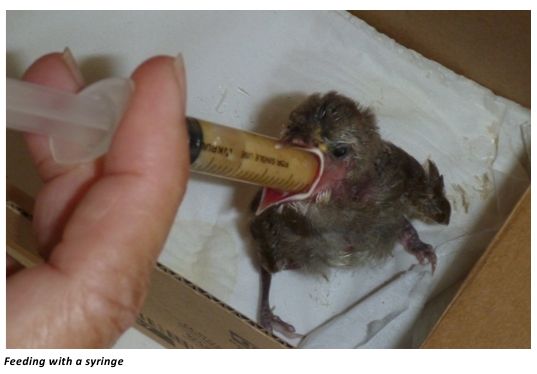
| Feeding Syringe | Feed worm puree or chopped worms | Use gentle pressure |
| Soft Paintbrush | Guide worms into the mouth | Replace if bristles wear out |
Timing And Frequency
Baby birds need frequent feeding as they grow fast. Pay attention to their hunger signals and avoid overfeeding.
- Feed every 20 to 30 minutes during daylight
- Reduce feeding frequency as the bird grows
- Stop feeding at night to let the bird rest
- Keep a feeding log to track times and amounts
Monitoring Baby Bird’s Health
Feeding worms to a baby bird requires careful attention to its health. Watching the bird closely helps ensure it grows strong and healthy.
Knowing the signs of hunger, avoiding feeding too much, and tracking growth are key to good care.
Recognizing Hunger Signs
Baby birds show clear signs when they are hungry. They open their mouths wide and make soft calls. Their necks stretch out to get food.
- Open mouth wide and begging
- Soft chirping sounds
- Moving head toward food
- Beak tapping on your finger or container
Avoiding Overfeeding
Giving too much food can harm a baby bird. It may cause choking or upset its stomach. Feed only as much as the bird wants.
| Signs of Overfeeding | What to Do |
| Bird refuses food suddenly | Stop feeding and wait |
| Swollen crop area | Give time to digest |
| Vomiting or regurgitating food | Reduce feeding frequency |
| Excessive lethargy | Contact a vet if needed |
Tracking Growth And Development
Keep track of the baby bird’s weight and size as it grows. Healthy growth shows the bird is getting enough food and care.
- Weigh the bird daily at the same time
- Note changes in feather development
- Watch for alertness and activity levels
- Record feeding times and amounts
Safety And Hygiene Tips
Feeding worms to a baby bird requires care to keep the bird safe and healthy.
Cleaning and handling properly helps prevent sickness and infections.
Sanitizing Feeding Equipment
Always clean feeding tools before and after use to stop germs from spreading.
- Wash containers and tweezers with hot, soapy water.
- Rinse well to remove soap residue.
- Use a mild disinfectant safe for animals.
- Let equipment dry completely before feeding.
Handling Worms Safely
Handle worms gently and keep them fresh to protect the baby bird.
| Handling Tip | Reason |
| Use clean hands or gloves | Prevents germs from hands to worms |
| Keep worms cool | Slows bacteria growth |
| Do not use dead worms | Dead worms can cause illness |
| Feed worms quickly after picking | Ensures freshness and nutrition |
Preventing Illness
Follow these tips to help the baby bird stay healthy and avoid sickness.
- Wash hands before and after feeding.
- Do not overfeed the baby bird.
- Watch for signs of illness like lethargy or loose droppings.
- Keep the feeding area clean and dry.

Credit: www.youtube.com
When To Consult A Wildlife Expert
Feeding worms to a baby bird needs care and attention. Sometimes, the bird may need more help than you can give.
Knowing when to ask a wildlife expert can protect the bird’s health and safety. Experts have the right tools and knowledge.
Signs Of Distress
Baby birds may show signs when they are not well. Watch for these signals to know if the bird needs help.
- Weak or no movement
- Labored or fast breathing
- Visible injuries or bleeding
- Constant crying or silence
- Feathers missing or dirty
- Refusal to eat or drink
Seeking Professional Help
Contact a wildlife expert if the baby bird shows distress signs. They can give the bird proper care and treatment.
- Call a local wildlife rehabilitation center.
- Describe the bird’s condition clearly.
- Follow expert instructions carefully.
- Transport the bird safely if asked.
Legal Considerations
Laws protect wild birds and their habitats. Handling or feeding them without permission may be illegal.
| Legal Aspect | What It Means |
| Permits | Experts often need permits to care for wild birds. |
| Handling Restrictions | Only licensed people can keep or feed wild birds. |
| Release Rules | Experts decide when and where to release birds back to nature. |
Credit: besgroup.org
Frequently Asked Questions
What Types Of Worms Are Safe For Baby Birds?
Mealworms and earthworms are generally safe for baby birds. Avoid wild-caught worms that may carry parasites. Always ensure worms are fresh, clean, and pesticide-free before feeding.
How Often Should I Feed Worms To A Baby Bird?
Feed baby birds worms 2 to 3 times daily. Monitor their hunger cues and adjust accordingly. Overfeeding can cause digestive issues, so balance with other foods.
Can Baby Birds Eat Live Worms Or Should They Be Dead?
Baby birds can eat live or gently wriggling worms. Live worms stimulate natural hunting instincts and encourage feeding. If feeding dead worms, ensure they are soft and easy to swallow.
How Do I Prepare Worms For Baby Bird Feeding?
Rinse worms thoroughly in clean water to remove dirt. Cut large worms into small pieces for easy swallowing. Avoid seasoning or adding anything harmful.
Conclusion
Feeding worms to a baby bird needs care and patience. Always choose fresh, small worms that are safe to eat. Hold the worm gently and offer it slowly to avoid choking. Keep the bird calm and comfortable during feeding times.
Watch the bird’s reaction to know if it is eating well. Regular feeding helps the bird grow strong and healthy. Feeding baby birds can be a rewarding experience. Remember, gentle hands and kindness matter most. Keep learning and enjoy helping these little creatures thrive.