How to Give a Bird Vitamin A: The Ultimate Owner’s Guide
Are you worried about your bird’s health and wondering if it’s getting enough Vitamin A? You’re not alone. Many bird owners face this concern, and ensuring your feathered friend gets the right nutrients is crucial. Vitamin A is essential for maintaining your bird’s vision, immune system, and overall well-being. But how do you make sure your bird gets the right amount without overwhelming them?
In this guide, we’ll walk you through simple steps to ensure your bird receives the Vitamin A it needs. Learning How to Give a Bird Vitamin A correctly can make a big difference in your bird’s life and bring peace of mind to you as a caring owner.

Credit: alexsbirdkingdom.com
Importance Of Vitamin A For Birds
Vitamin A is vital for birds to stay healthy. It helps keep their skin, eyes, and feathers in good shape.
Without enough vitamin A, birds can get sick and lose their bright colors. It also supports their immune system.
Role Of Vitamin A In Bird Health
Vitamin A helps birds grow properly. It keeps their vision sharp and protects against infections. This vitamin also supports the lining of the respiratory and digestive tracts, making it easier for birds to breathe and digest food. Understanding the signs of vitamin A deficiency in birds is the first step in preventing these issues.
Signs Of Vitamin A Deficiency In Birds
- Swollen eyes or eyelids
- Loss of appetite
- Weakness and lethargy
- Dry or flaky skin
- Poor feather quality
Recognizing these symptoms early helps prevent serious health problems. If you notice these, you must research How to Give a Bird Vitamin A to reverse the damage.
Sources Of Vitamin A For Birds
Understanding the nutritional value of different foods is the first step in knowing How to Give a Bird Vitamin A through a natural diet. Using vitamin A bird foods is generally safer than synthetic options.
| Food Source | Vitamin A Content |
| Carrots | High |
| Sweet Potatoes | High |
| Spinach | Moderate |
| Red Peppers | Moderate |
| Egg Yolks | Good |
How To Safely Give Vitamin A To Birds
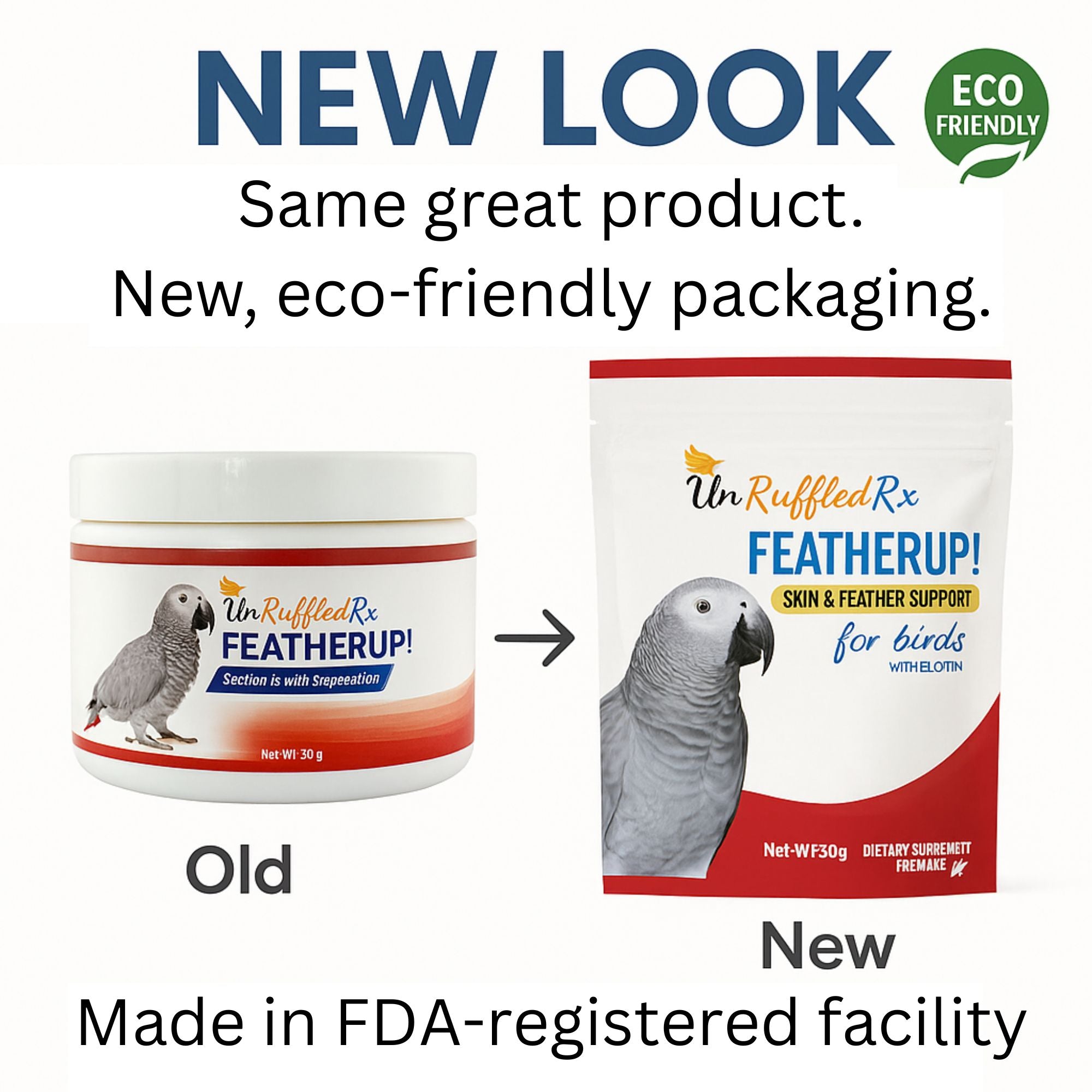
To add vitamin A, offer fresh veggies daily. Avoid over-supplementing with vitamins. Always consult a vet for proper dosage and advice on bird health vitamins.
Credit: birdsupplies.com
Signs Of Vitamin A Deficiency
Vitamin A is important for a bird’s health. It helps their eyes, skin, and immune system work well. Birds need enough vitamin A in their diet to stay healthy.
If a bird does not get enough vitamin A, it can show signs of illness. Spotting these signs early helps you give the right care and vitamin supplements.
Poor Feather Quality
One sign of bird vitamin A deficiency is bad feather quality. Feathers may look dull, dry, or brittle. Birds might lose feathers more often than normal. Healthy feathers are smooth and shiny. Watch your bird’s feathers closely to catch problems early.
Eye Problems
Vitamin A helps keep a bird’s eyes healthy. Deficiency can cause watery or swollen eyes. Birds may blink a lot or keep their eyes closed. In severe cases, vitamin A lack can lead to eye infections or blindness. Check your bird’s eyes daily for any changes. To master How to Give a Bird Vitamin A, you must observe these physical symptoms as indicators of their internal health.
Respiratory Issues
Birds with low vitamin A may have trouble breathing. They can sneeze or cough often. Their nostrils might have discharge or crusts.
Vitamin A helps keep the respiratory tract healthy. Watch for breathing problems and seek advice if you see signs.
Swollen Or Red Skin Areas
Vitamin A deficiency can cause swelling or redness on a bird’s skin. This often appears around the eyes, beak, or vent area.
These signs show the bird’s skin is not healing well. Skin problems may lead to infections if left untreated.
Poor Appetite And Weight Loss
Birds lacking vitamin A may eat less. They can lose weight and seem weak or tired. This is a serious sign of deficiency.
Watch your bird’s eating habits closely. Early action can help prevent more health problems.
Safe Vitamin A Sources
Vitamin A is important for birds to stay healthy. It helps their eyes, skin, and immune system.
Giving birds the right amount of vitamin A is very important. Too much can be harmful.
Fruits And Vegetables
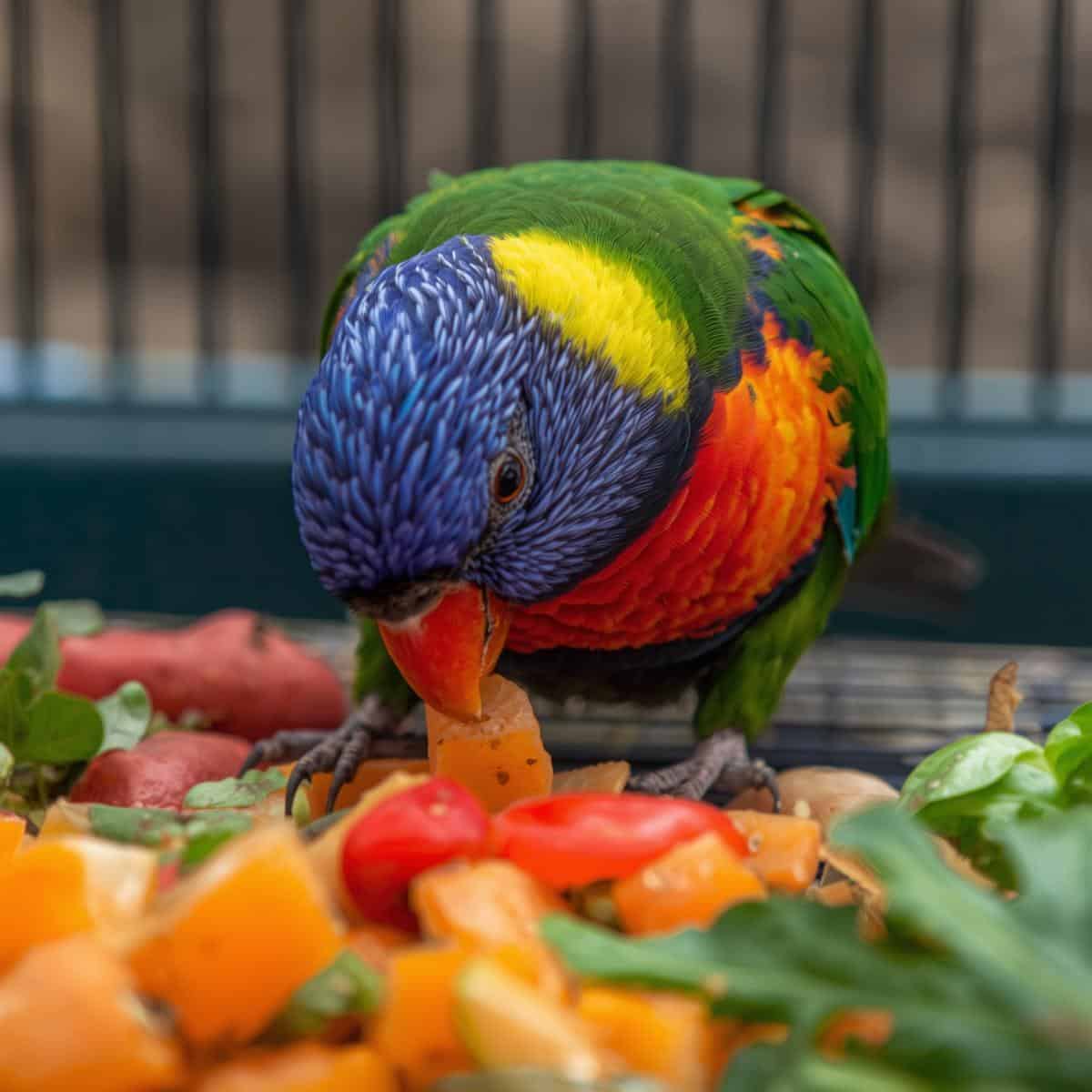
Many fruits and vegetables are excellent vitamin A bird foods. Carrots, sweet potatoes, and pumpkin are rich in vitamin A. Leafy greens like spinach and kale also help.
-
Carrots and Pumpkin.
-
Sweet potatoes.
-
Spinach and Kale.
-
Red bell peppers.
-
Mango and Cantaloupe.
Supplements And Fortified Foods
Bird supplements can provide vitamin A if your bird needs more. Use only those made for birds. Many bird foods are fortified with vitamin A. Check the label to see if vitamin A is added to their pellets.
-
Bird-specific vitamin A supplements.
-
Fortified pellet diets.
-
Vitamin drops for drinking water.
-
Powdered vitamin mixes.
Proper Dosage And Frequency
Giving your bird the right amount of vitamin A is important for its health. Too much or too little can cause problems. When researching How to Give a Bird Vitamin A, always tailor the approach to your specific pet.
Understanding Your Bird’s Needs
Different bird species need different amounts of vitamin A. Age, size, and health affect the dosage.
Consult a vet to know the exact needs of your bird before giving supplements.
Recommended Dosage
- Small birds like finches usually need 1000 to 2000 IU per kg of food daily.
- Medium birds like parrots need 2000 to 4000 IU per kg daily.
- Large birds may require 4000 to 6000 IU per kg daily.
Always use a vitamin A supplement made for birds. Follow the label instructions closely.
Frequency Of Giving Vitamin A
Vitamin A is fat-soluble, so it can build up in the body. Avoid daily dosing unless your vet advises it.
| Frequency | When to Use | Notes |
| Daily | Birds with deficiency | Short-term only |
| Every other day | General supplementation | Safe for most healthy birds |
| Weekly | Maintenance dose | Best to avoid overdose |
Signs Of Overdose And Deficiency
Overdose Signs:Loss of appetite, weight loss, skin issues.
Deficiency Signs:Poor feather quality, weak immune system, eye problems.
Methods To Administer Vitamin A
Giving vitamin A to your bird helps keep it healthy. Birds need this vitamin for good vision and strong feathers. You can give vitamin A in different ways.
This guide explains two simple methods to give vitamin A to your bird safely and easily.
Mixing With Food
You can mix vitamin A supplements with your bird’s regular food. This method is gentle and often accepted by the bird.
- Crush vitamin A tablets into a fine powder.
- Sprinkle the powder over seeds, pellets, or fruits.
- Mix well to spread the vitamin evenly.
- Offer fresh food daily to keep the vitamin effective.
- Observe if your bird eats all the treated food.
Direct Oral Administration
This method uses a dropper or syringe to give vitamin A liquid directly into your bird’s mouth. It works well if your bird does not eat vitamin supplements in food.
| Step | Instruction |
| 1 | Use a clean dropper or syringe without a needle. |
| 2 | Draw the correct dose of vitamin A liquid. |
| 3 | Hold your bird gently but firmly. |
| 4 | Place the dropper near the side of the beak. |
| 5 | Slowly release the liquid allowing the bird to swallow. |
| 6 | Give positive attention after to keep your bird calm. |
Common Mistakes To Avoid
Giving your bird vitamin A is important for its health. But many bird owners make mistakes that can harm their pet.
Knowing what to avoid helps keep your bird safe and strong. Here are common mistakes to watch out for.
Overdosing On Vitamin A
Too much vitamin A can cause serious health problems. Birds only need a small amount each day.
Giving extra vitamins or supplements without advice can lead to overdosing. Always check the correct dose.
Using Human Vitamins
Human vitamins may have ingredients harmful to birds. They can contain too much vitamin A or other substances.
Use vitamins made especially for birds to avoid risks. Never give your bird human supplements.
Ignoring Natural Sources
Vitamin A comes from foods like carrots and leafy greens. Some owners skip natural sources and rely only on pills.
Providing fresh fruits and vegetables is safer and helps your bird get balanced nutrition.
Not Consulting A Vet
Giving vitamins without a vet’s advice can cause harm. Birds have special needs that vary by species.
Always ask a vet before starting vitamin A supplements. They can guide you on the right amount and form.
Forcing The Bird To Take Vitamins
Forcing vitamins can stress your bird and cause injury. Some birds refuse pills or liquids if forced.
Try mixing vitamins in food or water gently. Let your bird eat on its own to avoid stress.
Monitoring Your Bird’s Health
Giving your bird vitamin A is important for its health. You must watch your bird closely after giving this vitamin. This helps you see if the bird is getting better or if there are any problems.
Birds can show signs when they do not get enough vitamins or if they have too much. Knowing these signs early helps keep your bird safe and healthy.
Watch For Changes In Behavior
Birds that get enough vitamin A usually act lively. Watch if your bird is less active or hides more than usual. These can be signs of vitamin problems or illness.
Check Your Bird’s Feathers And Skin
Healthy feathers look bright and smooth. Vitamin A helps keep skin and feathers in good shape. Look for dry skin, dull feathers, or feather loss. These may mean your bird needs more vitamin A.
Observe Eating And Drinking Habits
Birds with good vitamin A levels eat and drink well. If your bird eats less or drinks too much, check for other signs of illness. These changes can show a vitamin imbalance.
Look For Signs Of Illness
- Runny eyes or nose
- Swelling around the face
- Breathing problems or wheezing
- Diarrhea or changes in droppings
If you see these signs, talk to a vet. They can check your bird’s vitamin levels and health.
Keep A Health Log
| Date | Behavior Notes | Feather Condition | Eating Habits |
| April 1 | Active and playful | Bright and smooth | Ate all food |
| April 7 | Quiet, less active | Dull feathers | Reduced eating |
| April 14 | Normal activity | Feathers improving | Eating well |
Credit: birdsupplies.com
When To Consult A Veterinarian
Giving your bird vitamin A is important for its health. But it is also important to know when to see a vet. Sometimes, vitamin problems need expert care.
A veterinarian can guide you on the right amount and type of vitamin A. They can also check if your bird has health issues that affect vitamin needs.
If Your Bird Shows Signs Of Illness
Birds with vitamin A problems may look sick. They might have trouble breathing or swollen eyes. If you see these signs, visit a vet fast.
The vet can test your bird and give the right treatment. Early care helps prevent serious problems.
Before Giving Vitamin A Supplements
Too much vitamin A can harm your bird. Talk to a vet before starting supplements. They can tell you the correct dose and form.
A vet can also check if your bird really needs extra vitamin A or if food changes are enough.
If Your Bird Has A Special Diet
Birds with special diets may lack vitamin A. Consult a vet to balance their nutrition. The vet can suggest safe foods and supplements.
- Birds on seed-only diets
- Birds with health conditions
- Birds recovering from illness
After Noticing Changes In Behavior
If your bird is less active or eats less, it may need help. Vitamin A deficiency can cause these changes. A vet can find the cause and offer solutions.
When Planning Long-term Care
For birds kept long term, regular vet visits are key. The vet can monitor vitamin levels and adjust care. This keeps your bird healthy over time.
Frequently Asked Questions
How Do I Give My Bird Vitamin A Safely?
To give vitamin A safely, use supplements designed for birds. Follow dosage instructions carefully and avoid overdosing. Consult your vet before starting any vitamins.
What Are Natural Sources Of Vitamin A For Birds?
Birds get vitamin A from carrots, sweet potatoes, dark leafy greens, and orange fruits. Offer these foods fresh and in small amounts daily.
How Often Should Birds Receive Vitamin A Supplements?
Vitamin A supplements should be given only if recommended by a vet. Over-supplementing can harm your bird. Usually, a balanced diet suffices.
What Are Signs Of Vitamin A Deficiency In Birds?
Signs include poor feather quality, respiratory issues, swollen eyes, and lethargy. If you notice these, consult your vet for diagnosis and treatment.
Conclusion
Giving your bird vitamin A supports its health and energy. Use the right dose to avoid harm. Offer natural foods rich in vitamin A for best results. Watch your bird’s behavior and health closely. A happy bird means you are doing well.
Keep learning and caring with patience and love. Small steps bring big benefits to your pet’s life.